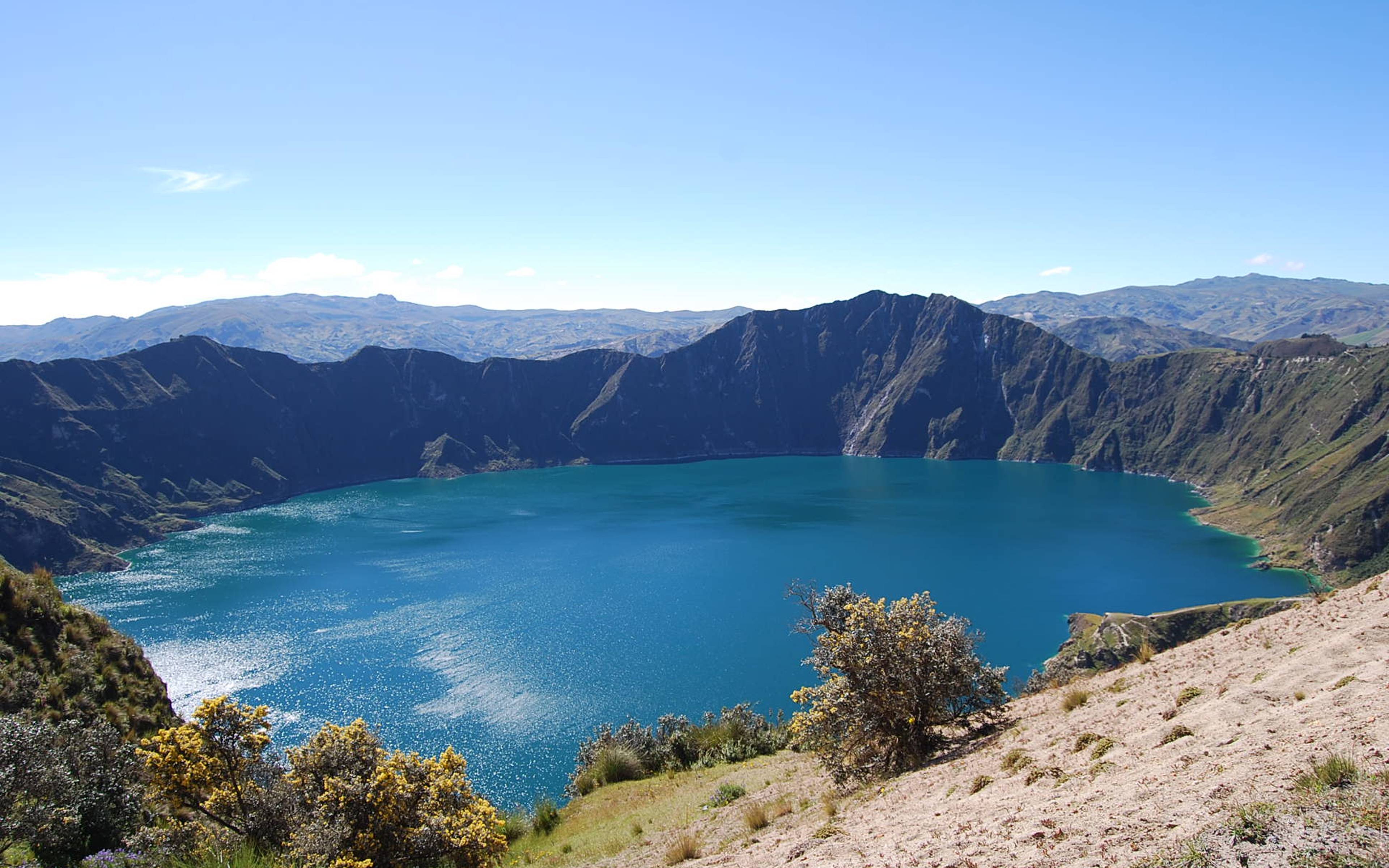
The view of the crater in the Quilotoa volcano is breathtaking, so don't miss it during your holiday in Ecuador.
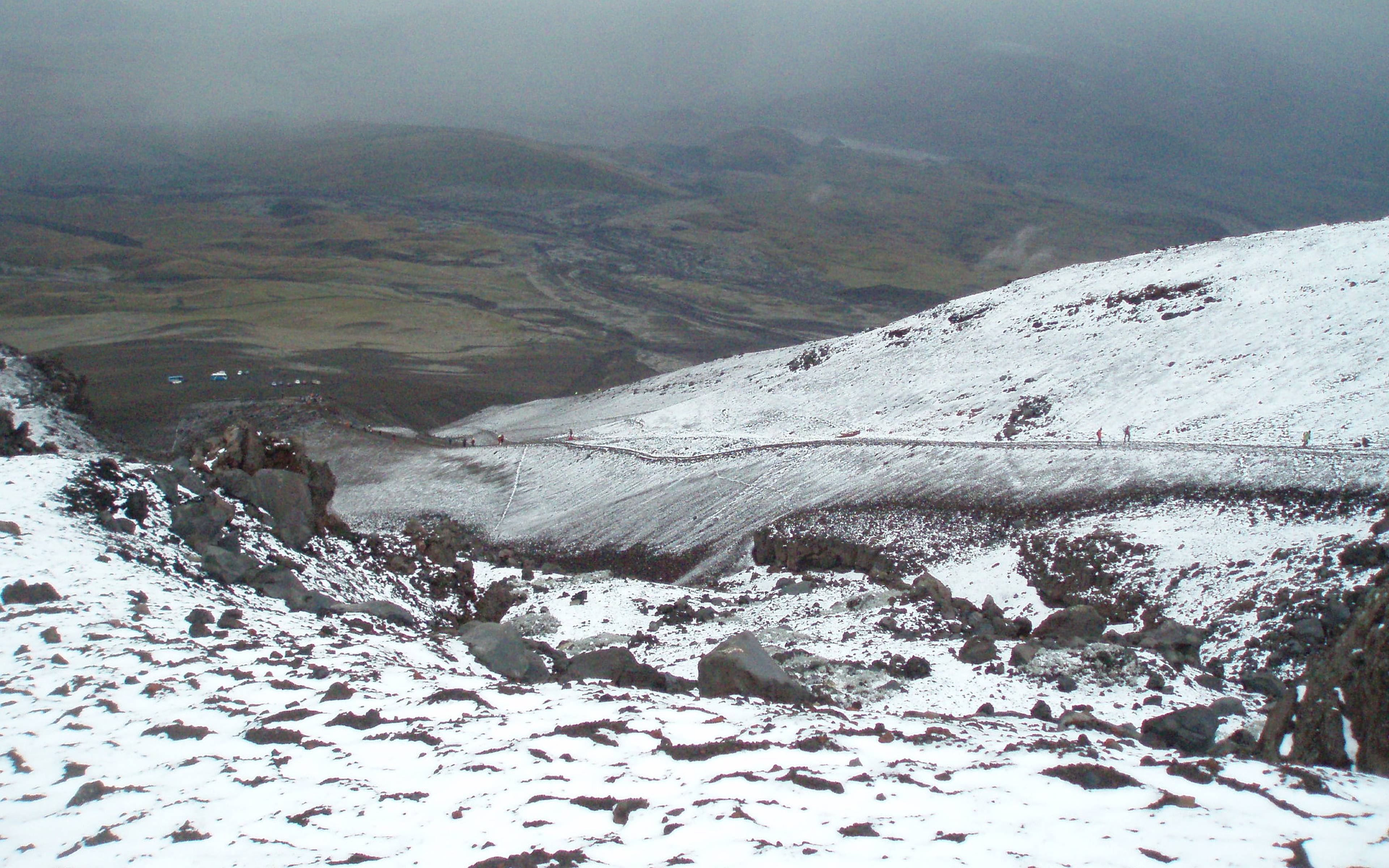
In the middle of the volcano chain and 5,897 metres high, Cotopaxi is Ecuador's second highest volcano after Chimborazo. It forms part of the national park of the same name.
Chilcapamba is a Quechua community in the north of Ecuador. Tourists stay with the local inhabitants and the extra income helps in the development of the village.
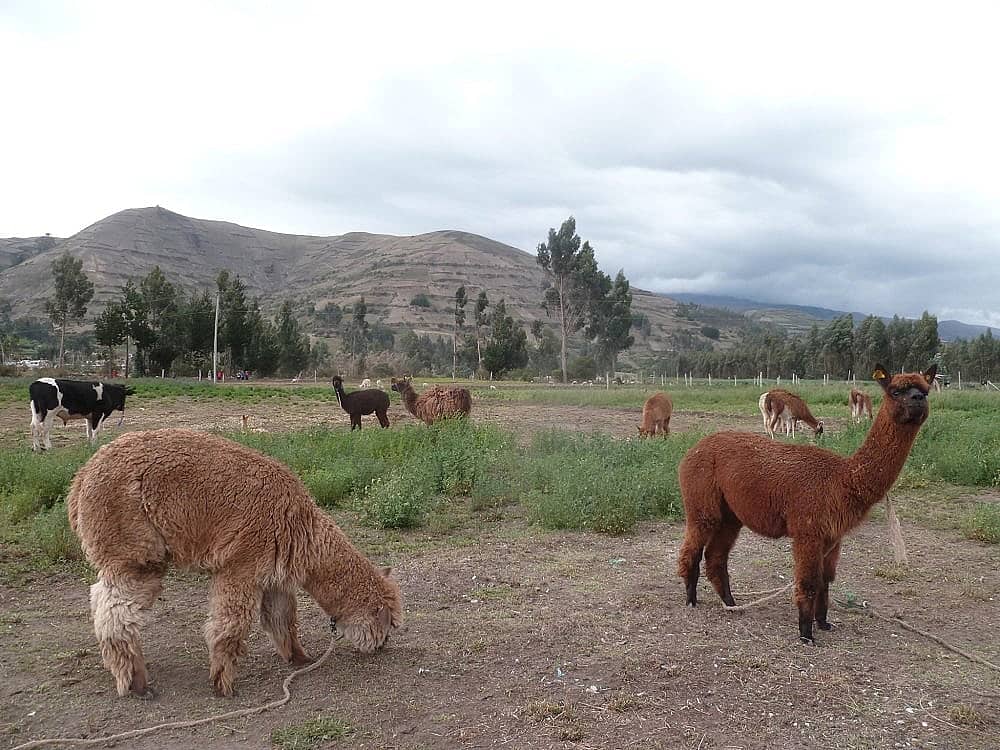
The rural community of Calpi consists of 19 indigenous villages located at the foot of the highest volcano in Ecuador, Chimborazo. Calpi lies halfway between Cuenca and Quito and is definitely worth the trip, especially if you like the idea of supporting local community tourism projects. 
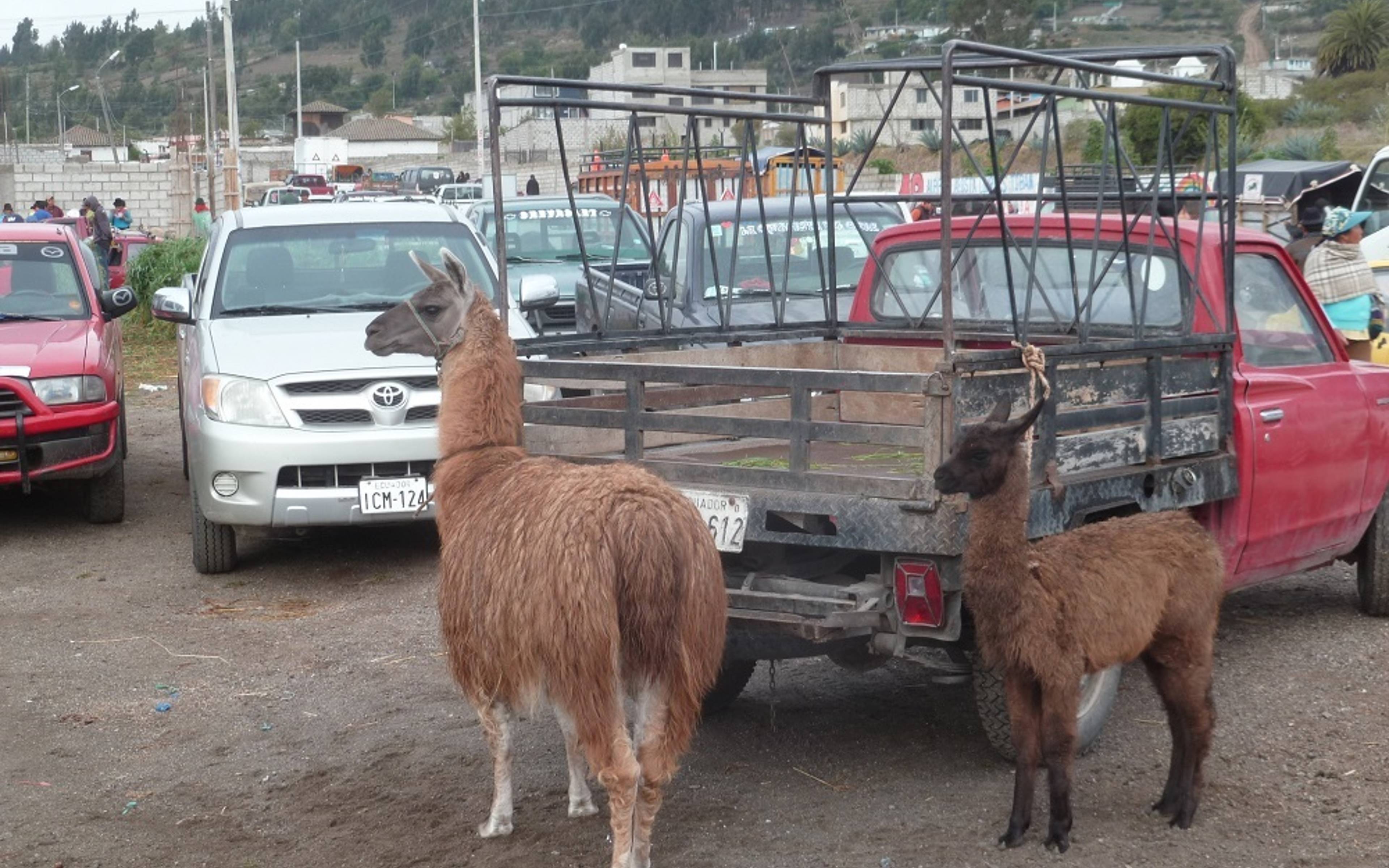
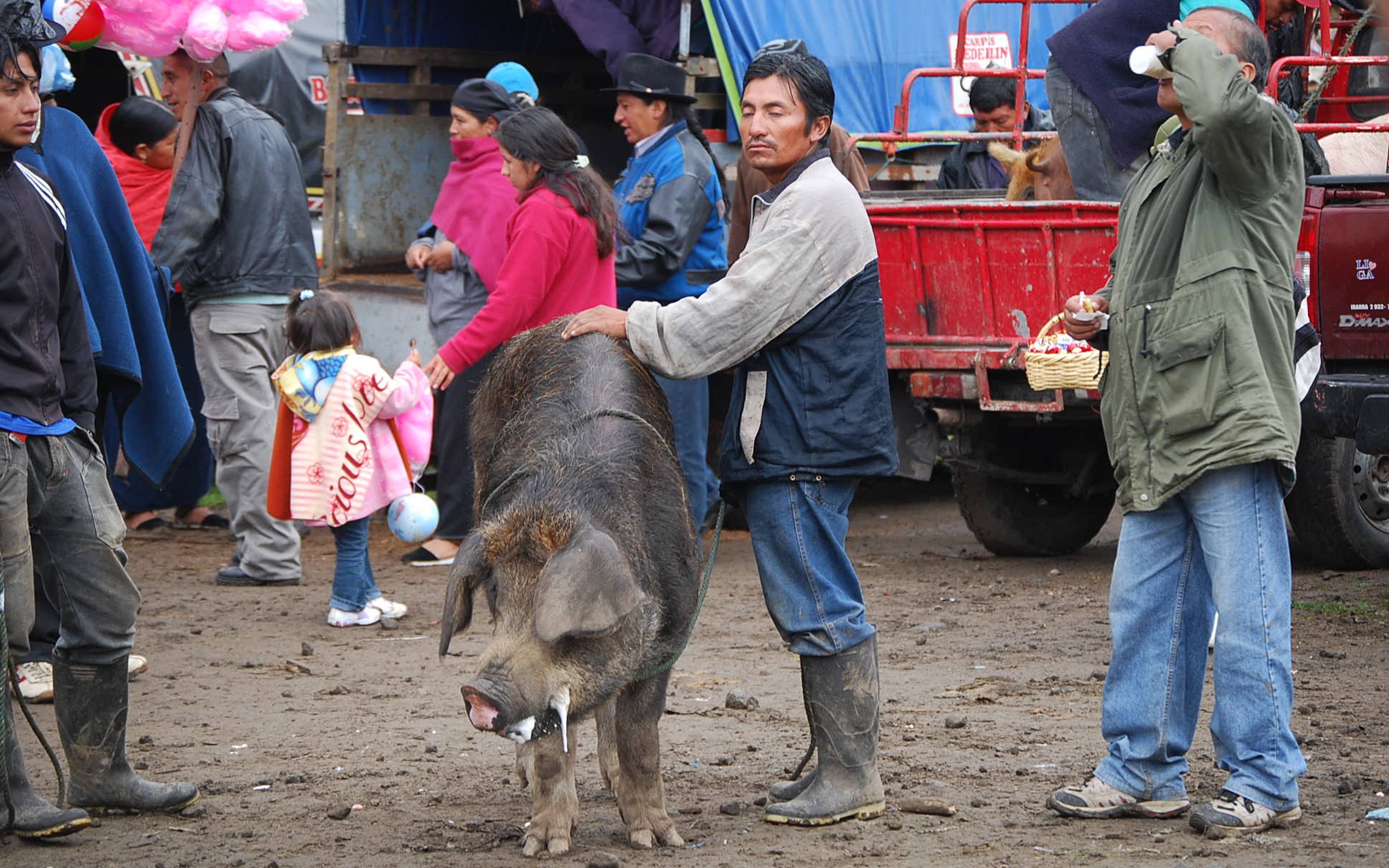
Every Thursday morning Saquisili is very busy because of its weekly market. It's something you really shouldn't miss during a trip to Ecuador!
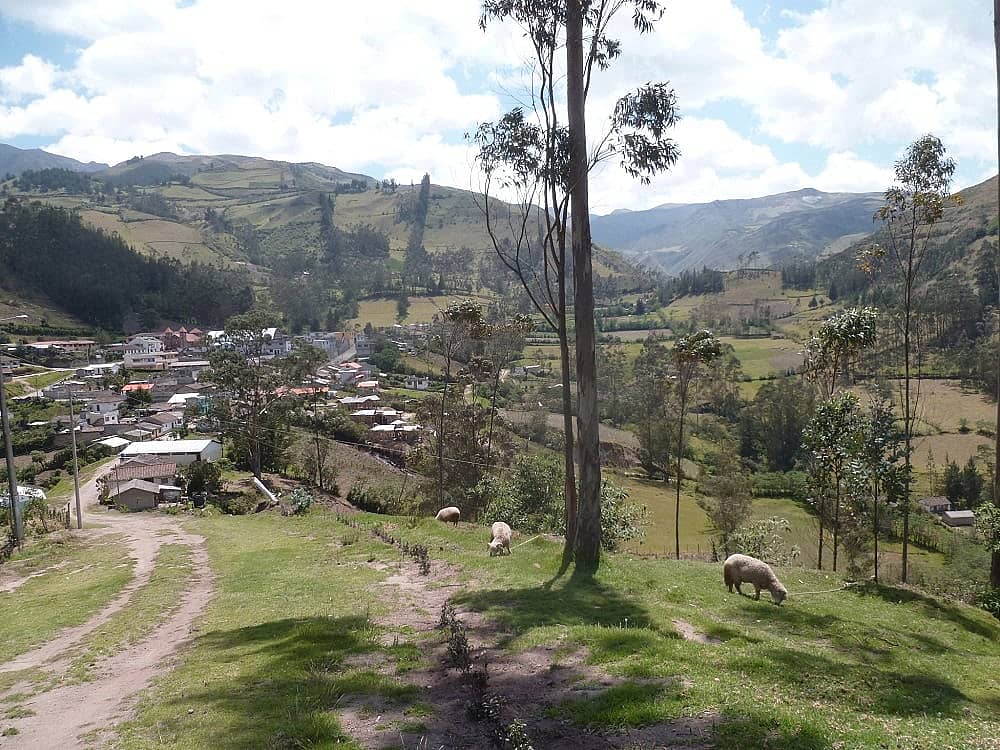
Insilibi is a small, peaceful village, surrounded by mountains, that is hiding on the Quilotoa trekking loop, at an altitude of 2,900 m. For walkers only!
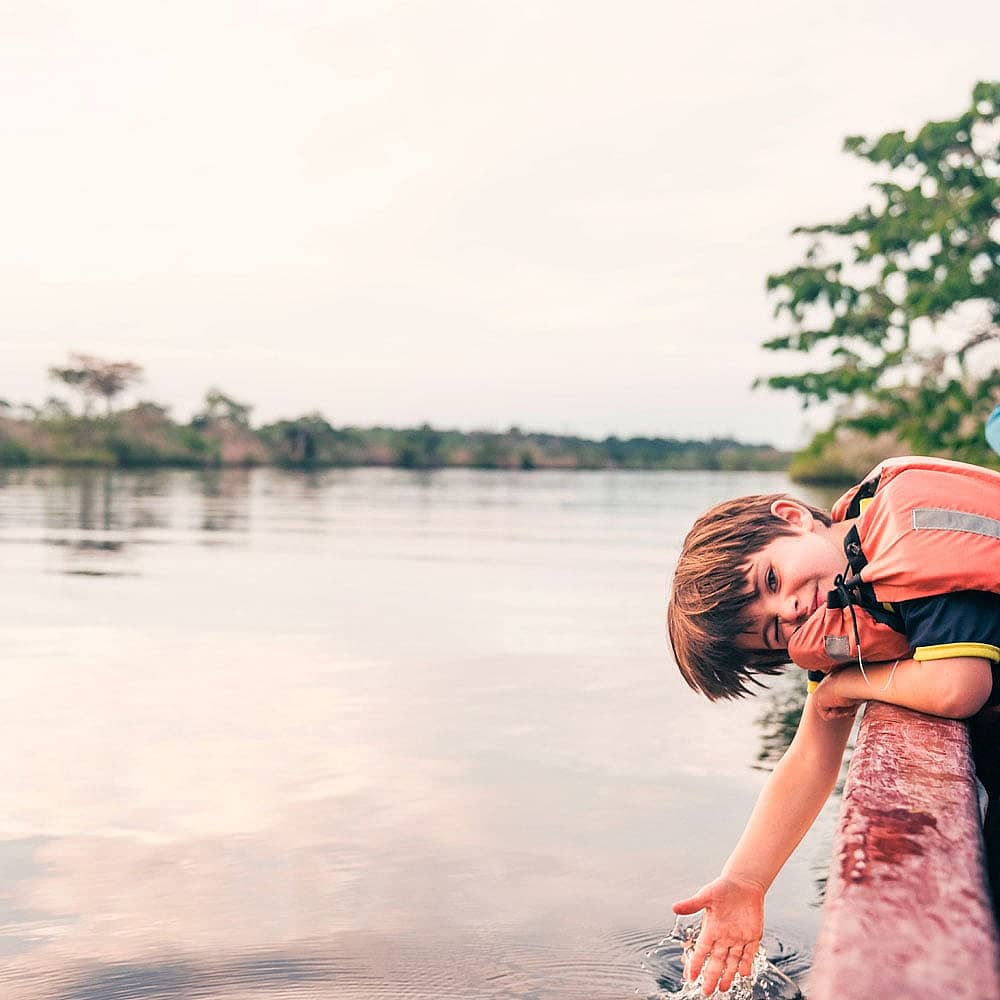
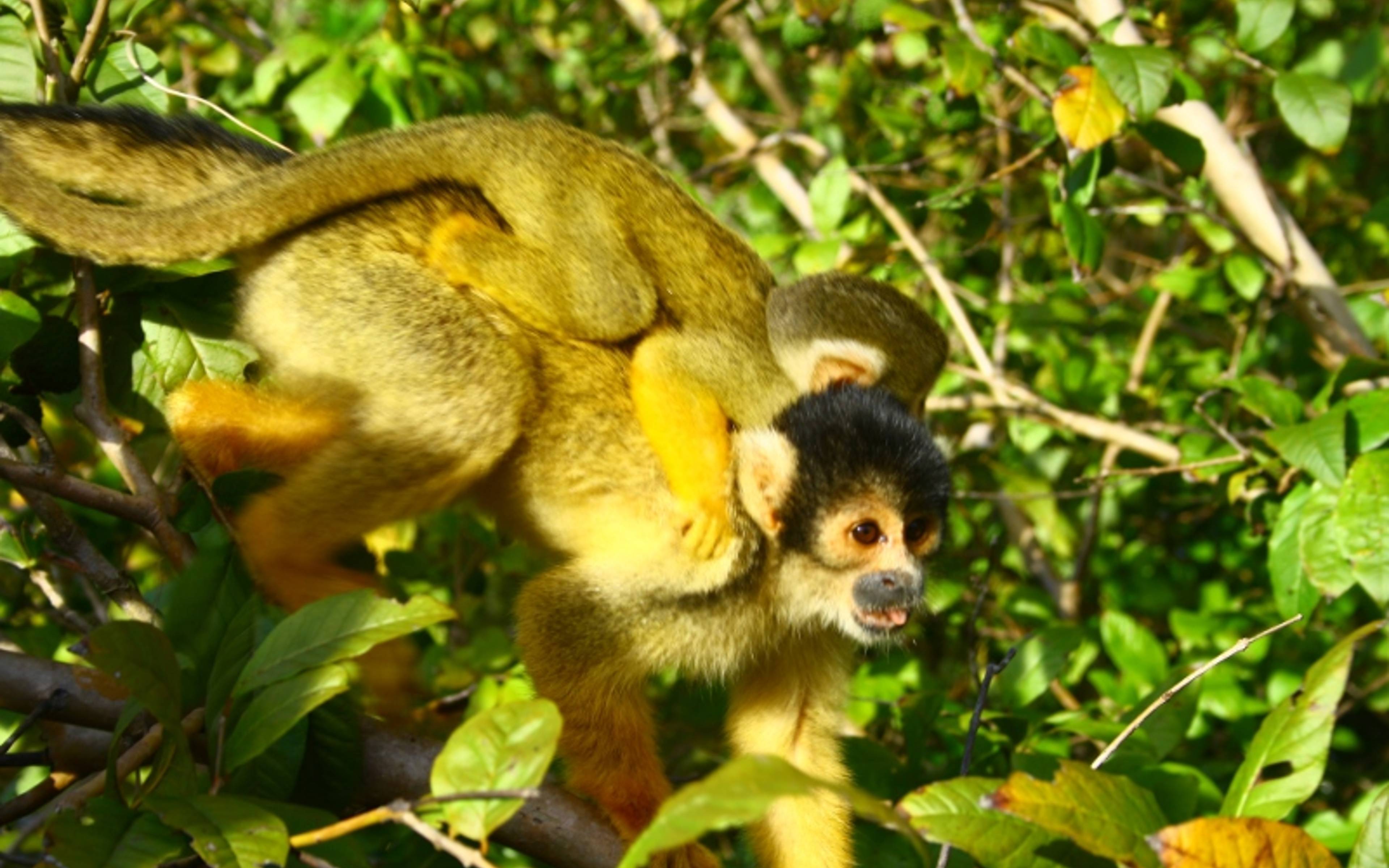
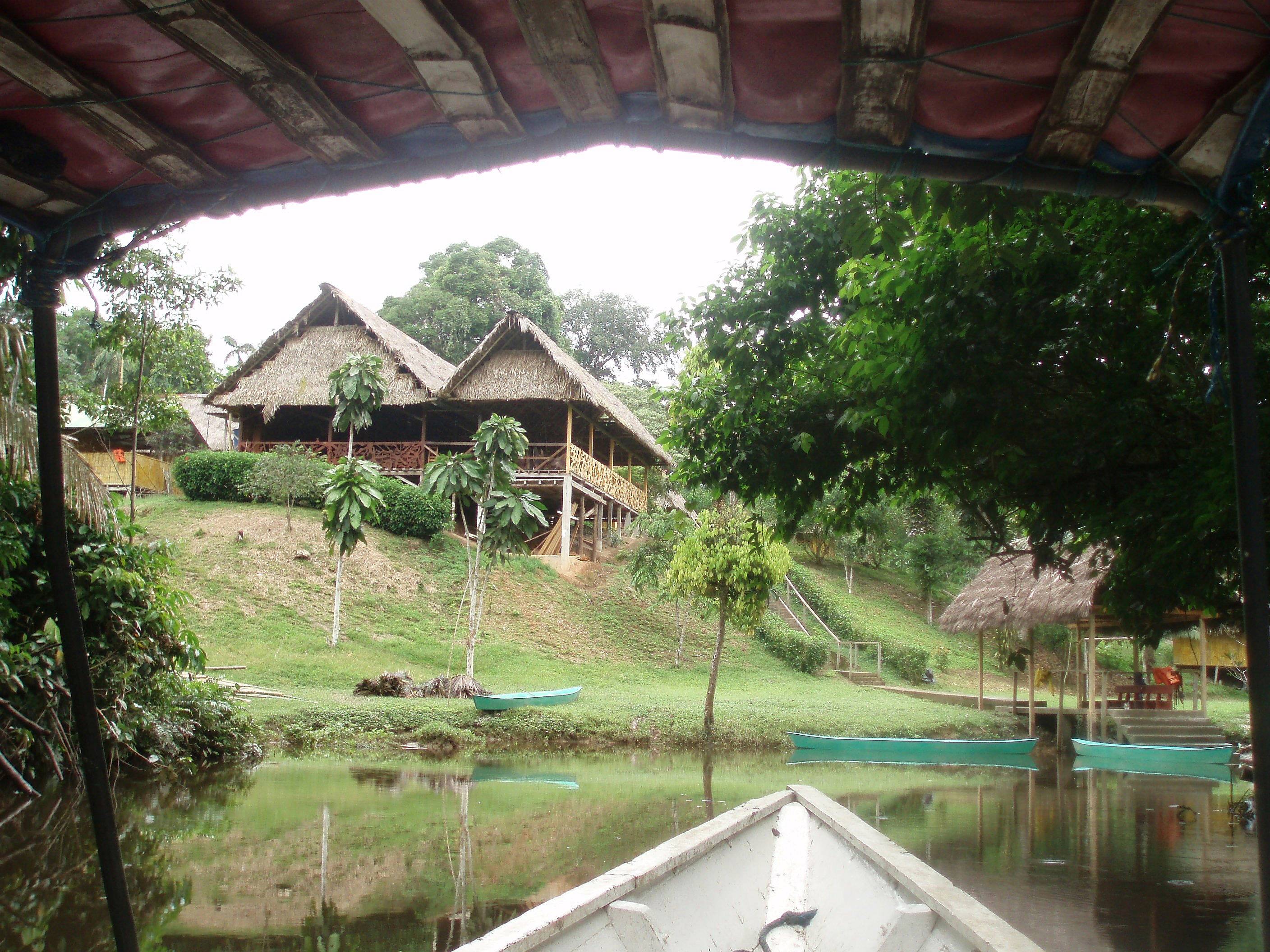
The Cuyabeno Nature Reserve is one of the best national parks in Ecuador for observing animals in their natural environment.
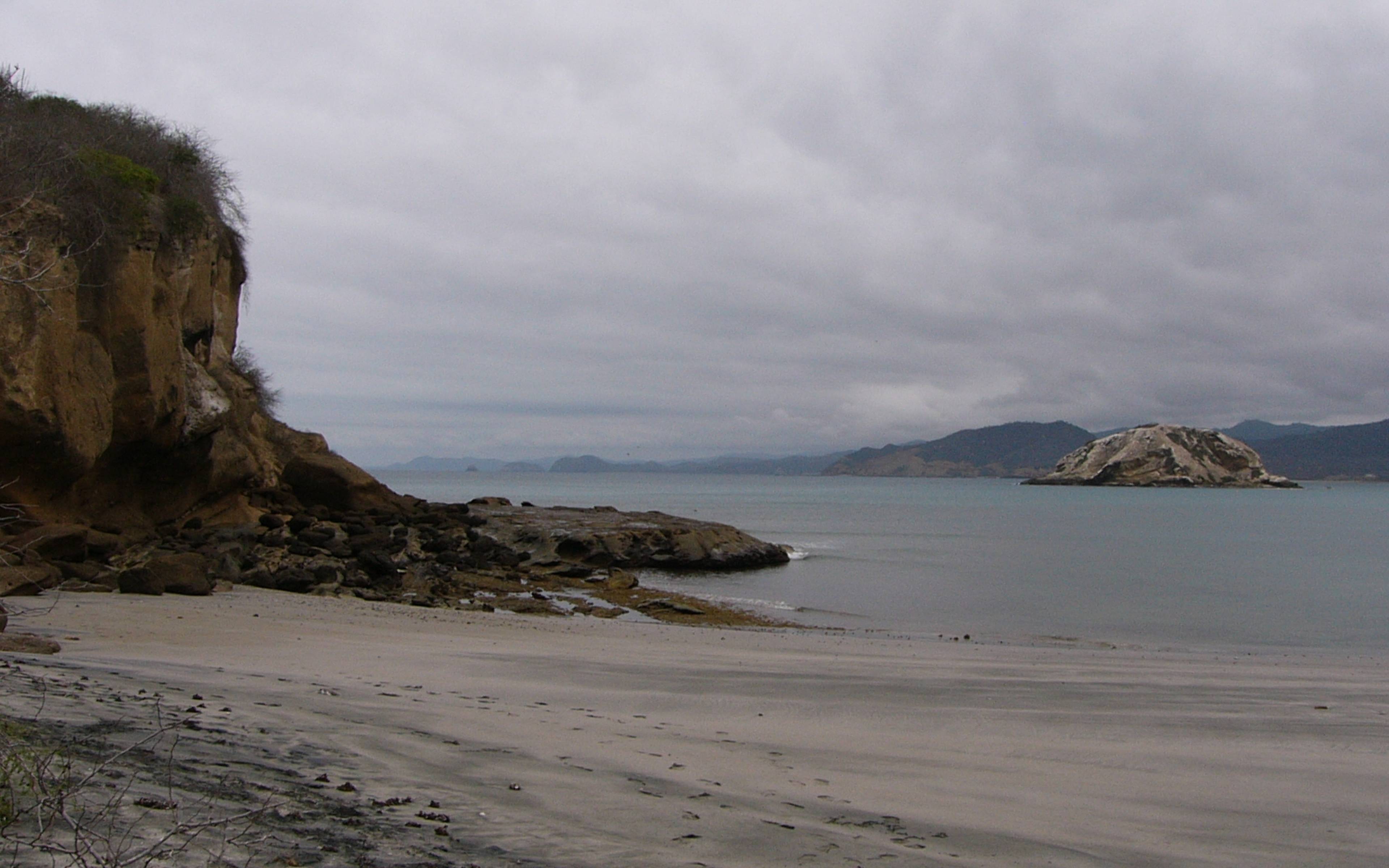
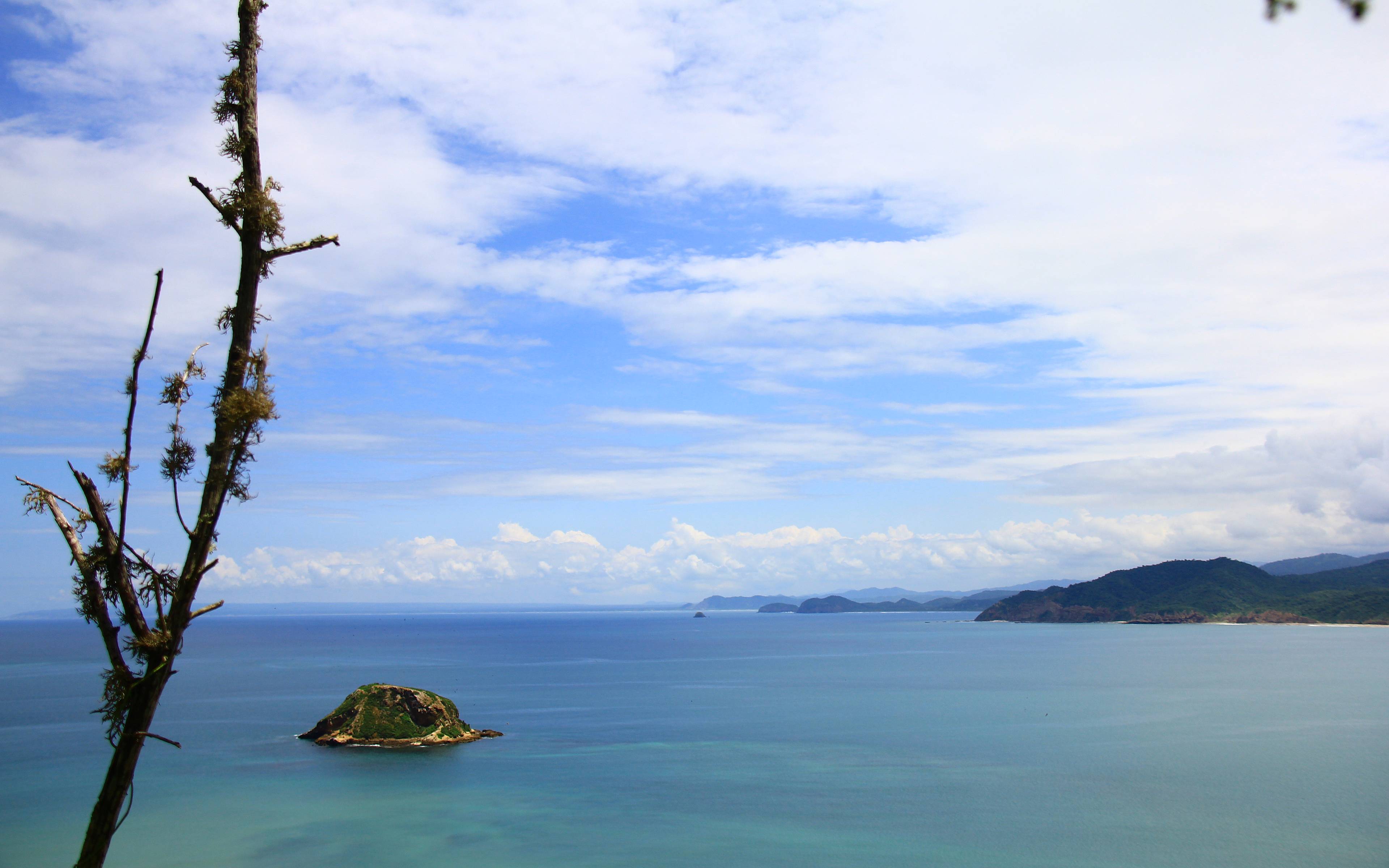
For nature lovers Machalilla National Park is a must when in Ecuador . At once maritime and terrestrial, it gives you the opportunity to discover a fauna (birds, whales...) and an astonishing and varied flora.
A city in the south of Ecuador, called the "Land of birds and waterfalls".
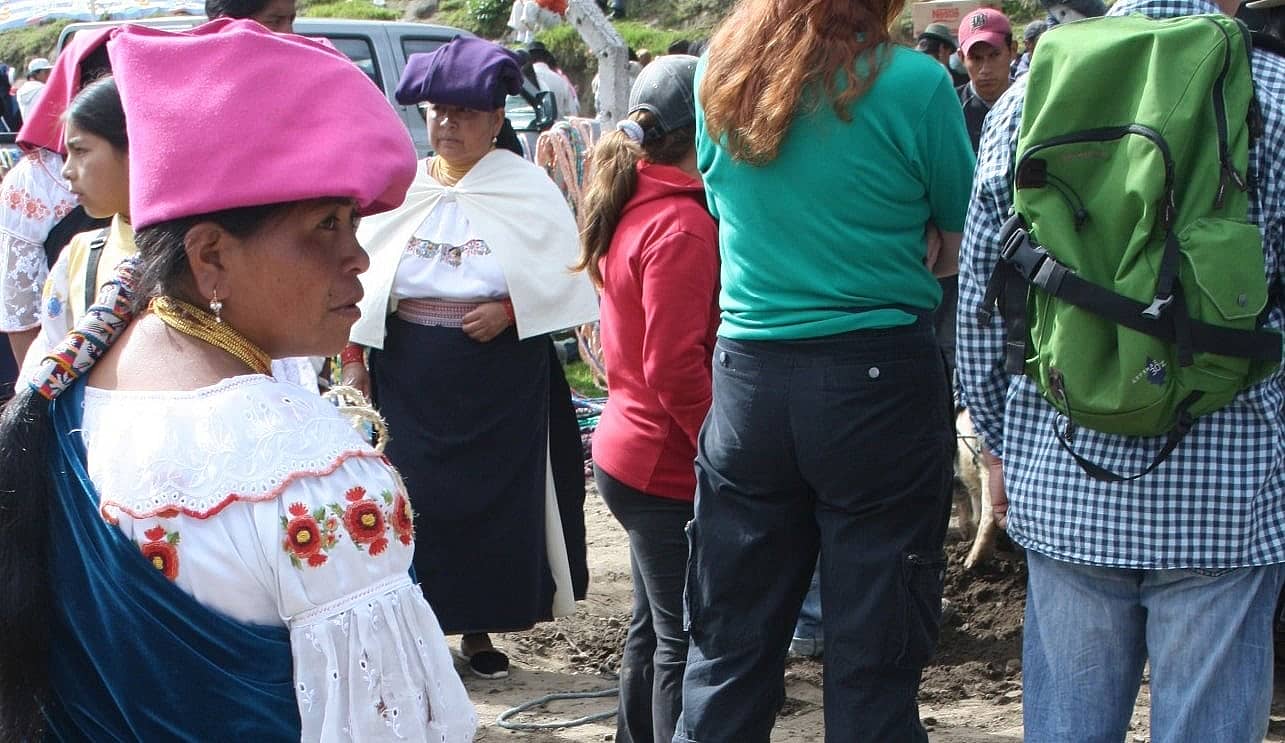
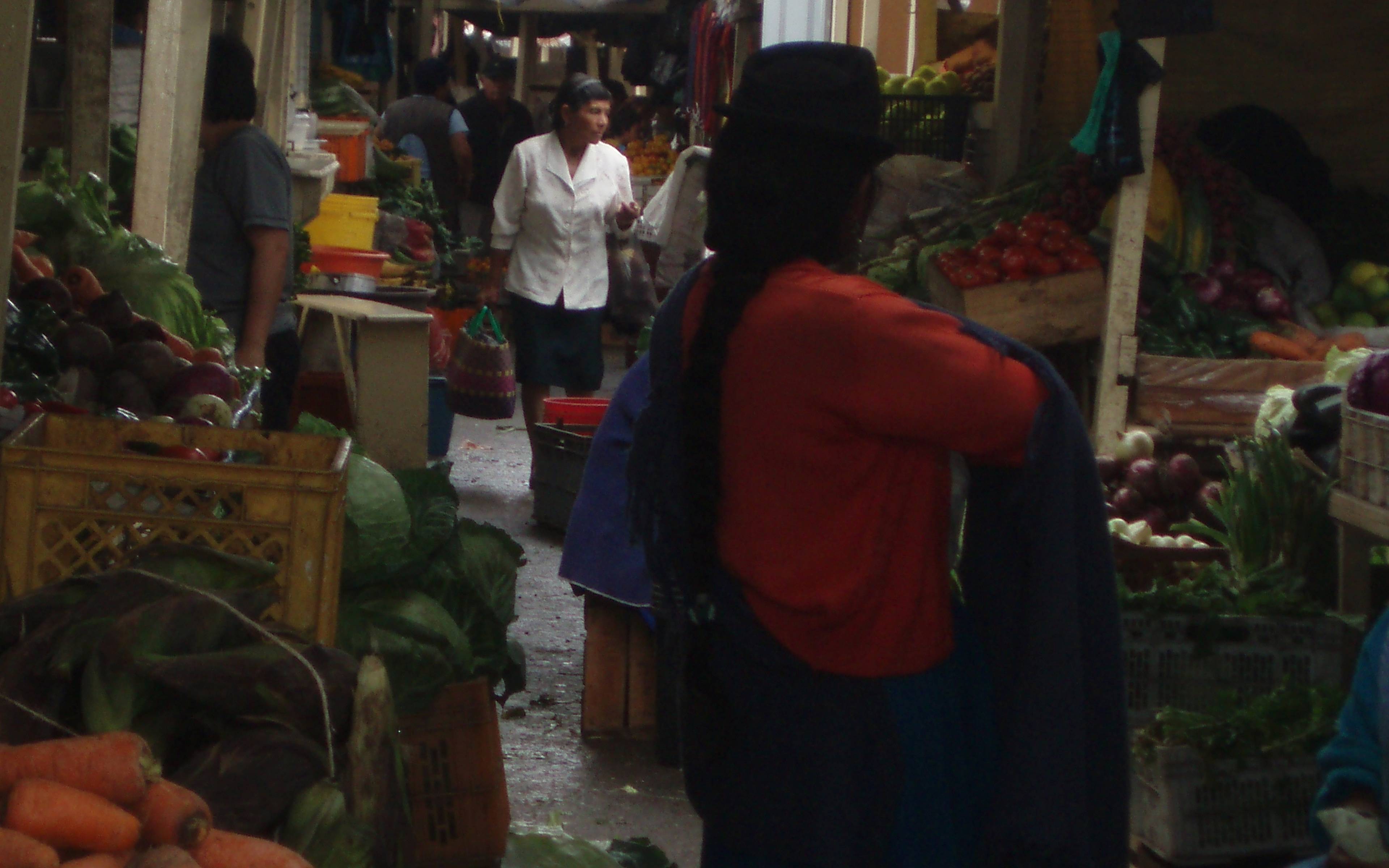
Lying 55 kilometres north of Quito, Otavalo is the tourist capital of Ecuador. It's the place where the most famous, attractive and colourful market in the whole country is held.
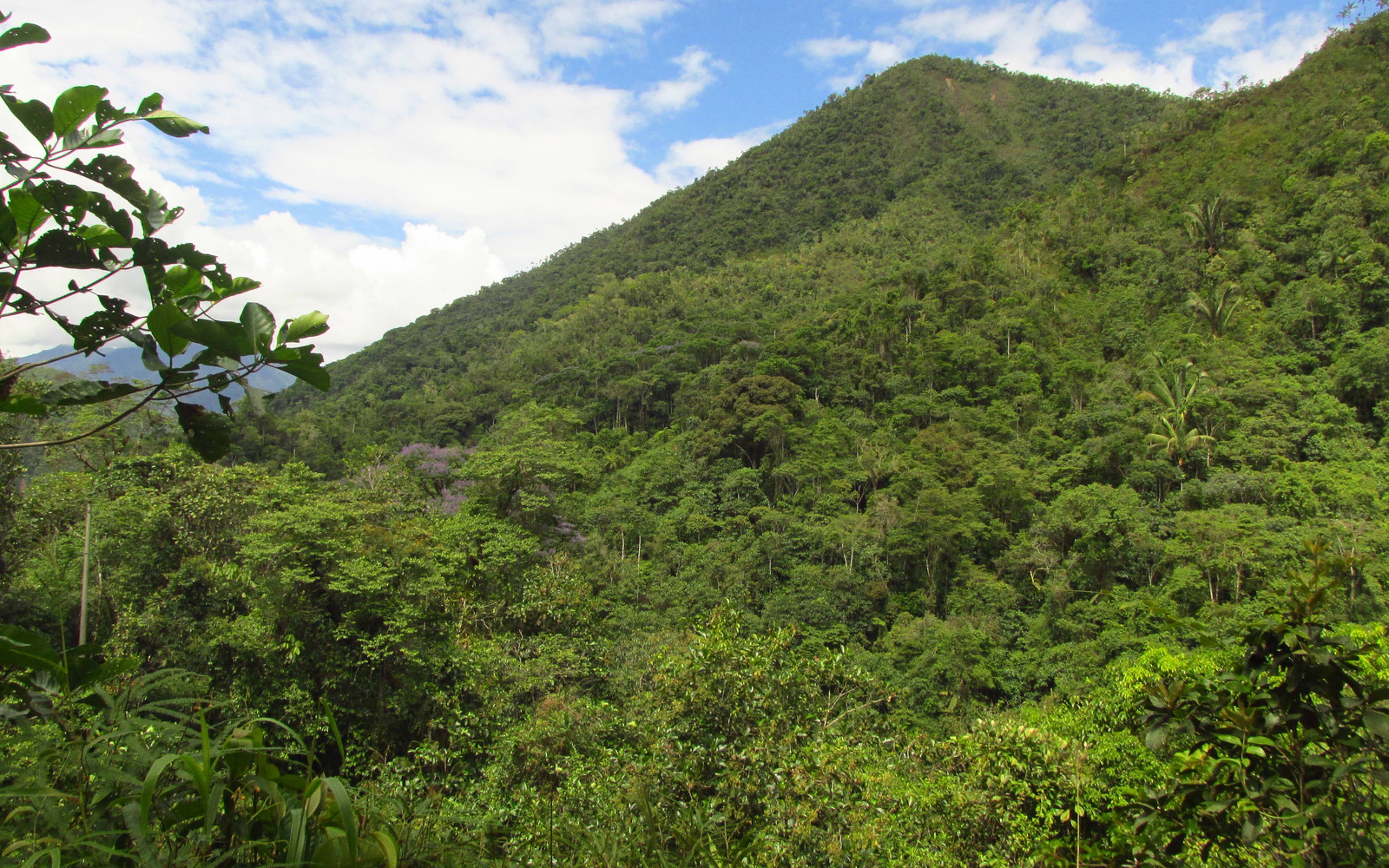
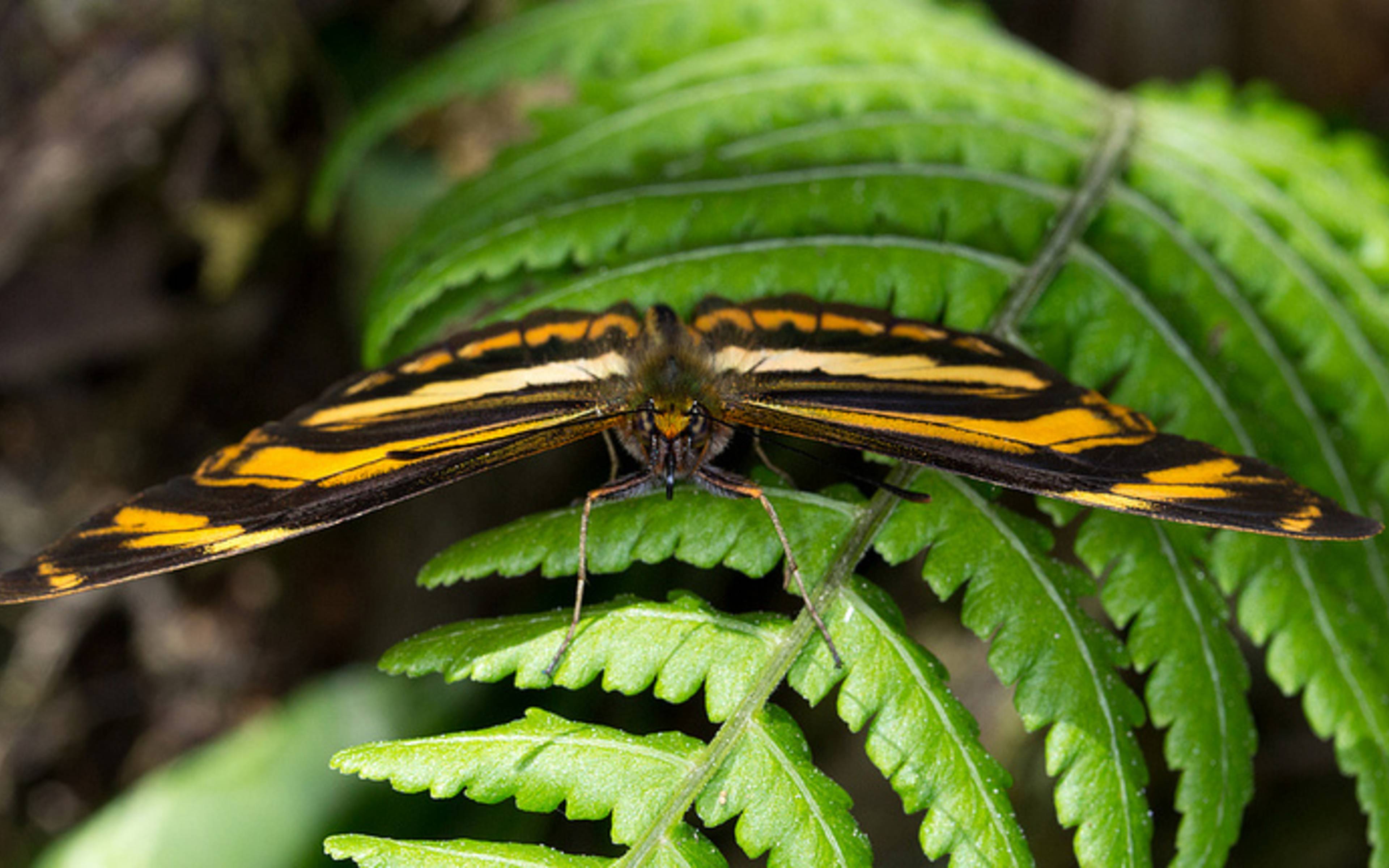
Only 1,300 metres above sea level, the little town of Mindo has a tropical micro-climate which has led to a large diversity of plant and animal life (and lots of birds). It's perfect for nature lovers!
Guamote market is every Thursday morning throughout the town centre. People from all over the region, and sometimes from even further away, go to it in order to buy and sell all sorts of things.
Half way between Quito and the Colombian frontier, Ibarra, or "the white town" as it's called, is a small, charming and pleasant town in Ecuador to explore for a day or two.
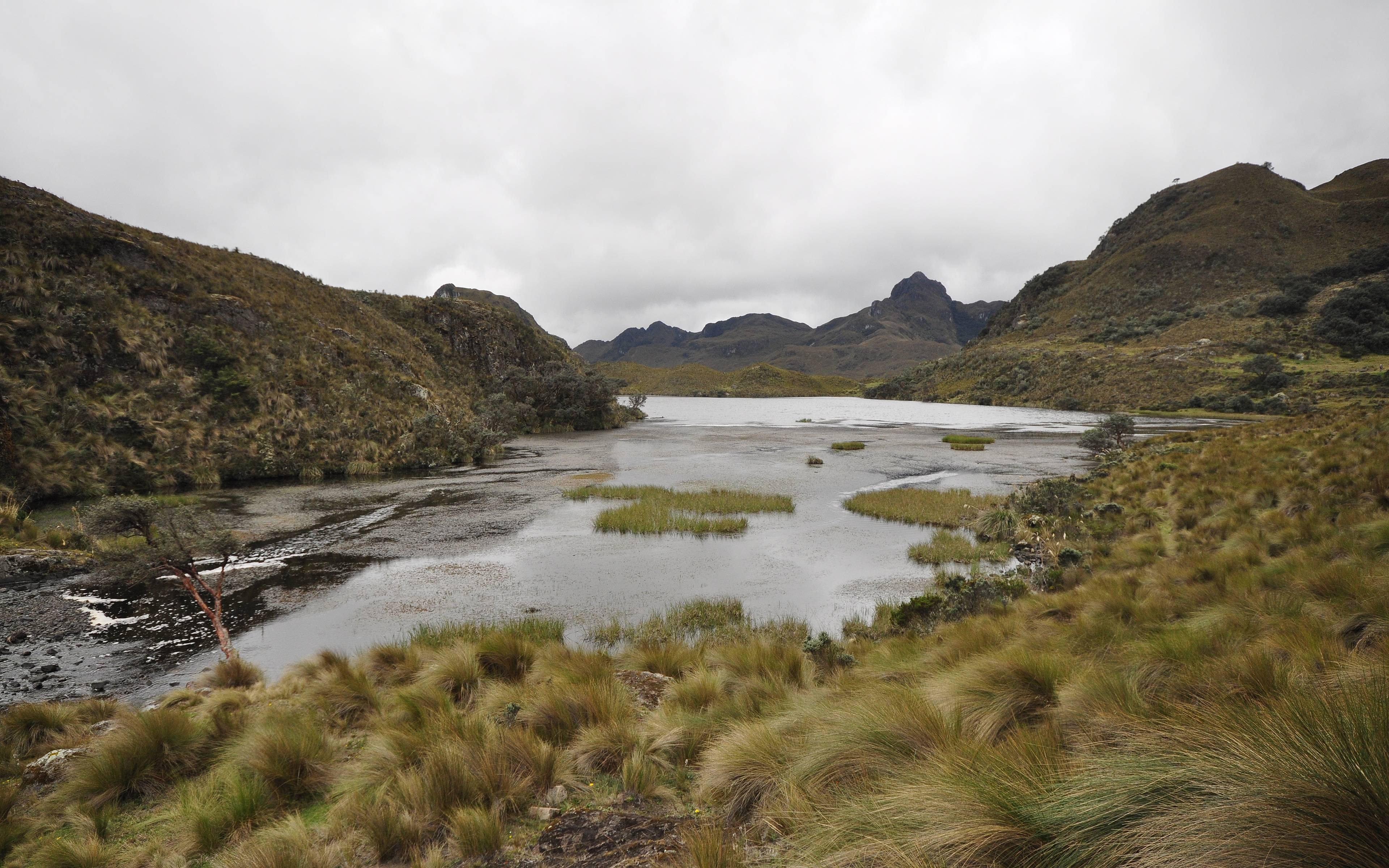
El Cajas national park is 35 km from Cuenca on the road to Guyaquil and has lots of beautiful hikes which nature lovers will adore.
Ecuadorian Amazonia is called "the East" because it covers a large part of the east of the country. It is home to an enormous biodiversity but nowadays is also prized for its oil...
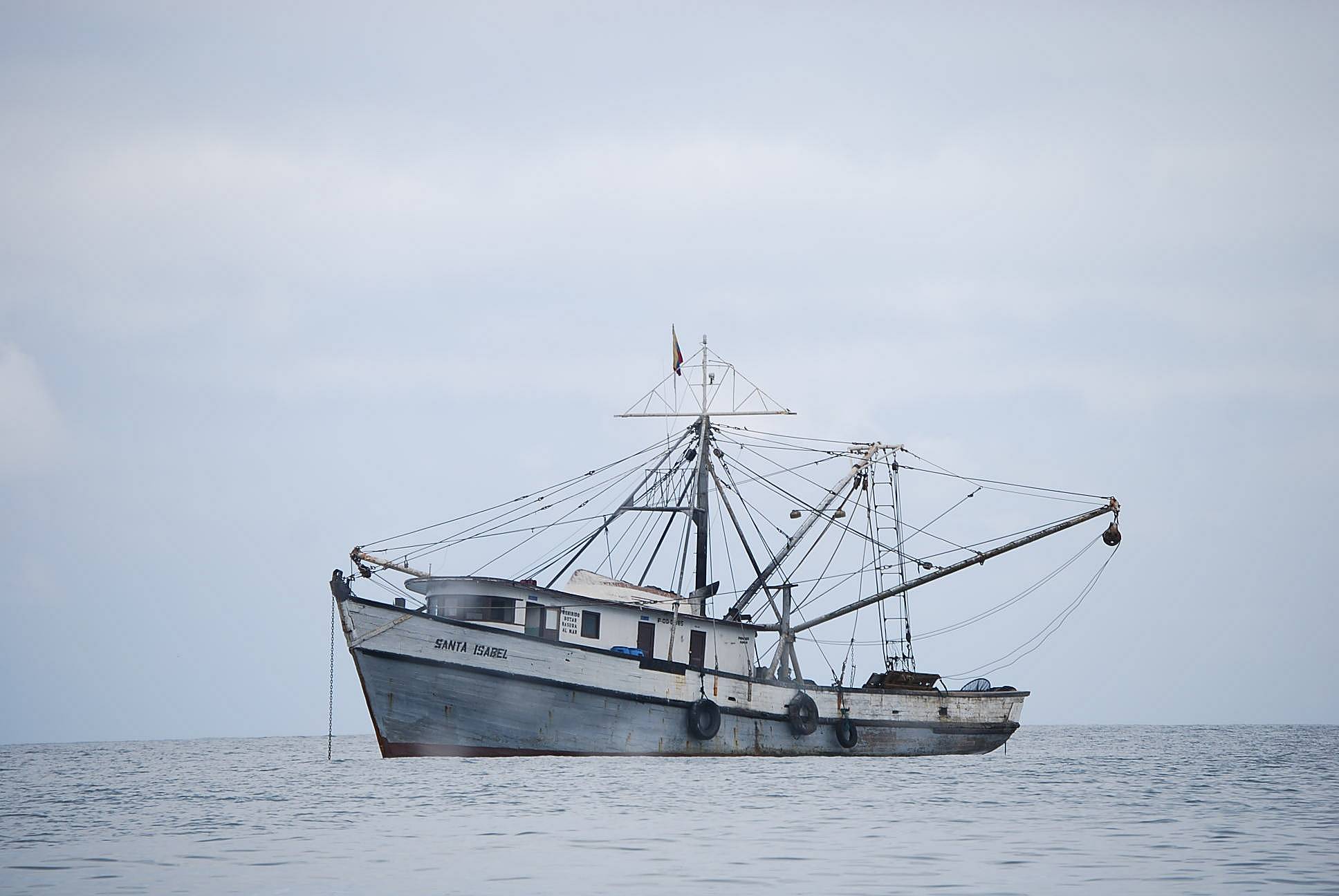
Puerto Lopez is a quiet little fishing village spread out along a pretty bay, where it's easy to meet the local people.
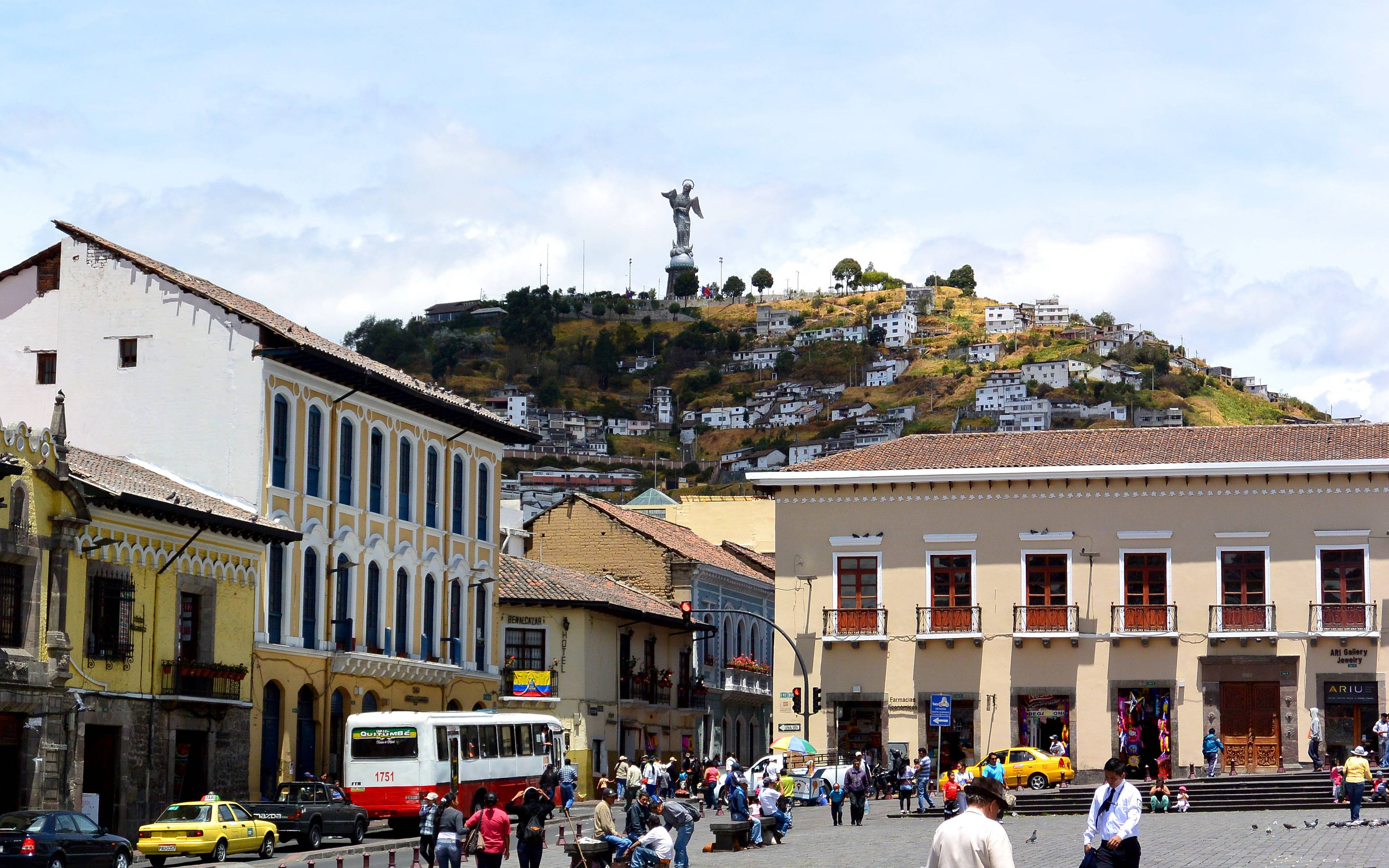
Quito is 3,000 metres above sea level. As well as its historic colonial centre, which is a UNESCO World Heritage Site, Ecuador's capital has other assets and is a definite must see if you are staying in Ecuador.
The country's second largest town, beside the Pacific, Guyaquil doesn't have a great reputation but is nonetheless worth visiting for a day if you are staying in Ecuador.
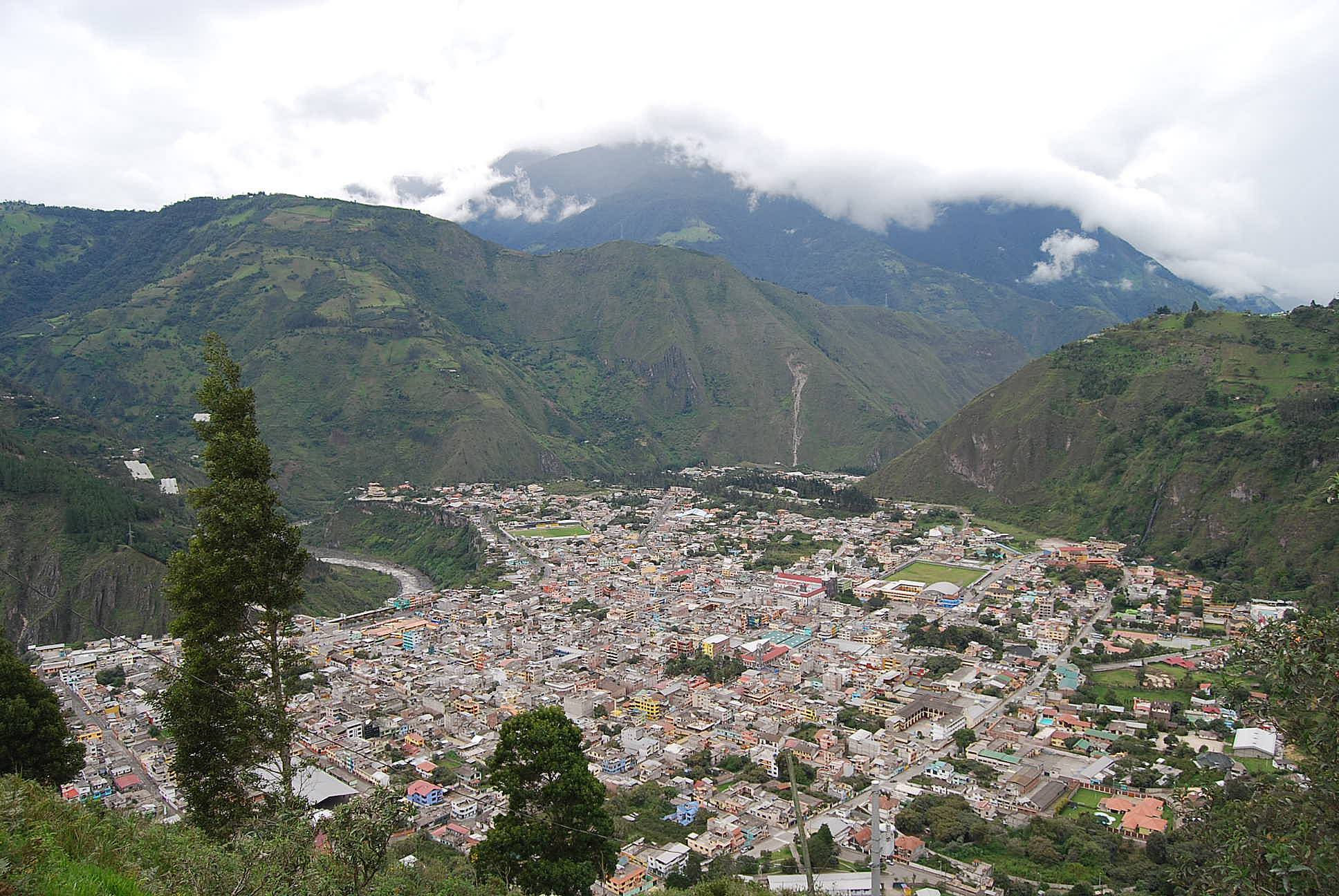
Lying with a volcano on one side and a river on the other, Baños is to a certain extent the place where the Andes and the Amazon meet.
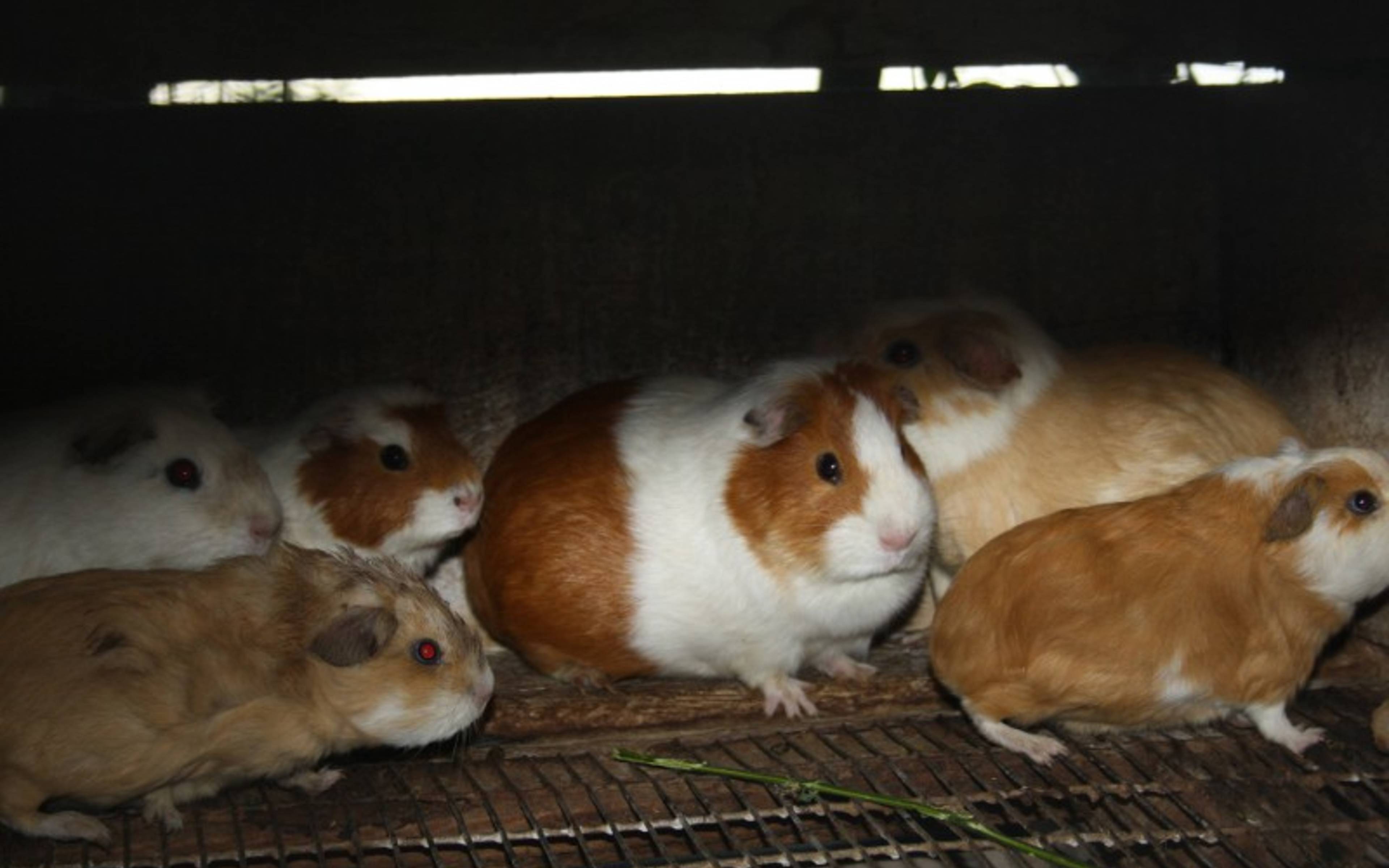
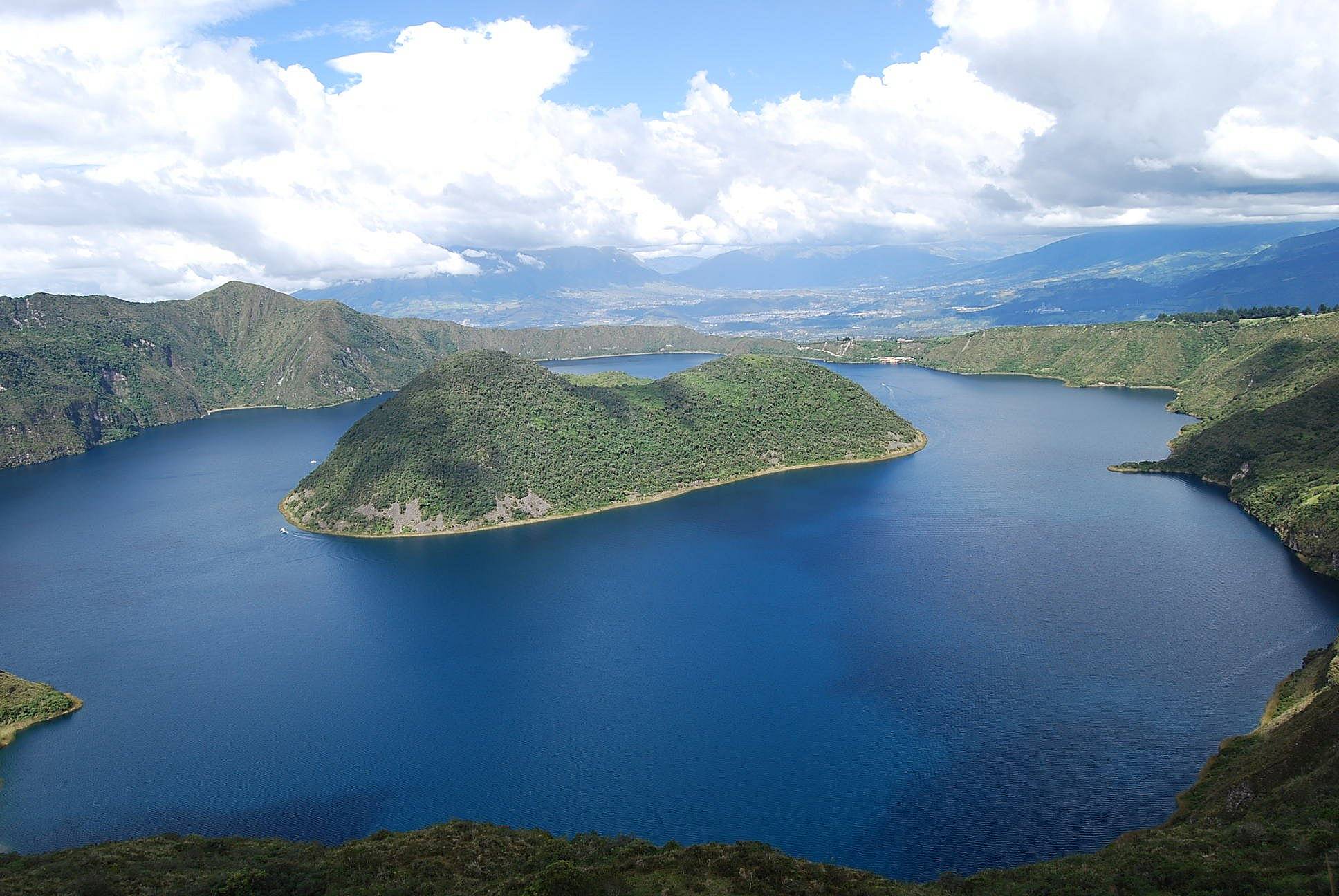
Cuicocha lagoon is part of the Cotacatchi Volcano ecological reserve. In Quecha, "cuycocha" means "guinea pig" (cuy) and "lake" (cocha). Because one of the two islands in the middle of the lake is shaped like a guinea pig.