



Must-sees and hidden gems: what to see and do in Chumphon?
1. Stroll along the deserted beach of Thung Wua Laen
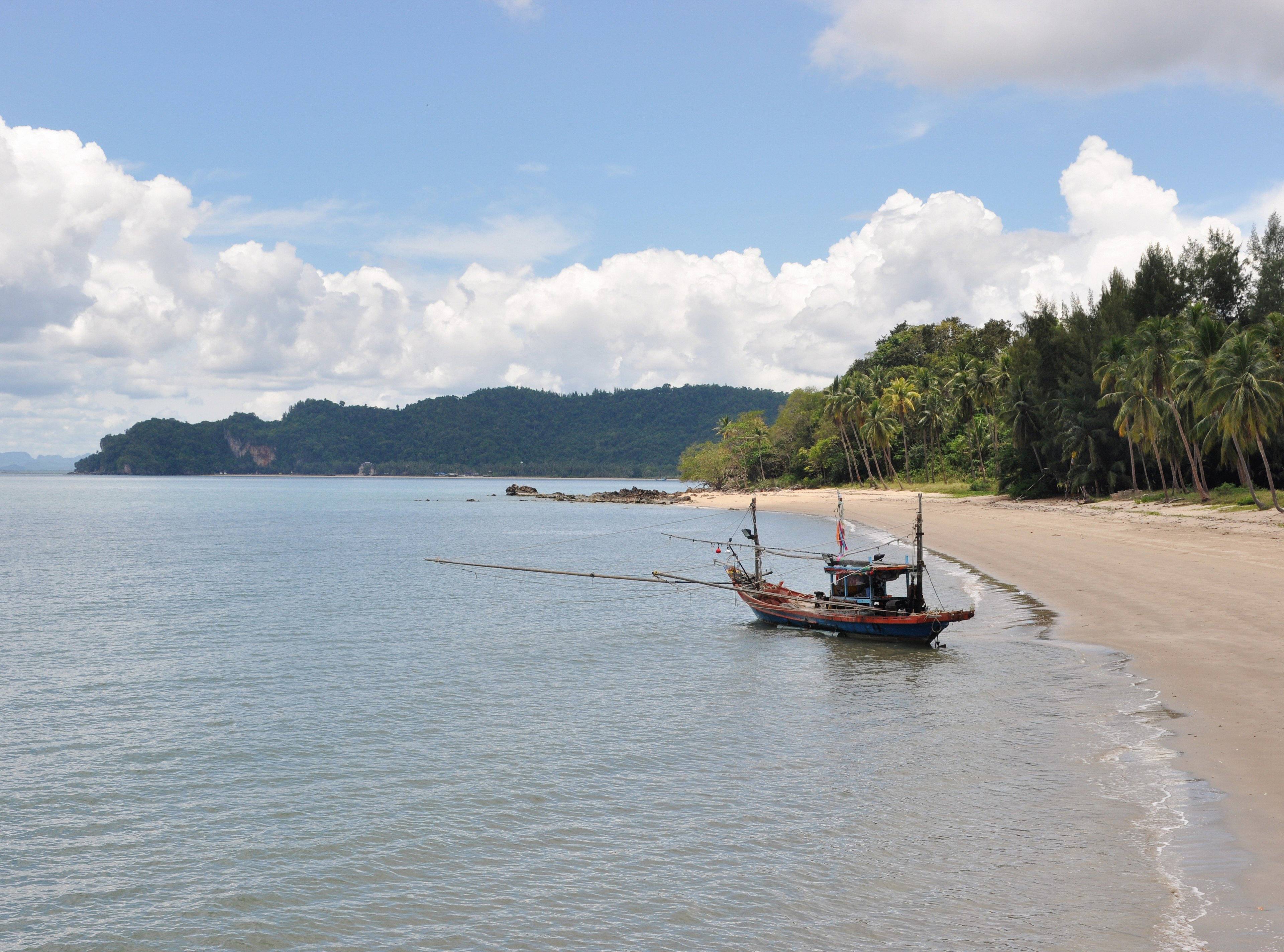
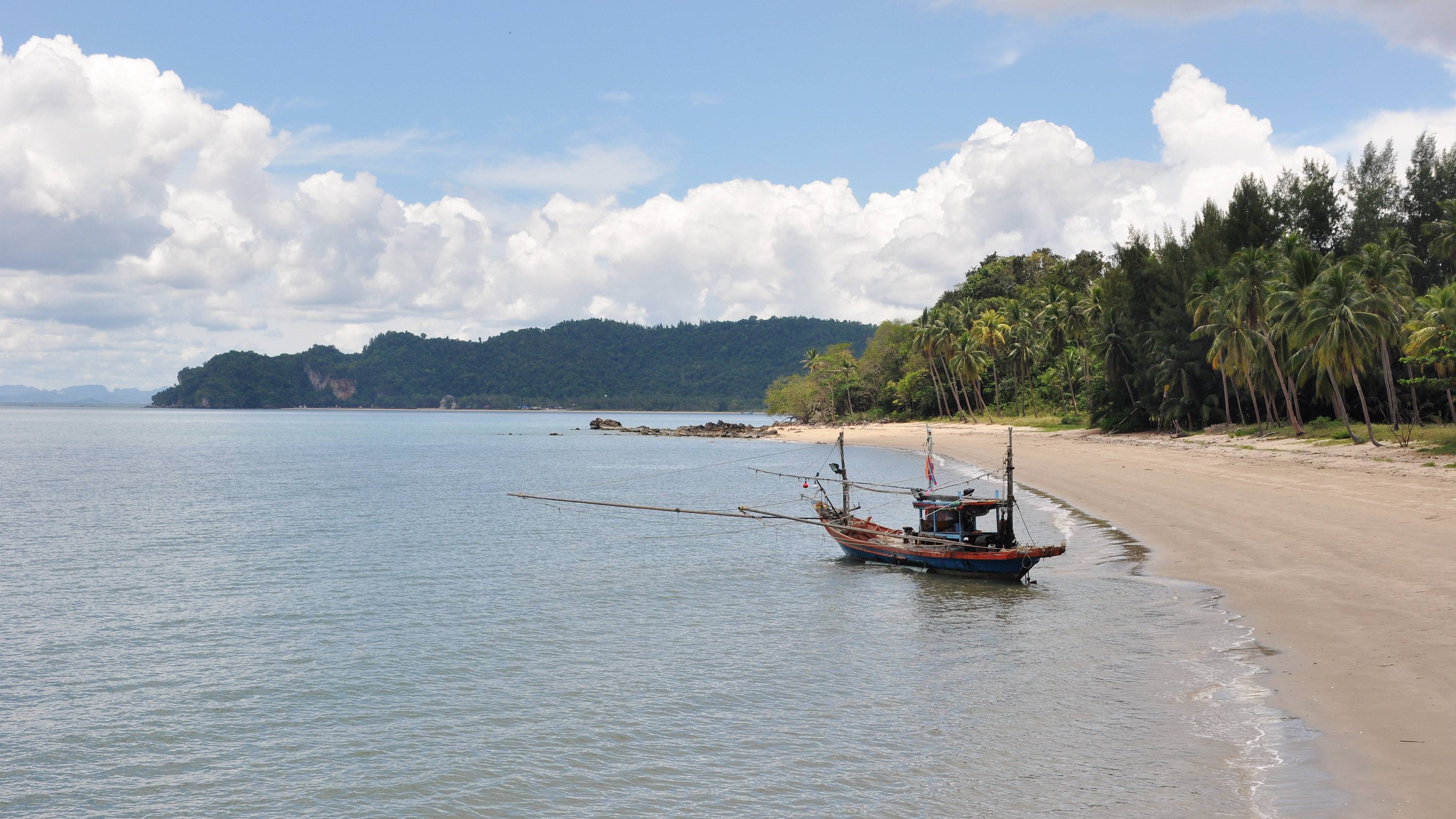
It’s one of the hidden gems of the Gulf of Thailand. Thung Wua Laen stretches for miles, with white sand edged by rows of coconut palms and a few family-run cafés where you can sip a fresh coconut. At dawn, only the footsteps of fishermen disturb the calm. No crowds, no blaring music, just the lapping of the waves, the distant calls of ospreys, and that rare feeling of having a beach all to yourself.
2. Explore the underwater world of Mu Ko Chumphon National Park
Diving or snorkeling in Mu Ko Chumphon means discovering a still-pristine underwater world. A few miles offshore, around 30 little-known islands shelter coral gardens, schools of colorful fish, and sometimes even leopard sharks. In the park, rangers keep watch over the nests of swiftlets, the source of the famous edible bird’s nests, an age-old local tradition that is now strictly regulated.
3. Watch the sunset from Wat Phra That Sawi
Set near the Sawi River, this peaceful temple has a deeply serene feel as the light begins to fade. Its main stupa, made of red brick and topped with gold, is said to contain a relic of the Buddha. But here, more than the history, it’s the atmosphere that stays with you: a trace of incense, leaves rustling, the barely audible chants of monks. As the sky turns pink and bathes the glazed rooftops in warm light, it’s easy to see why this place means so much to locals.
4. Taste local flavors at Chumphon’s night market
Every evening, just steps from the train station, the night market comes to life. Stalls begin to steam, colorful lanterns flicker on, and the air fills with fragrant aromas. This isn’t soulless pad thai made for travellers: think khanom jeen with homemade curries, spicy fish cakes, and tangy galangal soups. Local families gather here to grab a quick bite or take home their favorite dishes. It’s a delicious glimpse into everyday Thai life.
5. Watch birds and explore the mangroves at the Paknam Conservation Center
At the mouth of the Chumphon River, this small conservation center offers a beautiful walk through the mangroves. A raised wooden path winds between mangrove trees, fiddler crabs, and flashes of kingfishers in flight. In the morning, the silence is broken only by the songs of bulbuls and the calls of macaques. Educational signs explain the fragile ecosystem of these amphibious forests. It’s the perfect place to reconnect with nature, quietly and humbly, far from the rush.
6. Take a freshwater dip at Heo Lom Waterfall
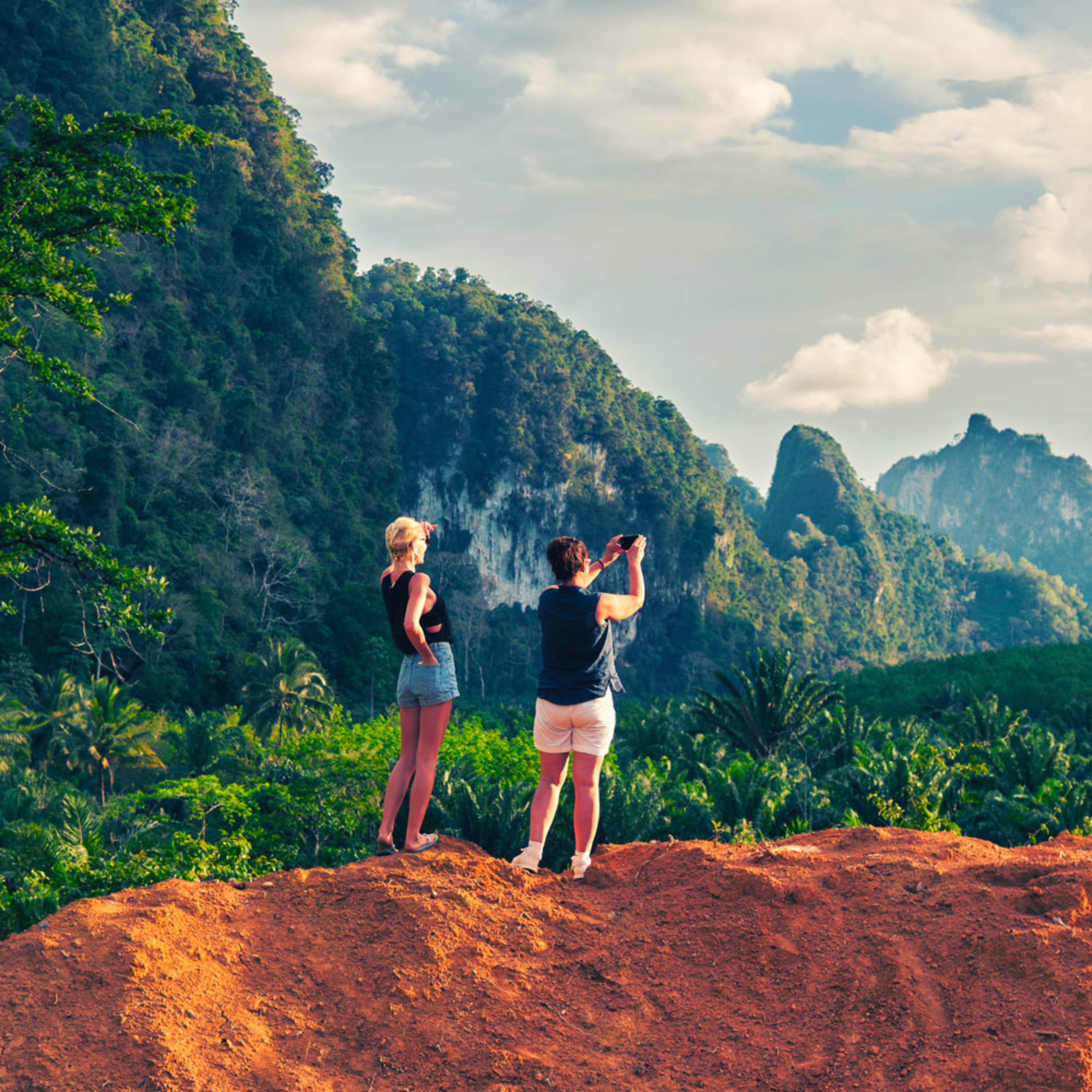
Southwest of Chumphon, the jungle hides a refreshing treasure: Heo Lom Waterfall, a delicate stream that spills into several natural pools. Reached after a short hike through dense forest alive with butterflies, this small sanctuary is ideal for unwinding. The water is cool and clear, framed by large rocks, and often empty on weekdays. It’s a favorite local spot, especially on weekends, for picnics or simply soaking your feet and recharging.
7. Take a traditional boat around Koh Lang Ka Jiew
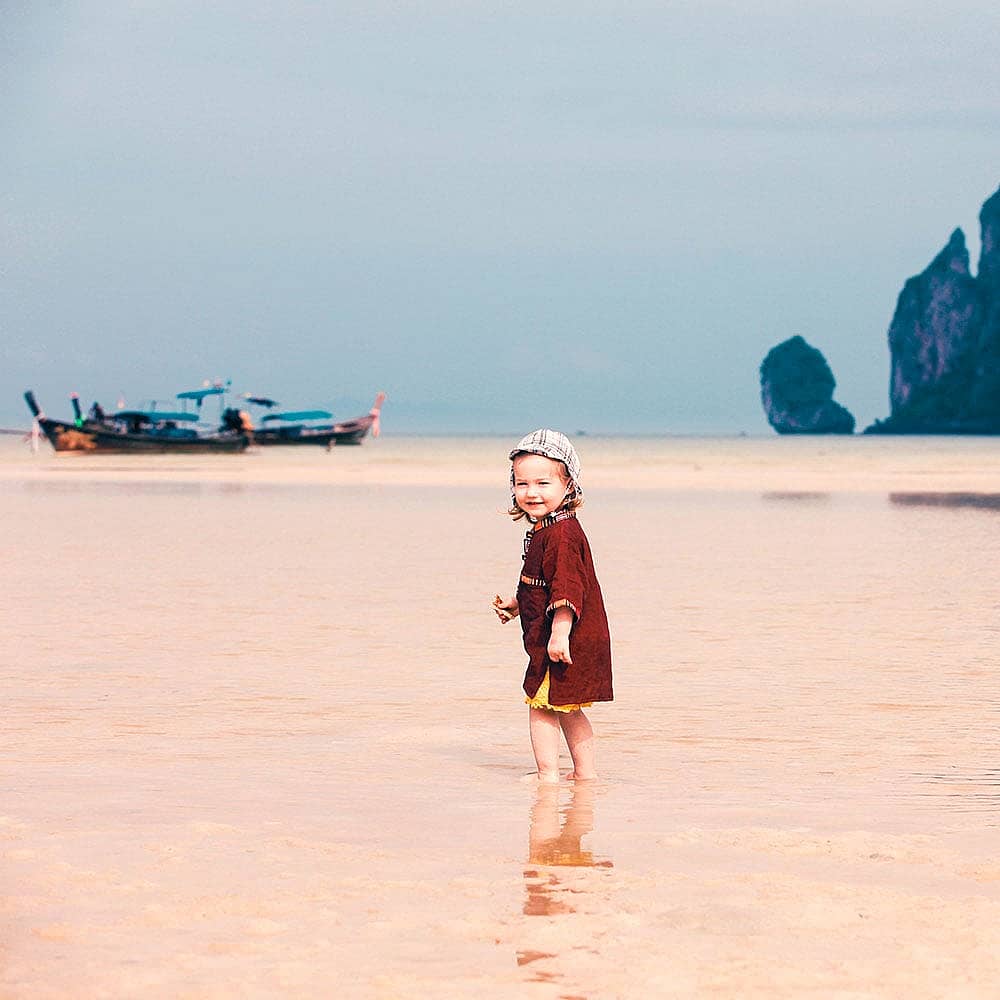
This small island in the Chumphon archipelago can be visited on a day trip. Step aboard a traditional longtail boat with your local guide and cross an emerald sea to reach hidden coves and a shell-covered beach. The water here is crystal clear, perfect for snorkeling, with reefs just below the surface. It’s also a quiet, little-known spot far from the crowds, where only a handful of boats drop anchor.
8. Discover local coffee in the plantations of Ban Panwal
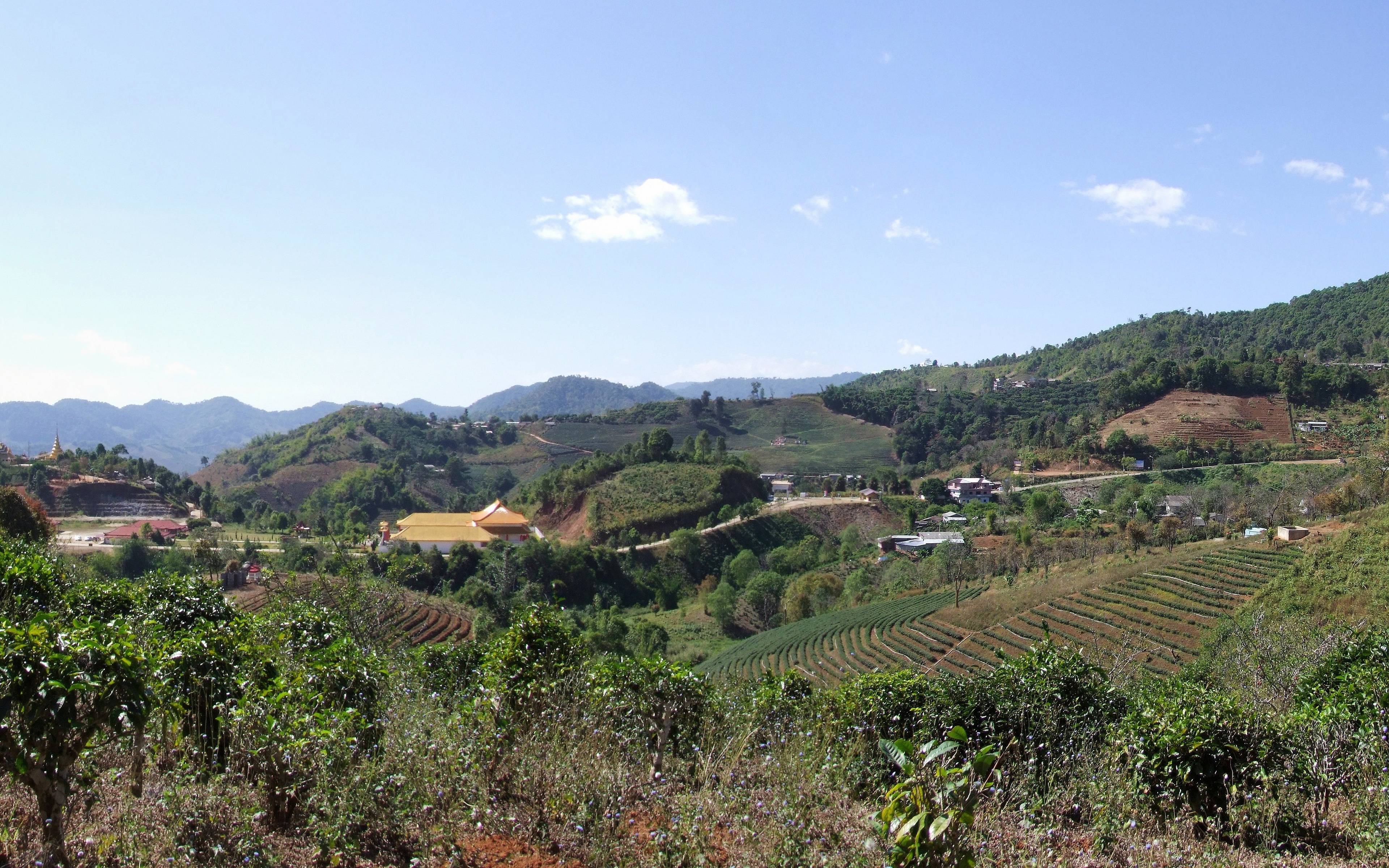
Not everyone knows that Chumphon is one of the birthplaces of Thai coffee. In the lush hills near the Ban Panwal Valley, several families have been growing robusta for generations. By stopping at a local producer’s farm, you may have the chance to learn the secrets of small-batch roasting, see how coffee is prepared “Thai-style,” and sip a strong cup from a hammock overlooking the fields. A gentle, aromatic escape into local culture and terroir.
9. Wander through Chumphon’s old quarter
Chumphon’s old neighborhoods are little known to travelers, yet they hold a faded, understated charm. You’ll pass wooden houses with Chinese-style façades, noodle shops run by the same families for four generations, and maybe even a barber with an impeccable cut. Between rusted warehouses and colorful murals, there’s a quiet atmosphere that feels almost suspended in time. It’s a chance to slow down, observe, and experience the everyday rhythm of a city that moves at its own pace.
10. Watch daybreak at Pak Nam Chumphon harbor
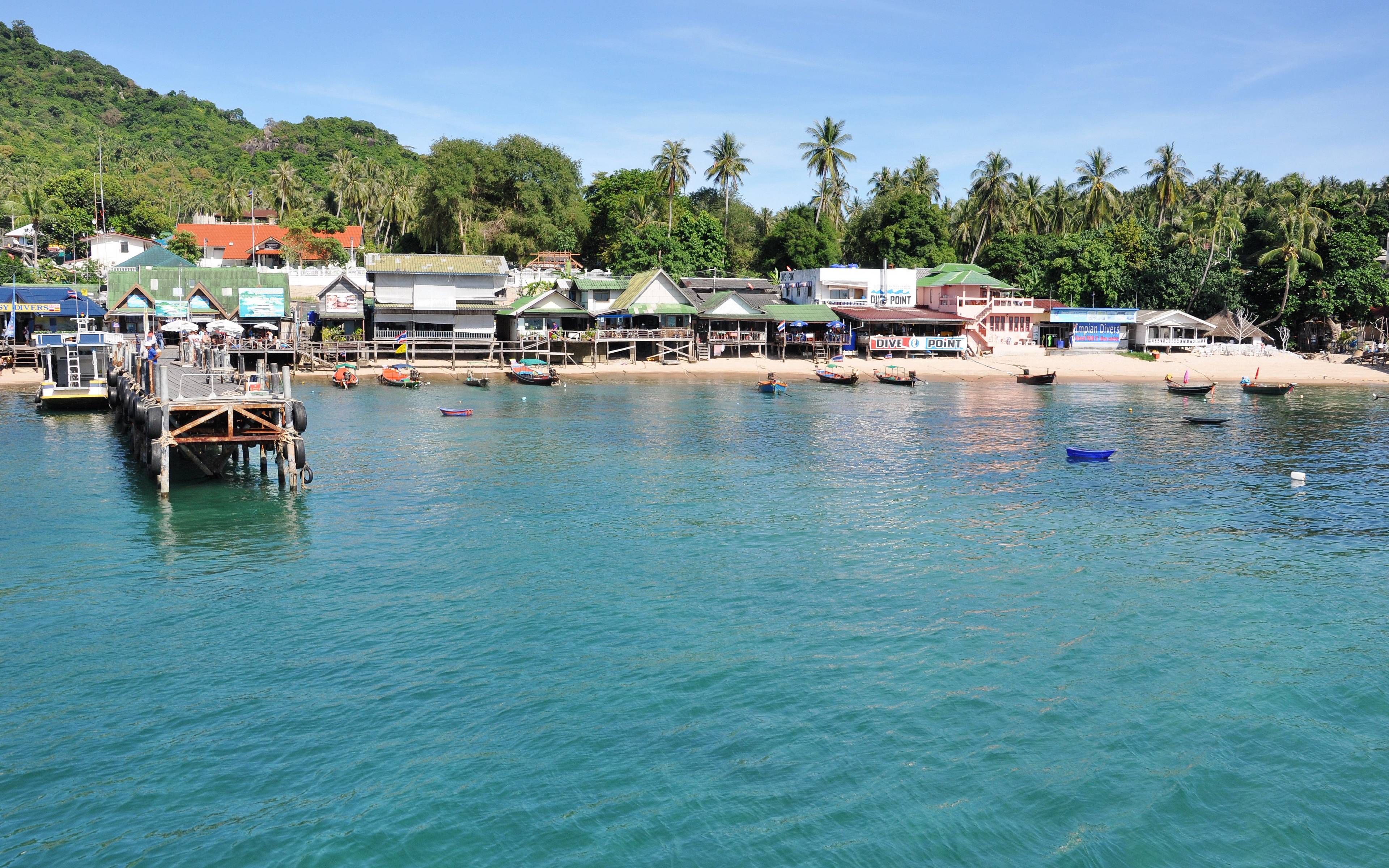
By 5 a.m., Pak Nam Chumphon harbor is already in motion. Colorful fishing boats return loaded with squid, flying fish, and sometimes blue crabs still wriggling in their baskets. The mood is lively but cheerful: people bargain, sort the catch by hand, and exchange smiles. The first rays of sunlight give the sea a pearly shimmer. A few steps away, small canteens serve sticky rice with grilled fish and spicy sauce. It’s a vivid wake-up call, right at the heart of local life.
Add Chumphon to a tailor-made trip through Thailand
With Evaneos, you can travel with peace of mind: from the start, you’ll be connected with a local, English-speaking travel expert based in Thailand. This specialist lives in the country, takes the time to understand what you’re looking for, and designs a tailored itinerary with every detail carefully considered.
Want to include a stop in Chumphon to explore its hidden beaches or dive into its crystal-clear waters? You can. And that’s just the beginning. Thanks to your local expert’s deep knowledge of the region, your trip becomes unique, meaningful, and fully tailored to your travel style.