



What to see and do in the Golden Triangle
1. Set out on the Mekong at Sop Ruak, where three countries meet
The best way to start exploring the Golden Triangle is from the water, right where the Mekong and Ruak rivers meet. Set off at daybreak in a long-tail boat, as mist blankets the riverbanks and the engines hum softly. Drifting with the current, you pass small hamlets, freshwater fishermen, and temples just visible in the distance. With a local guide, you’ll learn about the history of this borderland and the lives of the people who share it, where Laos, Myanmar, and Thailand meet.
2. Explore Chiang Saen, an ancient city on the Mekong
Chiang Saen is the historic gateway to the Golden Triangle, set along the Mekong River and surrounded by hills. As you walk among the old ramparts, rice fields, brick stupas, and frangipani trees, you’re surrounded by centuries of Lanna culture. Visit the Buddhist temple Wat Phra That Chedi Luang, a fascinating archaeological site, then wander through narrow lanes where the smell of sticky rice and roasted coffee drifts from local homes. At the end of the day, when the Mekong turns copper in the light, it’s the perfect time for a bike ride.
3. Visit the Hall of Opium and understand its role in the Golden Triangle
The Hall of Opium is a meaningful and educational stop that helps put the region into context. Rather than sensationalizing the subject, this museum traces the history of poppy cultivation, trade routes, addiction, wars, and medical uses. The exhibits are immersive, sometimes striking, but always thoughtfully presented. You leave with a deeper understanding of the Golden Triangle and its history, as well as the mountain communities who live here.
4. Climb to Wat Phra That Doi Wao, a viewpoint over Mae Sai
For the best view of the border, climb to Wat Phra That Doi Wao, perched above Mae Sai. On the way up, you’ll hear small bells, smell incense, and pass naga guardians (Buddhist protectors often depicted as many-headed serpents) and the symbolic giant scorpion statue. From the terrace, the city spreads out below, with Myanmar in the distance. In the late afternoon, the light turns the temple roofs golden as worshippers begin their evening prayers, almost in a whisper.
5. Wander through Mae Sai’s border market
Mae Sai’s market, on the Myanmar border, is full of everyday life, bargaining, color, and street food. Come here to soak up the atmosphere and watch locals go about their day. Try charcoal-grilled skewers, lahpet, a fermented tea leaf salad inspired by Myanmar tradition, and tangy fruits sprinkled with chili. Stalls overflow with fabrics, herbs, and tea, making the market feel like a journey in itself.
6. Hike through the hills to Akha and Lahu villages
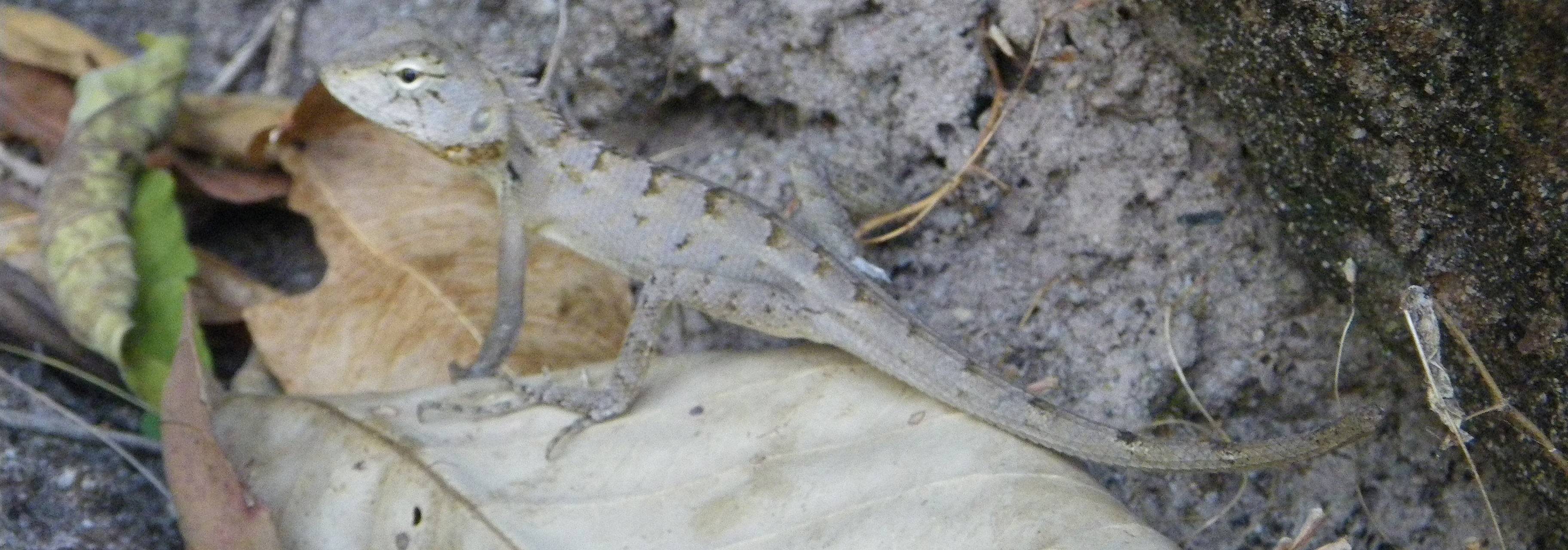
One of the Golden Triangle’s most genuine experiences is best enjoyed on foot, in the hills around Chiang Rai. Gentle trails lead through rice fields and bamboo groves, with geckos calling nearby and the scent of damp earth in the air. Choose a hike organized by a local agency that knows the area’s most authentic villages and communities. Over a simple meal, you’ll learn about medicinal plants and listen closely to the stories shared by local residents.
7. Paddle on Chiang Saen Lake, a hidden alternative to the river
Chiang Saen Lake is a quiet, wonderfully peaceful bird sanctuary. In a kayak or small boat, you glide across smooth water edged with reeds, as birds suddenly skim the surface. In the morning, the light is soft and milky, the sounds are crisp, and you may pass fishermen lifting their traps. It’s a perfect outing for families who want to get out on the water, far from the crowds.
8. Taste tea on the fragrant slopes of Doi Mae Salong
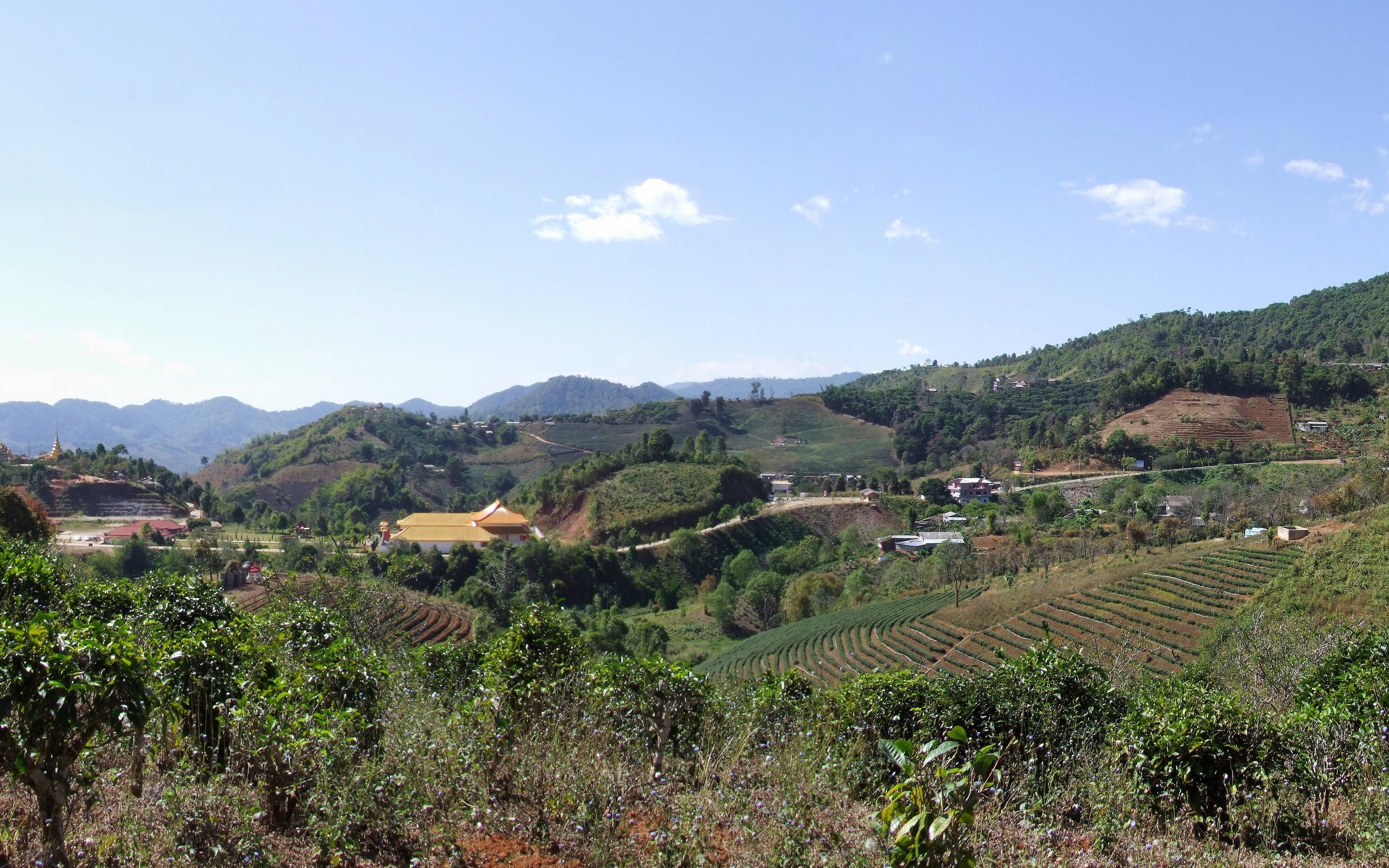
Doi Mae Salong brings together cool mountain air and tea culture, with plantations rolling across the landscape in green waves. You get there on zigzagging mountain roads, and once at the top, the air feels lighter, almost minty. Stop at a tea house to taste local oolong and savor its floral notes. At daybreak, the hills glow in layers of light as tea pickers move between the rows.
9. Follow the Lanna temple route around Chiang Rai
There’s more to the Golden Triangle’s temples than its most famous sites, and the lesser-known ones are often the most magical. Around Chiang Rai, pair an iconic temple such as Wat Rong Khun, the White Temple, with more authentic, crowd-free places recommended by a local expert, from countryside monasteries to ancient chedis (Thai stupas) hidden among the trees.
Add the Golden Triangle to your tailor-made Thailand trip
With Evaneos, you’ll plan your trip directly with a local, English-speaking expert based in Thailand. They know the roads of northern Thailand, the seasons, the most authentic stops, and the small details that matter: a lively market at sunrise, a peaceful temple, or a family-run restaurant far from the crowds.
Want to spend time in the Golden Triangle, between the Mekong, the hills, and the rice fields? Your local expert will design a tailor-made itinerary, from northern Thailand to the southern islands, with stops in Chiang Mai, Bangkok, or the national parks, at the right pace and with experiences shaped around what you love.