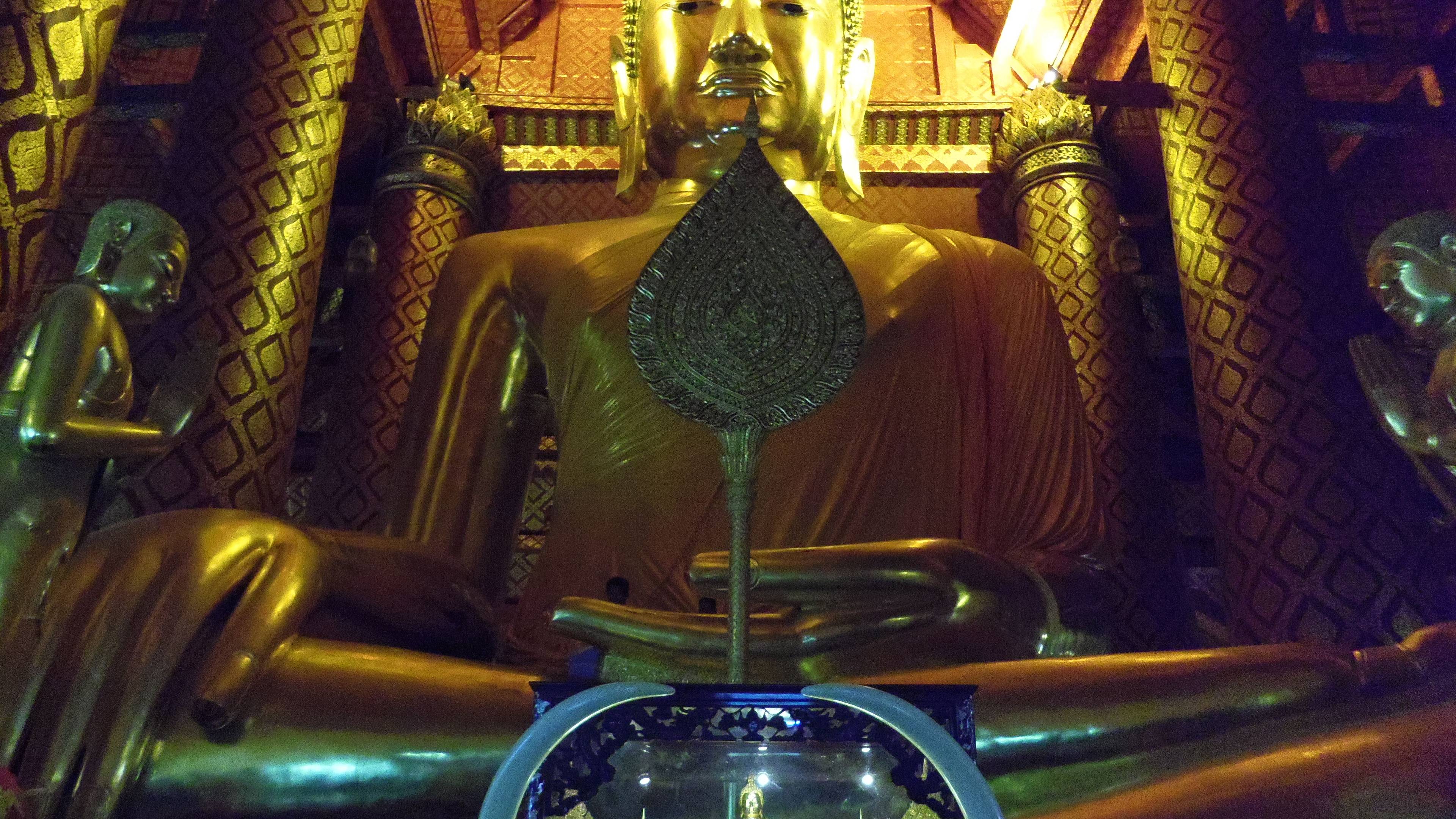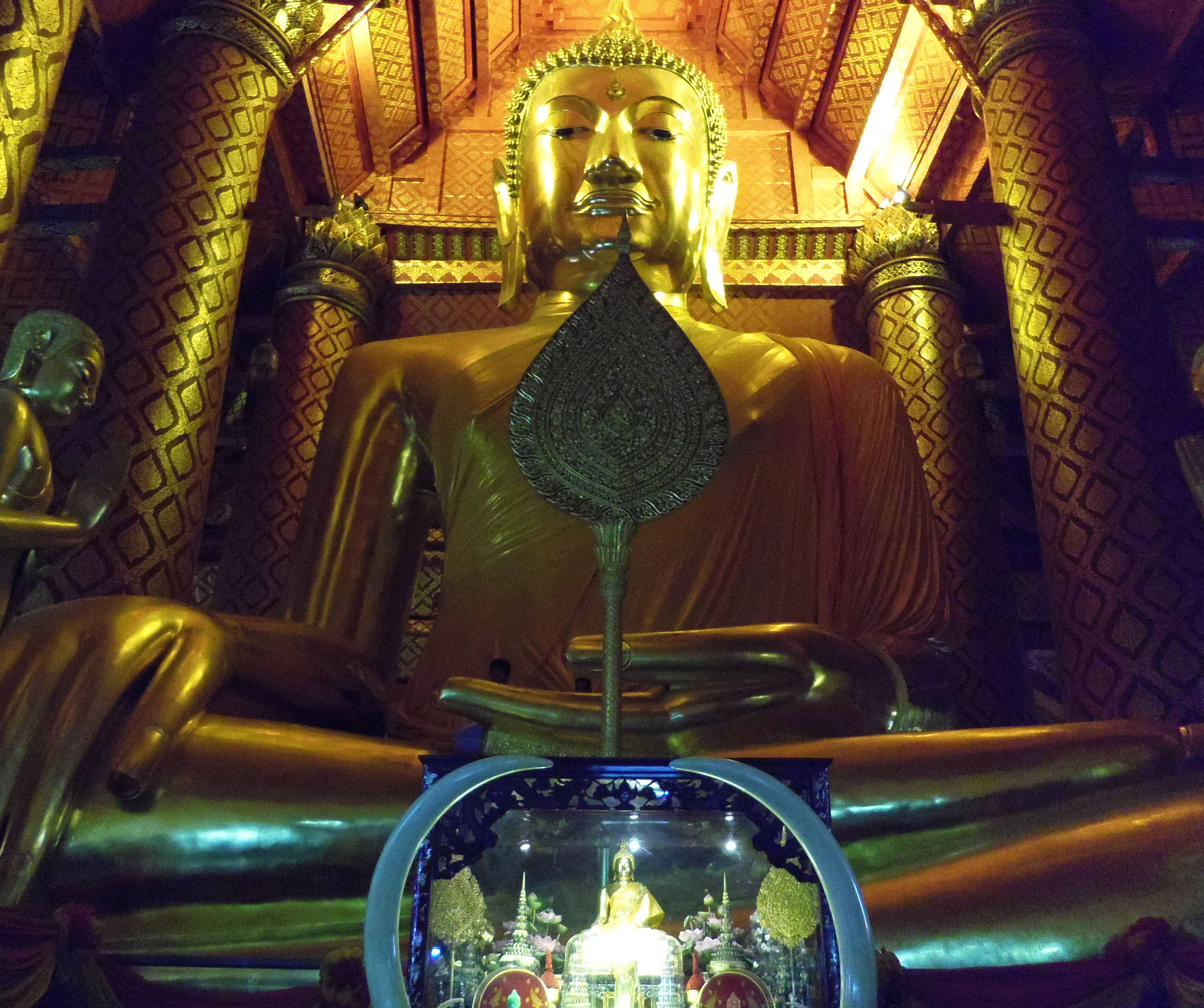
The Wat Phanan Choeng Buddha in Ayutthaya

Ayutthaya Vacations

4.3
3 reviews
Amid brick ruins, giant Buddhas, and life along the river, history comes alive.

Visit Ayutthaya

Ayutthaya, Thailand, is a nice break from Bangkok, less than two hours by road, and traces the story of an ancient kingdom. Here, red-brick towers rise among plumeria trees, Buddha heads appear between tangled roots, and bicycle bells ring as riders move from one temple to the next. Across the UNESCO-listed ruins, the light shifts quickly, especially along the canals and the Chao Phraya River. Ayutthaya is best explored slowly, the kind of place that makes you want to spend the whole day, then come back again.

  • Nature, Adventure & Sport
  • River
  • Essential

Ayutthaya: How to get there?

Ayutthaya is located in central Thailand, about 50 miles north of Bangkok. From Bangkok, the easiest way to get there is by train, a one-hour ride from Krung Thep Aphiwat Central Terminal, formerly Bang Sue Grand Station.

Ayutthaya: When to go?

Visit Ayutthaya from November to February for dry weather and pleasantly warm temperatures, though you’ll see more crowds. From March to May, the heat rises fast and the streets empty out. From June to October, expect frequent showers. The best time to explore is early in the morning or late in the afternoon.

Ayutthaya: For how long?

Set aside a full day for Ayutthaya, ideally with an overnight stay, so you can explore the temples by bike without feeling rushed.

Learn more about your destination

Ayutthaya, a little history

An hour and a half north of Bangkok, Ayutthaya tells the story of a kingdom that was once the beating heart of Thailand. Founded in 1350, the city became the capital of Siam and a lively crossroads set between three rivers. Rice, spices, and textiles were traded here. Countless languages filled the streets, and merchants arrived from across Asia and Europe. In the temples, incense drifted through the air, bells rang softly, and Buddhas watched over the city beneath pointed roofs.

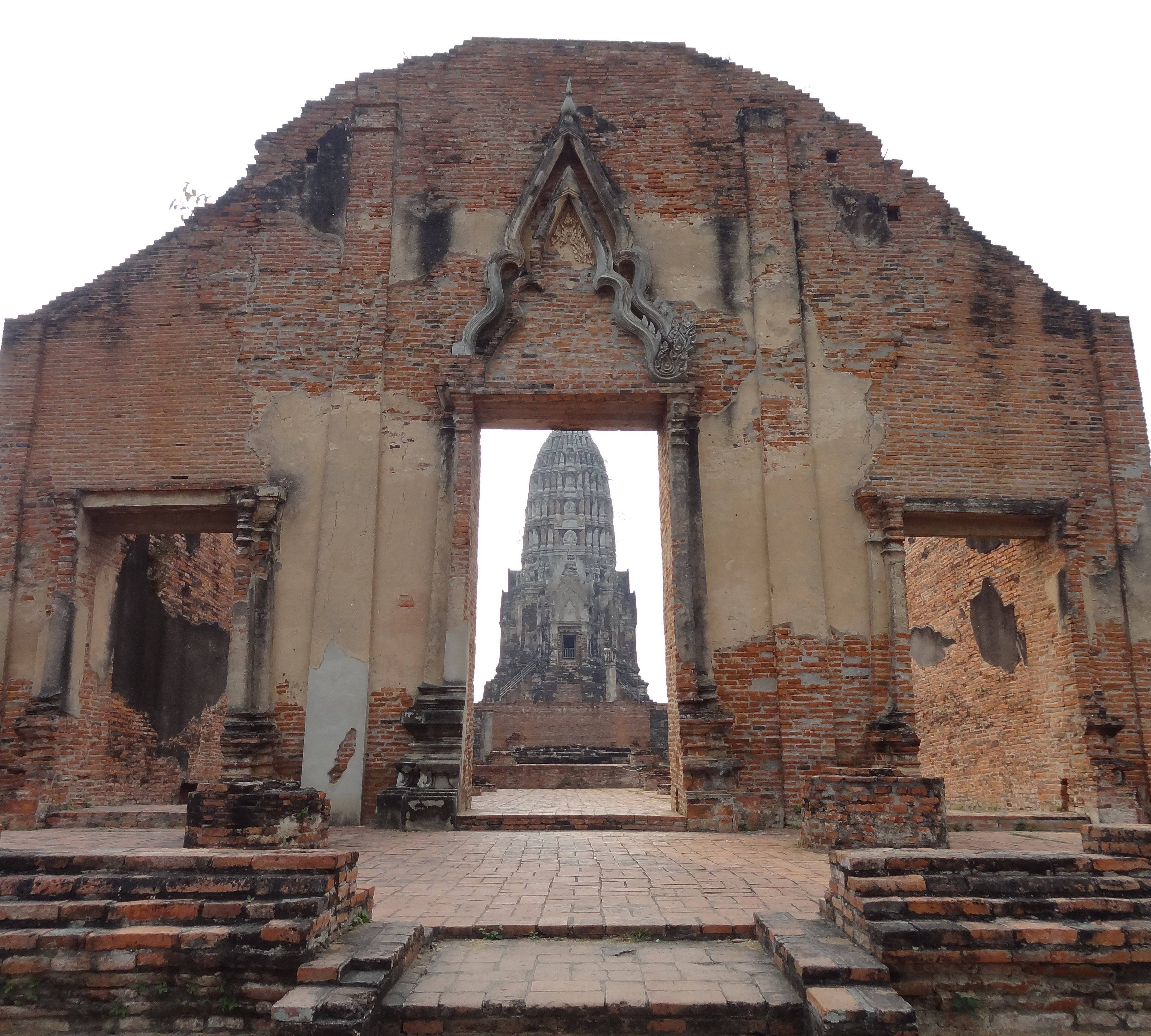
Then came 1767, the year everything changed. The Burmese army sacked Ayutthaya, and the capital was abandoned. What you explore today are powerful ruins, red brick and blackened stone, traces of a vanished grandeur that has never been forgotten.

What to see in Ayutthaya?

Ayutthaya, the former capital of Siam set between three rivers, feels like an open-air history book, with golden light catching on the brick, the scent of incense near the shrines, and birdsong in the plumeria trees. Here’s what to see and do in Ayutthaya to truly take in its beauty, without reducing it to a quick day trip from Bangkok.

Explore the historical park and its major temples

The most striking experience is wandering through the UNESCO-listed ruins at an easy pace, ideally early in the morning when the heat is still gentle and the stupas rise out of the mist. Start with Wat Mahathat and its famous Buddha head wrapped in tree roots, then continue to nearby Wat Ratchaburana, where you can still imagine the shimmer of ancient royal treasures.

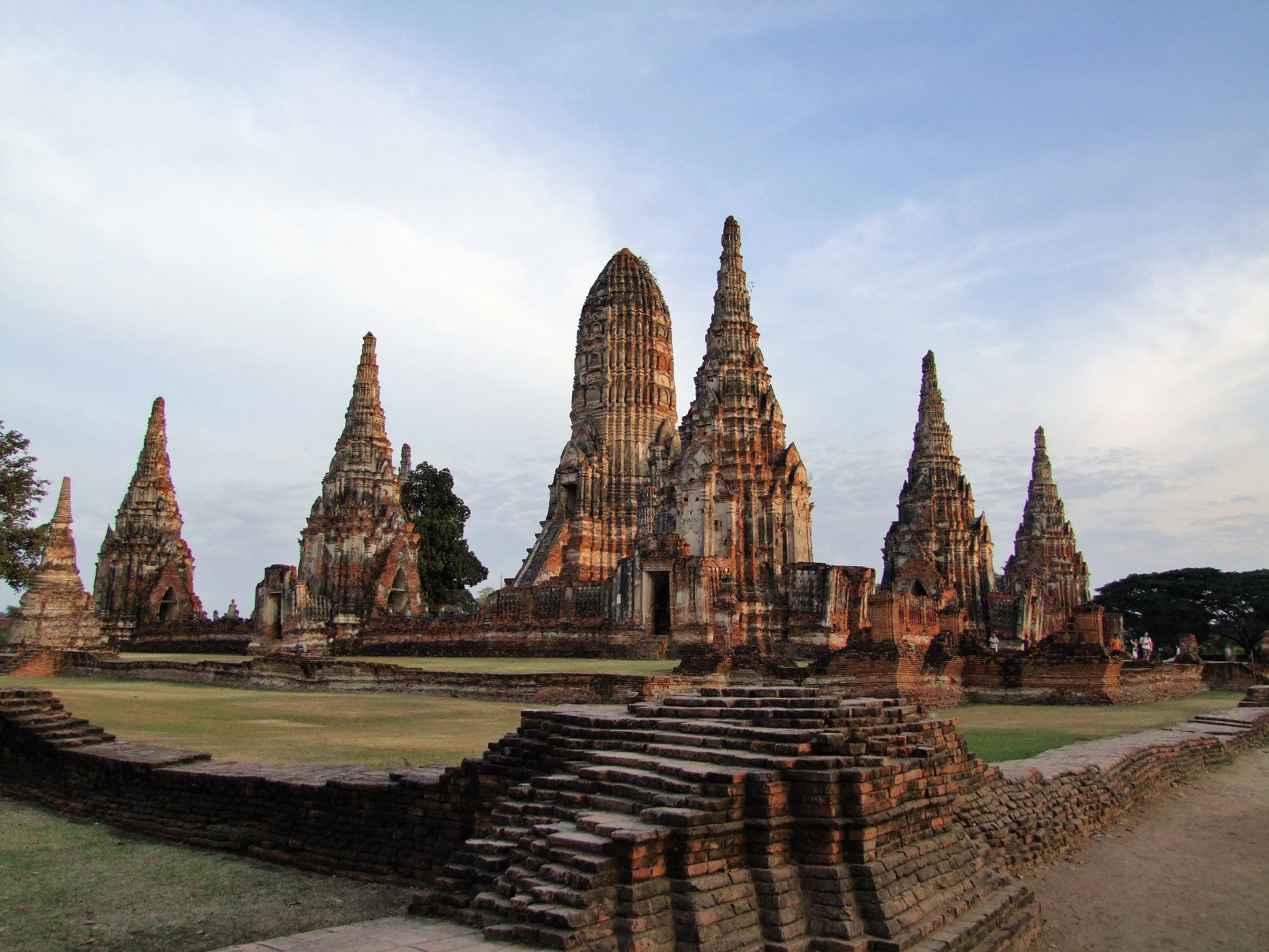
Continue to Wat Phra Si Sanphet, the ceremonial heart of the old city, and save Wat Chaiwatthanaram for late afternoon, when the sun grazes the chedis and the red brick turns coppery. A local guide makes all the difference, sharing stories of battles, river trade, and rituals, while knowing exactly where to be at the right moment.

See the great reclining Buddha at Wat Lokayasutharam

The image that stays with you is the reclining Buddha of Wat Lokayasutharam, 138 feet long, serene, and draped in saffron cloth that moves gently in the wind. The temple that once sheltered it collapsed long ago. Only the Buddha remains, set among the foundations, slightly away from the classic route. You arrive, look up, and everything slows down.

Take time to watch the gestures of worshippers, the lotus flowers being placed, the soft murmur of prayers. Every year in April, people even come to offer the Buddha a new robe. It’s a short stop, but it adds a more intimate depth to the visit, far from the idea of simply checking temples off a list.

Bike around Ayutthaya Island like a local

Biking is still the best way to connect the sites without wearing yourself out, along the small shaded roads of the historic island. Between temples, you pass quiet neighborhoods, wooden houses tucked along the canals, and small stalls where chicken skewers sizzle while someone hands you an iced coffee, strong and just right.

By bike, Ayutthaya feels less like a monument and more like a living place. Ride during the cooler hours, keep water within reach, and most importantly, give yourself permission to stop for no reason at all: a neighborhood market waking up, a monk silently sweeping his courtyard, or a canal where a few boats glide by.

Take a sunset cruise on the rivers

Ayutthaya is also best understood from the water, because the city was born from the river. In the late afternoon, board a small boat for a cruise: the breeze feels welcome, the riverbanks drift past, and the silhouettes of prangs reflect in the slow-moving current.

It’s a lovely moment for families or couples, especially if you choose a quiet boat rather than a noisy long-tail boat. You see the city breathe, fishermen heading home, lights switching on near the temples. History takes on a different texture.

Try local street food, from roti sai mai to boat noodles

To understand Ayutthaya, you also have to taste it, and the local star is roti sai mai: a thin crepe rolled around colorful strands of spun sugar, crisp and light. Local legend says a man named Bang Pia spent years mastering the art of stretching these sugar threads until they were as fine as silk. Buy it from a simple stall and eat it with your fingers, just know it gets a little sticky.

Add a bowl of fragrant, intensely flavored boat noodles served steaming hot, plus a few tropical fruits from the market. A local expert can point you toward the right spots, the places that cook for residents, not for rushed crowds.

Another way to discover Ayutthaya?

To see Ayutthaya differently, head to the temples at sunrise. Before the heat sets in, mist floats over the moats, bells ring in the distance, and the orange bricks of Wat Phra Si Sanphet take on a soft, almost intimate glow. Another idea: set out by boat around the old city island at sunset, when the chedis stretch into long shadows on the water. Local experts know what time to leave, which piers to choose, and which quiet stops add that subtle sense of exclusivity.

Our tips for visiting Ayutthaya

  • Arrive early: at dawn, the prangs’ bricks blush pink, there are fewer tour buses, and the air is softer. Our local agencies recommend starting with Wat Mahathat and its Buddha head wrapped in tree roots.
  • Get around by bike or tuk-tuk: the temple loop is easy to do by bike, with market stops for a fresh coconut. If you’re traveling as a family, hiring a tuk-tuk by the hour helps you avoid getting worn out.
  • Dress and behave respectfully: cover your shoulders and knees, wear shoes that are easy to remove, and keep your voice low in the sanctuaries. Don’t climb on the ruins, they are fragile and sacred, and local people care deeply about them.
  • Make a stop beyond the classics: visit Wat Phu Khao Thong for the view, then have dinner along the Chao Phraya River. Our local experts can point you to simple, very fresh restaurants far from generic visitor menus.
  • Choose the right time: from November to February, visiting is more comfortable. Avoid the middle of the day, favor late afternoon, and consider returning by train, a gentler, lower-carbon option than traveling by car.

Ayutthaya: our tours

Ayutthaya: practical information for travel

Visiting Ayutthaya usually costs between 300 and 500 baht, about $8 to $14, per person for a full day. Entry to the historical park is free, but each major temple, such as Wat Mahathat, Wat Phra Si Sanphet, and Wat Chaiwatthanaram, charges around 50 baht. A combined 220-baht pass covers six must-see sites. Add a bike rental, about 50 baht per day, and all that’s left is deciding which of the thirty-three kings most deserved your entrance fee.

Ayutthaya’s temples are generally open daily from 8 a.m. to 6 p.m. Paid sites like Wat Mahathat and Wat Phra Si Sanphet sometimes close a little earlier, around 5 p.m. Free places, such as the reclining Buddha at Wat Lokayasutharam, remain accessible at any time, ideal for a sunrise visit with no schedule pressure and no line.

Here are three nearby ideas to extend your stop in Ayutthaya without losing time in transit:

  • Bang Pa-In: a summer palace by the water, with neatly kept gardens and Thai, Chinese, and colonial-style pavilions, especially lovely early in the morning.
  • Ko Kret: a peaceful island on the Chao Phraya River, with car-free lanes, Mon pottery, and street food to snack on between temple visits.
  • Bang Sai Arts and Crafts Center: a village of wooden stilt houses set around a fish pond, where potters, weavers, and glassblowers work right in front of you, without putting on a show.

Our local Evaneos experts can fine-tune the itinerary to match what you’re looking for, and open the door to Ang Thong, Suphan Buri, or quiet rice fields around Saraburi.

Ayutthaya: What to see in the surroundings?

What our travelers think about their stay
Thailand: our articles for your vacation