

Must-sees and hidden gems: what to see and do in the Eastfjords?
1. Follow the roads to discover the fjords
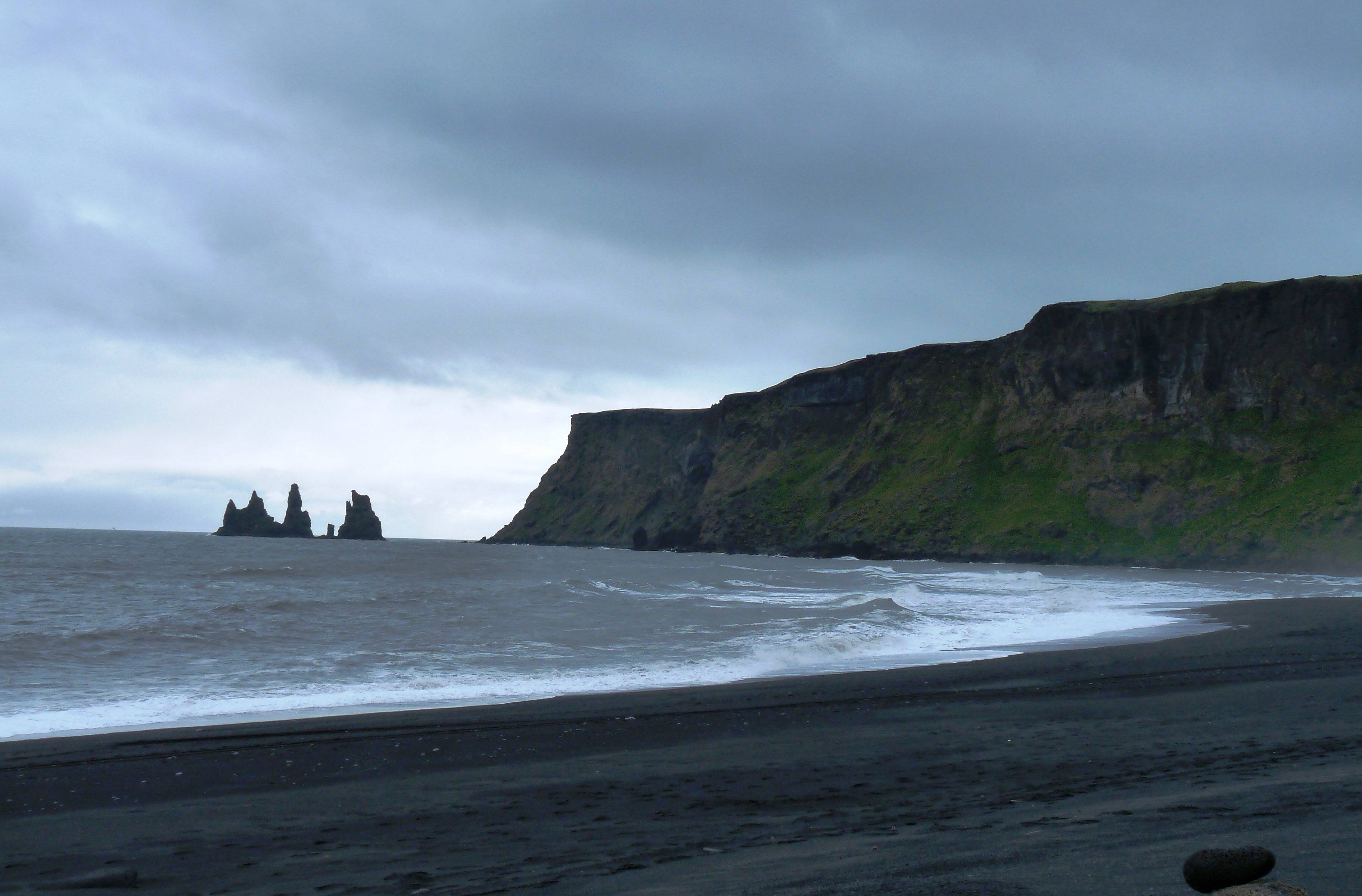
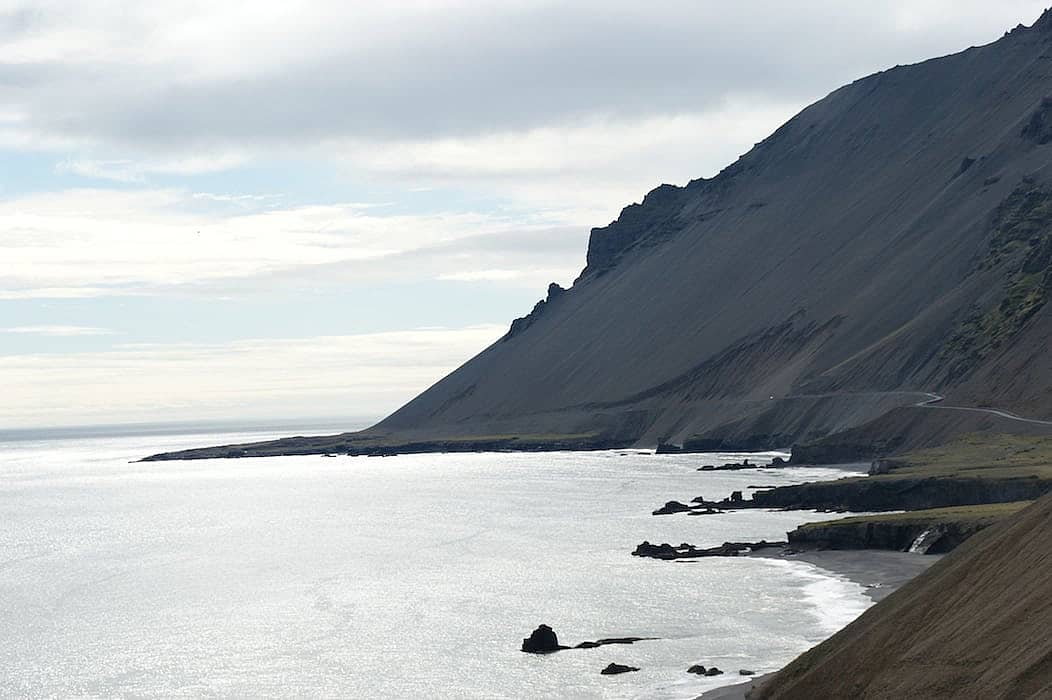
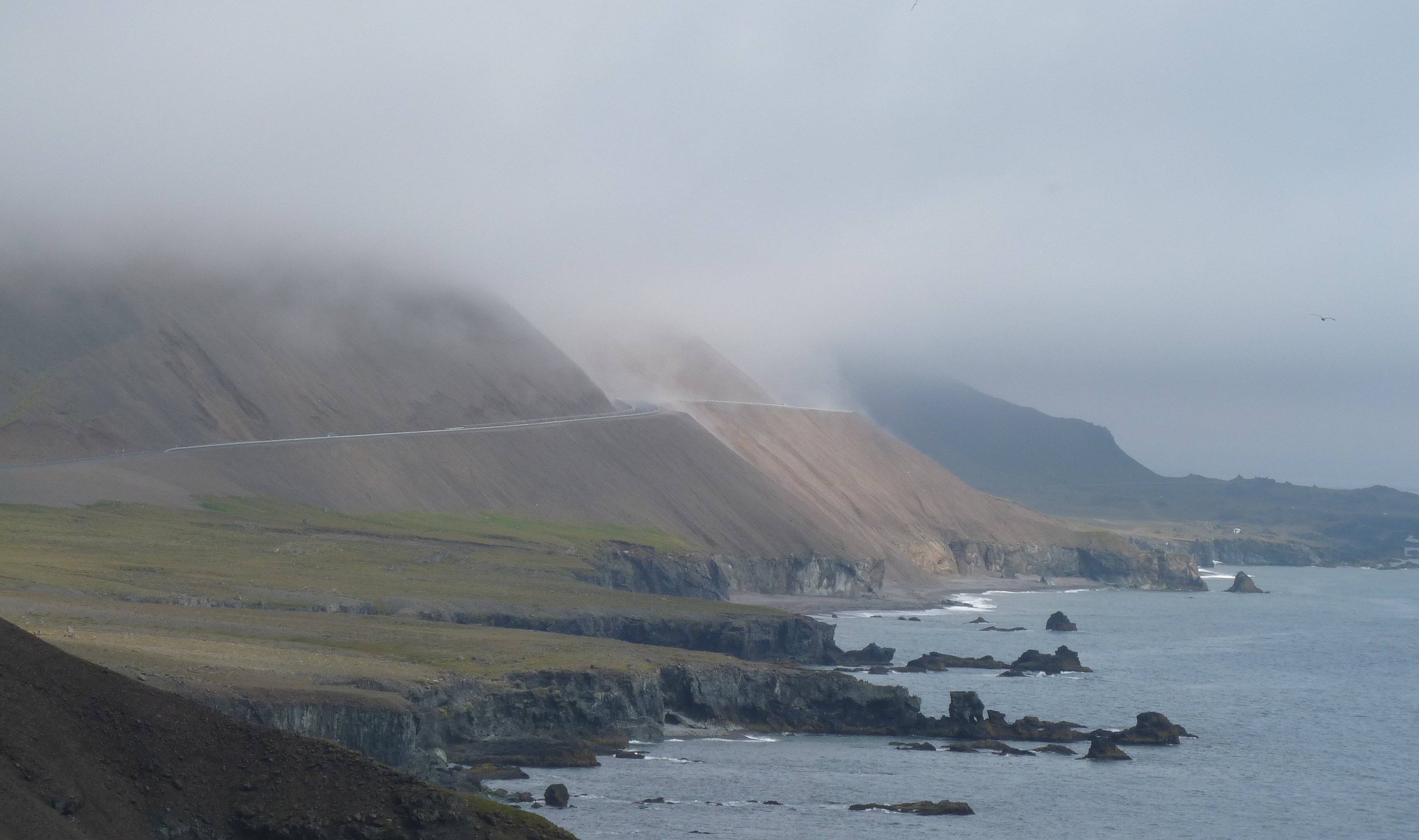
Here, the road becomes an invitation, a ribbon of asphalt tracing deep fjords between dark cliffs and gleaming pebble beaches. Driving through the East, give yourself permission to stop every six miles or so, just to listen to the water lapping and the cry of the terns. Take your time at small roadside overlooks, when low light makes the moss shine on the rocks. Outside of summer, you’ll often have the road to yourself.
2. Wander on foot through Seyðisfjörður, the postcard-perfect village
Seyðisfjörður feels like a living postcard, tucked at the end of a narrow fjord, with colorful wooden houses and the smell of coffee drifting from open doors. Stroll to the blue church at the end of the rainbow street, then follow the river upstream, where waterfalls tumble between birch trees. In the evening, the harbor grows quiet, almost intimate. It’s an ideal home base for exploring the area without rushing.
3. Hike to Hengifoss waterfall and its red layers
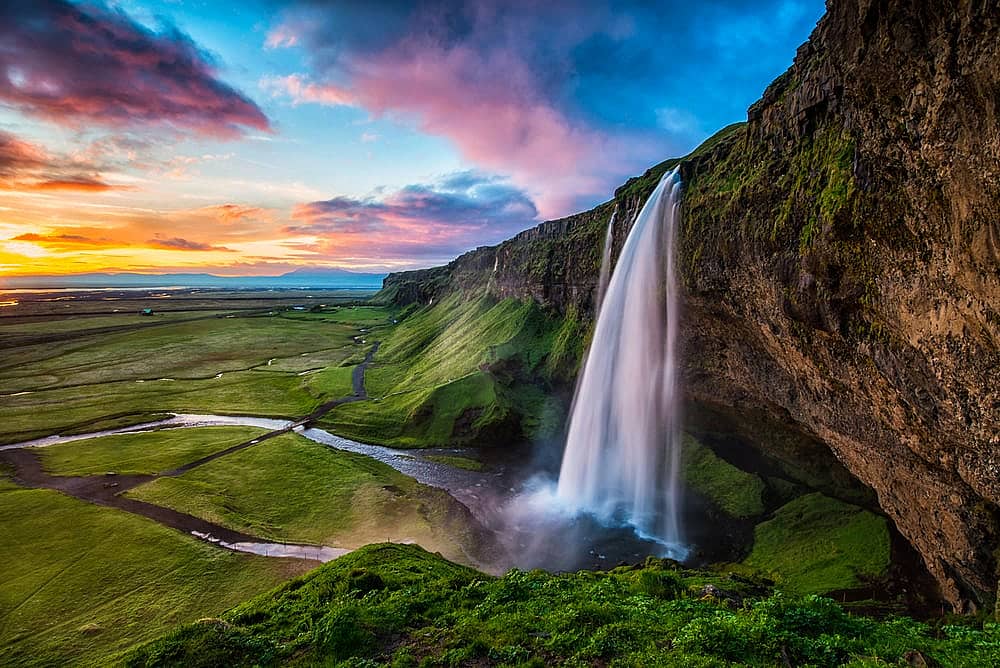
Hengifoss is striking for its bands of basalt and red clay, like a life-size cross-section of the earth. The trail climbs above Lake Lagarfljót, with views opening up as you go, short of breath, the cool air on your skin. Along the way, don’t miss Litlanesfoss and its basalt columns, a natural amphitheater. On a clear day, pack a picnic, the light lingers beautifully on the cliff face.
4. Watch puffins at Borgarfjörður Eystri, without the crowds
This is one of the best places in Iceland to see puffins up close, from a discreet viewing platform at the foot of a rocky slope. In summer, you’ll hear their soft little grunts before you even spot them, black-and-white silhouettes with bright orange beaks that look painted on. The fjord is also a dream for walks, with coastal trails and a remote, end-of-the-world atmosphere. Arrive early or stay late for softer light and a calmer experience.
5. Explore Stórurð, a boulder field in unreal colors
Stórurð is the kind of secret locals like to keep to themselves, a valley scattered with enormous rocks, as if tossed there by a giant. The hike, starting in the Borgarfjörður Eystri area, crosses grassy slopes and icy streams, before turquoise pools, electric-green moss, and rounded, striped stones suddenly appear. The weather changes fast, so bring layers. Reaching it feels like the end of a small expedition.
6. Follow the cliffs and beaches of Stokksnes to the lighthouse
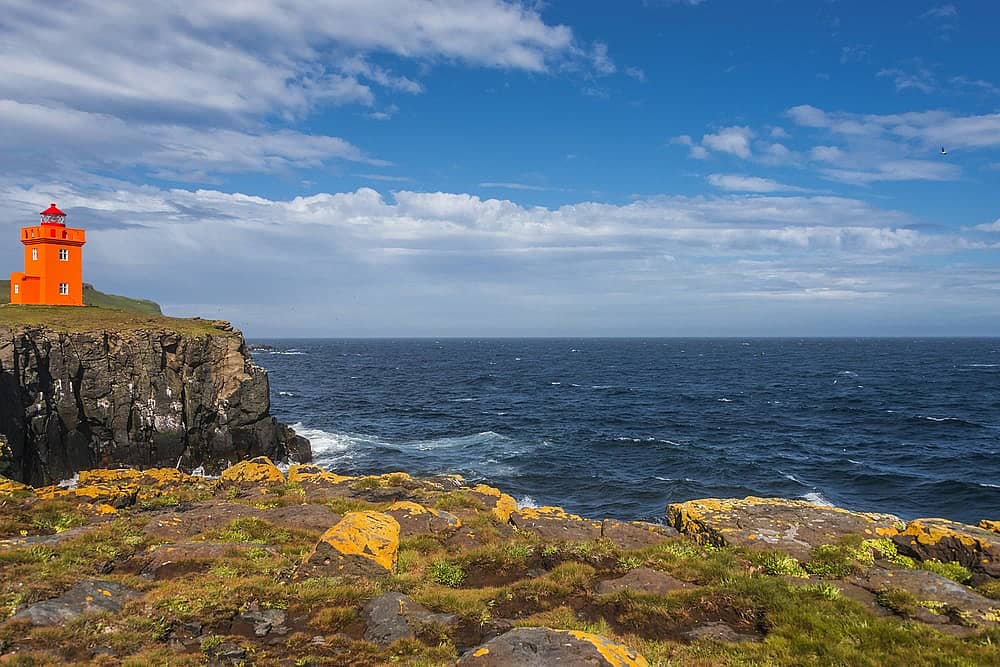
Stokksnes offers a raw face-to-face encounter with the Atlantic, its black sand and dunes giving way to low grasses and, in the distance, the jagged mass of Vestrahorn. Walk to the lighthouse with the wind whistling through your hood and sand brushing against your calves. On a clear day, reflections in the shallow pools create a perfect mirror, great for photos, but even better for the thrill of feeling tiny in the landscape. Stay on the marked trails, the dunes are fragile.
7. Slow down in Djúpivogur, a peaceful harbor with outdoor art
Djúpivogur is a slow, easy pause, a small harbor where you come to breathe, watch the boats, and follow the light across the bay. Don’t miss Eggin í Gleðivík, an outdoor installation of stone “eggs” set along the shore, each dedicated to a local bird. You can explore the village on a simple walk, then linger over hot soup or the catch of the day, listening to local stories. It’s perfect for a stop that doesn’t add unnecessary miles.
8. Look for reindeer at dusk on the eastern highlands
Reindeer roam freely here, an unexpected legacy of Icelandic history, and the East is their territory. To improve your chances, drive slowly in the late afternoon on secondary roads between Egilsstaðir, Reyðarfjörður, and the highlands, when the light turns golden and silhouettes stand out against the horizon. Keep your distance, turn off the engine if you stop, and watch in silence. It’s a simple, almost solemn moment that stays with you.
9. Soak in a local hot pool, far from the crowded hotspots
Ending the day in naturally warm water changes everything, especially when the air is sharp and the mountains turn blue. In the East, choose geothermal pools in small towns, such as the one in Reyðarfjörður, where you’ll share an everyday Icelandic ritual with locals, moving between pools at different temperatures and light clouds of steam. It’s simple, social, and deeply rooted in local life. Showering beforehand is required, and take your time, that’s the real luxury. For something a little different, try the Vök Baths in Egilsstaðir.
Add the Eastfjords to your tailor-made trip to Iceland
With Evaneos, you’ll work directly with a local, English-speaking expert based in Iceland. They know the roads worth earning, the welcoming places to warm up, and the best times to enjoy each site without the crowds. You save time while keeping plenty of freedom once you’re there.
Together, you’ll design a tailor-made trip with a stop in the Eastfjords, between fishing villages and scenic roads, then continue elsewhere on the island depending on what you love. Pace, accommodations, and activities are all shaped around the way you travel.