
Dyrhólaey Vacations

5
1 review
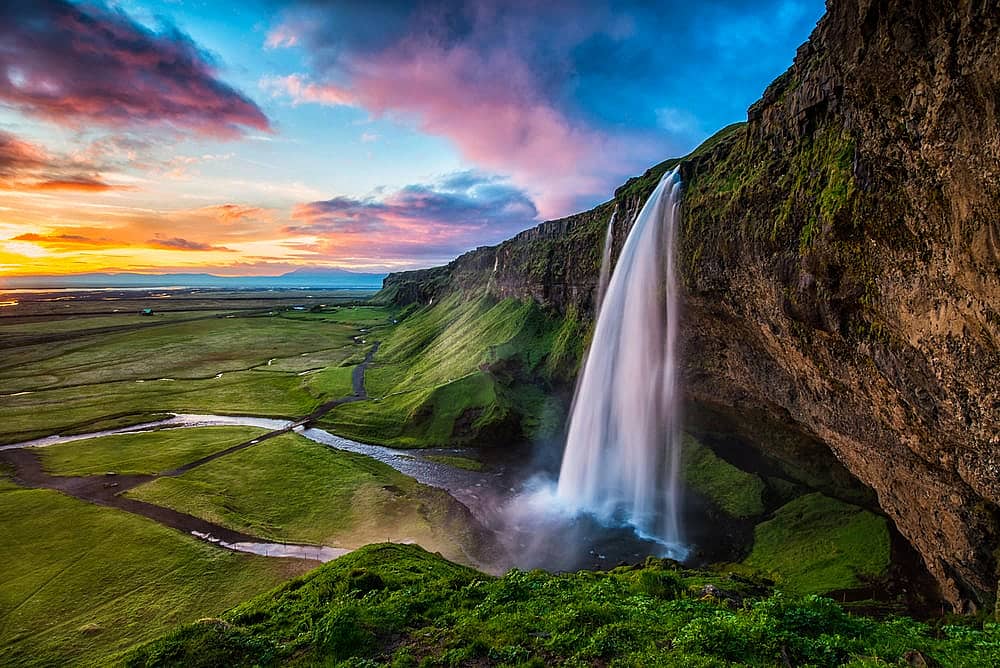
Off this windswept headland, a massive stone arch rises from the water.

Visit Dyrhólaey

On a trip to southern Iceland, a stop at Dyrhólaey is a must. This volcanic peninsula, shaped by the Atlantic, offers spectacular views of Reynisfjara’s black-sand beaches, sheer cliffs and the natural arch rising proudly above the waves. Up here, the wind whistles in your ears, puffins nest among the rocks, and the horizon stretches endlessly ahead. Dyrhólaey captures that raw blend of land, sea and sky that defines Iceland. Want to know when to go, what not to miss, and how to get there? Here’s everything you need to know before you go.

  • Nature, Adventure & Sport

Dyrhólaey: How to get there?

Dyrhólaey is located on Iceland’s south coast, about 112 miles from Reykjavik, near the village of Vík, facing the Atlantic Ocean and its volcanic beaches.

Dyrhólaey: When to go?

The best time to visit Dyrhólaey is from May to September, when the weather is milder, access is easier and puffins are around. Choose June or September if you’d rather avoid the crowds.

Dyrhólaey: For how long?

Set aside half a day to explore Dyrhólaey, its cliffs and lighthouse, and take in the sweeping views of the South Coast.

Learn more about your destination

What to see and do in Dyrhólaey

1. Take in the views from the promontory

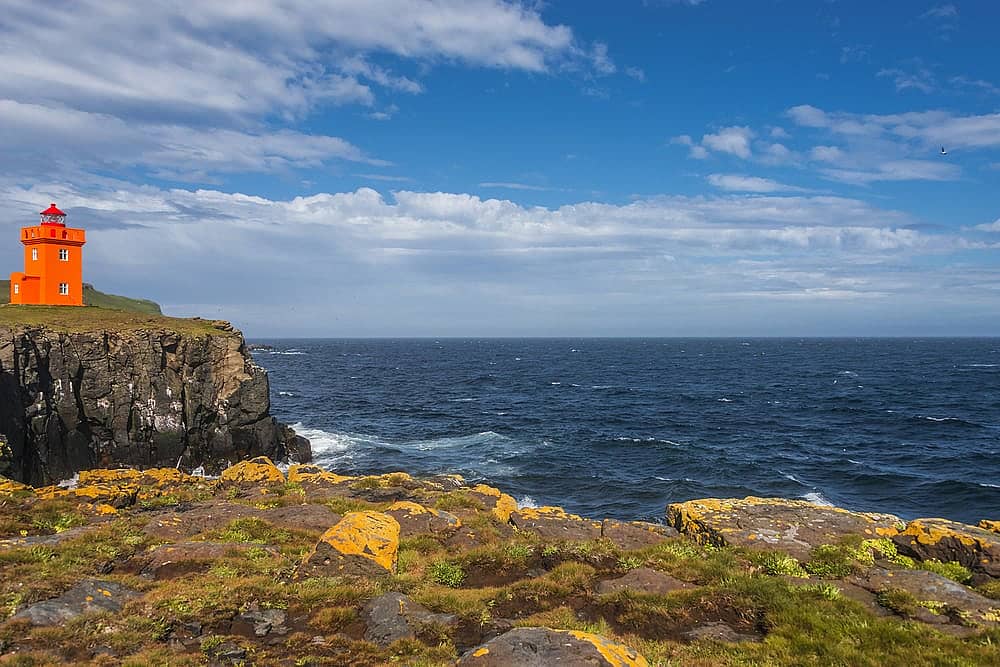
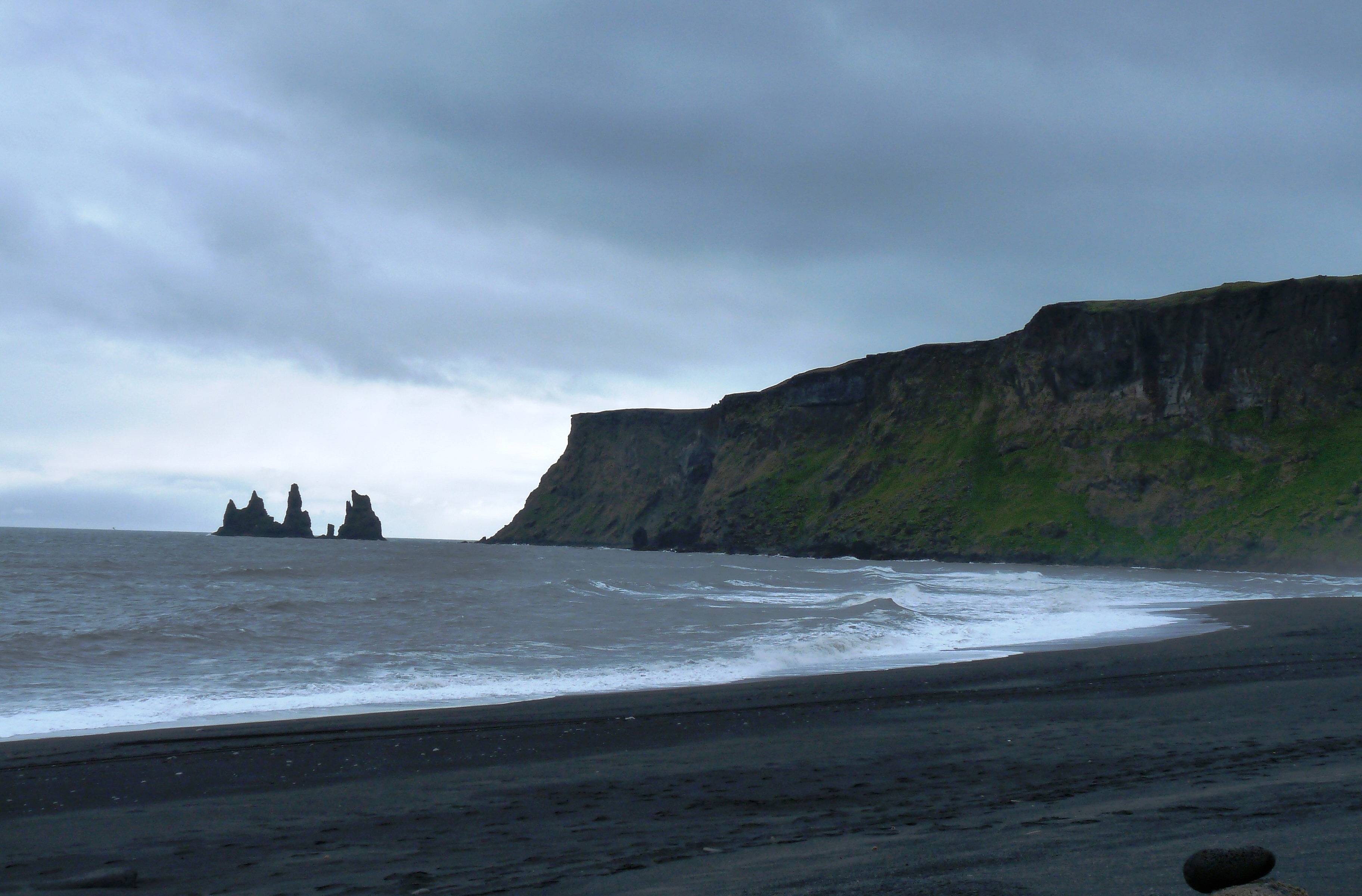
This is one of the most spectacular viewpoints on Iceland’s entire south coast. From the top of Dyrhólaey, cliffs drop sharply into the Atlantic, black-sand beaches stretch as far as the eye can see, and on a clear day, you can spot Mýrdalsjökull glacier on one side and the Reynisdrangar sea stacks on the other. The contrast between dark volcanic rock, white sea foam, and the green sweep of Icelandic moorland is breathtaking.

Pause for a moment near the old white lighthouse. Let the gusts whip across your face and breathe in the salty, spray-filled air. Here, nature feels raw, majestic, almost defiant. No wonder Dyrhólaey is a symbol of South Iceland.

2. Watch puffins in summer

From May to August, Dyrhólaey becomes a small paradise for birdwatchers and wildlife lovers. Hundreds of Atlantic puffins come here to nest, using the cliffs as their launch point. With their colorful beaks and slightly clumsy charm, these birds are an Icelandic icon, and seeing them up close in their natural habitat feels like time standing still.

Take your time walking the trails quietly and gently so you don’t disturb them. You may see them pop out of their burrows, dive off the cliffs, or return with fish in their beaks. It’s a fun, magical experience that kids love and even grown ups can’t help but smile.

3. Admire the Dyrhólaey lava arch

This is the site’s signature landmark. A colossal stone arch, carved by the waves out at sea, that daring pilots even flew through in small planes once. This natural monument gives Dyrhólaey its name, which literally means “the island with the door.” Standing face-to-face with the wind, you feel the force of the ocean.

Carefully approach the edge to watch the waves crash thunderously against the hardened lava. Sometimes, a ray of sunlight breaks through the clouds and lights up the arch like a jewel. It’s a sight you won’t soon forget.

4. Walk down to Dyrhólaey Beach

At low tide, it may be possible to walk down to the beach on the west side, at the foot of the cliffs. Be aware that access is restricted depending on the season and weather conditions, and these safety rules must be respected. If conditions are right, you’ll likely have this vast black-sand beach almost to yourself.

It’s a raw, almost otherworldly place. Smooth pebbles, a few pieces of driftwood bleached by salt, and the distant call of birds. In some spots, the rock formations look like works of art. Walking here feels like stepping onto another planet.

5. Photograph the striking natural contrasts

Dyrhólaey is a dream setting for anyone who loves photography. Dramatic colors, shifting light, volcanic textures: every minute here brings a new mood and a new shot to capture.

At dawn, the clouds turn shades of pink and orange, while at dusk, the cliffs glow with golden tones. Flocks of birds, the arch in silhouette, and the roaring ocean all make the journey feel timeless. Don’t forget extra batteries, and keep your eyes wide open.

Add Dyrhólaey to a tailor-made trip in Iceland

With Evaneos, you’ll be connected directly with a local, English-speaking travel expert based in Iceland. They know their country inside and out and can share their favorite hidden spots with you, helping design a trip that truly matches your interests.

Want to watch puffins from the cliffs of Dyrhólaey? Hike on a glacier or relax in a hot spring with volcano views? Your local expert will help create a tailor-made itinerary at your pace, with authentic experiences at every stop.
Dyrhólaey: practical information for travel

From Reykjavik, it takes about two and a half hours to reach Dyrhólaey by car. Take Route 1 east toward Vík, then follow the sign for Dyrhólaey just before you reach the village. A 4WD vehicle is recommended to access the upper promontory, even though the road is now paved.

Access to Dyrhólaey is completely free. There is no entrance fee for adults or children. This spectacular promontory in southern Iceland, known for its volcanic cliffs and summer puffins, remains open to all travelers in search of incredible views.

Dyrhólaey is accessible year-round, but access to the promontory is partially closed in May and June to protect nesting puffins. Opening times can vary slightly depending on the weather and the season. It’s best to visit during the day, while there is still natural light.

No, you can’t swim at Dyrhólaey. As tempting as the long black-sand beach may look, with Atlantic waves crashing under the wind, the currents here are extremely powerful and dangerous. This is a place to take in the raw beauty of the scenery, watch puffins along the cliffs, and admire the basalt columns carved by the elements.

At Dyrhólaey, a windswept black basalt promontory on the south coast, Icelandic nature puts on a real aerial show. Here are the species to look for, binoculars in hand:

  • The Atlantic puffin, the undisputed star of the cliffs, easy to recognize by its colorful beak and clumsy walk. It nests here from May to August.
  • Arctic terns, slender and noisy, fly over the heathland before diving sharply for small fish.
  • Northern fulmars, relatives of albatrosses, glide gracefully above the waves.
  • Common eiders rest among the rocks and float calmly on the cold water.

On Dyrhólaey’s windswept peninsula, plants cling bravely to the volcanic cliffs. Here are a few botanical treasures to look for during your visit, while always staying on marked trails.

  • Cottongrass: its white tufts sway in the wind across the wetland areas.
  • Purple saxifrage: a subtle purple bloom that dots the cracks in the rocks, like a small sign of spring.
  • Crowberry: its small dark berries spread across the mossy ground among the lichens.
  • Mountain avens: a modest, bright flower and a symbol of Icelandic resilience.

For an overnight stop near Dyrhólaey, Vík is the best option. This small village set against black lava landscapes is about a 20-minute drive away and offers a good range of family-run guesthouses and hotels with ocean views. For a quieter alternative, Skógar to the west is also worth considering, especially if you enjoy rustic settings and peaceful mornings.

On the ground, Evaneos local experts know the best spots, from a farm turned eco-lodge to a B&B run by a local couple. These are the kinds of places where a quick overnight stop becomes a highlight of the trip.

Dyrhólaey: What to see in the surroundings?

What our travelers think about their stay

Iceland: our articles for your vacation

Evaneos
Local expertise, backed by guarantees