



Must-sees and hidden gems: What to see and do in Bangkok?
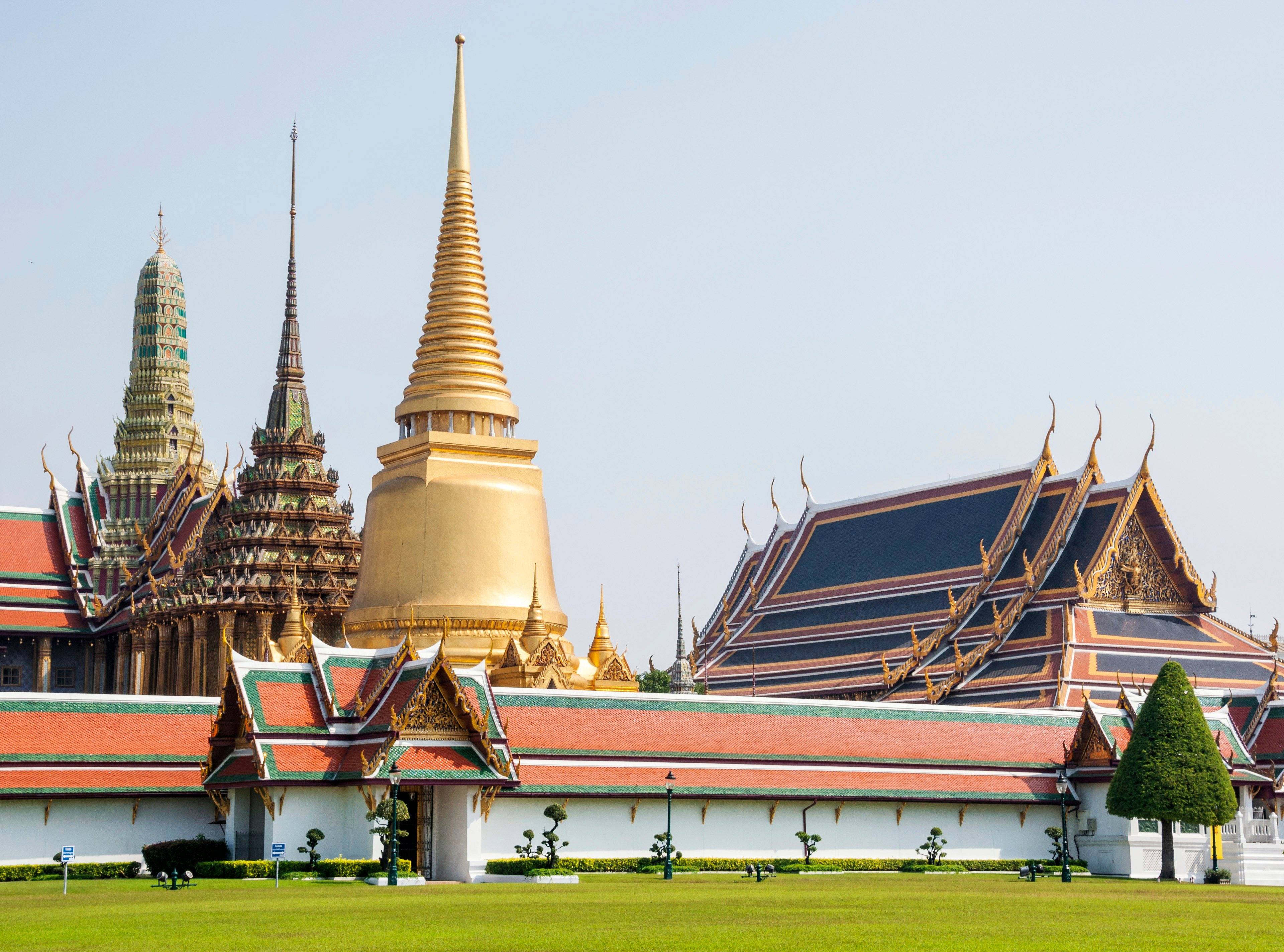
1. Admire the gilded splendor of the Grand Palace and the Emerald Buddha
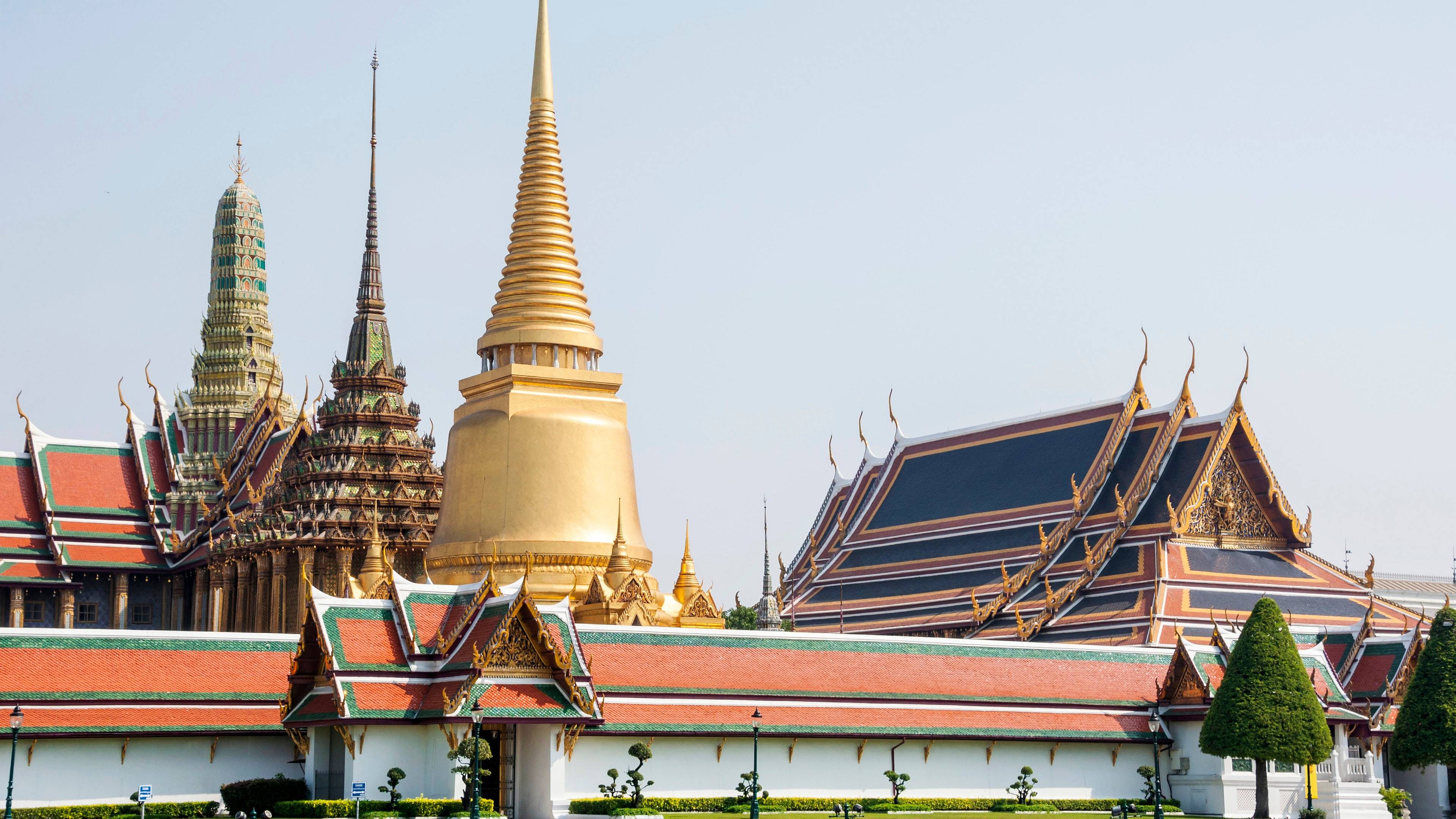
This is where Bangkok’s spiritual and royal heart beats. Built in 1782, the same year the city became the kingdom’s capital, Bangkok’s Grand Palace embodies the birth of the Chakri dynasty, Thailand’s royal family, which still reigns today. Its pointed roofs and shimmering mosaics are a direct legacy of that era.
Within the palace walls, Wat Phra Kaew, the “Temple of the Emerald Buddha,” houses the country’s most revered statue: the Emerald Buddha, said to be made of jadeite and standing just 26 inches tall. Since its discovery in 1434 in Chiang Rai, the statue traveled between several kingdoms before finally arriving here.
Three times a year, the King of Thailand comes in person to dress it in a costume of gold and precious stones: one for the hot season, one for the monsoon, and one for the cool season. In doing so, he continues a ritual that links the protection of the kingdom to that of its spiritual guardian.
Traveler tips:
- Arrive early in the morning to take in the quiet, contemplative atmosphere before the crowds arrive.
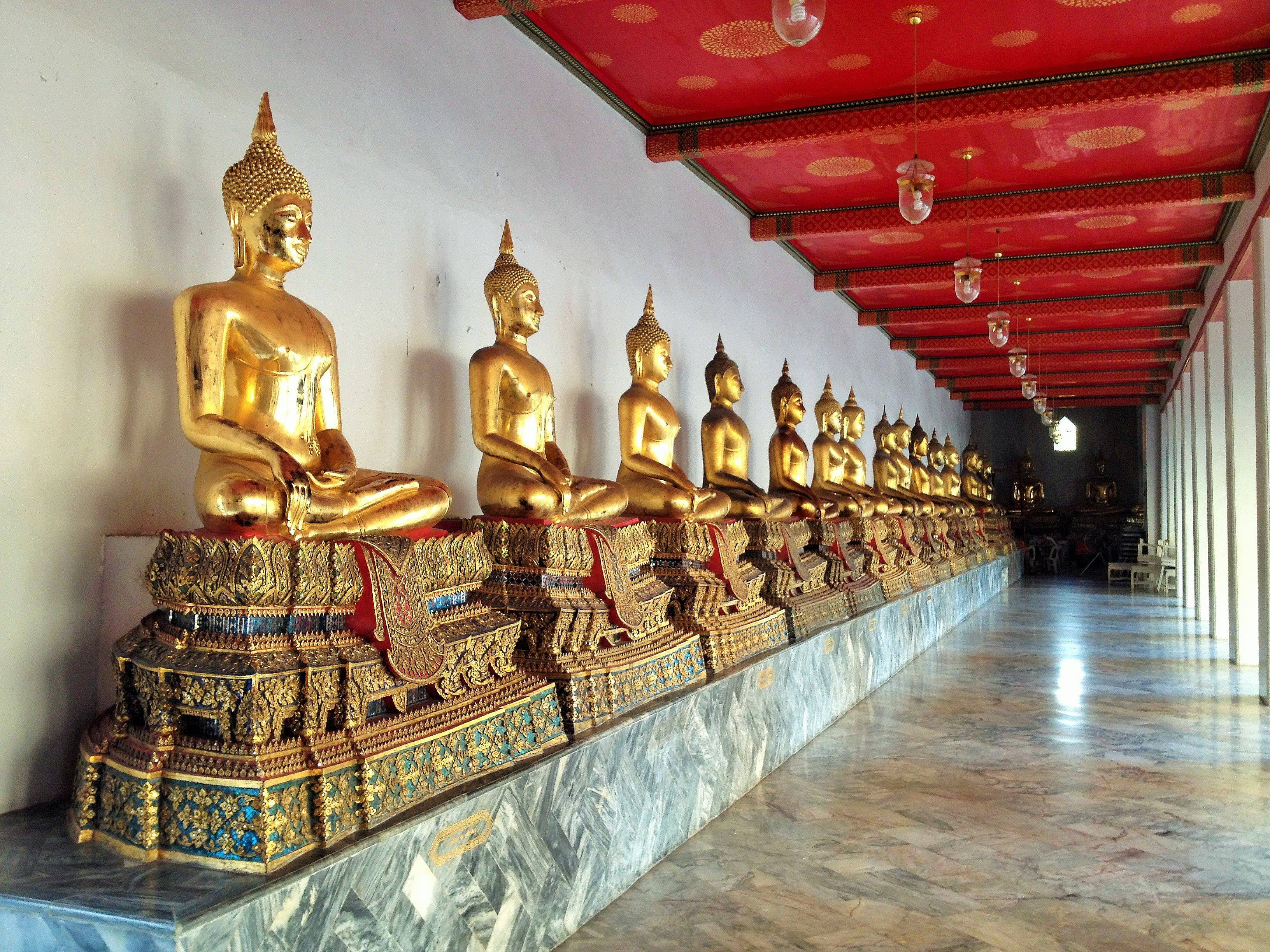
- Just steps from the Grand Palace, stop by Wat Pho to see its Reclining Buddha, 151 feet long and 49 feet high, a sight you can’t miss.

Photo captured by Stefania, an Evaneos traveler in Thailand.
2. Wander through Bang Nam Phueng community market
In Bang Krachao, Bangkok’s “green lung,” a wooded peninsula wrapped in a bend of the Chao Phraya River, you’ll find Bang Nam Phueng Market. Founded in 2004 by local residents to sell products from nearby producers and help preserve the island’s ecosystem, it remains a lively neighborhood market visited by village families and passing travelers alike.
It’s well worth a visit, as long as you know what to expect. Despite what its name may suggest, this is not a floating market in the classic sense. You won’t see boats piled high with goods here, but rather dozens of open-air stalls lining the canals beneath the trees.
Browse bunches of Thai basil and freshly cut lemongrass, banana plants, and wild orchids. Food stalls serve khanom krok, small coconut milk rice pancakes that are a local classic, along with smoky skewers of glazed pork, all in the lush, shaded atmosphere of a bustling neighborhood market.
Good to know: Bang Nam Phueng Market is open only on weekends, from 8 a.m. to 4 p.m. Early morning is the best time to wander between the stalls before swapping walking for cycling along Bang Krachao’s leafy paths. Your local expert can recommend the best bike rental shops nearby.

Photo captured by Christine, an Evaneos traveler in Thailand.
3. Explore Thonburi’s canals by traditional boat
Before Bangkok became Bangkok, Thonburi was the first capital of the Kingdom of Siam, during a brief reign from 1767 to 1782. Even today, it still holds something of the old city. Its canals, once vital arteries used for travel, irrigation, and defense, never fully gave way to roads.
Step aboard a ruea hang yao, the country’s iconic long-tail boat, and glide along the klongs, or canals. Keep your eyes open as you pass stilt houses, small forgotten temples, and gardens spilling over the water’s edge.
Around every bend, a new scene of daily life appears, an older woman feeding fish from her terrace, children leaping into the canal with wide smiles or a monk meditating in his doorway. On Thonburi’s canals, you feel pulled back in time, into another Bangkok.
4. Taste street food in Chinatown
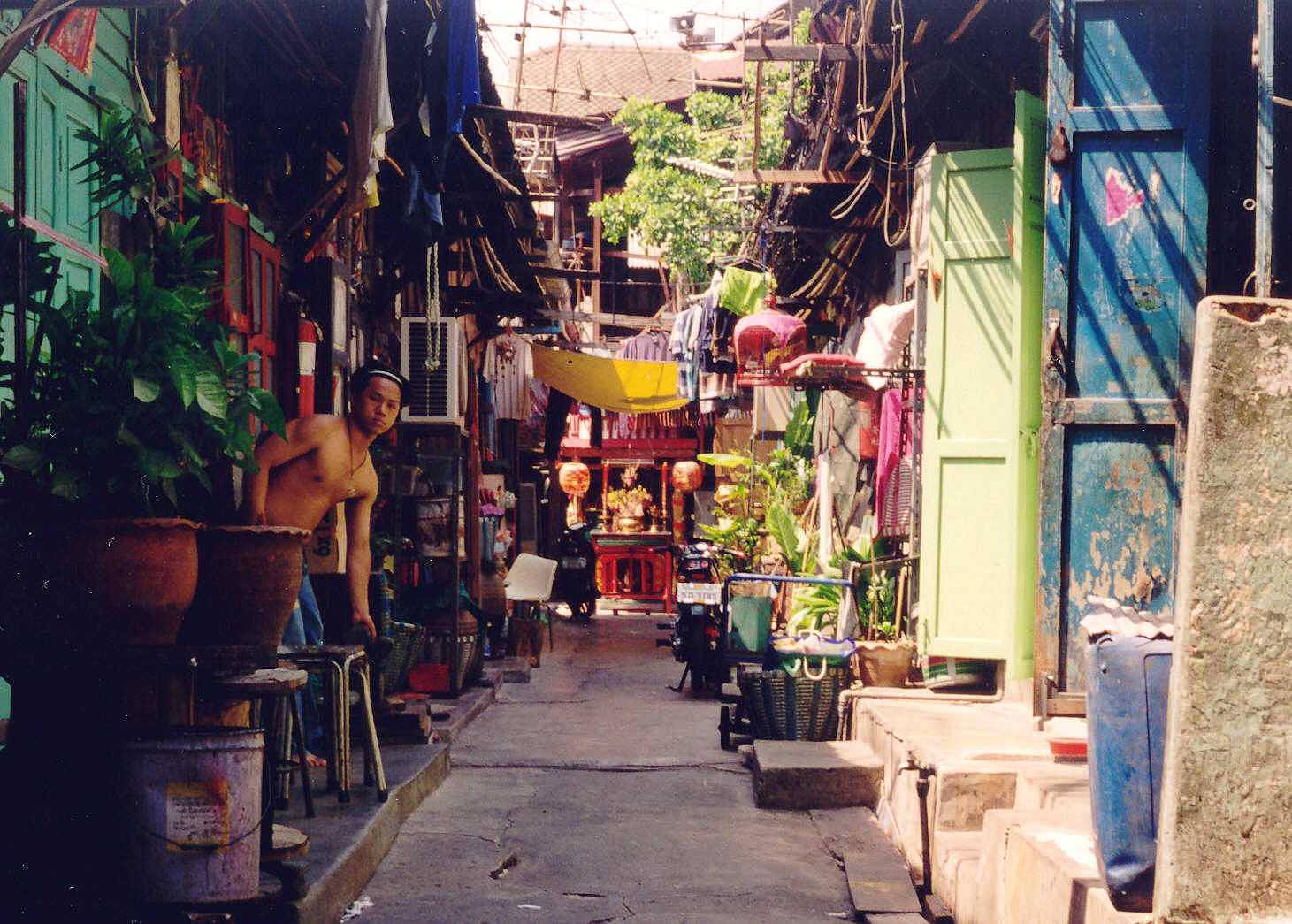
When Bangkok was founded in 1782, Yaowarat Road became the central artery of Chinatown and of the Chinese community, which had been moved from the city center to make way for the Grand Palace. Today, the neighborhood lights up every evening with neon signs and tempting clouds of smoke.
Here, you can taste some of the best dim sum, an assortment of small Chinese dishes, in the city and follow the flavors of Thai-Chinese cooking: stir-fried noodles with crispy fried tofu, moo ping, charcoal-grilled caramelized pork skewers and warm mango sticky rice. Wondering where to eat? Follow the line of locals in front of a tiny food stall. It’s the best compass, and often, a universal rule.
If your travel dates allow, Chinese New Year is a highlight worth experiencing on Yaowarat Road, with dragon dances and mesmerizing fireworks. Ask your local expert for details about this important celebration for Bangkok’s Thai-Chinese community.
5. Find a moment of calm in Lumphini Park
Lumphini Park is a green pause in the middle of Bangkok’s urban rush. The park was given to the city by King Rama VI in 1925, and its name honors Lumbini, the birthplace of the Buddha in Nepal.
Every morning from 5 a.m., walkers and early joggers share this green oasis with tai chi groups. Think of it as a tropical version of Central Park. You’ll see regulars stretching under palm trees after their workout, travelers lying in the grass, and explorers paddling across the lake. The contrast with the megacity’s glass towers is striking.
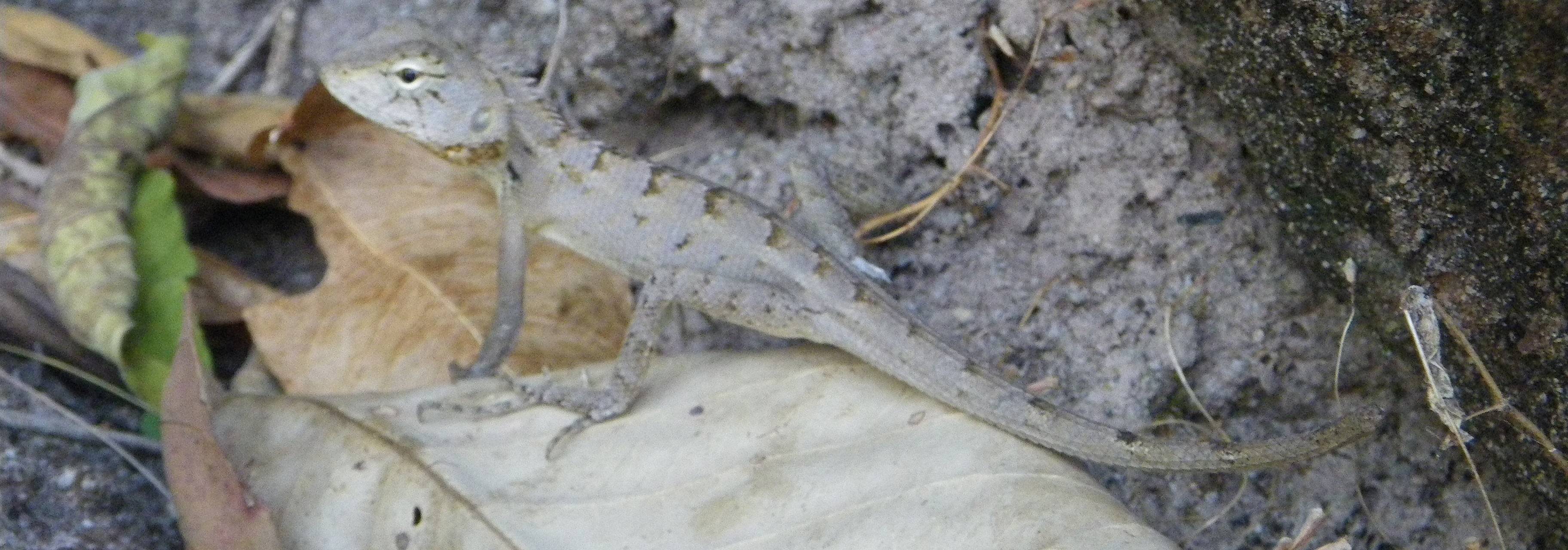
Morning is also the best time to spot Asian water monitors, the large lizards that can grow several feet long and roam freely here, crossing the paths at their own unhurried pace. They’re impressive but harmless, as long as you don’t feed them or get too close.
About a 15-minute walk away, Bang Rak, nicknamed the “district of love,” is a former diplomatic quarter that has become a favorite spot for artists and artisans. On foot, you’ll discover wooden shopfronts, murals, and inventive street food. Now in the midst of a revival, Bang Rak reveals itself through its residents, like a chef reimagining her grandmother's recipes or a designer bringing an old family shophouse back to life. It’s a warm, flavorful walk between memory and renewal, and a perfect way to extend your morning.
6. Climb Wat Saket for views over Bangkok
What many people don’t know as they climb Wat Saket, the Temple of the Golden Mount, is that the hill beneath their feet was never meant to exist. King Rama III wanted a grand 12-sided pagoda worthy of Ayutthaya. But Bangkok’s muddy ground had other plans, and the structure collapsed. Rama IV revived the project, created the hill, and saved the idea by turning it into a pagoda born from its own ruins.
A spiral staircase of 344 steps leads to the top of the rocky mound where Wat Saket sits. This deeply spiritual place houses relics of the Buddha, which devotees come to venerate in silence while Bangkok stretches out in every direction. It’s one of the few panoramic views of the capital from such a height.
Good to know: Every November, Wat Saket becomes a focal point of Loy Krathong celebrations. Thai people place small banana-leaf boats on the water, decorated with flowers and a candle, to let go of the sorrows and negative energy of the past year. For the occasion, the temple glows with lights, a traditional fair sets up around the hill, and devotees walk in procession to the summit.
7. Discover contemporary Thai art at BACC, the Bangkok Art and Culture Center
BACC had a turbulent beginning. Launched in 2000 by Bangkok’s governor, the project became mired for years in corruption scandals before finally opening in 2008, saved at the last minute by the efforts of the local arts community. Today, it celebrates Bangkok’s cultural scene alongside international artists, in a building whose architecture recalls New York’s Guggenheim.
The center’s approach is distinctive: there is no permanent collection. Exhibitions and installations, including photography, video, film, architecture, and literature, are all temporary. It’s a great way to discover a local art scene that is still too little known but full of creative energy.
You can visit BACC at your own pace. Move from floor to floor as you like, stop to watch a performance, or browse an art book. The center is open Tuesday through Sunday, from 10 a.m. to 8 p.m., and admission is free.
8. Uncover the secrets of Wat Arun, the Temple of Dawn
Wat Arun, the “Temple of Dawn,” takes its name from Aruna, the Hindu goddess of dawn. Its story reflects the cultural blend of Hinduism and Buddhism that characterizes Thailand. In October 1767, King Taksin arrived here at dawn, fleeing the burning city of Ayutthaya after its destruction by the Burmese army. He immediately expanded the temple to make it his royal chapel and house the Emerald Buddha, before the statue was later moved to Wat Phra Kaew across the Chao Phraya River.
The central prang, a tiered pyramid-shaped tower, was built by Taksin the Great’s successors using thousands of recovered fragments of Chinese porcelain, arranged into floral patterns across a tower over 230 feet high. The prang represents Mount Meru, the mythical center of the universe in Buddhist cosmology, topped with a trident of Shiva.
Visiting with a local guide helps you better understand the symbolism behind each architectural detail. In the evening, from Tha Tien Pier on the opposite bank, the illuminated temple becomes a beacon in the night.

Photo captured by Charlotte, an Evaneos traveler in Thailand.
9. From Tha Tian Market to Pak Khlong Talat, a walk between sea salt and jasmine
From the Wat Arun pier, discover Tha Tian Market and its stalls of dried fish. Then, after a ten-minute walk, step into another world: Pak Khlong Talat, with its mountains of flowers and hand-woven jasmine garlands.
Tha Tian is one of Bangkok’s oldest markets. In the 19th century, it stretched from Wat Pho to the middle of the Chao Phraya River, mixing floating stalls with bamboo barges loaded with goods from across the country. Recently renovated, it has refocused on what made its reputation: dried and smoked seafood. Snack on dried shrimp, fermented fish, and pla haeng, a dried fish typical of local cooking, at an open-air table facing the river.
Pak Khlong Talat has a very different story. Founded more than two centuries ago under Rama I as a fish market, it gradually became Bangkok’s largest flower market. Open 24/7, it comes most alive in the evening, when trucks unload fresh-cut flowers for temples, hotel gardens, and Buddhist ceremonies. The aisles overflow with orchids, jasmine, lotus flowers, marigolds, and offering garlands in the hands of skilled floral artisans.
If you love vintage finds, antiques, crafts, and the atmosphere of a market, head to Chatuchak Market, one of Asia’s largest open-air markets. In the aisles of this impressive maze, often described as the world’s largest outdoor market, it’s easy to lose track of time.
Good to know:
- Tha Tian Market: open daily from 7 a.m. to 8 p.m.; free admission. Bring cash, as cards are not always accepted.
- Pak Khlong Talat: open daily, 24/7; it gets busiest in the evening, with flower deliveries arriving between 2 a.m. and 6 a.m.
- Chatuchak Market: open Tuesday through Sunday from 5 a.m. to 10 p.m.; free admission.
Why not learn a few Thai words to use at the market? “Sawat di khrap” to say hello, “Kop khun khrap” to say thank you, and “Rakha thao-rai” to ask the price. Check out our useful Thai phrasebook here to prepare for your first conversations with local vendors.
10. Watch a muay thai fight
In Thailand, muay thai, or Thai boxing, is not just another sport. It is a martial art and combat sport with rules shaped over centuries. Once practiced by the kingdom’s soldiers and protected by the royal family, it is still considered the national sport today.
To experience it, head to Rajadamnern Stadium, which opened in 1945. With professional fighters, traditional sarama music before the bouts, and up to 12 fights per evening, the athletic level here is the real deal, even as it draws more and more travelers.
Channel 7 Stadium offers a more local atmosphere. The fights are broadcast live on Thai national television, and the crowd is made up almost entirely of neighborhood residents. Between passionate supporters and animated bettors, Channel 7’s lively, popular energy easily rivals the big nights at Rajadamnern.
Good to know: Avoid “muay thai shows,” often offered in certain malls or hotels. The atmosphere feels staged and has little in common with the intensity of a real fight. Your local expert can point you toward match schedules and neighborhood gyms that gladly welcome curious travelers.
Stop in Bangkok on a tailor-made trip to Thailand
With Evaneos, you’ll discover Thailand alongside a local English-speaking expert who lives in the country and knows the region inside and out. They know Bangkok, from the footbridges of Lumphini Park to the flavors of Bang Nam Phueng Market, and will help guide you beyond the must-sees.
Your expert will design a tailor-made itinerary with you, shaped around what you love, whether that's hidden temples in the North, time in a hill tribe village, or slow days on an island far from the crowds. A trip designed for you, and only you.