



Must-sees and hidden gems: what to see and do in Johannesburg?
1. Dive into history at the Apartheid Museum
This is the most powerful place to understand modern South Africa, head-on. From the entrance, “White” and “Non-White” tickets make you physically experience segregation. Inside, photos, videos, and personal accounts come together in a gripping story, sometimes difficult, always essential. You leave in silence, with a heavy heart and a clearer mind. Take your time, and end in the garden, like a moment to breathe.
2. Feel the soul of Soweto on Vilakazi Street
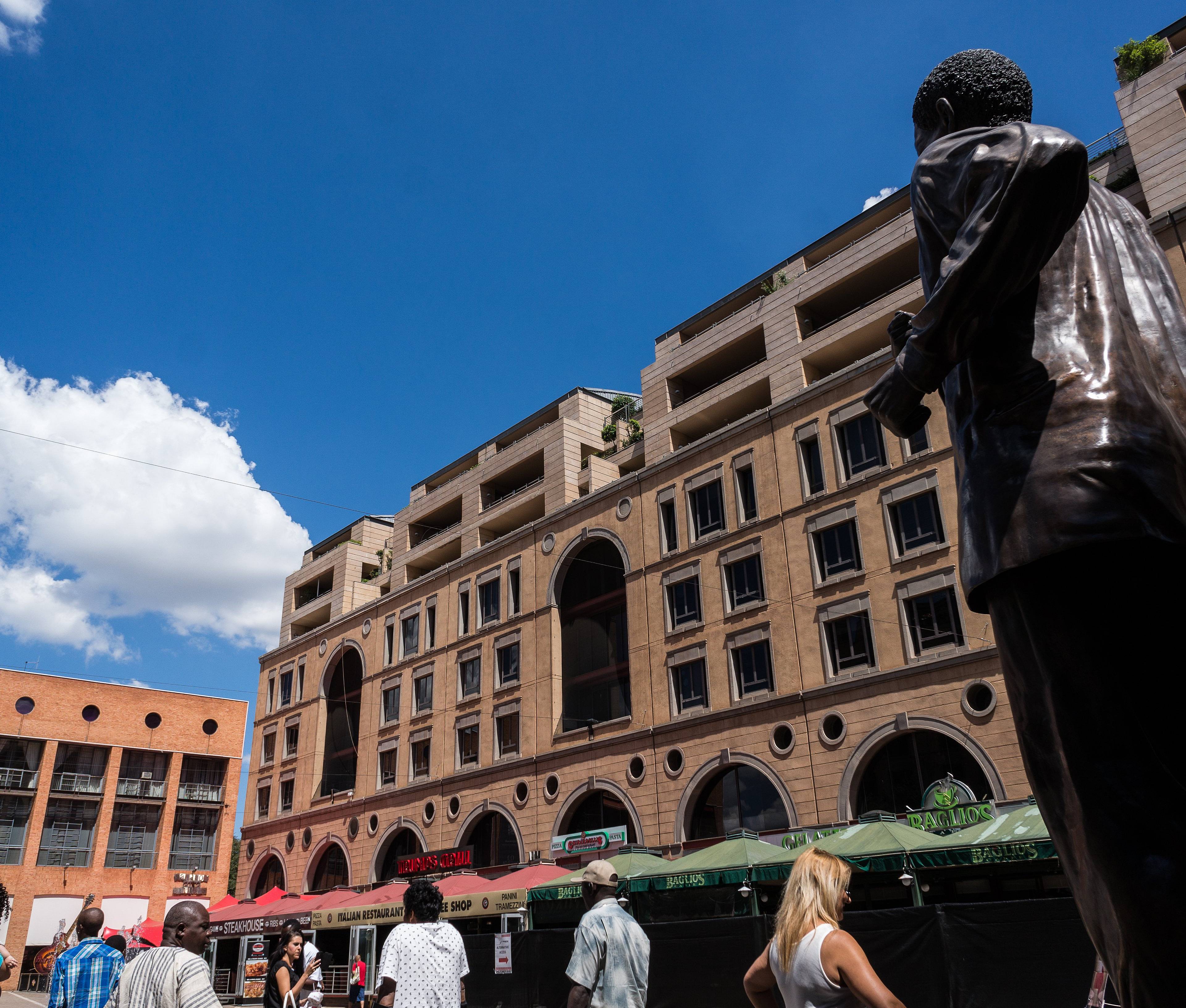
Vilakazi Street holds a rare mix of memory and energy in just a few blocks. It’s the only street in the world that was once home to two Nobel Peace Prize winners: Nelson Mandela and Desmond Tutu. Between modest homes, sizzling barbecues, and jazz drifting out of a café, you’re walking through a living neighborhood, not a museum. It’s best to go with a local guide, so you can hear the stories behind the facades.
3. Explore street art and cafés in Maboneng
Maboneng is creative Johannesburg: colorful, restless, and full of conversation. Giant murals, small galleries, independent shops, coffee roasters. Everything is best explored on foot with your eyes often lifted upward. On weekends, the markets draw locals in. You snack, chat, and linger. By late afternoon, the light turns the brick buildings golden and the atmosphere feels almost Mediterranean. It’s the perfect neighborhood for feeling the city as it is today.
4. Take in the view from a rooftop
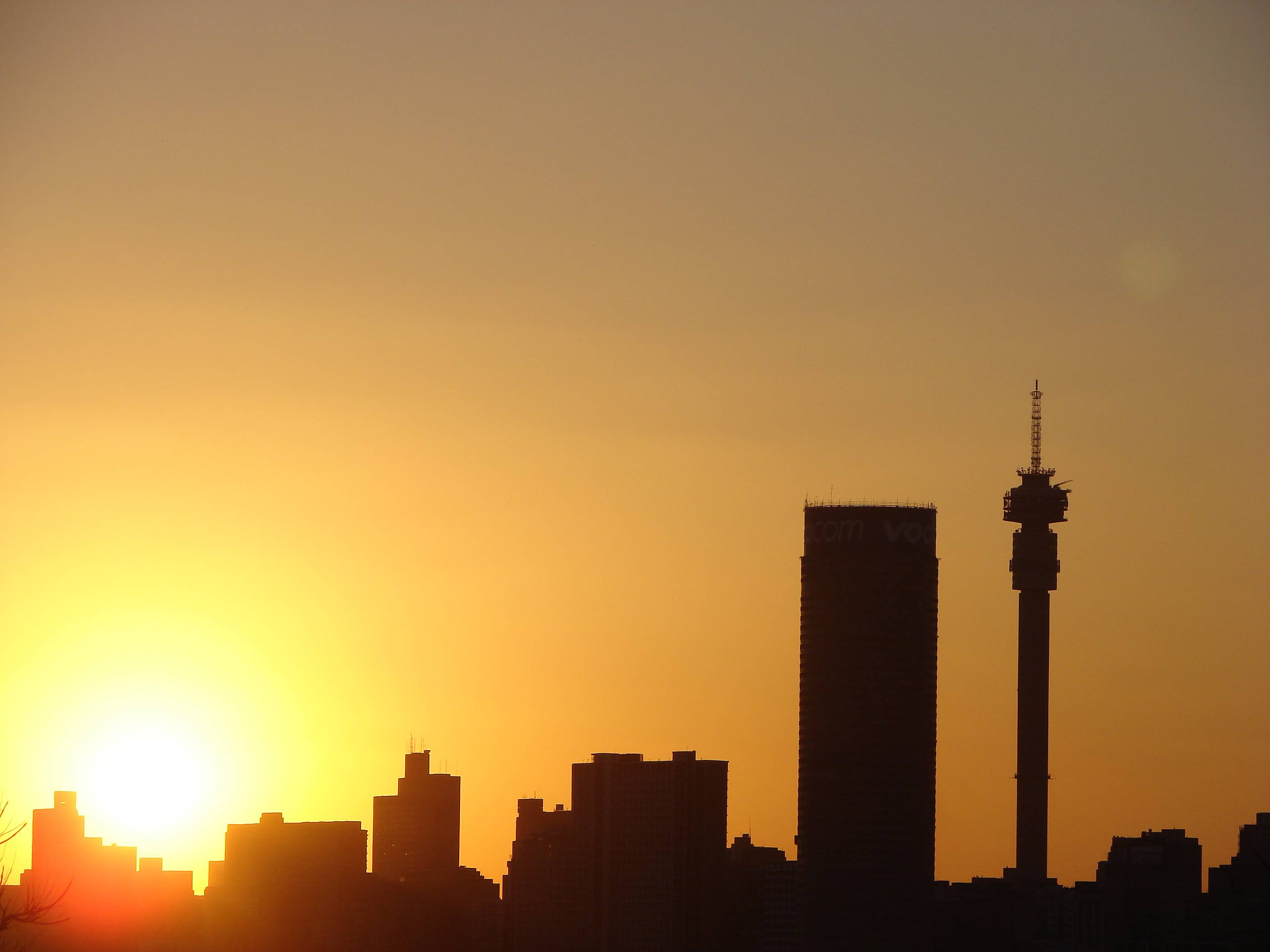
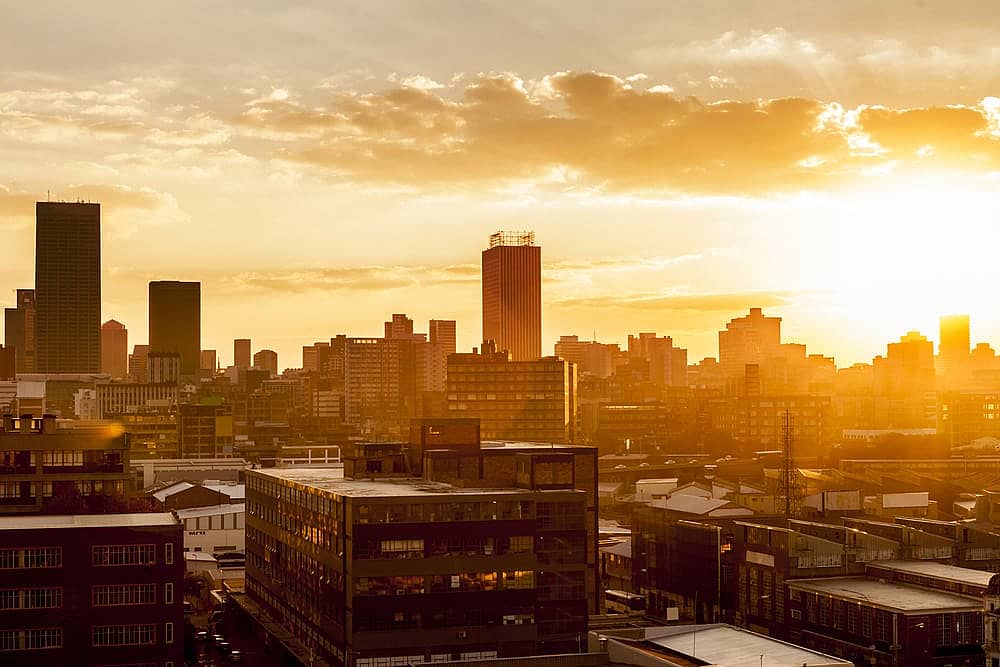
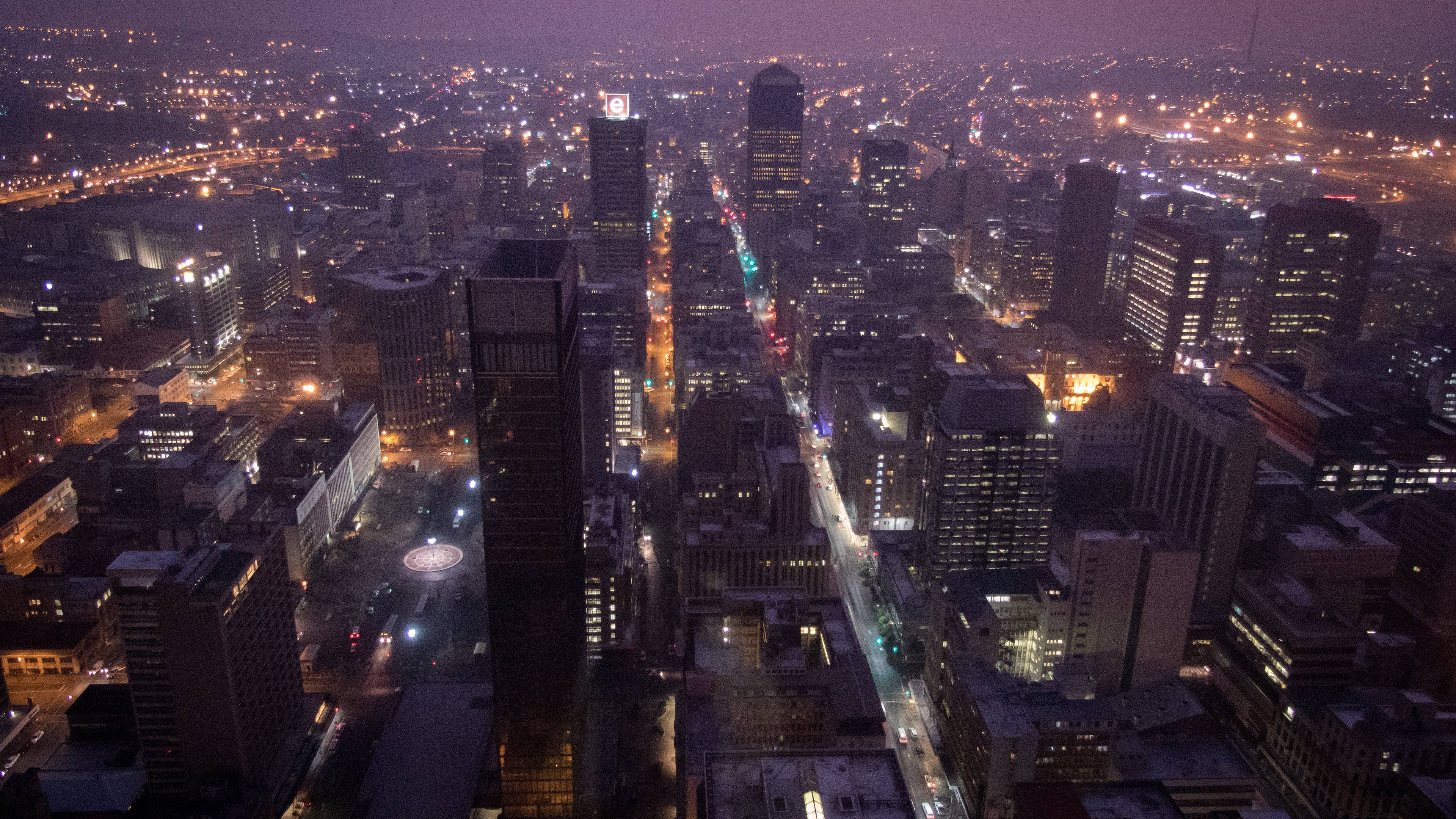
To read Johannesburg in a single glance, head up high. The city spreads out in a mosaic of towers, jacaranda trees, and hills with the distant outline of mine dumps. Golden tailings that tell the story of gold. When the air is clear, the horizon feels endless. Go during the day for the best visibility, and take a few minutes to identify the different neighborhoods. It gives new meaning to your rides across the city. Alto234 at The Leonardo in Sandton, one of Africa’s tallest skyscrapers, or a rooftop in Rosebank, such as Radisson RED, are both great options for panoramic views.
5. Be surprised by the galleries of Parkhurst and Rosebank
For a stylish, food-focused break, head to Parkhurst and Rosebank. Lively terraces, bookstores, concept shops, and restaurants made for sharing spicy small plates all invite you to slow down. On Sundays, the Rosebank Art and Craft Market is a great excuse to meet artisans and bring home a thoughtfully chosen piece, not a standardized souvenir. It’s also a softer side of Joburg: leafy, relaxed, and welcoming.
6. Walk through Melville Koppies Nature Reserve
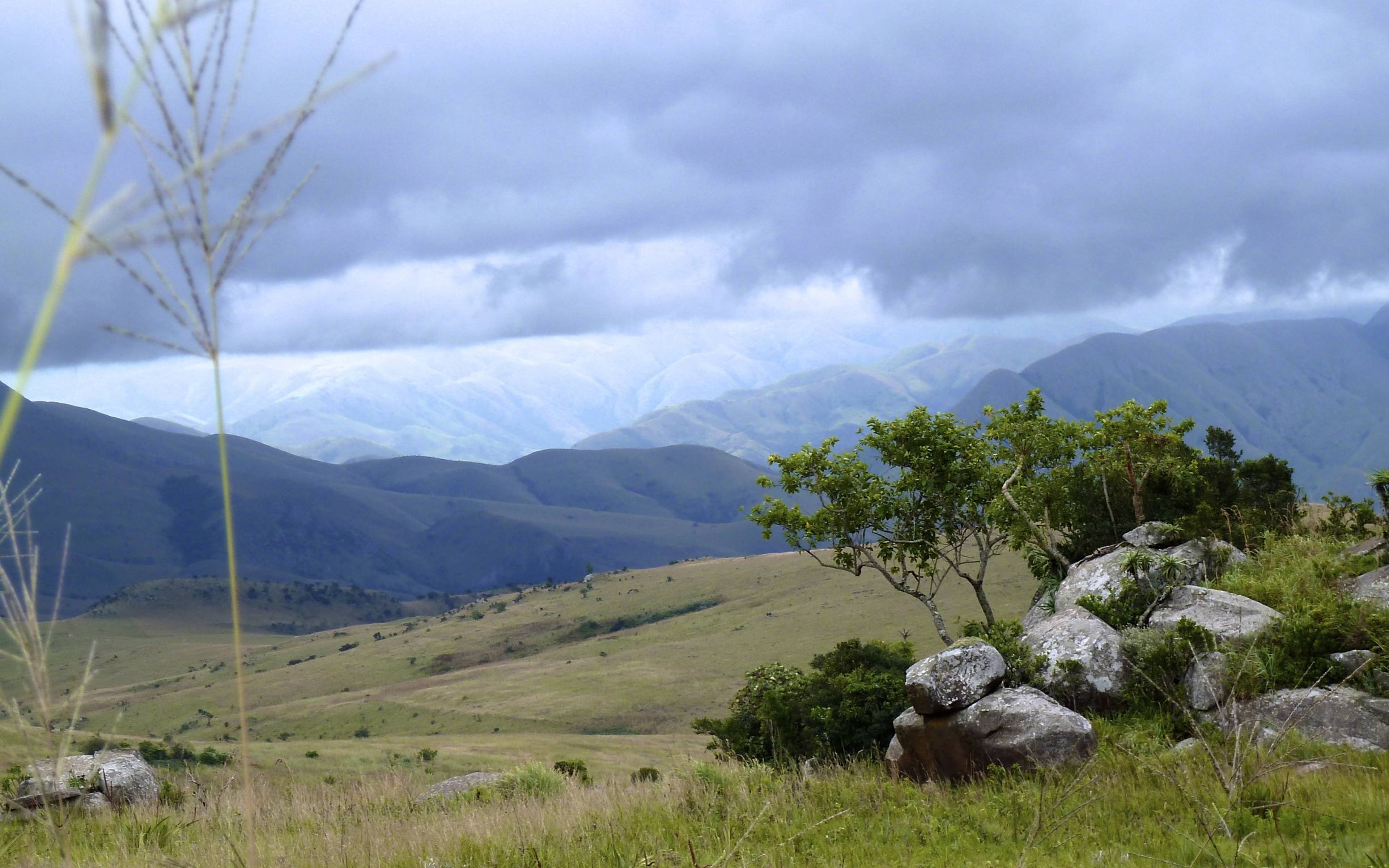
Melville Koppies offers an unexpected wild escape just minutes from the city center. You climb hills covered in dry grasses, hear birdsong, smell the warm earth, and suddenly the skyline appears through the branches. The site also protects important archaeological remains, and some walks are guided, adding depth to the view. It’s an insider spot where you can breathe, slow down, and understand the city’s natural contours.
7. Discover the art scene at the Wits Art Museum (WAM)
The Wits Art Museum is a rich, approachable collection of African art, thoughtfully curated. Masks, textiles, sculptures, and contemporary works speak to one another without folklore, offering a real look at forms, materials, and ideas. The university neighborhood gives the visit a curious, studious atmosphere, far from the pace of the city’s main roads. Before or after your visit, settle into a nearby café and let the city slow down for a moment.
8. Take in the memory of Constitution Hill
Constitution Hill tells the story of a shift from oppression to the rule of law, all in one place. A former prison and now home to the Constitutional Court, the site is powerful in its bare corridors, narrow cells, and accounts from former prisoners. Then, at its heart, the Court’s modern architecture appears: bright, open, almost like a promise. Visiting here means physically sensing what it takes to rebuild a society, without the need for big speeches.
9. Move to the rhythm of Braamfontein’s music scene
Braamfontein is Joburg’s youth, its ideas, its music, and its nights that start early. Between thrift stores, record shops, bookstores, and affordable restaurants, the neighborhood is made for wandering. Then come the rooftops, DJ sets, and small venues where you can discover local jazz, afro-house, or hip-hop. To enjoy it with peace of mind, it’s best to go with someone who knows the area and follow recommendations from a local agency.
Add Johannesburg to a tailor-made South Africa trip
With Evaneos, you’ll connect directly with a local, English-speaking expert based in South Africa. They know the right routes, the best timing, and the neighborhoods to stay in so you can enjoy Johannesburg without stress, from museums and street art to great places to eat.
Together, you’ll shape a tailor-made itinerary at the pace of your family, group, or duo, with safaris, vineyards, and wide-open views along the way. Your local expert adjusts every detail, from accommodations to stops and experiences, for a trip that feels smooth, authentic, and easy to enjoy.