



What to see and do in Hluhluwe-iMfolozi Park
1. Head out on a dawn safari along Hluhluwe’s tracks
The best time to see the bush come alive is early morning, when the air is still cool and the scent of damp earth lingers. You drive slowly through the green hills of Hluhluwe, a more rolling landscape than most South African reserves, as the low morning light picks out the silhouettes of impalas. At this hour, predators are finishing their rounds, hyenas are returning to their dens and elephants are stirring near the waterholes.
With a local agency, you learn to read the trail: a broken branch, fresh dung, a sudden silence among the birds. And when a lion finally rises from the shade, everything suddenly feels very real.
2. Track rhinos across the historic lands of Umfolozi
Hluhluwe-iMfolozi is one of the great strongholds of white rhino conservation, and seeing them here means even more. On the more open plains of Umfolozi, you scan the tawny grasses until their peaceful, hulking shapes appear, ears pricked, horns outlined against the savanna. It’s a powerful moment, because you realize what their survival has cost and what it still takes.
With a local guide, you’ll learn which areas they favor, how much distance to keep, and what is being done on the ground to protect them, with no showmanship or staged encounters.
3. Climb to the viewpoints and take in the whole reserve
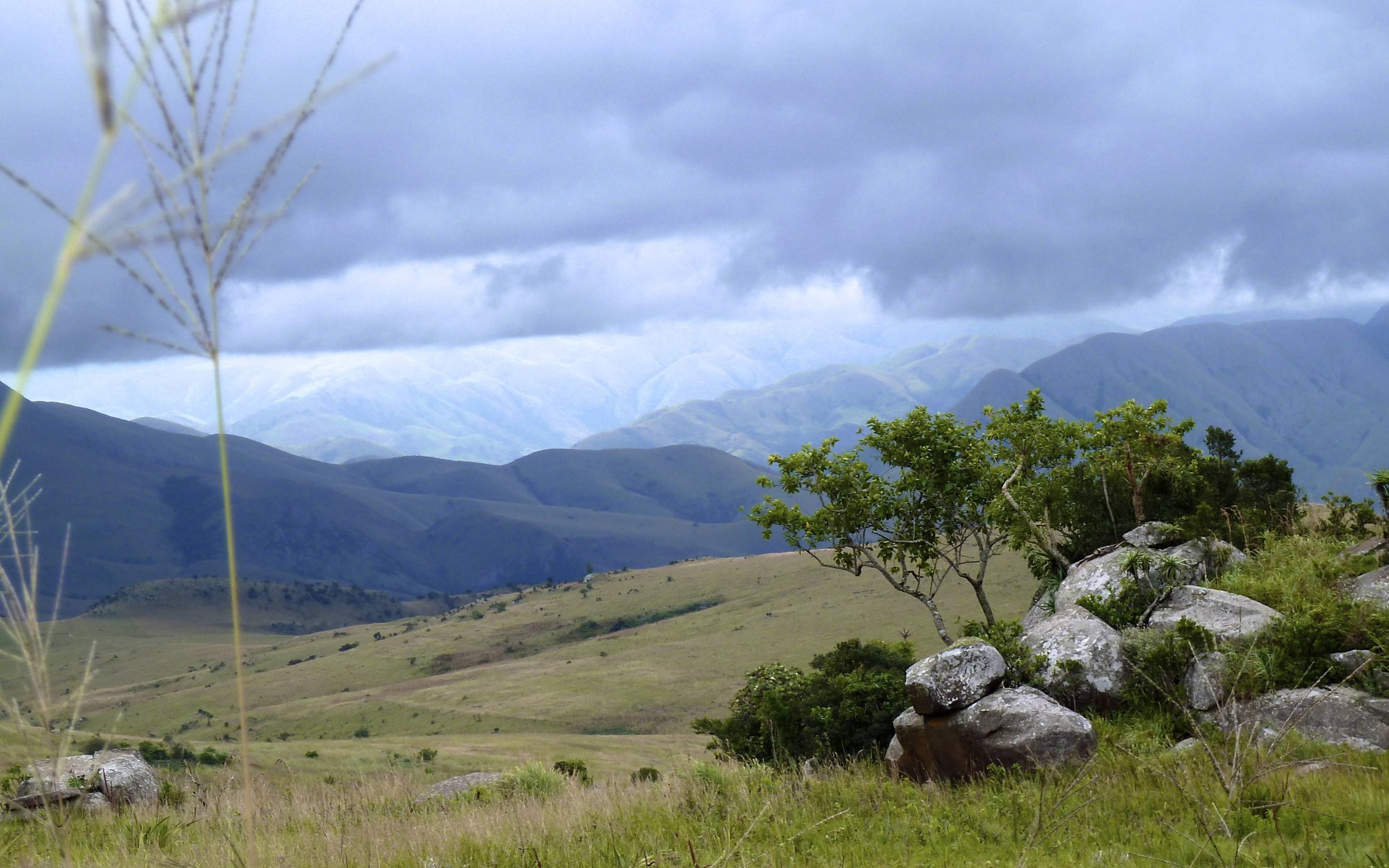
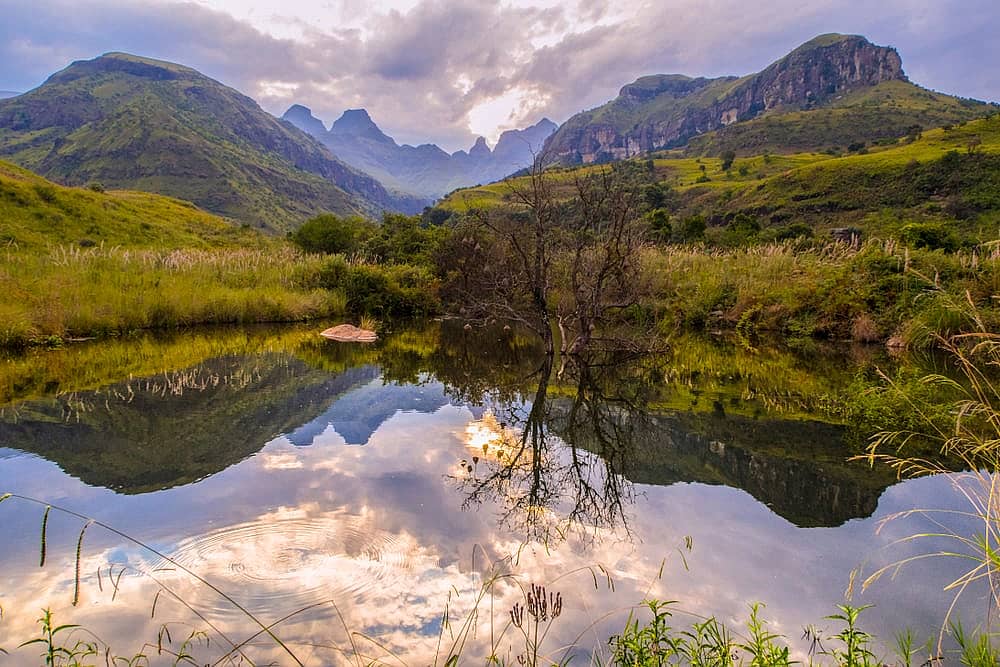
Heading uphill changes your whole perspective, especially in a reserve shaped by rolling hills. As you climb toward natural lookouts, the valleys fan out below you, acacias dot the slopes, and sometimes a column of dust reveals a herd of buffalo on the move. The wind carries the dry scent of crushed grass and a turaco sends its metallic call through the trees.
It’s the perfect break between game drives, especially late in the day, when the light deepens to amber. You stop, switch off the engine, listen, and the reserve seems to breathe all around you.
4. Take a night safari and step into another world
At night, the reserve reveals a quieter, more secretive side. In the beam of the spotlight, eyes shine like beads, a genet hurries across the track, and a porcupine freezes, quills raised. The silence is broken by the distant whoop of a hyena, and the air turns cool against your skin.
With a ranger, you learn how to spot nocturnal animals without disturbing them, always keeping your distance. It’s less about big, dramatic sightings and more about quiet, close moments: a safari of whispers and encounters.
5. Join a guided bush walk and experience the wild in a different way
Stepping out of the vehicle makes everything feel more intense, because every detail matters. Underfoot, the sand is warm and leaves crackle, and your guide points out a fresh track, bark scratched by a leopard, or a termite mound towering like a cathedral. You move slowly, in single file, with an almost meditative focus.
These guided walks, offered in certain areas and at specific times, are led by trained professionals and they’re unforgettable. You’re no longer just watching, you’re a guest and the bush stays with you long after you leave.
6. Unwind at camp with a braai and the sounds of the savanna
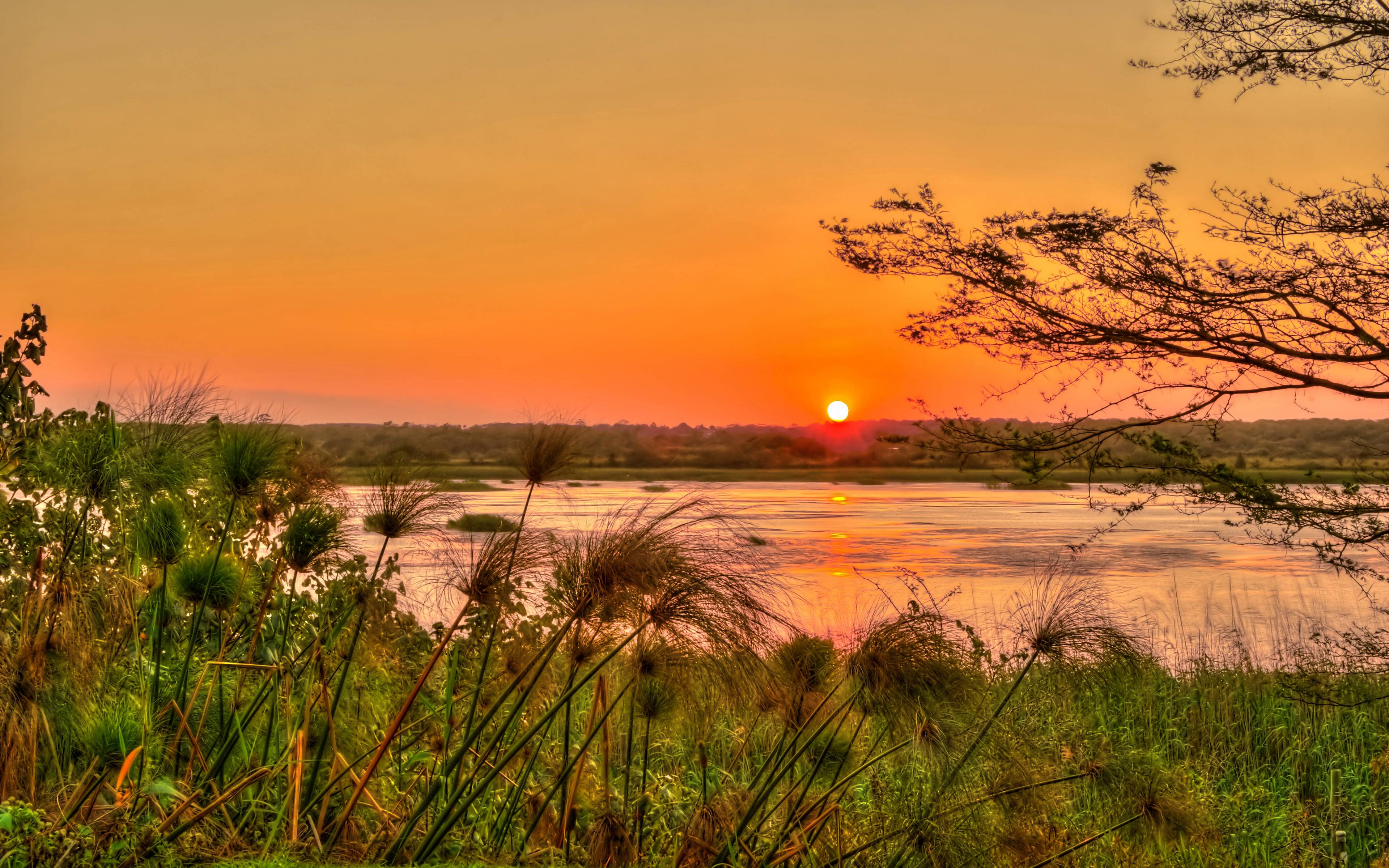
Part of the Hluhluwe-iMfolozi experience is slowing down at camp as the sun drops and the colors turn copper. You come back dusty and happy as the smell of a braai, a South African barbecue, drifts through the air, with meat sizzling and wood crackling. In the distance, a francolin calls and insects begin their evening chorus.
Choosing simple, well-located accommodations cuts down on driving time and lets you enjoy the quiet evening hours as the reserve settles down for the night. Your local agency can recommend small, welcoming places to stay, where hosts can give you helpful tips for the next day.
Into the wilds of Hluhluwe-iMfolozi Park
Iconic animals to spot in Hluhluwe-iMfolozi Park
Keep your eyes open. In the green hills and acacias of Hluhluwe-iMfolozi, wildlife appears in small scenes along the dusty tracks:
- White and black rhinos, true symbols of the park, often seen at the edge of the savanna at dawn
- Elephants, gathered in close family groups around a waterhole, trunks glossy with mud
- Lions, hidden in tall grass, then suddenly on the move
- Leopards, more elusive, best looked for near the rivers
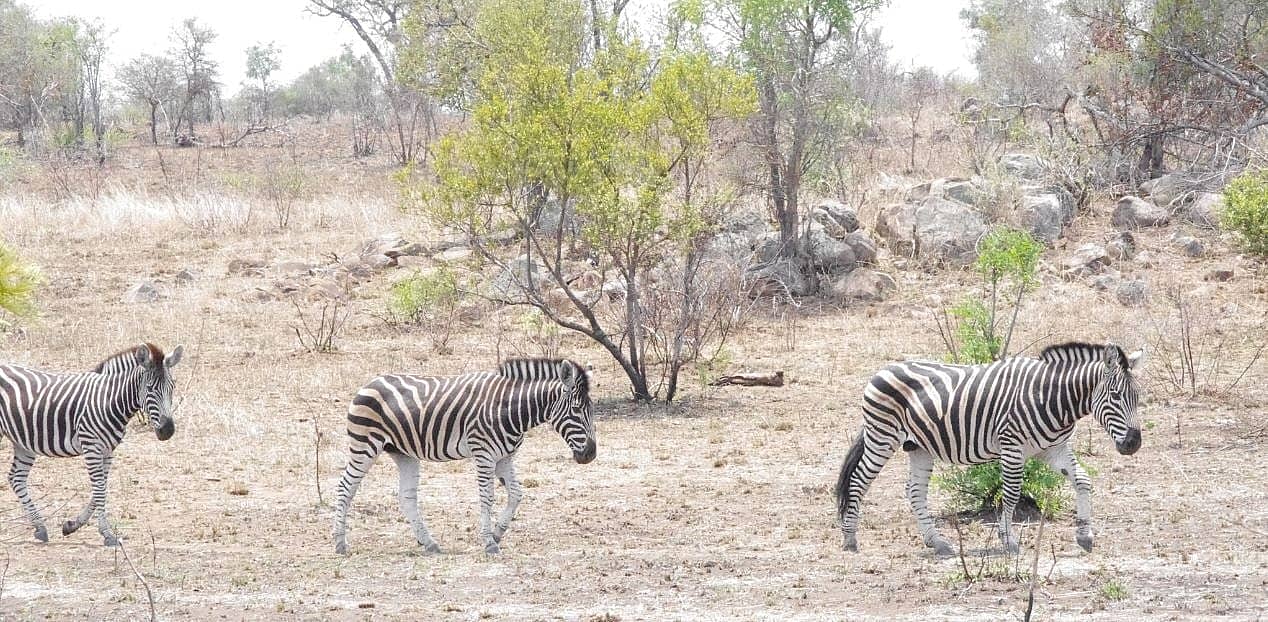
- Buffalo, zebras, giraffes, and nyalas (a spiral-horned antelope), moving among the euphorbias
The plants and landscapes that shape Hluhluwe-iMfolozi Park
In Hluhluwe-iMfolozi, the plants tell the savanna’s story too. Look out for:
- Zululand bushveld, a patchwork of golden grasses and thorny shrubs rustling in the warm wind.
- Acacias and thorn trees, shadowy silhouettes and perfect perches for weaverbirds.
- Marula trees, heavy with fragrant fruit that local wildlife loves.
- Aloes and euphorbias, living sculptures on dry slopes, sometimes bursting into bright bloom.
- Fig trees and riverine forests along the waterways, offering cool green shade.
Add Hluhluwe-iMfolozi Park to a tailor-made South Africa trip
With Evaneos, you’ll be connected with an English-speaking local expert based in South Africa. They know the roads, the seasons, the best timing, and most importantly, the details that make all the difference, from a well-located lodge to a tiny restaurant with no sign out front. You save time, avoid common pitfalls and travel with greater peace of mind.
Together, you’ll build a tailor-made trip with a stop in Hluhluwe-iMfolozi Park at the best times to spot rhinos and elephants, with the rest of your itinerary designed around you, from beaches and mountains to vibrant cities.