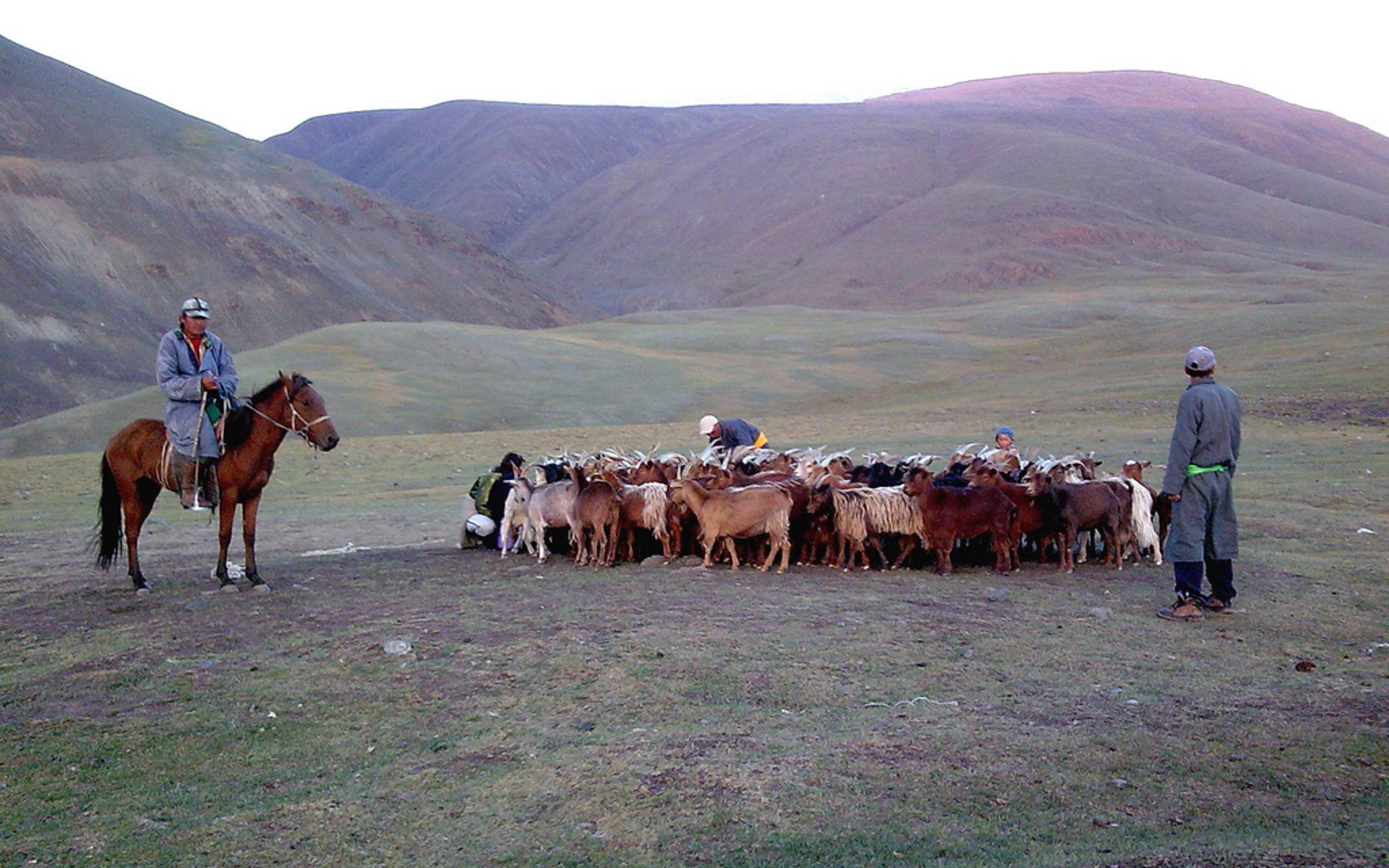
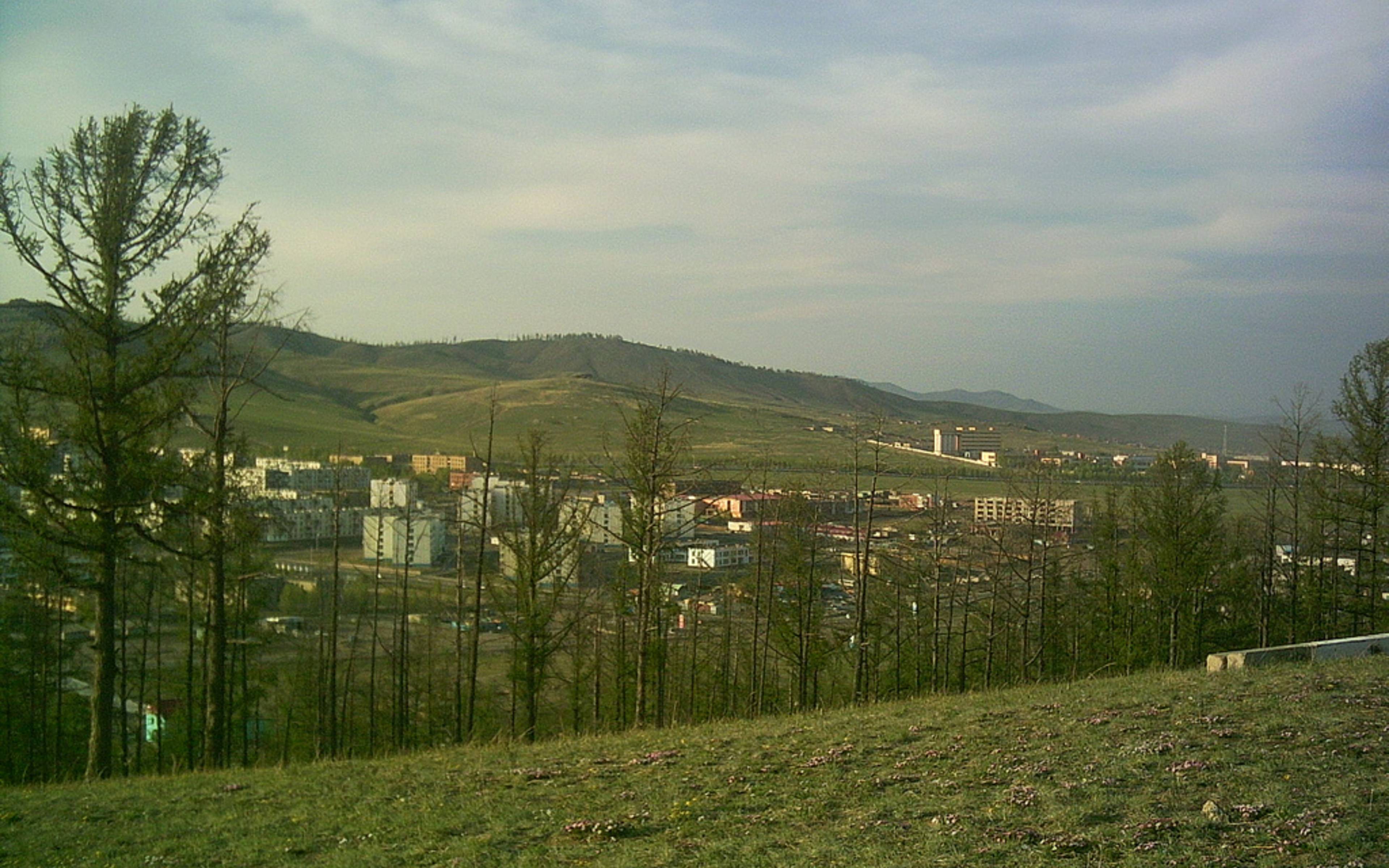
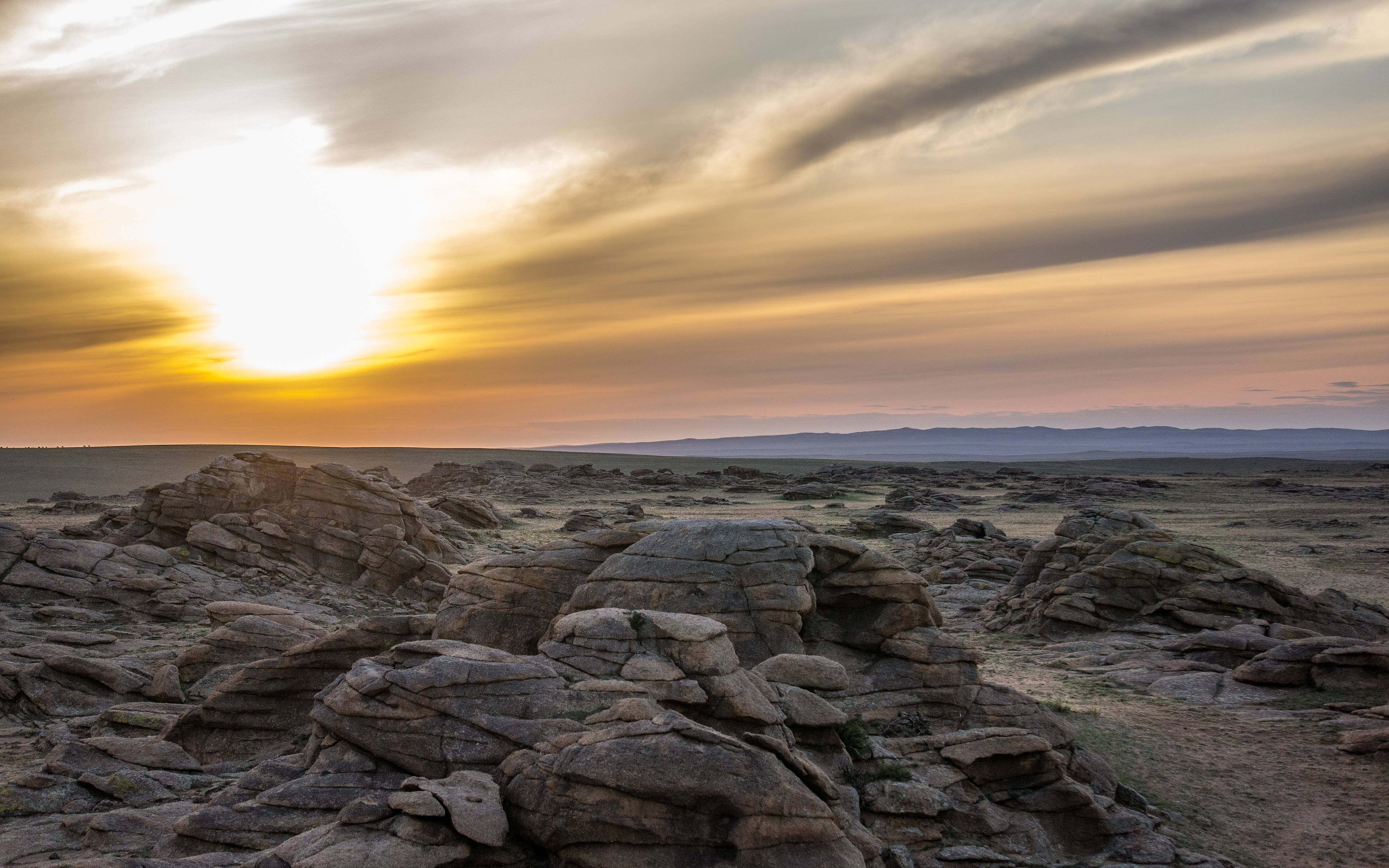
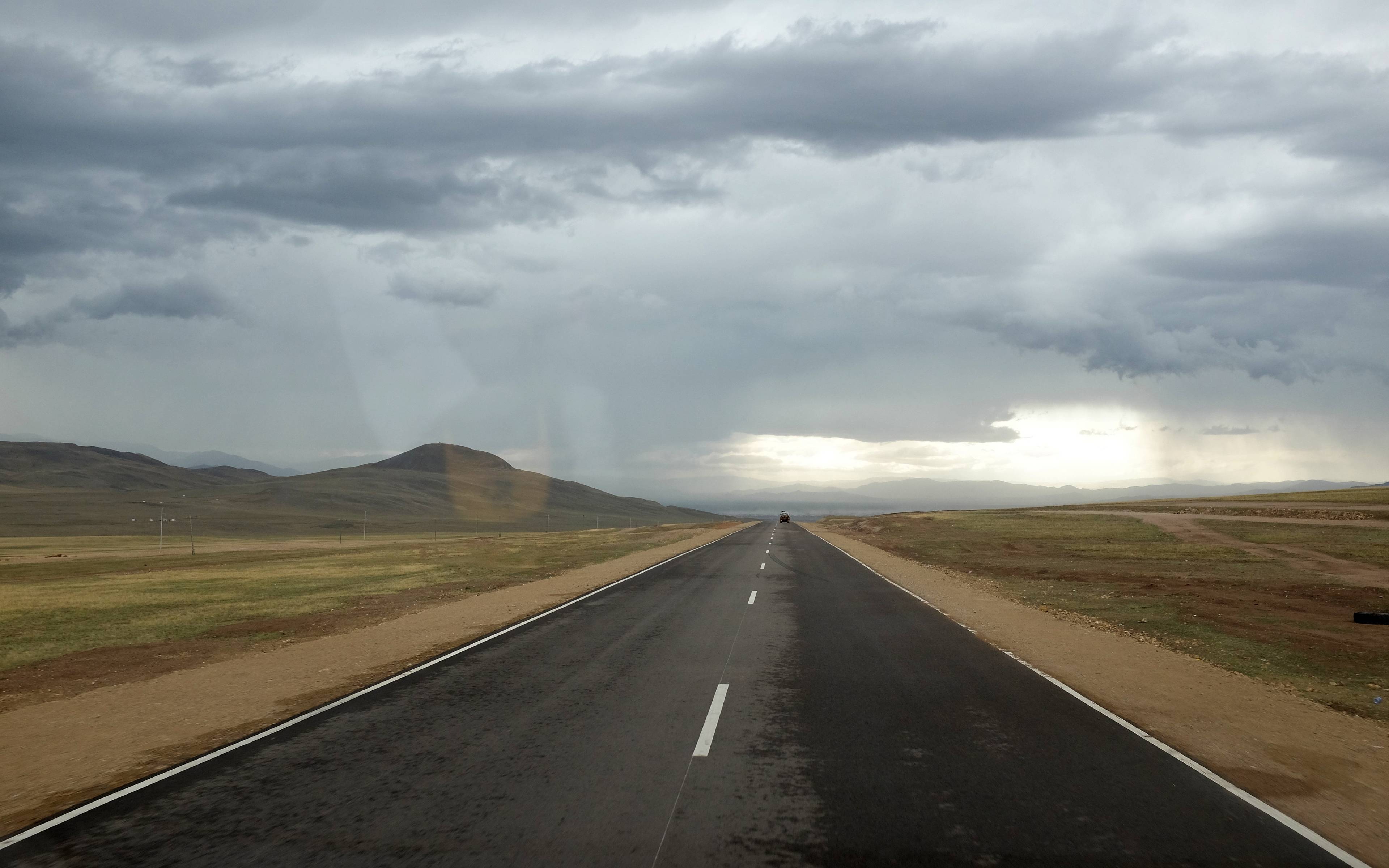
Ölgii is located in the extreme west of the country, next to the Russian and Chinese borders. It is a Kazakh land, with the Kazakh people making up a large majority of the region's population (90%).
The former capital of the Mongol Empire, Silk Road trading post and home to the great Genghis Khan, Karakorum is in Central Mongolia in the Arkhangaï region.
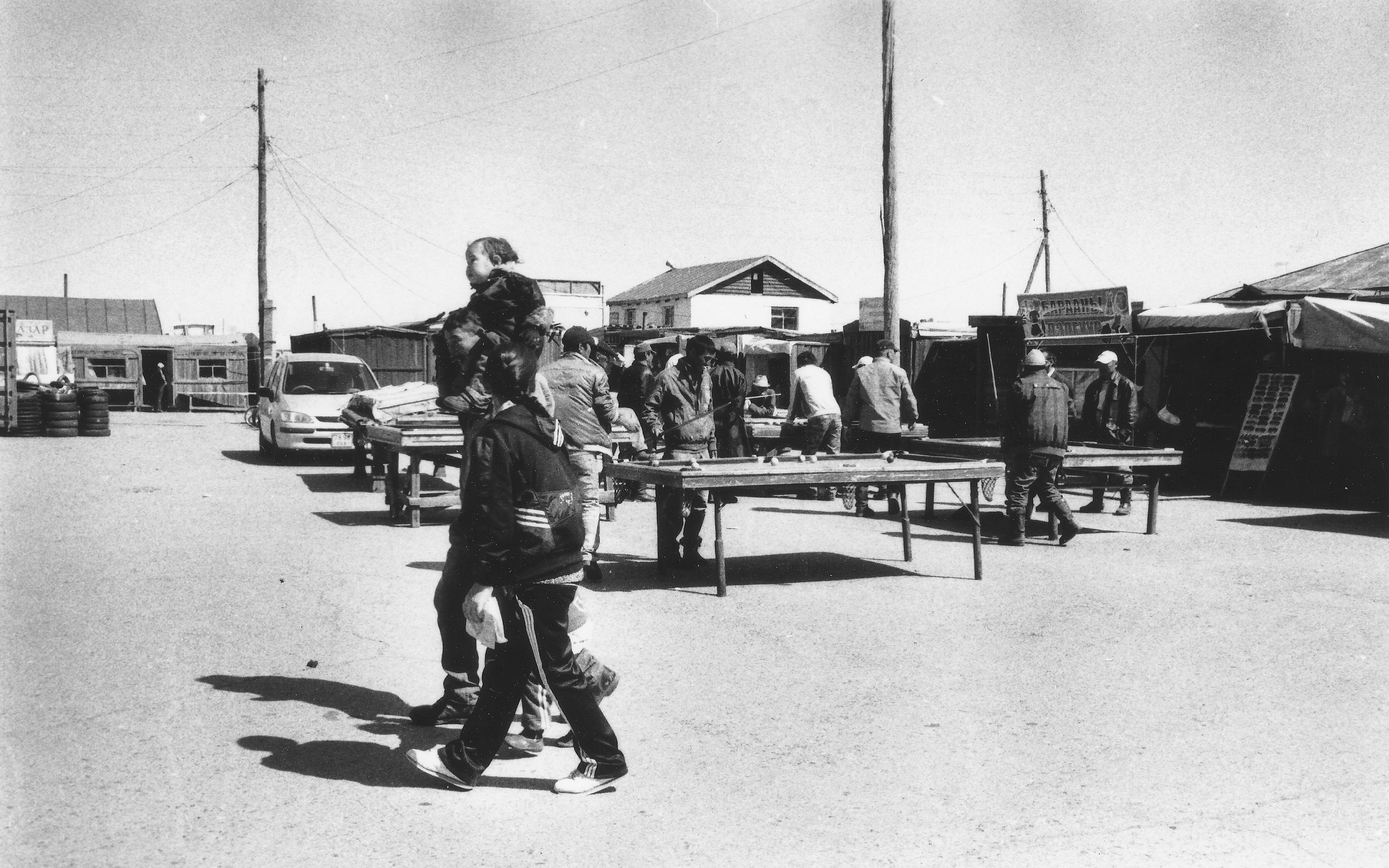
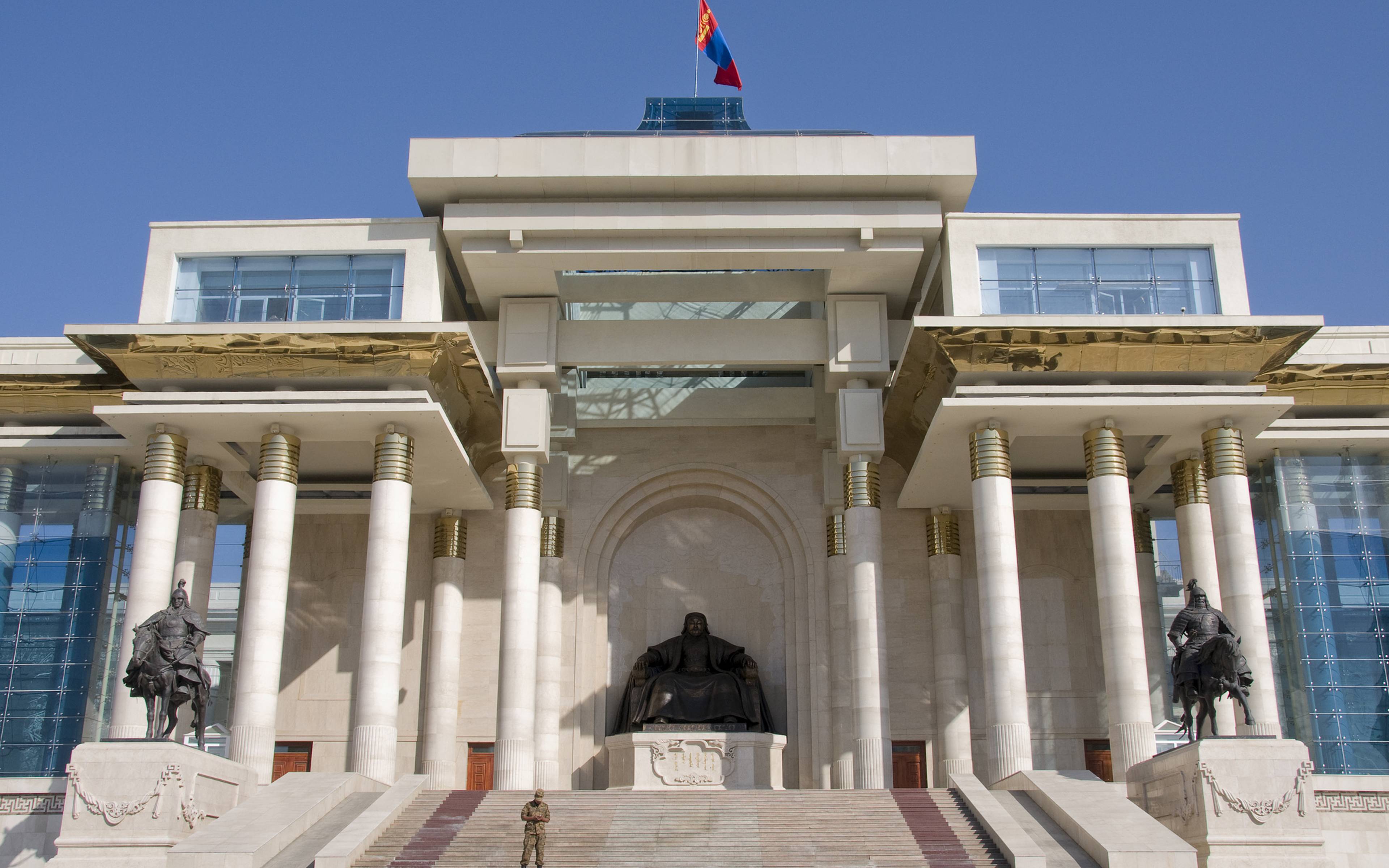
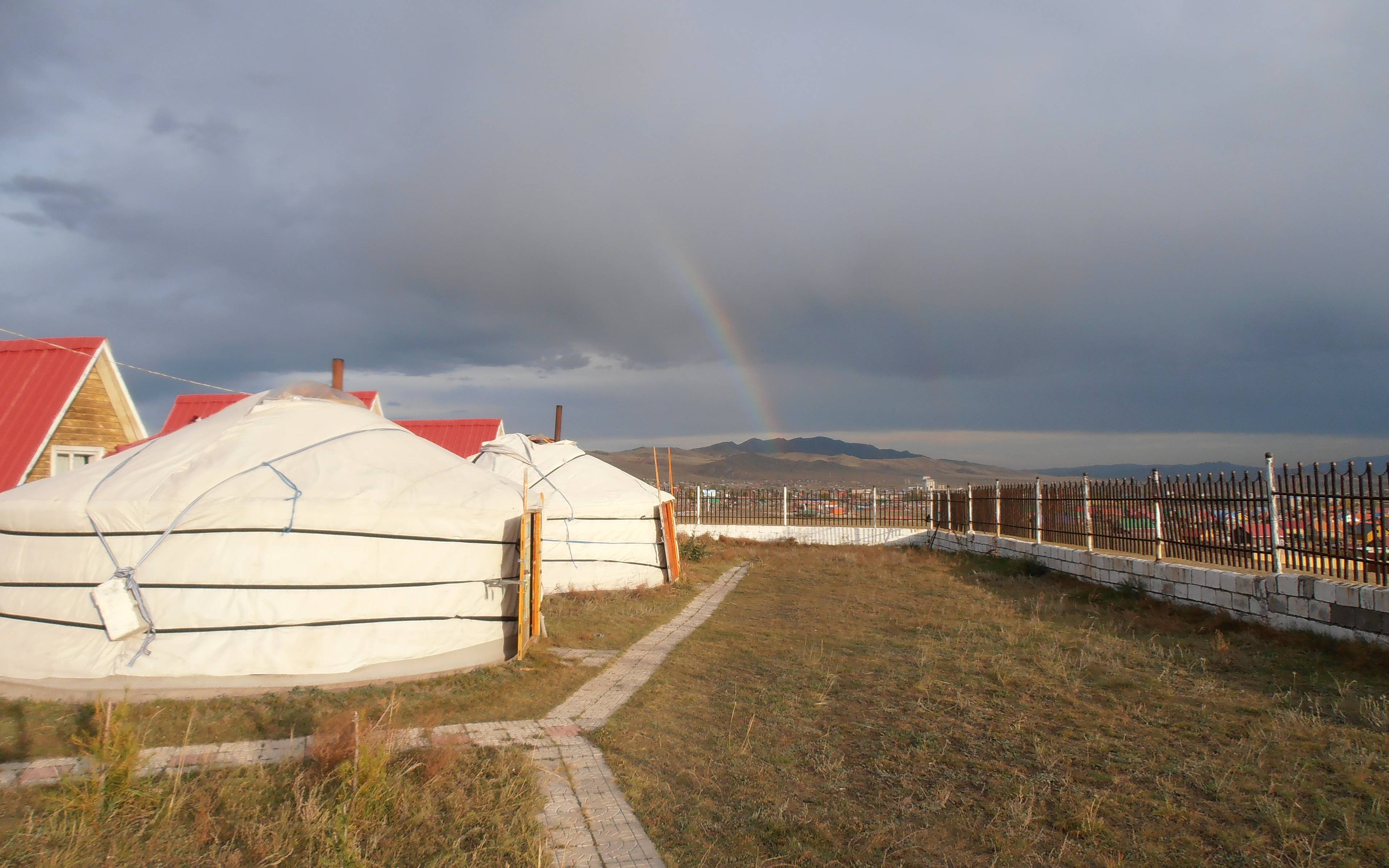
Ulan Bator is Mongolia's astonishing capital city, where contempory life and tradition merge and yurts sit proud next to modern buildings. This noisy, chaotic city is situated in the heart of an immense and semi-desertic steppe that was once home to Genghis Khan.
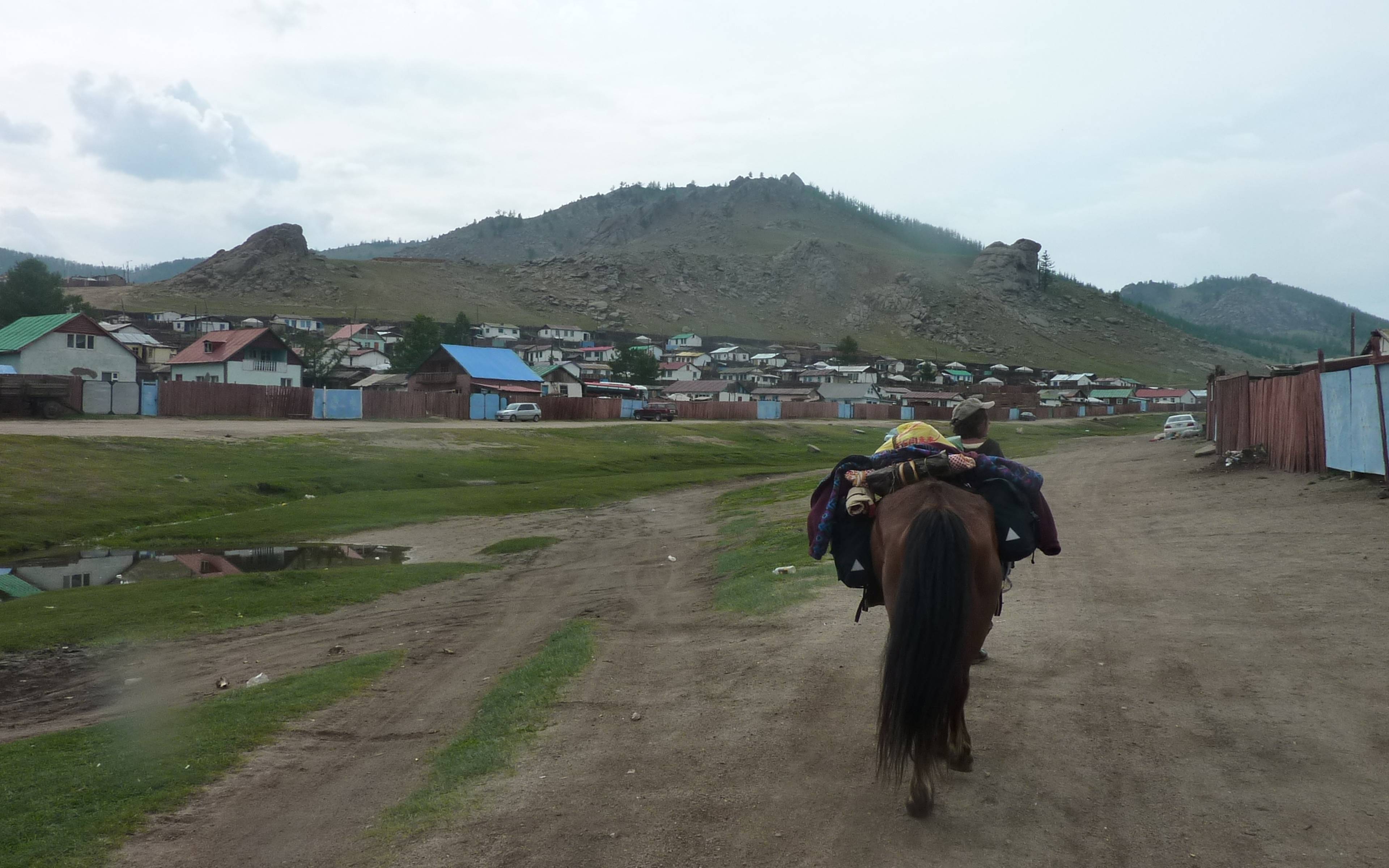
Tsetserleg is the capital of the Arkhangai 'aimag'. At more than 1,600m high, this lush, verdant town , which sits in little valley, stands out from the rest.
Bulgan is the capital of the Bulgan 'aimag' and is situated to the northwest of Ulan Bator. It's more of a stopover along the road leading to Lake Khövsgöl than a tourist hotspot. 
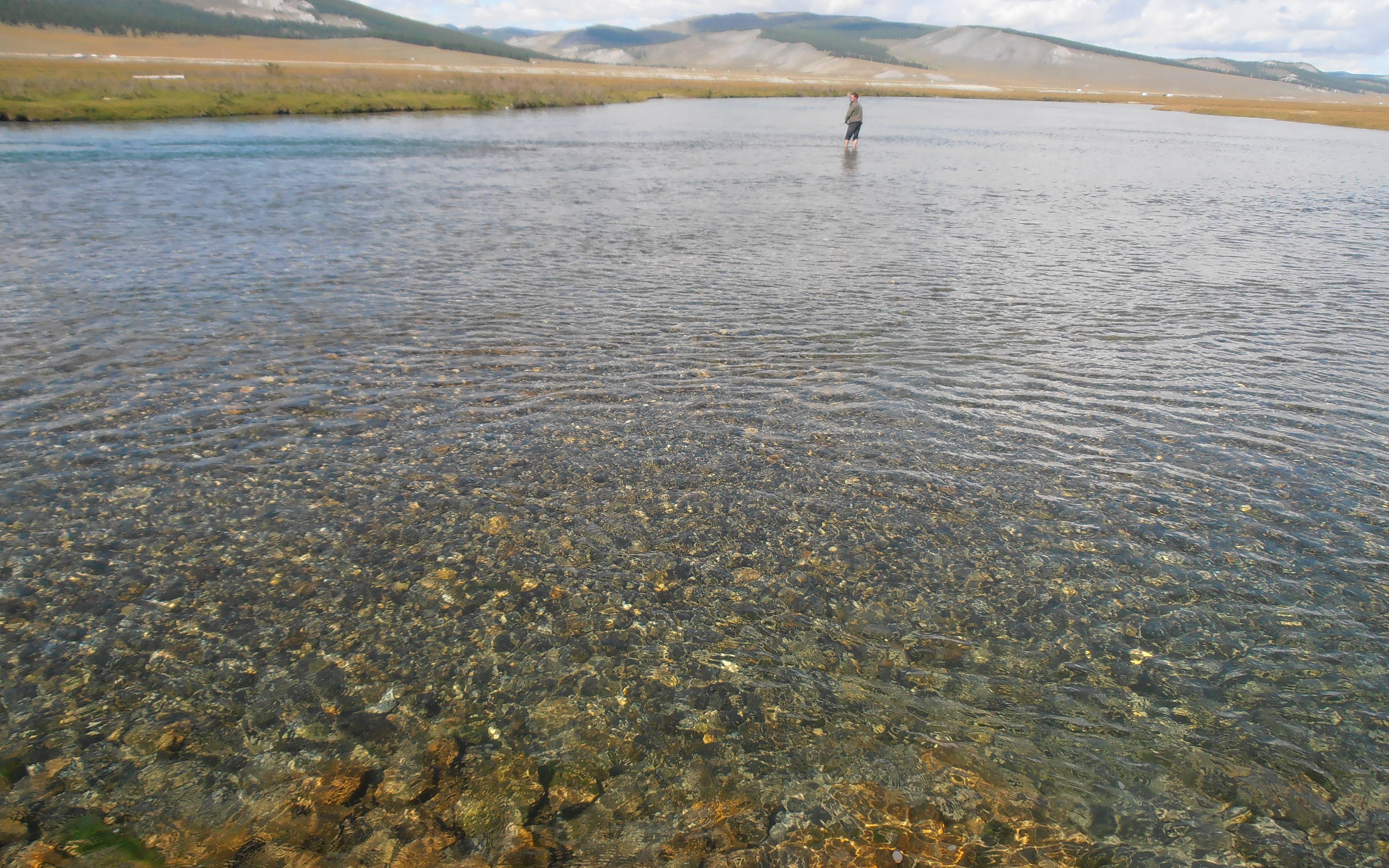
Situated at more than 1,600m high, Khatgal is at the southern edge of Lake Khövsgöl, from where the River Egg flows. It's a favourite with Mongolian tourists, who come to cruise around the lake.
Khovd is the capital of the aïmag (region) that bears the same name and is situated to the east of the country. It has a population of 20,000 and stretches as far as the Altaï foothills.
Capital of the little province of Orkhon, Erdenet is Mongolia's third largest town. It's thrived thanks to a large copper mine that employs around 8,000 people and is currently the fourth largest in the world.
The entrance to the Gobi desert is within easy reach. It is an easy-to-reach destination, whether you are coming from China or Ulaanbaatar, the capital.
Mörön is the relatively small, modest capital of Khövsgöl...although it does have its own airport.
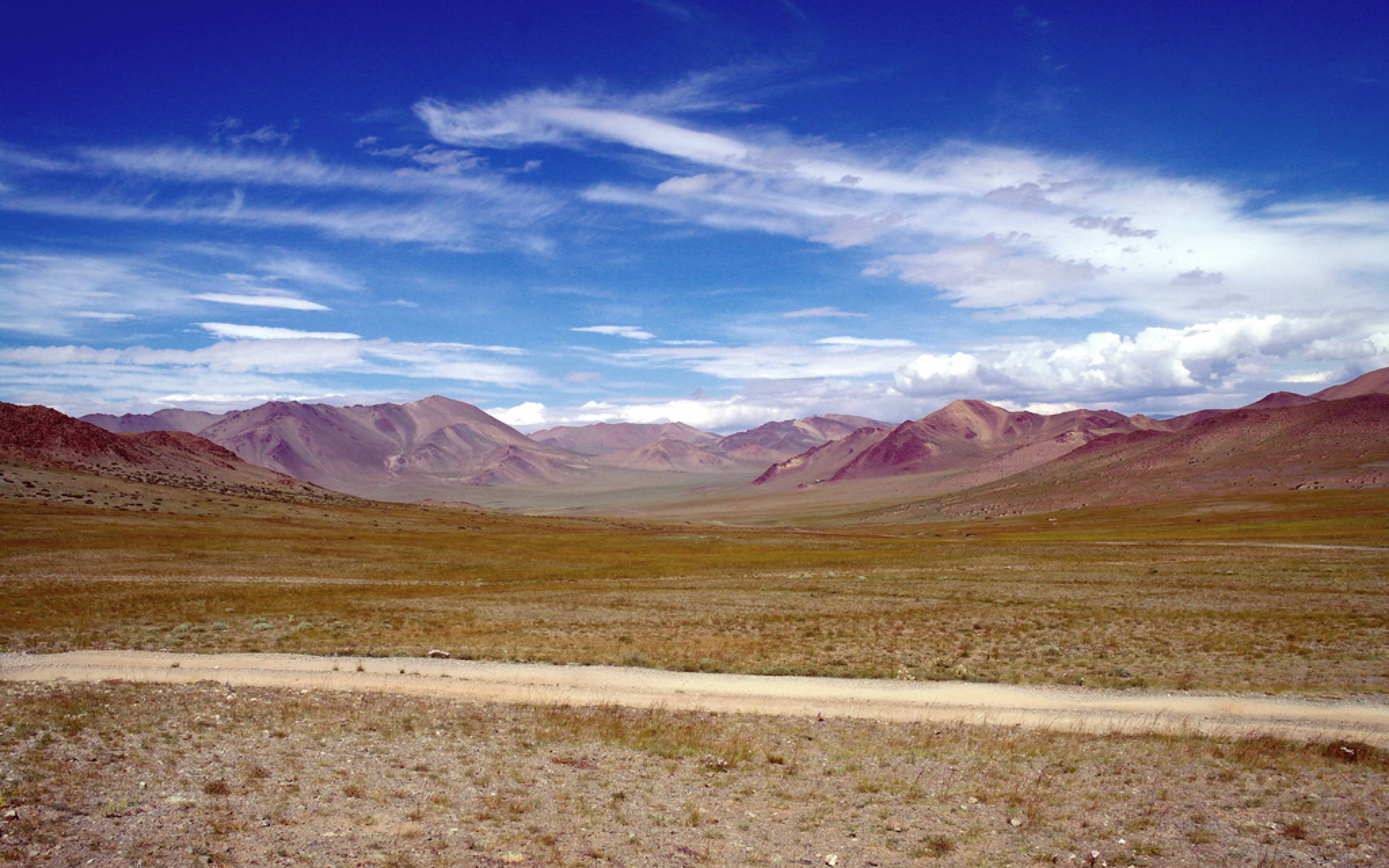
Dalanzadgad, which is situated in southern Mongolia, is a departure point for the Gobi Desert and Yolyn Am. A mix of ugly Soviet-style buildings and traditional yurts, the town stretches across an arid, desert landscape.
12