
Niagara Falls

Niagara Falls Vacations

4.7
3 reviews
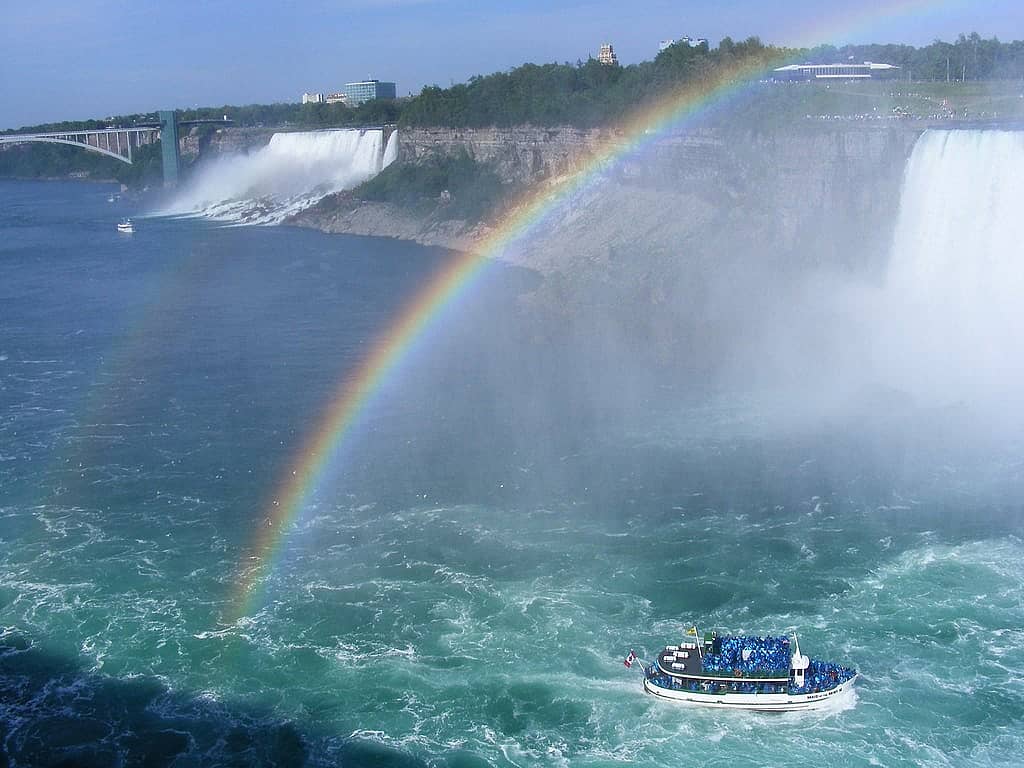
A deep rumble, a curtain of spray, rainbows hanging in the shimmering mist.

Visit Niagara Falls

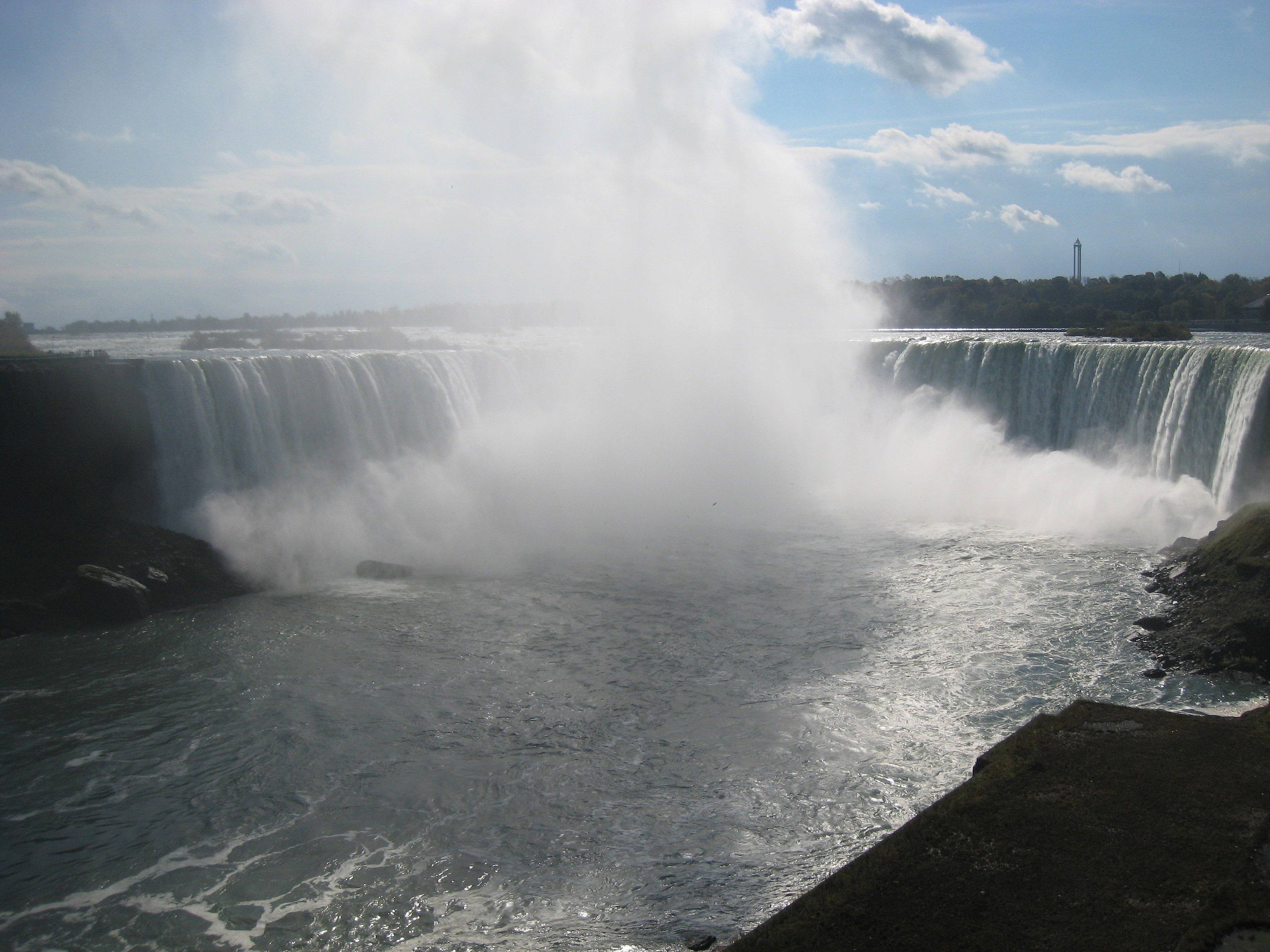
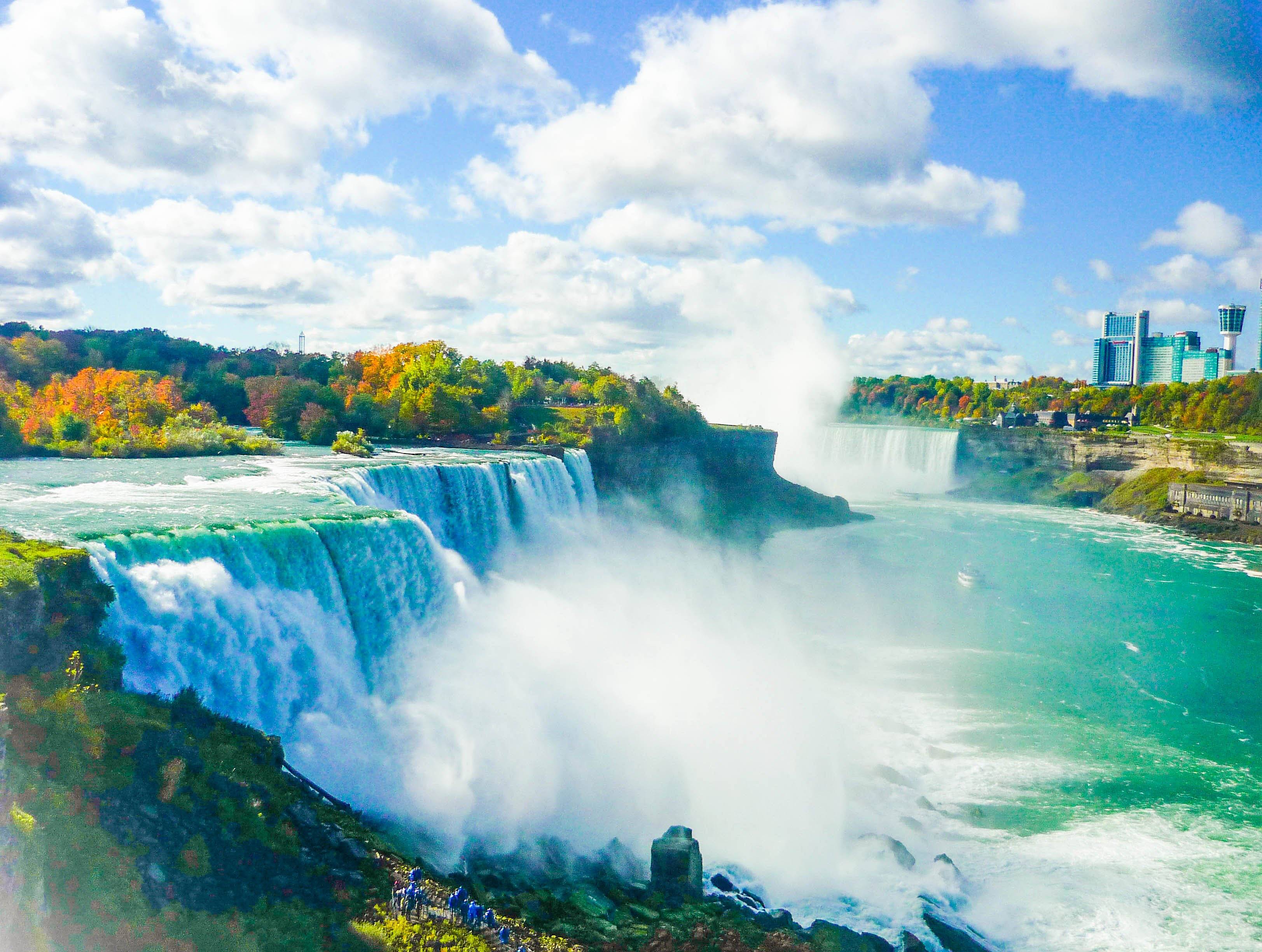
Niagara Falls, Canada, is a striking setting where millions of gallons drop with unstoppable force, and there's no shortage of things to do in Niagara Falls to feel that power up close. On the border between Ontario and the United States, Niagara Falls delivers a rare natural spectacle, three massive waterfalls, mist rising like a veil, and a constant rumble that makes the air vibrate. Take it all in from the overlooks, get close by boat or feel the power from a tunnel carved into the rock. Niagara Falls is more than a postcard view. It's a full sensory experience. Ready to find out everything you need to know to make the most of this unforgettable moment?

  • Family
  • Essential
  • Nature, Adventure & Sport

Niagara Falls: How to get there?

Niagara Falls is located in the province of Ontario, Canada, on the U.S. border between Lake Ontario and Lake Erie, near the city of Niagara Falls.

Niagara Falls: When to go?

The best time to visit Niagara Falls in Canada is between May and September, when the falls are especially powerful, the weather is pleasant, and the atmosphere feels more vibrant.

Niagara Falls: For how long?

Plan a day to experience Niagara Falls from the Canadian side, with a scenic walk, a boat cruise, and must-see viewpoints.

Learn more about your destination

6 Things to do in Niagara Falls

1. Get close to the falls by boat

It’s the experience you won’t want to miss. Boarding a boat that ventures close to the falls means feeling the falls rumble through your chest, being wrapped in a cloud of mist, and watching thousands of tons of water crash down in front of you. With a poncho or rain jacket over your shoulders and your camera safely tucked away, you glide slowly to the base of Horseshoe Falls, the heart of the Canadian falls. The moment feels both powerful and almost unreal.

These cruises usually operate from May, often through the end of the year, and offer a full immersion in the falls’ rushing energy. Despite the spray and the raw force all around you, it can feel almost meditative.

2. Go behind the scenes with Journey Behind the Falls

For a different perspective, head deep into the falls on the underground Journey Behind the Falls route. You’ll take an elevator 125 feet down, then walk through tunnels carved into the rock. At the end, observation platforms bring you literally behind the curtain of water.

Here, the force of nature echoes through the walls. The water rushes past just feet away, you feel every drop on your skin, and grasp the power of the Niagara River. It’s a more intimate approach, less spectacular at first glance, but just as moving.

3. Rise above the falls in a balloon

Step into a balloon basket and in seconds you're lifting straight up, hundreds of feet above the ground, for a bird's-eye view of the falls. Unlike a traditional hot air balloon, this one stays tethered to a fixed spot near the falls, so instead of drifting off across the countryside, it simply rises and holds steady, giving you time to take it all in.

From up there, the white churn of Horseshoe Falls spreads out below you, the Niagara Gorge cuts through the landscape, and the twin cities on either side of the river come into view. The ride lasts about 15 minutes before you're lowered gently back down. It's one of the few ways to see the falls' true scale from above, and the view is just as striking at dusk, when the lights below begin to glow.

4. Walk or bike along the Niagara Parkway

This may be one of the most scenic routes in the country for taking in the region’s landscapes. Following the banks of the Niagara River for nearly 34 miles, the Niagara Parkway connects the town of Niagara-on-the-Lake to the falls. From the lookout points along the way, you can see rapids, fleeting rainbows, and gently rolling countryside.

Away from the immediate bustle around the falls, this route reveals a calmer side of Canada. Rent a bike, or take your time on foot along the most accessible sections. The pace is peaceful, the viewpoints are plentiful, and you’ll likely pass a few anglers or families enjoying a picnic.

5. Discover Niagara-on-the-Lake and its vineyards

Less than 30 minutes from the falls, Niagara-on-the-Lake is a gem of colonial elegance. Flower-lined streets, Victorian façades, small cafés, and theaters bring its well-preserved historic center to life. But what really makes the town famous is its wineries, especially their renowned ice wine.

Head out for a tasting at a local winery, chat with producers, and stroll between the rows of vines in the breeze from Lake Ontario. It’s a gentle pause, perfect for slowing down during a trip filled with powerful experiences.

6. Experience the nighttime magic of illuminations and fireworks

When dusk falls, the waterfalls take on a new face. They glow with pink, blue, and golden reflections in a light display that changes throughout the evening. From May to October, fireworks add their own touch, brief but intense bursts reflected in the mist and the shimmering surface of the river.

Find a spot along the riverbank and ease into the nighttime atmosphere. Everything feels calm and suspended. You stay there, eyes fixed on the sparkling cascades, as if time had stopped.

Stop at Niagara Falls on a tailor-made trip to Canada

With Evaneos, you can travel with peace of mind: your Canada trip is designed with a local, English-speaking expert who lives there and knows the destination inside and out. They’ll guide you beyond the usual routes, from must-sees like Niagara Falls to lesser-known gems that reveal the full richness of the country.

From the best things to do in Niagara Falls to hiking in the Rockies, sleeping in a cabin in Gaspésie, or tasting maple syrup with a local producer, your itinerary is tailor-made around your interests and your pace.
Niagara Falls: practical information for travel

From Toronto, the closest major city, you can reach Niagara Falls in about an hour and a half by car, or by train with GO Transit to Niagara Falls Station. It’s an easy option for a day trip or an overnight stay, just steps from the powerful roar of the falls.

Access to Niagara Falls on the Canadian side is free. You can admire the falls from the Niagara Parkway promenade at no cost. Only certain attractions require a ticket, such as boat cruises that take you closer to the falls. Local experts can help you choose the best option.

Niagara Falls is visible at any time and freely accessible 24/7. For a panoramic view from the Skylon Tower, hours are usually 9 a.m. to 10 p.m. Experiences like Journey Behind the Falls are generally open from 9 a.m. to 8 p.m. Hours vary by season, so check the official website for the latest details.

No, you can’t swim at Niagara Falls, and for good reason: the water plunges with dizzying force, up to nearly 99,000 cubic feet per second. The whirlpools are powerful, and the currents are unpredictable. It’s not safe to dip even a toe in. To enjoy the water safely, choose a boat cruise with a rain poncho, or a spa with panoramic views of the rushing falls.

Around the base of Niagara Falls, nature is full of life, too. Just steps from the falls, an entire ecosystem unfolds. You may spot:

  • The peregrine falcon, slicing through the sky above the misty gorge with remarkable speed. A striking aerial ballet.
  • The ring-billed gull, circling through the mist as if saluting the force of the water.
  • The raccoon, a clever nocturnal wanderer that emerges at dusk to forage through the surrounding woods.
  • The eastern gray squirrel, agile and curious, often seen along the trails of Niagara Glen.

Niagara Falls is surrounded by surprisingly diverse plant life, supported by a humid, temperate microclimate:

  • The gorges and riverbanks are home to deciduous forests with sugar maples, oaks, ashes, basswoods, and beeches, along with conifers such as eastern white pine. The constant moisture supports a rich variety of ferns, mosses, and shade-loving plants.
  • You’ll also find wildflowers that are rare in Ontario, including white trillium, bellwort, and certain native orchids.
  • The wetlands and banks of the Niagara River shelter willows, sedges, and aquatic plants, making the area a true botanical refuge within a spectacular landscape.

For a stop near Niagara Falls, Niagara-on-the-Lake is an ideal choice: charming, peaceful, and full of character, it lets you enjoy the drama of the falls while staying away from the busiest crowds. Niagara Falls offers direct access if you want to stay as close as possible. St. Catharines, with its more local feel, appeals to travelers who want to go beyond the usual route.

Evaneos’ local experts are passionate about their region and know accommodations with both charm and purpose: eco-friendly guesthouses, family-run inns among the vineyards, and places hosted by people who truly care. They’ll guide you away from big hotel chains toward a more personal, sustainable experience near the majestic falls.

Niagara Falls: What to see in the surroundings?

What our travelers think about their stay

Canada: our articles for your vacation