

6 Things to do in Banff
1. Ride the gondola to the summit of Sulphur Mountain
The gondola ride up Sulphur Mountain is the best way to take in Banff at a glance, with a panoramic view over the Rockies. From the gondola, the Bow Valley unfolds like a living map, with dark spruce forest, the turquoise ribbon of the river, and clean ridgelines.
Once at the top, follow the trail to Sanson’s Peak. The wind carries the scent of resin and sun-warmed rock. At the end of the day, golden light settles over the summits, and Banff, tiny and far below, suddenly feels a world away.
2. Hike to Johnston Canyon Falls
Johnston Canyon is a limestone corridor carved by water. The trail is accessible and well maintained, following damp rock walls where you hear the waterfalls before you see them.
The Lower Falls come first, and they're loud: the whole canyon fills with the roar. The Upper Falls take more effort to reach but feel wilder once you're there. If you've got time left, walk on to the Ink Pots, small, oddly green pools out in an open patch of forest, easy to miss if you're not looking for them.
3. Bike the Bow Valley Parkway
The Bow Valley Parkway is the slower, more intimate route, full of moments worth noticing. By bike, every detail comes alive, from the crunch of gravel to the scent of pine and the light dappling the forest floor.
Set out early to enjoy the quiet as the valley wakes up. Stops like Morant’s Curve and the river viewpoints invite you to slow down, breathe, and take it all in. With a little luck, you may spot an elk at the edge of the forest. Make sure you always stay at a respectful distance. You can also drive this road slowly, taking your time to enjoy the scenery.
4. Paddle on Lake Minnewanka
Launch a canoe on Lake Minnewanka, a huge lake that feels wilder than any postcard. Small waves tap against the hull, the air is crisp, and the mountains reflect in rippled, shifting patterns.
As you follow the shoreline, you glide beneath cliffs where the main sounds are the wind and the distant call of a bald eagle. Mornings often bring the calmest water. Bring a warm layer, the cold lake keeps the valley cool even in midsummer.
5. Hike to Lake Agnes and the Tea House
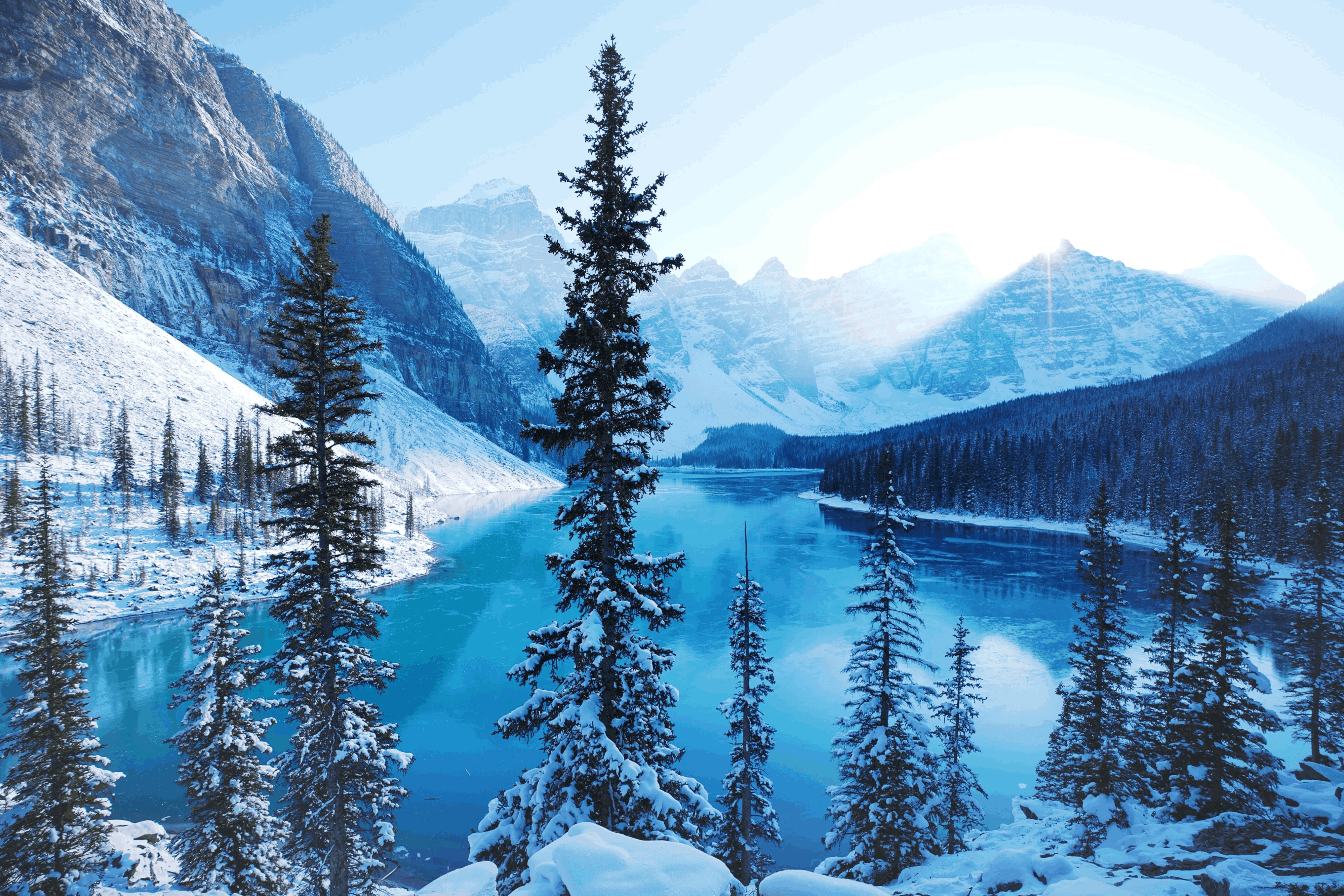
The hike to Lake Agnes combines an accessible trail with a high-mountain setting. From Lake Louise, the trail climbs in switchbacks through the forest, with openings onto the milky blue water below and the steep slopes beyond.
At the top, the small lake sits tucked beneath the cliffs, dark and peaceful. Take a break at the Lake Agnes Tea House, a rustic refuge where you can sip something warm and listen to the quiet, interrupted only by the clink of cups. To keep going, continue on to the Big Beehive and its sweeping views.
6. Relax in the Banff Upper Hot Springs
A soak at the Banff Upper Hot Springs is a warm way to end the day in the crisp mountain air. Steam rises, your shoulders loosen, and the surrounding peaks seem to watch in silence.
Come in the late afternoon for soft light on Cascade Mountain. The mineral water wraps around you while you hear hushed conversations and the gentle sound of water flowing through the pools. A local tip: in winter, keep your towel close. The contrast with the outside air is striking.
Immerse yourself in Banff’s wilderness
Iconic wildlife to look for in Banff
In Banff, keep your eyes open from daybreak. Wildlife is often nearby, along roads and trails:
- Elk: tawny silhouettes in the mist, especially around the Bow Valley, with rutting calls in September.
- Bighorn sheep: agile on the slabs of Mount Norquay, their curled horns catching the sun.
- Mountain goats: white specks on the cliffs along the Icefields Parkway.
- Black bears and grizzly bears: sometimes seen from afar in alpine meadows, binoculars help, and distance is essential.
- Pikas and marmots: whistles and curious faces near the rock fields.
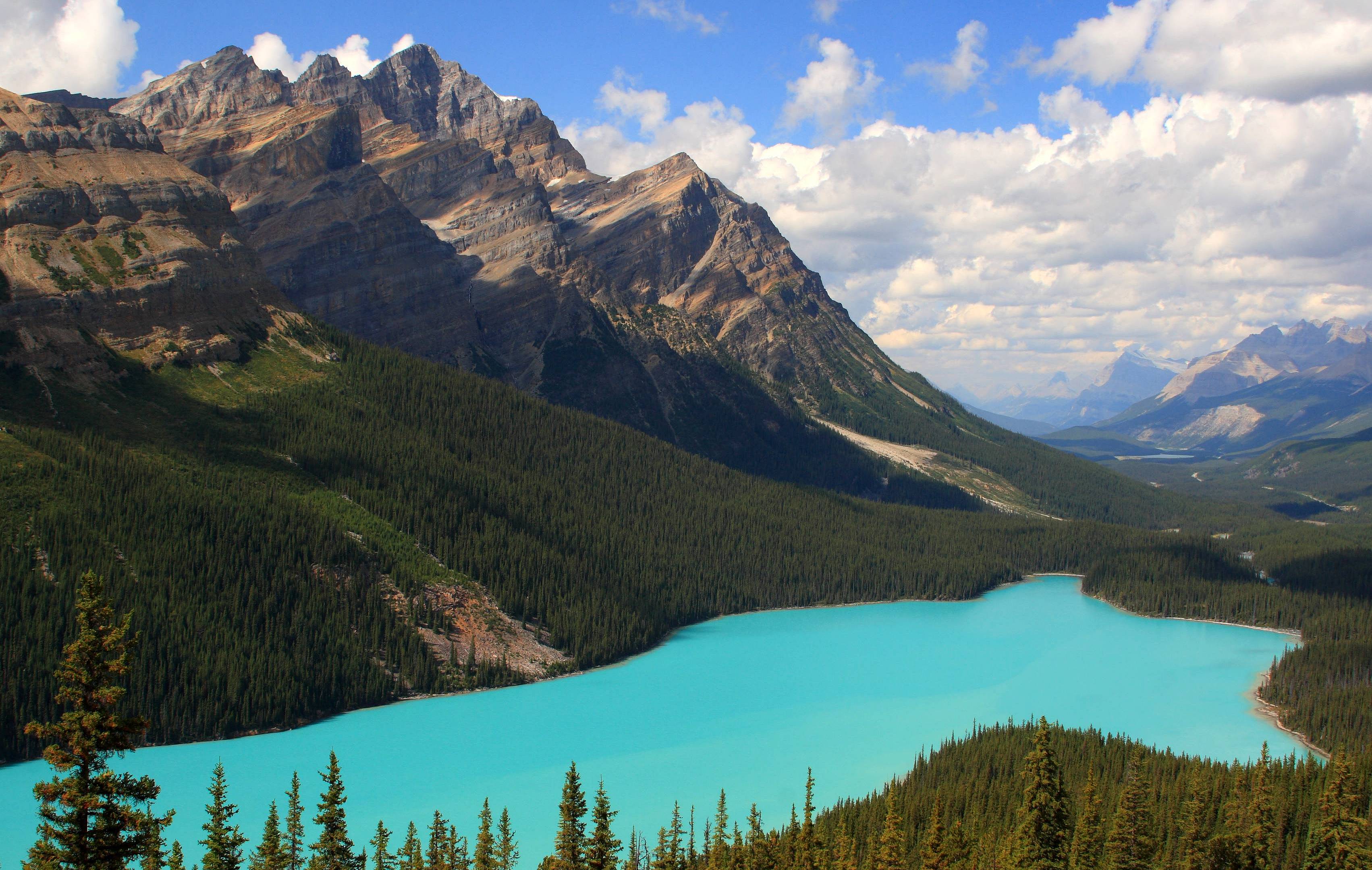
- Bald eagles: soaring above turquoise lakes.
The plants and landscapes that shape Banff
In Banff, plant life changes with elevation. Here’s what you can look for on the trail.
- On the valley floor, forests of lodgepole pine and spruce, scented with warm resin after the rain
- In the understory, carpets of lingonberries, blueberries, and thimbleberries, best observed, not picked, in areas used by wildlife
- Along the rivers, aspens and willows, their leaves trembling with the slightest breeze
- Higher up in the alpine meadows, lupines, arnica, and red paintbrush, bright splashes of color in the short grass
- Near the lakes, mosses and lichens, like velvet on cold rocks
Make Banff a stop on a tailor-made Canada trip
With Evaneos, you’re connected with a local, English-speaking expert based in Canada. On the ground, they know the seasons, distances, scenic back roads, and best timing. The result: less guesswork, more peace of mind, and someone to call if the weather changes or you want to adjust your plans.
Together, you'll design a tailor-made trip built around the things to do in Banff you love most. Whether that's hikes, turquoise lakes, or hot springs, it all happens at your own pace.