

Must-sees and hidden gems: what to see and do in Mauricie?
Mauricie, between Montreal and Quebec City, feels like one long, deep breath. Here, Quebec shows its wild yet accessible side, with shimmering lakes, maple groves that smell of warm sugar in spring, and spruce forests that crunch underfoot. To really experience the region, mix the must-sees with quieter corners, take time to meet local people, and let the rhythm of the water and the seasons lead the way.
1. Explore La Mauricie National Park by kayak or canoe
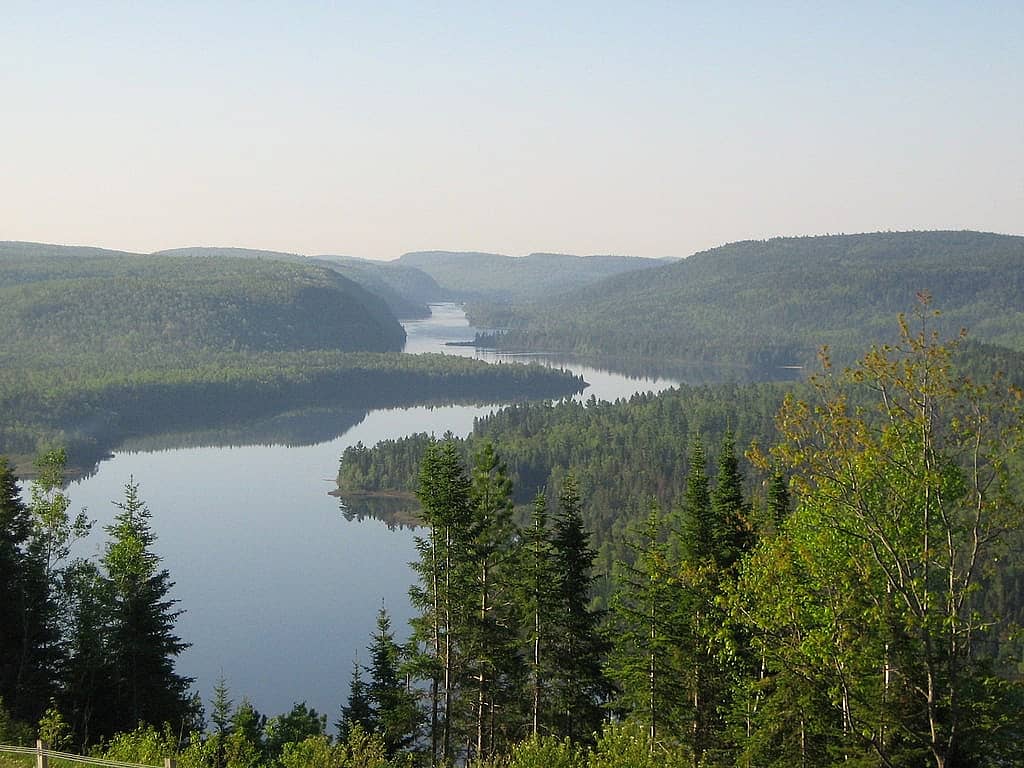
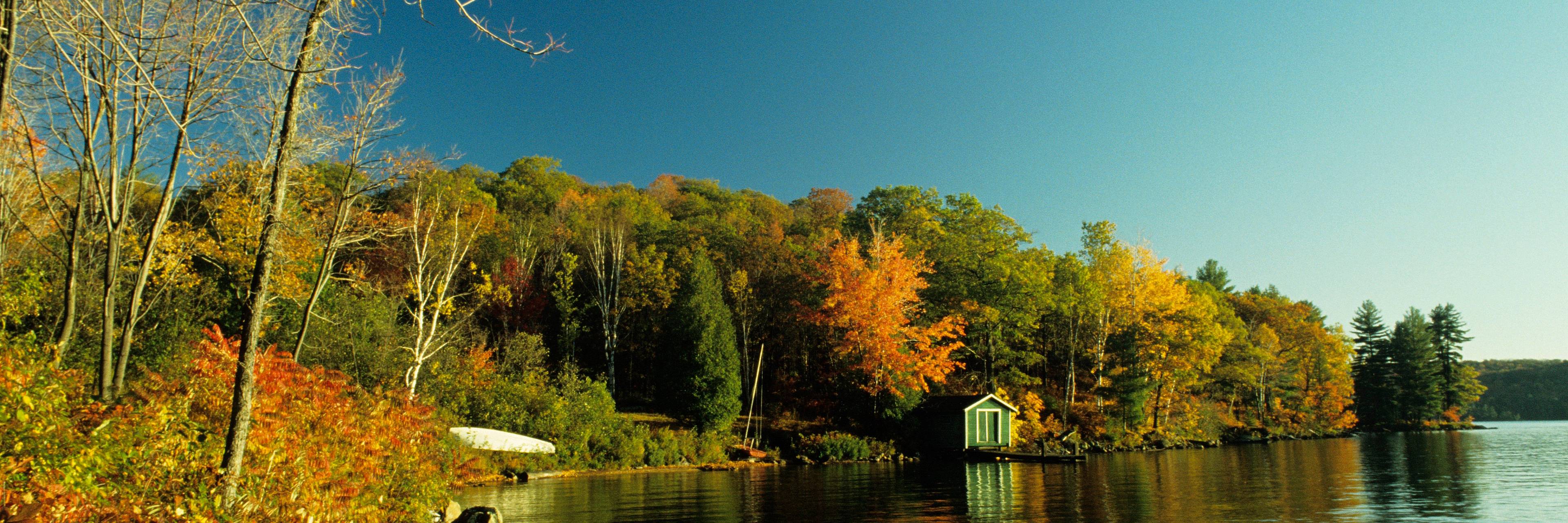
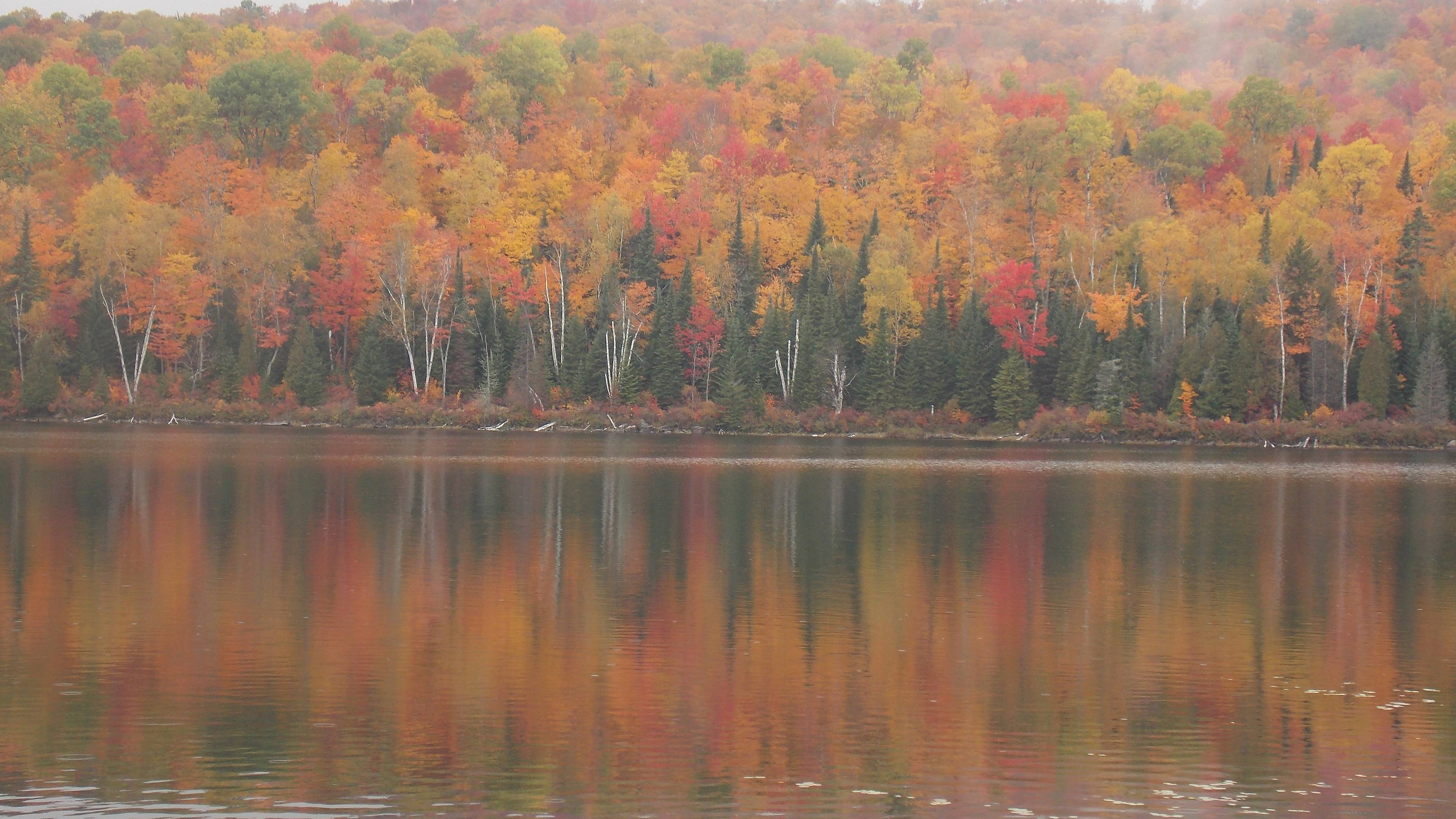
This is Mauricie’s most iconic experience, the kind that wins everyone over with the first few paddle strokes. On Lake Wapizagonke or Lac à la Pêche, the water often glows with amber, tea-colored reflections, edged by white pines and rocks polished by time. Early in the morning, the silence is broken by the call of a common loon, and the air smells of sun-warmed resin.
For variety, combine a short hike to a lookout with time on the water, then end with a swim from a small beach. Local agencies know how to choose the right lake based on the wind and your experience level, and that detail often turns a nice outing into a truly memorable one.
2. Hike to the Lake Wapizagonke lookouts
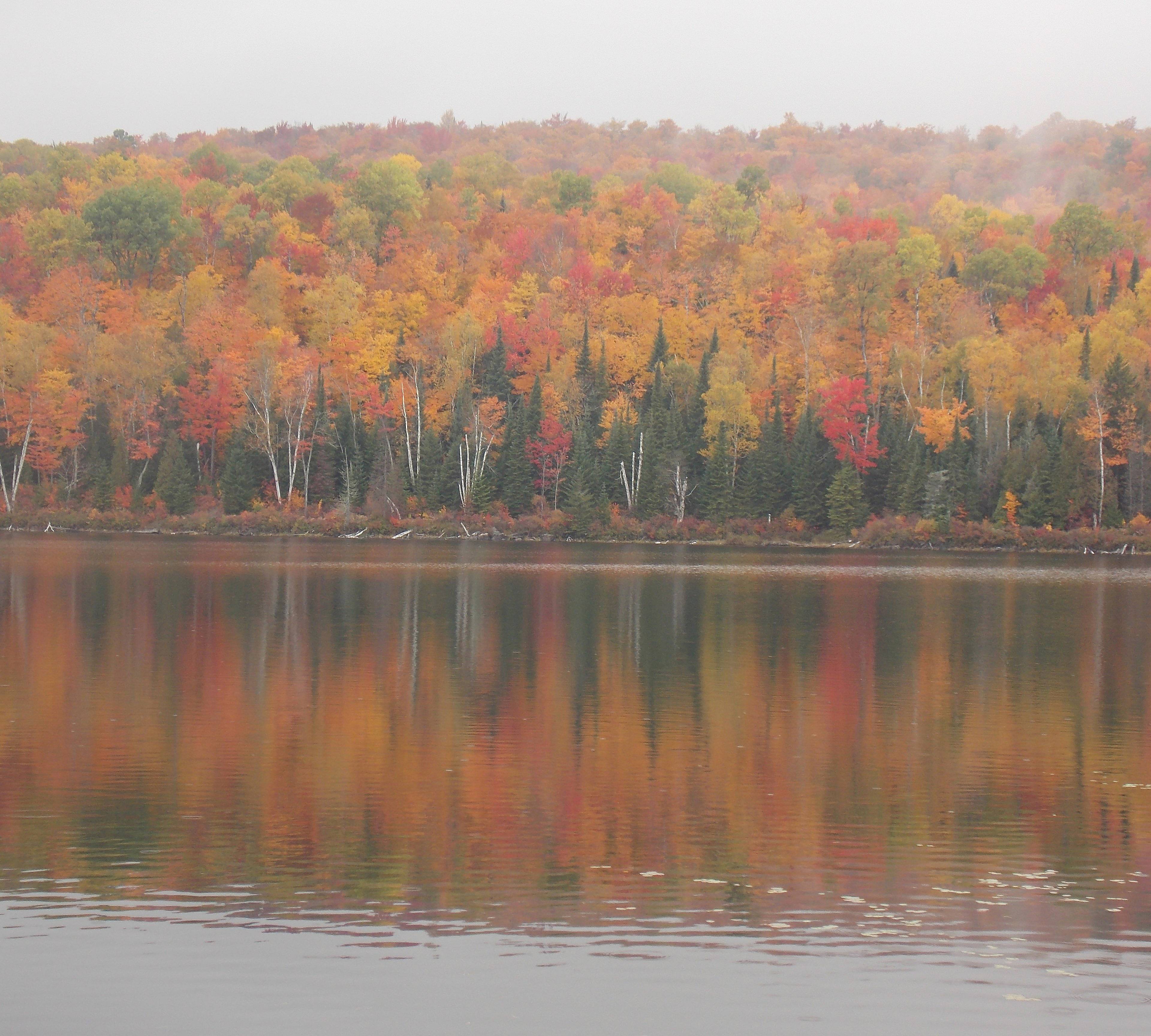
The best views are earned on foot, along trails that alternate between soft forest floor, pine-needle paths, and rocky sections. In the National Park, the lookouts around Lake Wapizagonke offer that rare feeling of watching the forest roll all the way to the horizon, dotted with small islands and coves. In fall, the maples blaze with color, and the light turns golden, almost liquid.
Go in the late afternoon to catch the colors and avoid the busiest times. Bring a small snack, something crunchy, a thermos, and take the time to sit. It’s the perfect place to understand Mauricie’s geography in a single glance.
3. Spend the night in a ready-to-camp tent or cabin in the heart of the park
Sleeping in the park changes everything, because Mauricie also reveals itself when the day goes quiet. In a ready-to-camp tent or cabin, you hear rain drumming on the roof, branches brushing softly, and sometimes a heavier crack in the woods, a moose passing through. In the morning, the air is cool, mist rises from the lake, and coffee tastes like a quiet victory.
It’s an ideal option for families or couples, without the logistics of setting up a tent. Local specialists can help you find more secluded accommodations for a true forest atmosphere, and advise you on the most beautiful areas based on your route.
4. Travel down the Saint-Maurice River and feel the region’s true rhythm
The Saint-Maurice is the backbone of the region, a wide, historic river that carried generations of lumber workers and travelers. Exploring a calm stretch by boat means following a ribbon of dark water between wild banks, sometimes steep, sometimes sandy, with the scent of damp moss and evergreens in the air. The wind brings hints of algae and wet stone.
Depending on the season, choose a gentle canoe outing or a more interpretive guided excursion. Local guides describe the landscapes with precision, without clichés, and help you read the tracks, currents, birds, and human stories that cling to the riverbanks.
5. Wander through downtown Trois-Rivières and its food spots
Trois-Rivières is Mauricie’s small-scale urban gateway, perfect for a break between two nature-filled days. In the old downtown, you walk past brick buildings, patios, and narrow lanes, with the smell of roasted coffee and bakeries drifting onto the sidewalk. Along the St. Lawrence River, evening light reflects on the water, and the air carries the cool, mineral scent of the river.
Look for markets, microbreweries, and restaurants that celebrate local ingredients, cheeses, berries, and maple products. Local agencies often have a list of low-key spots, the kind where people really tell you about the area, not just the menu.
6. Dive into industrial history at La Cité de l’Énergie in Shawinigan
La Cité de l’Énergie tells Mauricie’s story through its engines, quite literally. In Shawinigan, the history of hydroelectricity, factories, and the reshaping of the land becomes clear, with engaging exhibits and a visit that connects your trip to the region's history. You come away with a better understanding of how the river, waterfalls, and dams shaped the region.
It’s an ideal activity when the weather turns, or to balance out a trip focused mainly on the outdoors. You leave with strong images and a new perspective on these landscapes, which are not only beautiful, but have also been lived in, worked, and carefully engineered.
7. Walk beside the falls and rapids at Parc des Chutes de Sainte-Ursule
This quieter spot lets you feel the power of the water up close, without the atmosphere of overcrowded major sites. The trails follow rapids, cross small footbridges, and lead to viewpoints where you can feel the cool spray on your face. The roar of the falls fills the space, and the surrounding forest seems to pulse to the same rhythm.
Wear shoes with good traction, especially after rain. It’s a perfect road trip stop, short but memorable, ideal for stretching your legs and stepping into a more intimate, almost secret side of Mauricie.
8. Enjoy a winter moment with snowshoeing and a Nordic sauna around Saint-Alexis-des-Monts
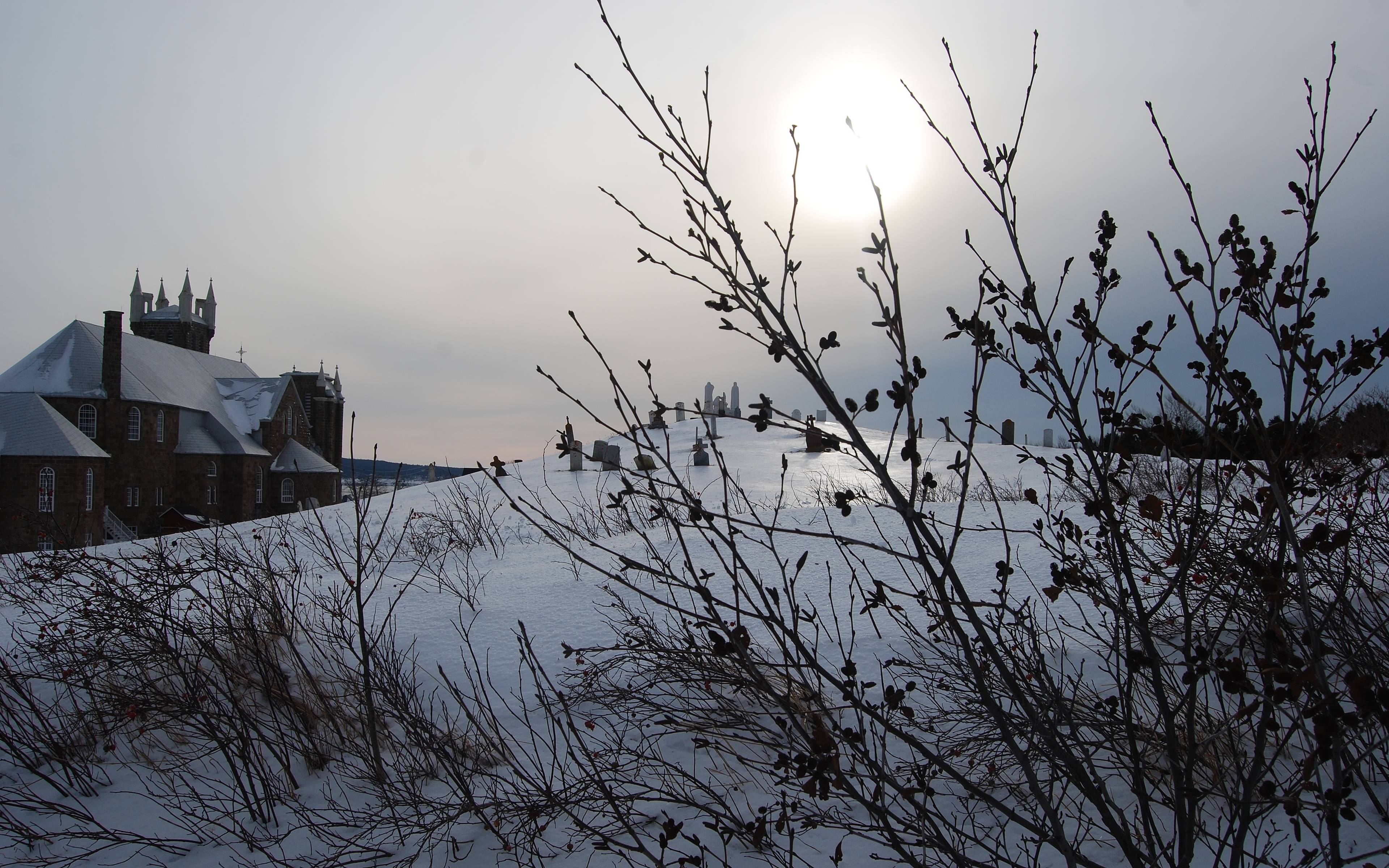
In winter, Mauricie becomes a hushed world, where every snowshoe step makes the snow squeak, and the light turns blue quickly at the end of the day. Around Saint-Alexis-des-Monts, you’ll find beautiful trail networks and accommodations focused on relaxation, sauna, hot tub, silence, and forest all around. The air nips at your cheeks, and each breath rises like a small cloud.
It’s the perfect combination for slowing down, walking for a while, then warming up for as long as you like. Local experts can organize a well-balanced day for both kids and adults, and point you toward lesser-known areas to avoid the feeling that everyone is in the same place.
Add Mauricie to a tailor-made Canada trip
With Evaneos, you’ll be connected directly with local, English-speaking travel experts based in Canada. They live there, know the best seasons, the roads worth taking, the charming places to stay, and the small detours that make all the difference. The result is less stress, better timing, and practical advice that fits your pace.
Want to spend time in Mauricie, between shimmering lakes and pine-scented forests, then continue on to Quebec City, Charlevoix, or the Rockies? Your local expert will build a tailor-made trip around your interests, budget, and the time you have.