

6 Things to do in Jasper
1. Admire Maligne Lake and Spirit Island by boat or canoe
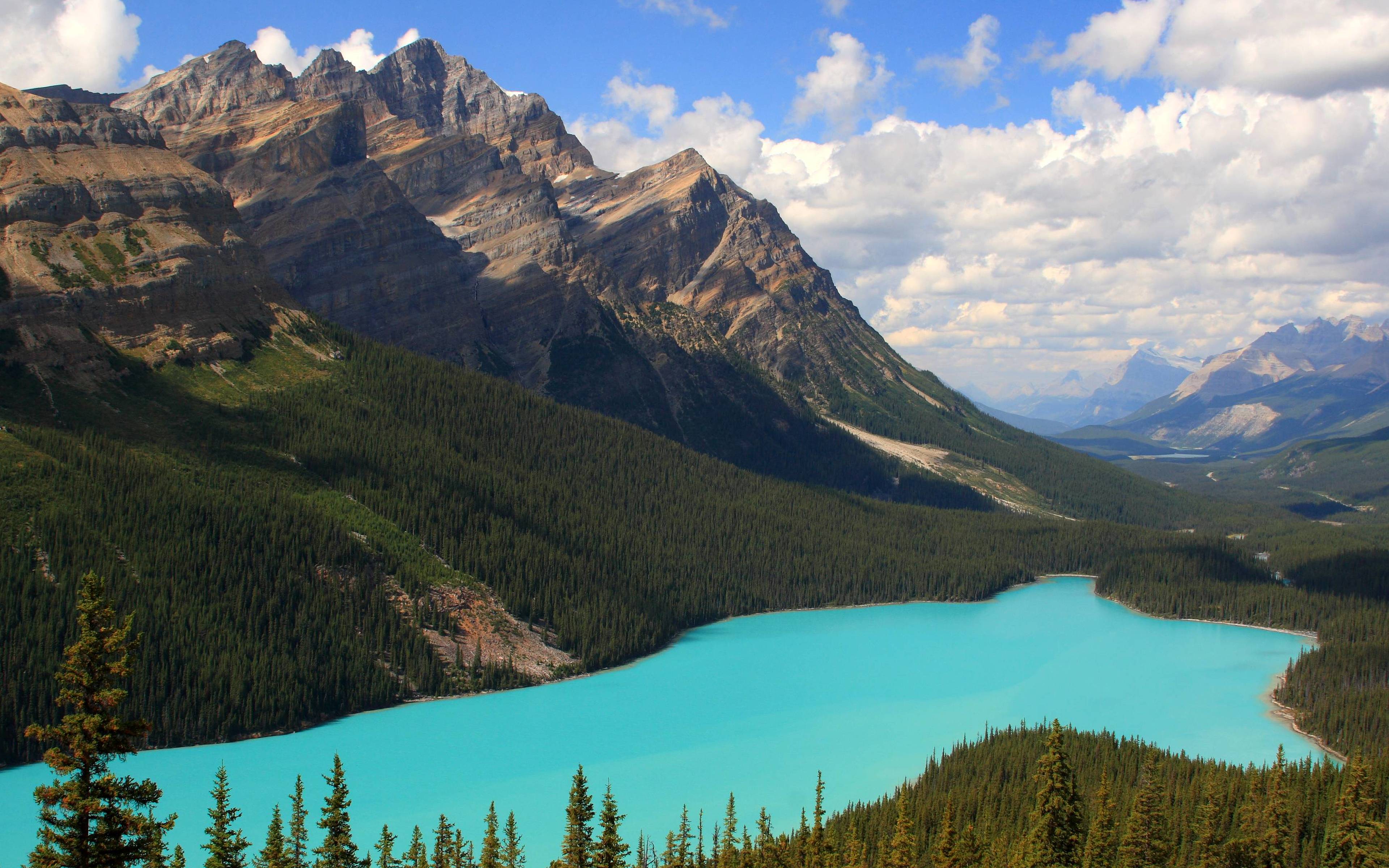
This is Jasper’s signature view, a ribbon of turquoise water framed by dark spruce forests and jagged peaks. In the early morning, Maligne Lake sometimes steams like a cup of tea, with only the sound of gentle ripples breaking the silence. The boat trip to Spirit Island is spectacular, especially when low-angle light sets the distant glaciers aglow.
For a more intimate experience, rent a canoe and follow the shoreline, keeping an eye out for bald eagles and beavers. Local experts can also help you choose the best time of day, when the lake is at its calmest.
2. Take in the views from Whistlers Mountain by tramway, then on foot
This is the lookout that truly reveals the scale of the Rockies. The Jasper SkyTram quickly lifts you above the forest, and suddenly everything opens up, deep valleys, snow-streaked peaks, ribbons of river below. At the top, the air feels sharper, almost crisp, and the light seems clearer.
Continue on the trail toward the summit of Whistlers Mountain. The final stretch crunches with loose rock and gusts of wind, with a full panoramic reward at the top. Local experts can advise you on the right layers and the best timing.
3. Explore the Icefields Parkway to the Columbia Icefield
This is one of Canada’s most beautiful scenic drives, best enjoyed without rushing. Along the Icefields Parkway, every curve reveals a new view, milky-blue lakes, waterfalls as fine as thread, glacier tongues spilling down from the mountains. Stop often, the pleasure is in slowing down, in the smell of sun-warmed pine, in the sharp call of a jay.
Along the way, viewpoints over the Columbia Icefield impress with their sheer scale. Choose short, respectful stops, and ask a local expert for the less-crowded places to pause.
4. Soak at Miette Hot Springs, surrounded by fir trees
This is Jasper’s wellness break, especially after a day of hiking. Slip into the naturally hot water, and your body lets go all at once, shoulders, legs, breath. Around you, mountains frame the pool, and the cooler air on your skin makes the warmth feel even better.
Come in the late afternoon, when the light turns the ridges golden and the atmosphere grows quieter. For an even gentler moment, pair your soak with a short walk nearby, where the forest smells of resin and damp earth.
5. Hike Maligne Canyon, between waterfalls and giant potholes
This is the most accessible walk for feeling the power of rock and water. Footbridges cling to the canyon walls, the air fills with mist, and the roar of the rushing water follows you around every bend. You walk above potholes carved by the current, with dizzying views into the gorge.
Please note that the site is currently closed for safety reasons following the 2024 wildfires. Reopening depends on many factors, so take time to check the latest status of the work before you visit, either with your local expert or the appropriate authorities.
6. Watch for wildlife at sunrise, while keeping your distance
In Jasper, wildlife encounters can become part of everyday life here, if you move at the right pace. At dawn, the valley slowly wakes, mist sometimes hangs low over the meadows, and you may spot elk, bighorn sheep, or even a bear in the distance. The secret is patience, binoculars, and a truly respectful distance.
Follow the recommendations of local guides, who know the right areas and seasons without disturbing the animals. Stay on safe pullouts, turn off the engine, and listen, the crack of a branch can be enough to signal a nearby presence.
A closer look at Jasper National Park
Iconic wildlife to look for in Jasper
In Jasper, keep your eyes and ears open, wildlife often appears around a shimmering lake or at the edge of a pine-scented clearing.
- Elk: at dusk, their rough bugle echoes near the meadows of Maligne Valley
- Bighorn sheep: agile silhouettes on scree slopes, often spotted along roadside cliffs throughout the park
- Black bears and occasionally grizzly bears: observe them from a distance as they forage on berry-covered slopes
- Caribou: rarer, found in protected subalpine areas
- Beavers: discreet dams along creeks, with a sharp tail slap when alarmed
- Eagles and ospreys: slow circles above the lakes, with a hunter’s focused gaze
The plants and landscapes that shape Jasper
In Jasper, keep an eye out for the typical plant life that lines trails, valleys, and lakeshores:
- White spruce and subalpine fir, with resin scents and soft forest floors in the mountain woodlands.
- Lodgepole pine, slim silhouettes adapted to poor soils and long winters.
- Trembling aspen and balsam poplar, with leaves that flutter, especially vivid in the fall.
- Willows and alders, along the Athabasca River and in wetland areas.
- At higher elevations, subalpine larch and carpets of alpine flowers, anemones, arnicas, and lupines, once summer settles in.
Include Jasper on a tailor-made Canada trip
With Evaneos, you'll be connected directly with a local, English-speaking travel expert based in Canada. They know the roads, the seasons, the right distances, and the small details that make all the difference, from the best timing for the Icefields Parkway to the top things to do in Jasper.
Together, you’ll build a tailor-made trip that feels like you, between the Rockies, vibrant cities, and wide-open spaces. Most importantly, you’ll have someone on the ground who can respond quickly, adjust a stop, recommend a great place, or help if the weather decides to shake up the plan.