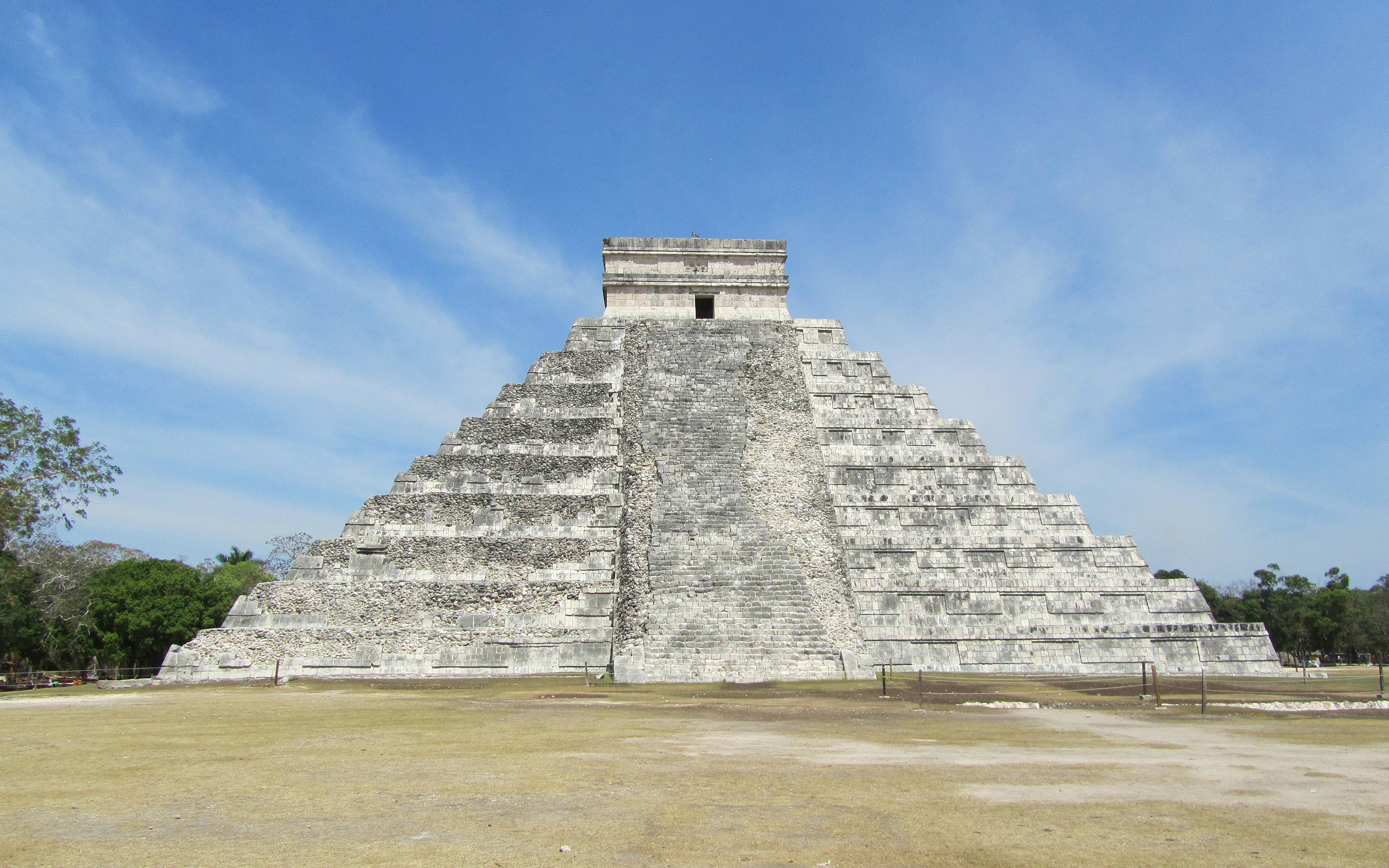
Chichen Itza is an old Mayan town on the Yucatan peninsula in Mexico. It is wonderfully well preserved. It is a UNESCO World Heritage Site and is one of the 7 new wonders of the world. What else can I say! 
A superb ancient Mayan city in the south of Mexico.
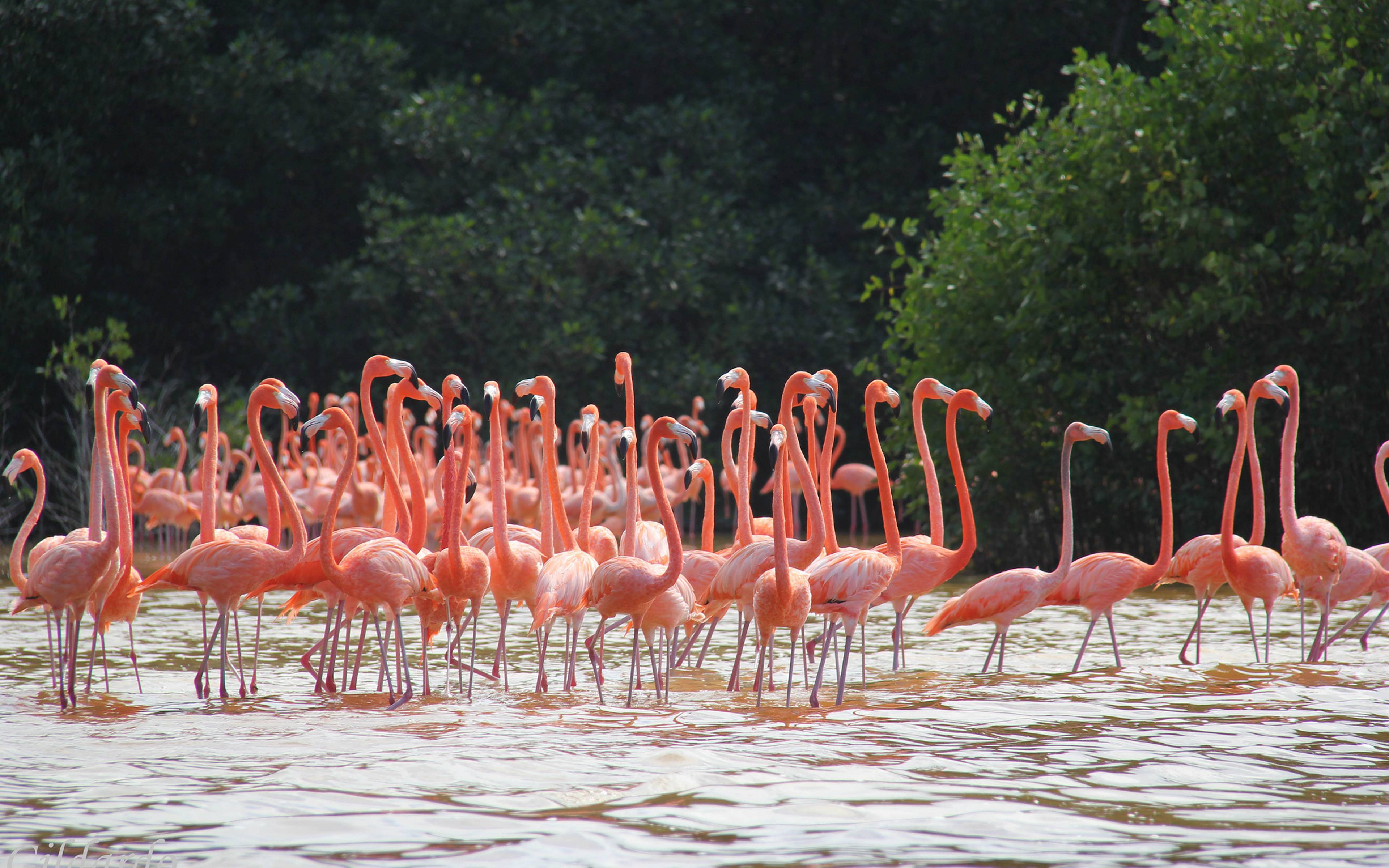
A small town, famous for its pink flamingoes, located a few kilometres from Mêrida on Yucatán's east coast.
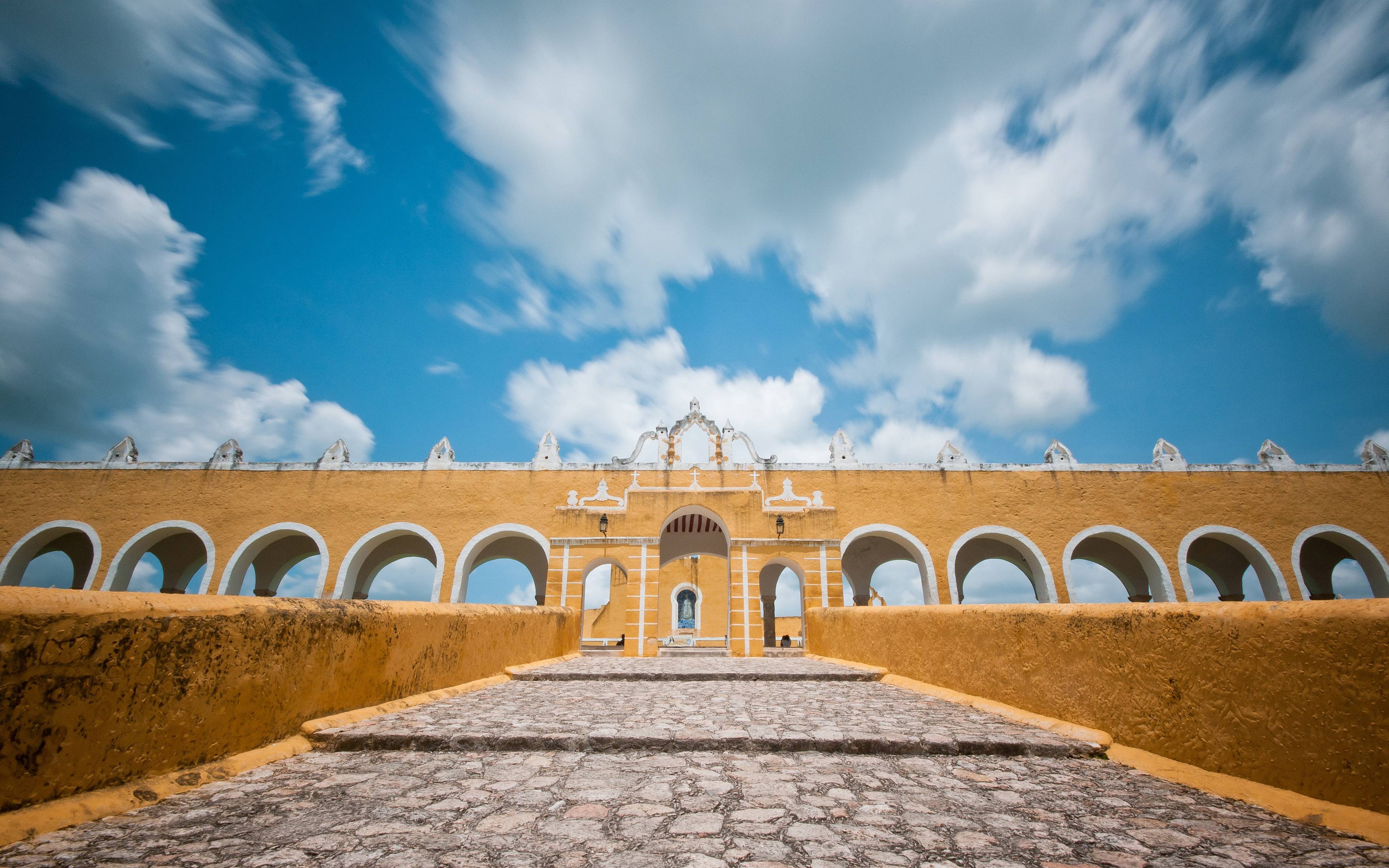
The lovely small town of Izamal, (whose name means "the rose who came down from the sky"), is better known in Yucatan under the name of the "Yellow City".
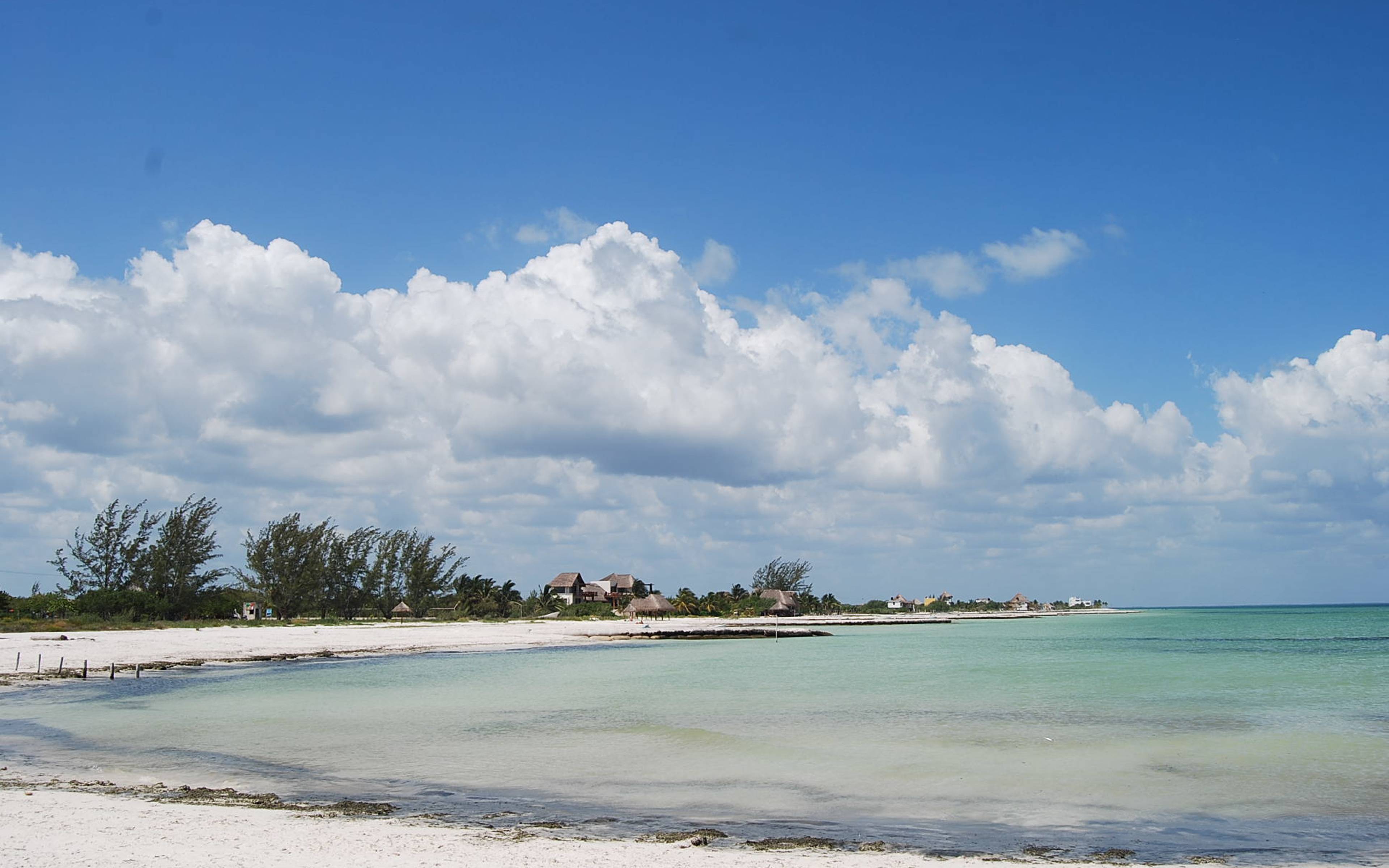
An island paradise in the north of the Yucatan peninsula, which is very different to the tourist towns of Quintana Roo.
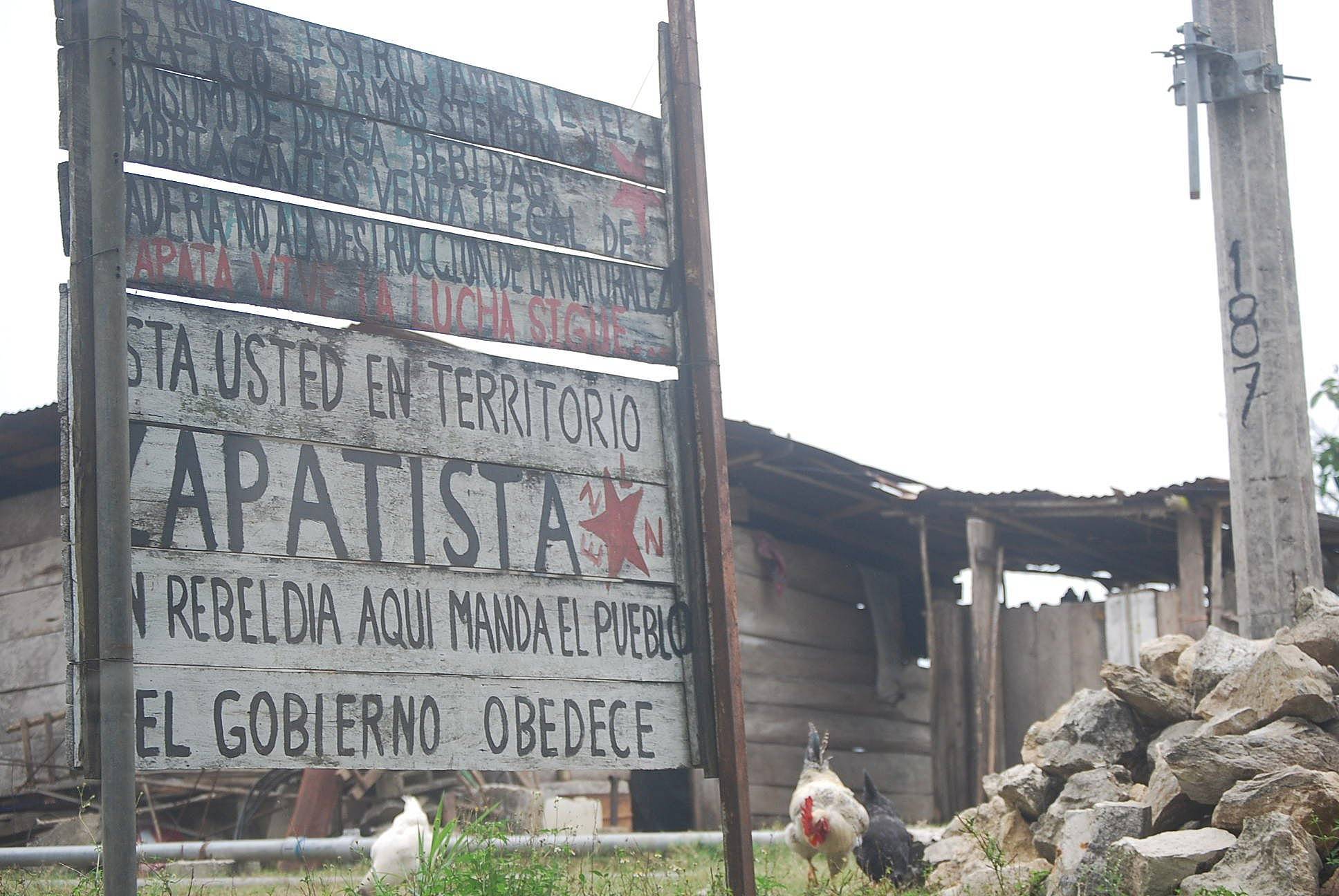
A magnificent region between the jungle and the mountains in the south of Mexico, bordering Guatemala.
A temple in the middle of the jungle, an experience recalling Indiana Jones.
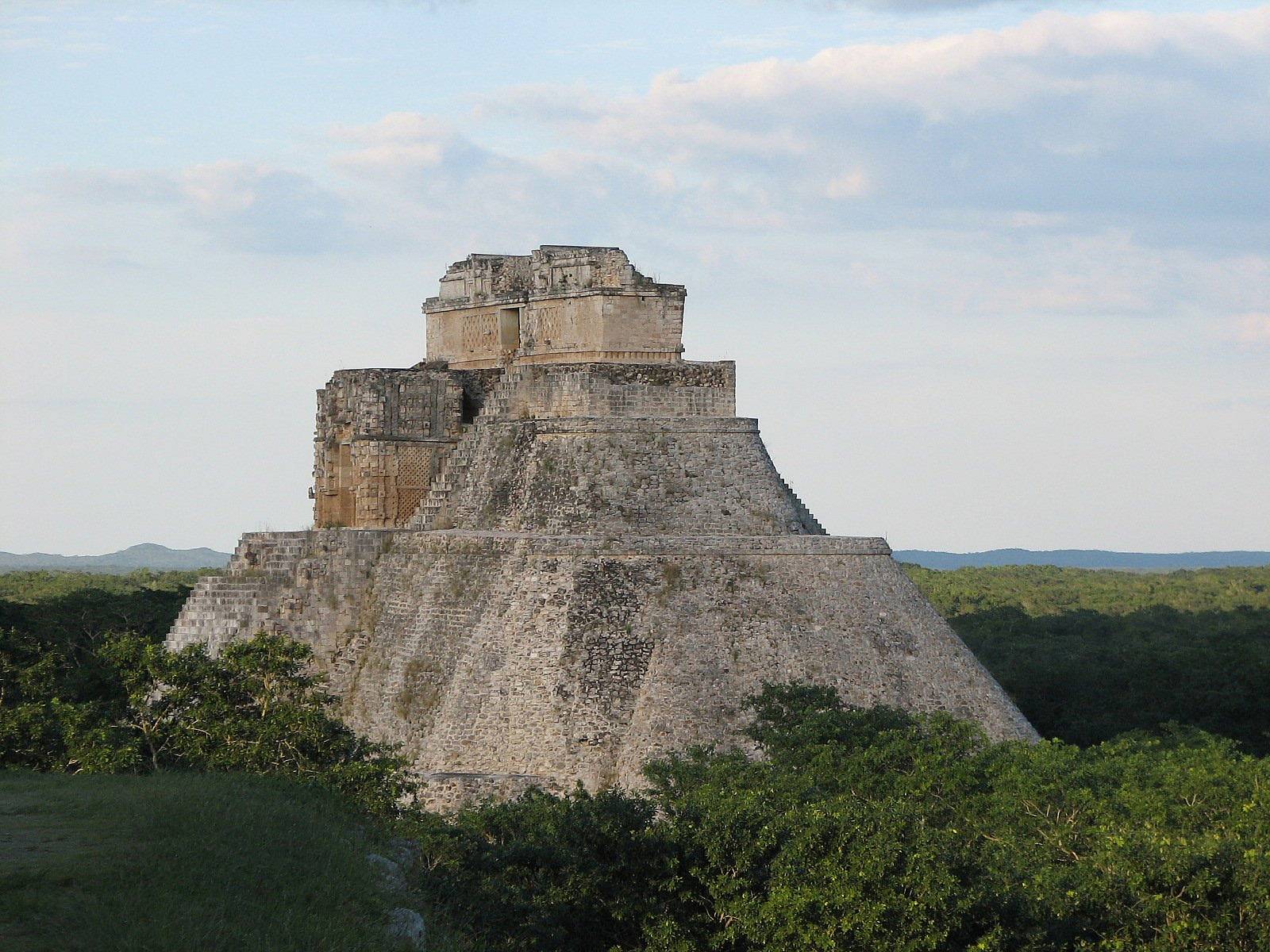
A Mayan city from the classic epoch on the Yucatan peninsula, south of Mérida.
An amazing biosphere reserve in Quintana Roo. If you're in the Yucatan, this is one for the itinerary during your trip to Mexico.
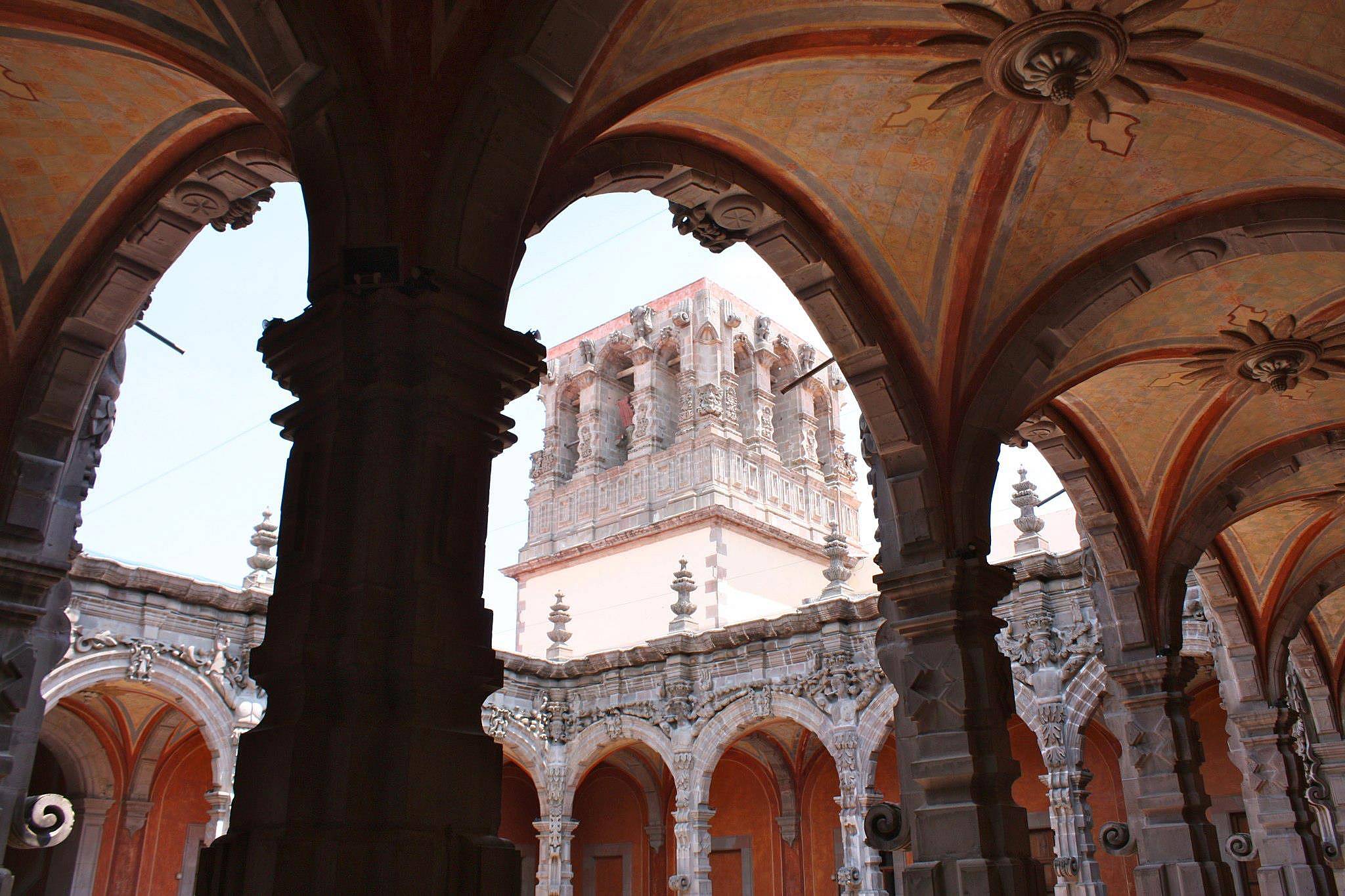
Querétaro is Mexico's best representative of the mix of big town, historical heritage and a calm, clean provincial atmosphere.
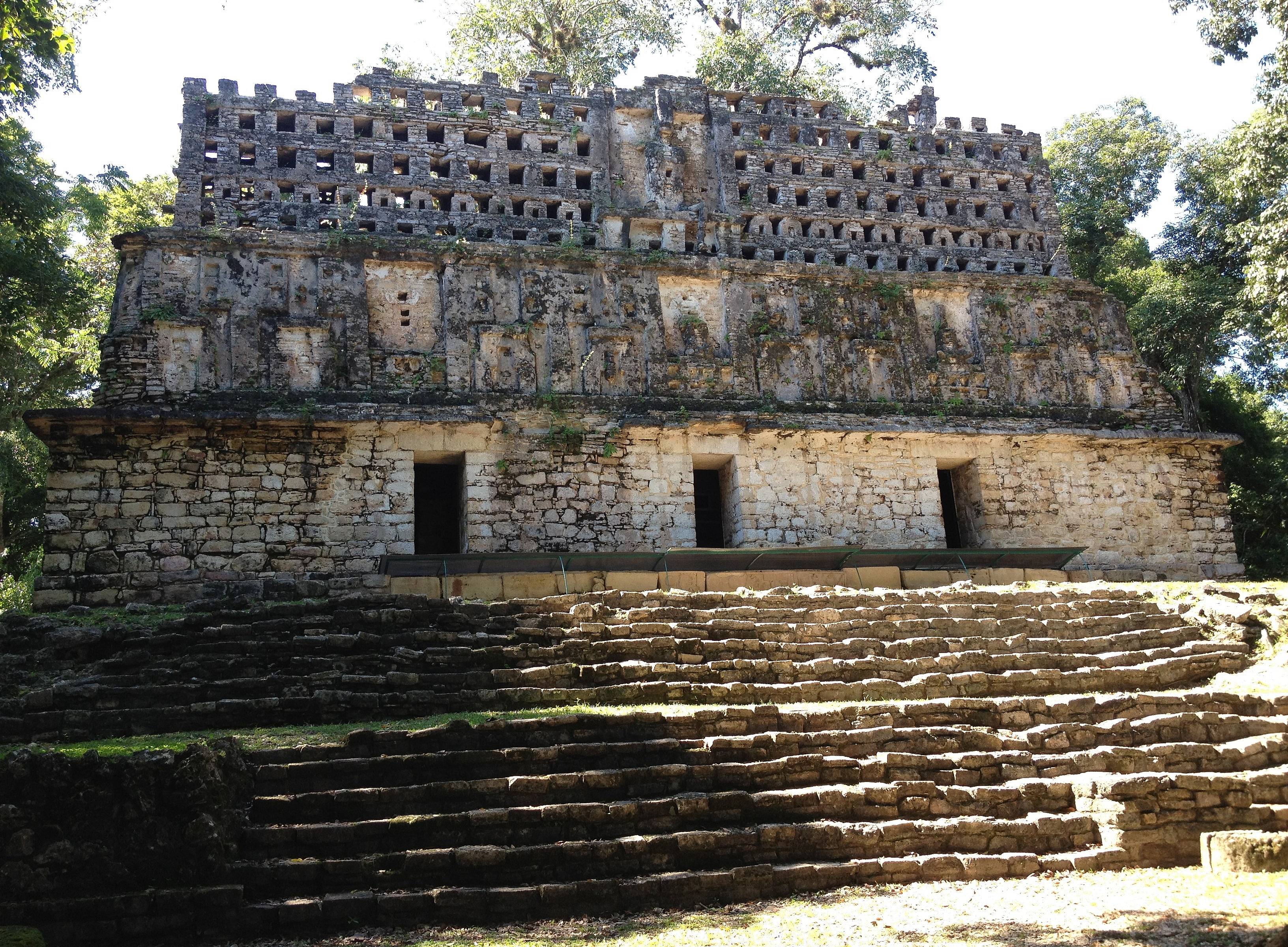
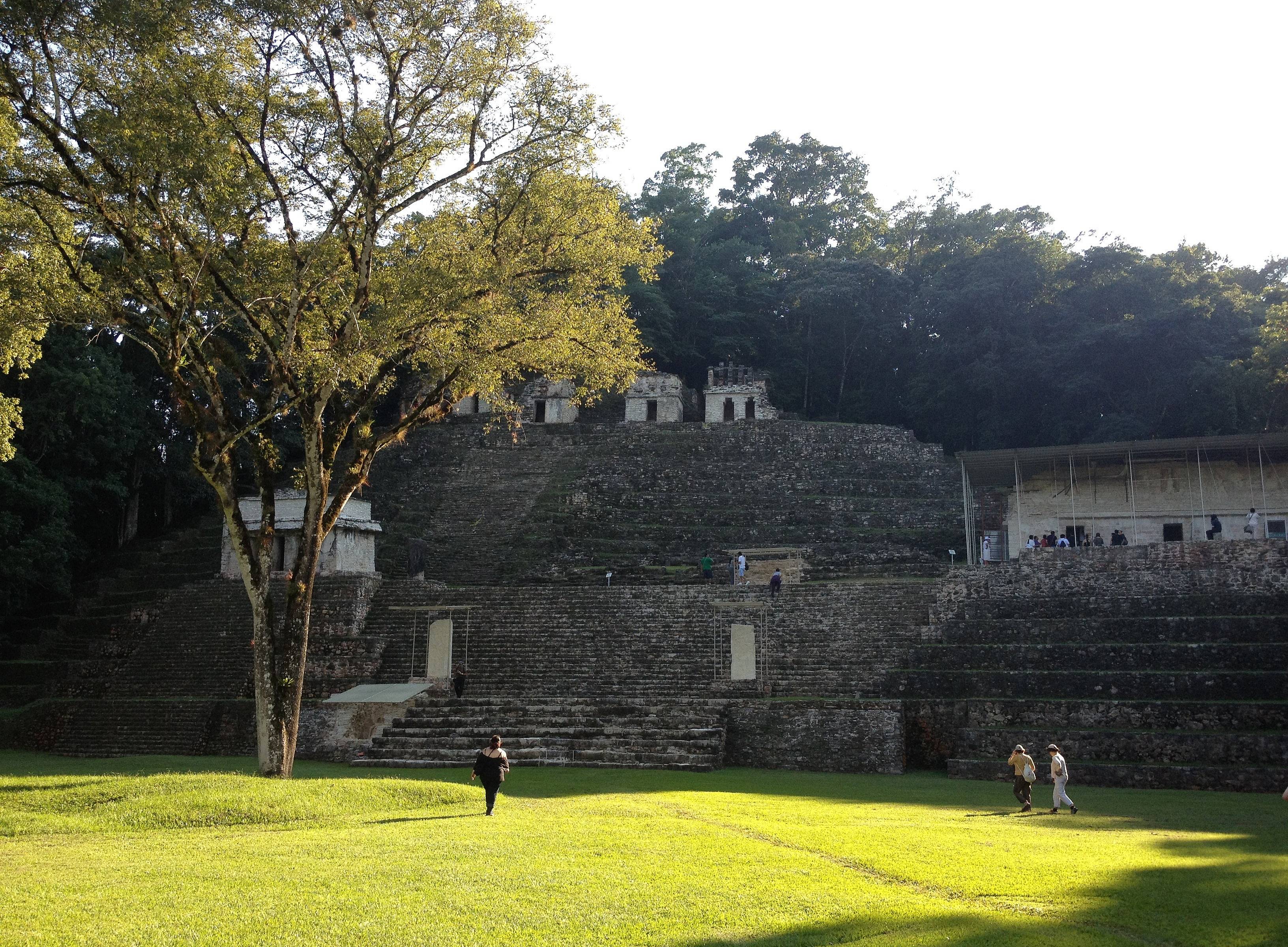
A remarkable Maya site in the middle of nowhere.
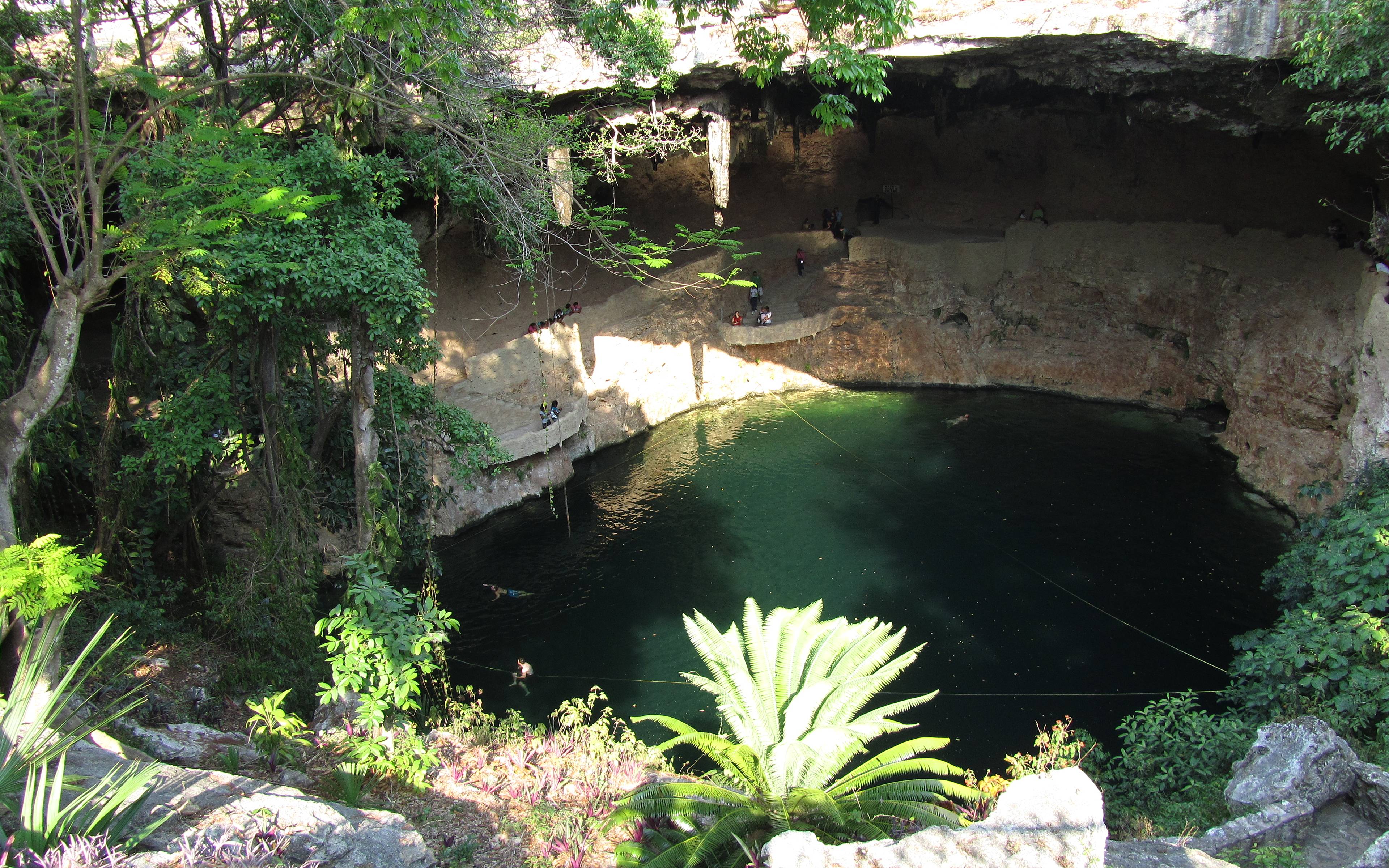
A chain of three cenotes, an hour by bus or car from Merida, in Yucatan.
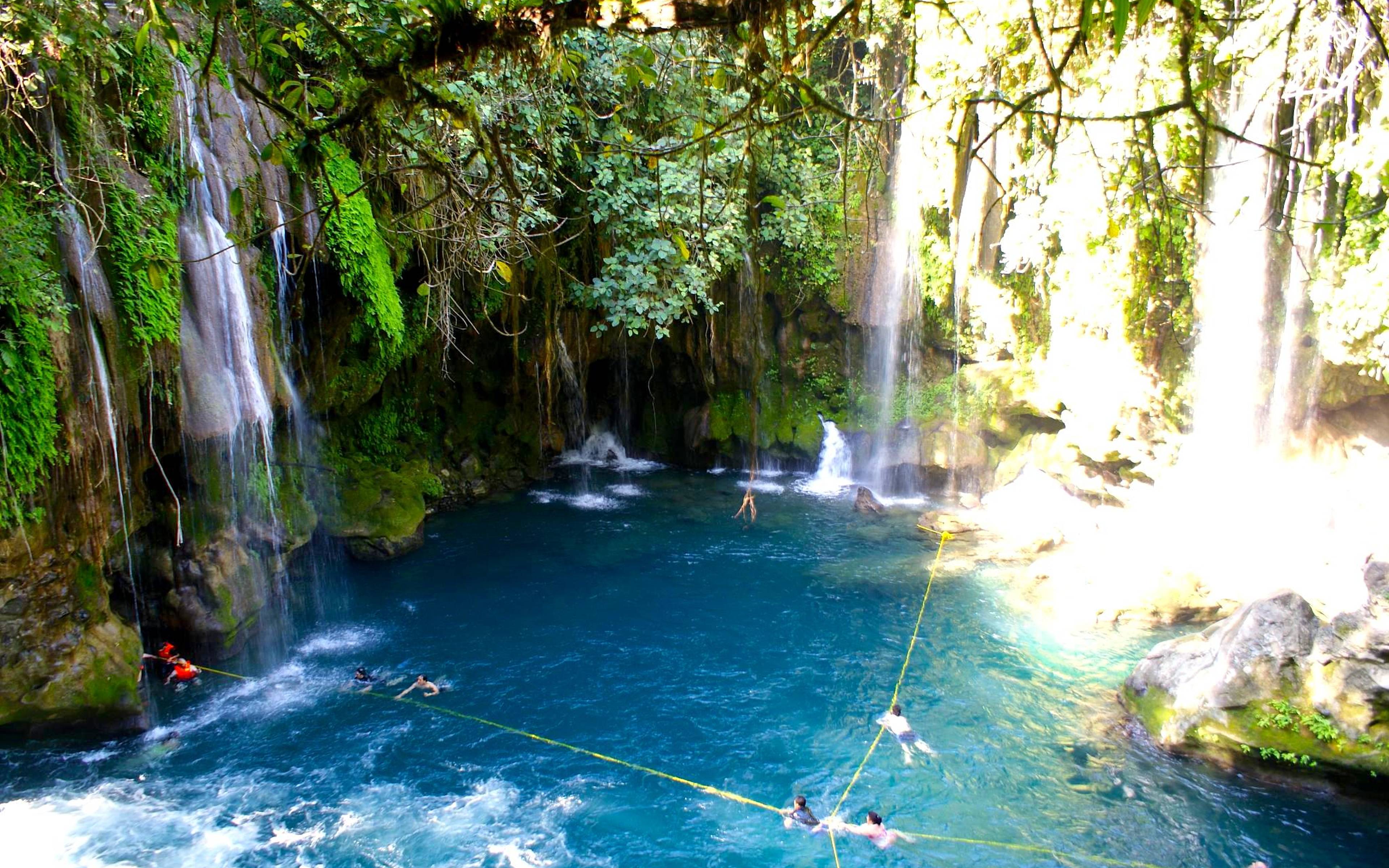
A small corner of paradise in the heart of Huasteca which has two pools and a natural stone bridge, which was created by the erosion of the river Tamasopo.
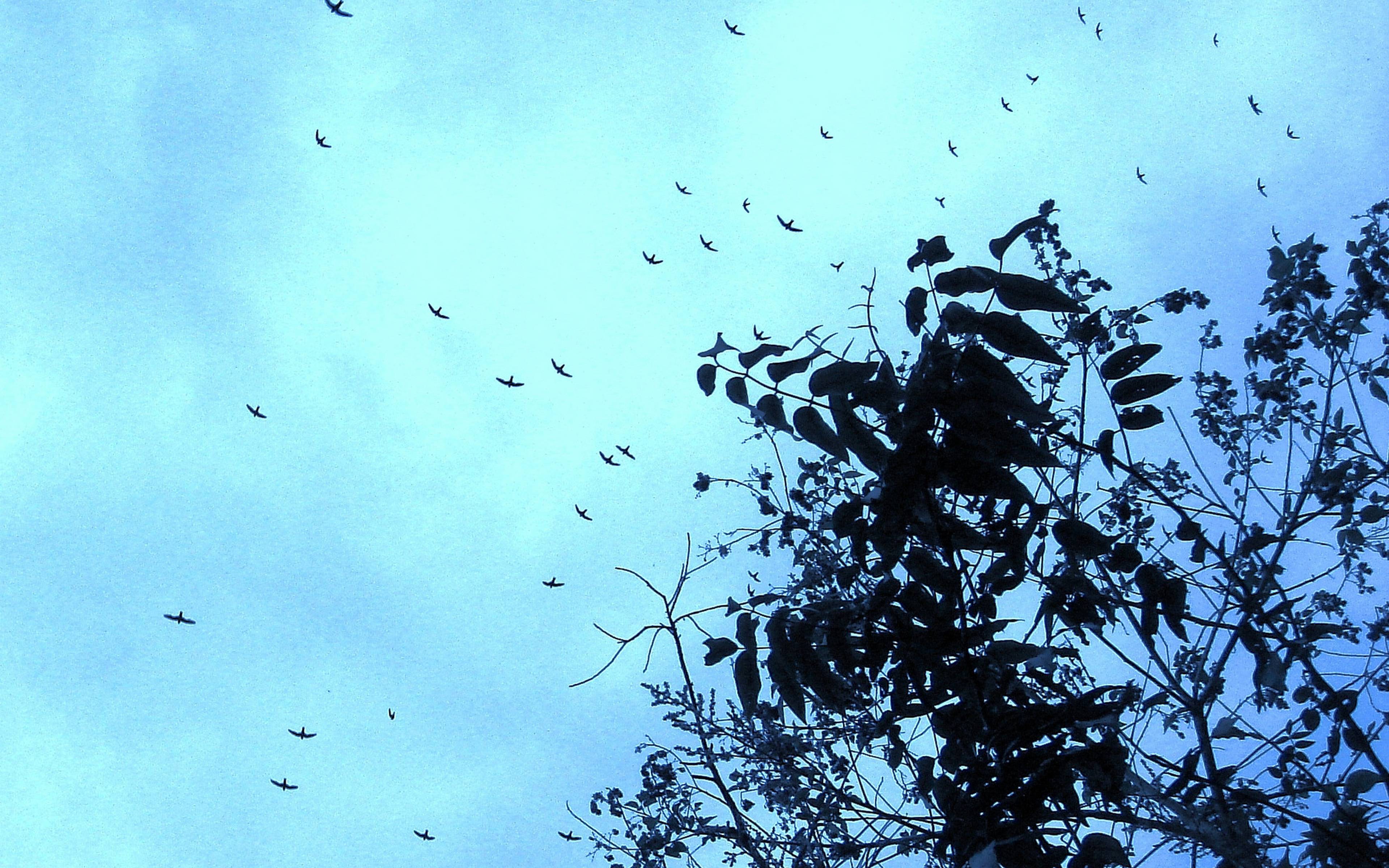
One of the greatest caves in the world hidden in the heart of the Huasteca region and incidentally the hiding place of an innumerable amount of birds.
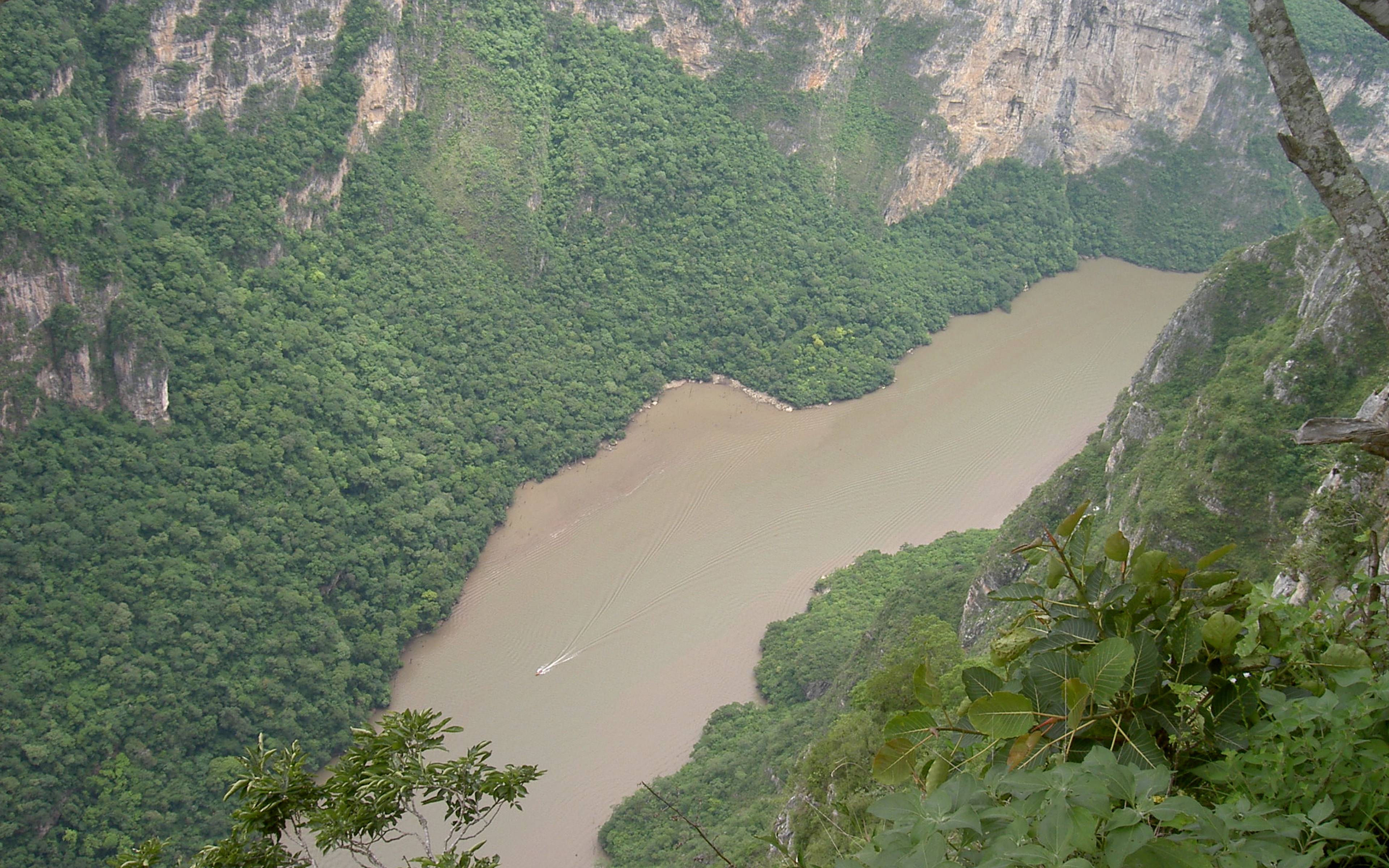
The Cañon del Sumidero is 32km long. It's situated on the San Cristobal road some fifteen kilometres from Tuxtla.
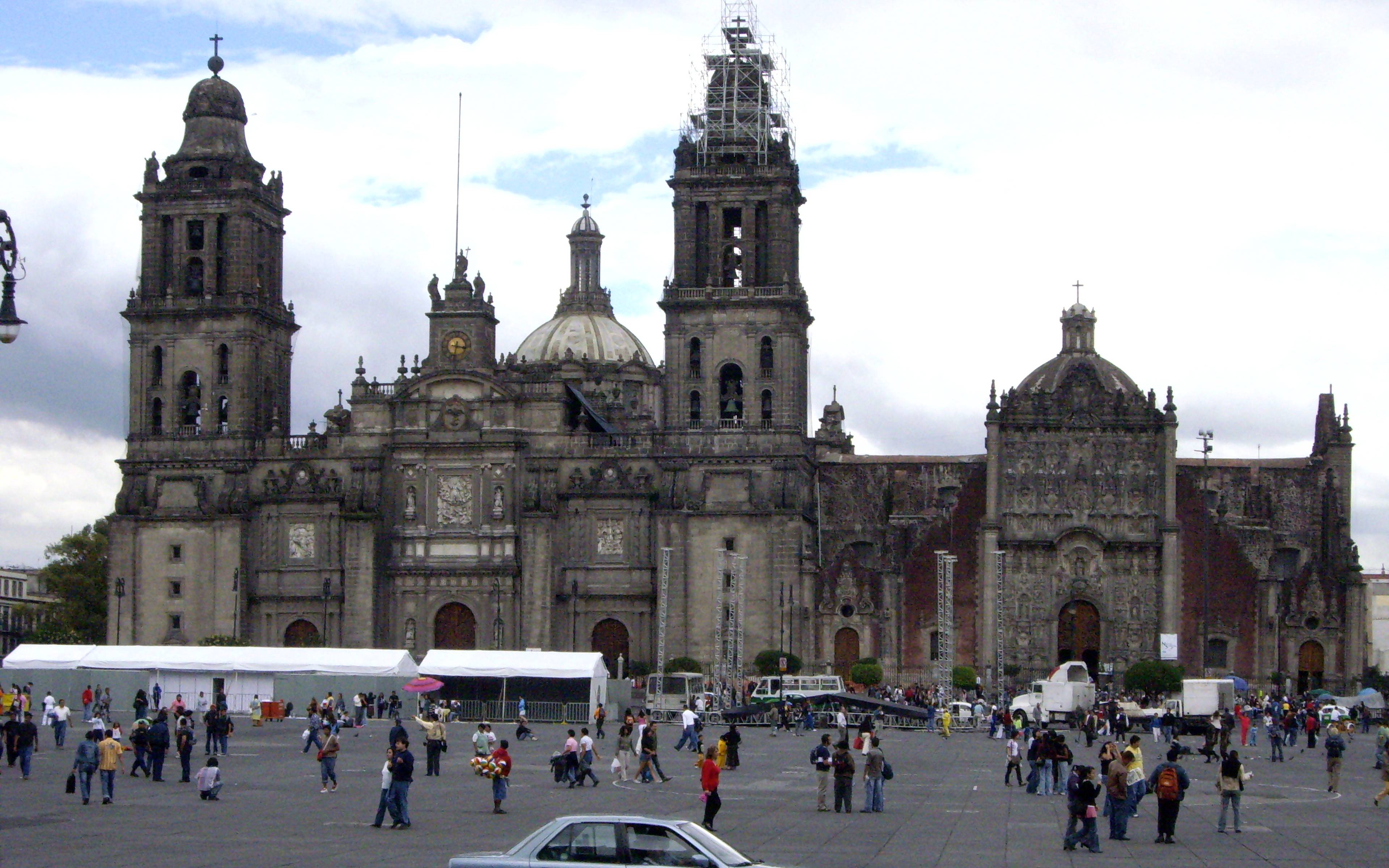
Mexico City lives at a hundred miles an hour and is lively and fun, even though it is seen as violent and dangerous.
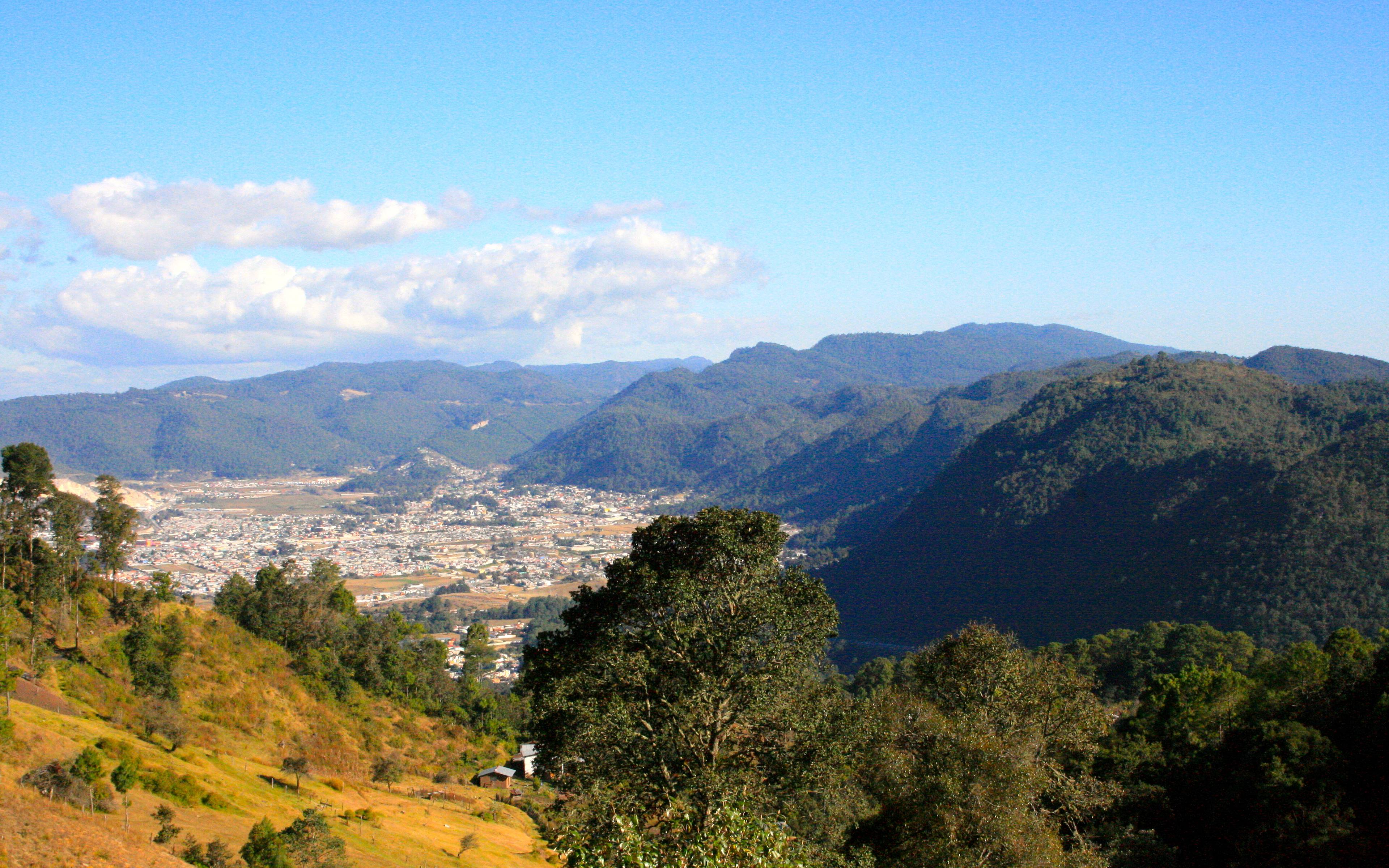
The wonderful town of San Cristóbal de las Casas is a colonial jewel of Chiapas. With its cultural diversity, everyday hustle and bustle and relaxed atmosphere, you are bound to fall under its spell.
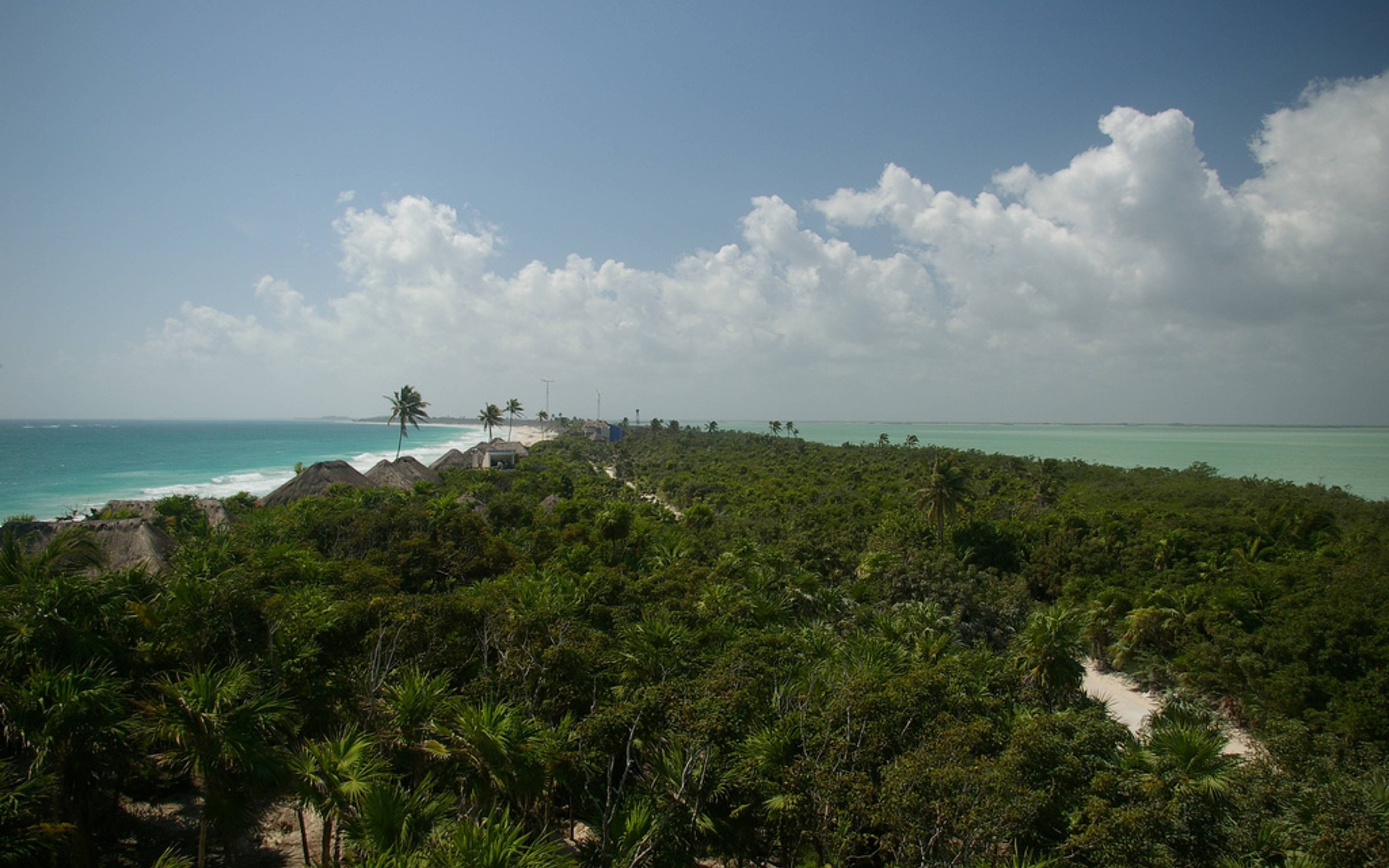
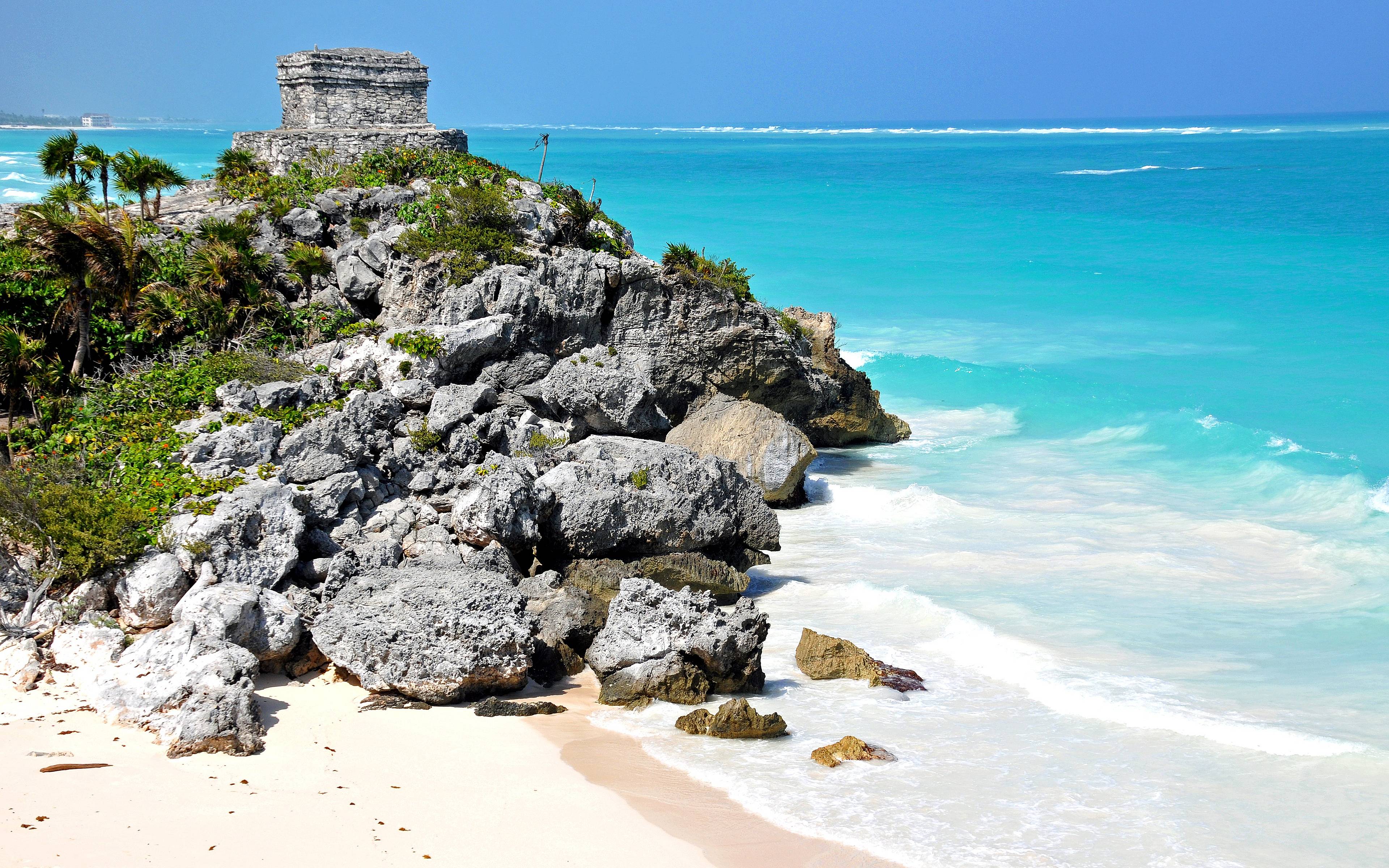
Tulum's principal attractions are that it's a really well preserved archaeological site beside the Caribbean Sea, with incredible beaches.  
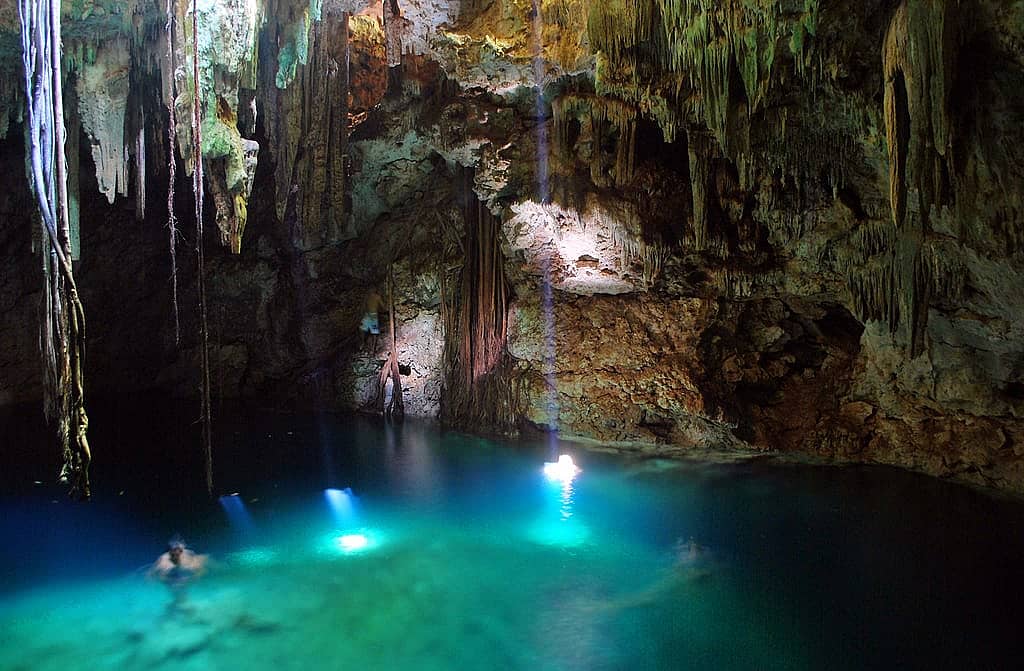
The word "cenote" comes from the Mayan language and means "water cavern". Yucatan has approximately 3,000. Dzintup cenote is different from the rest because of its composition.
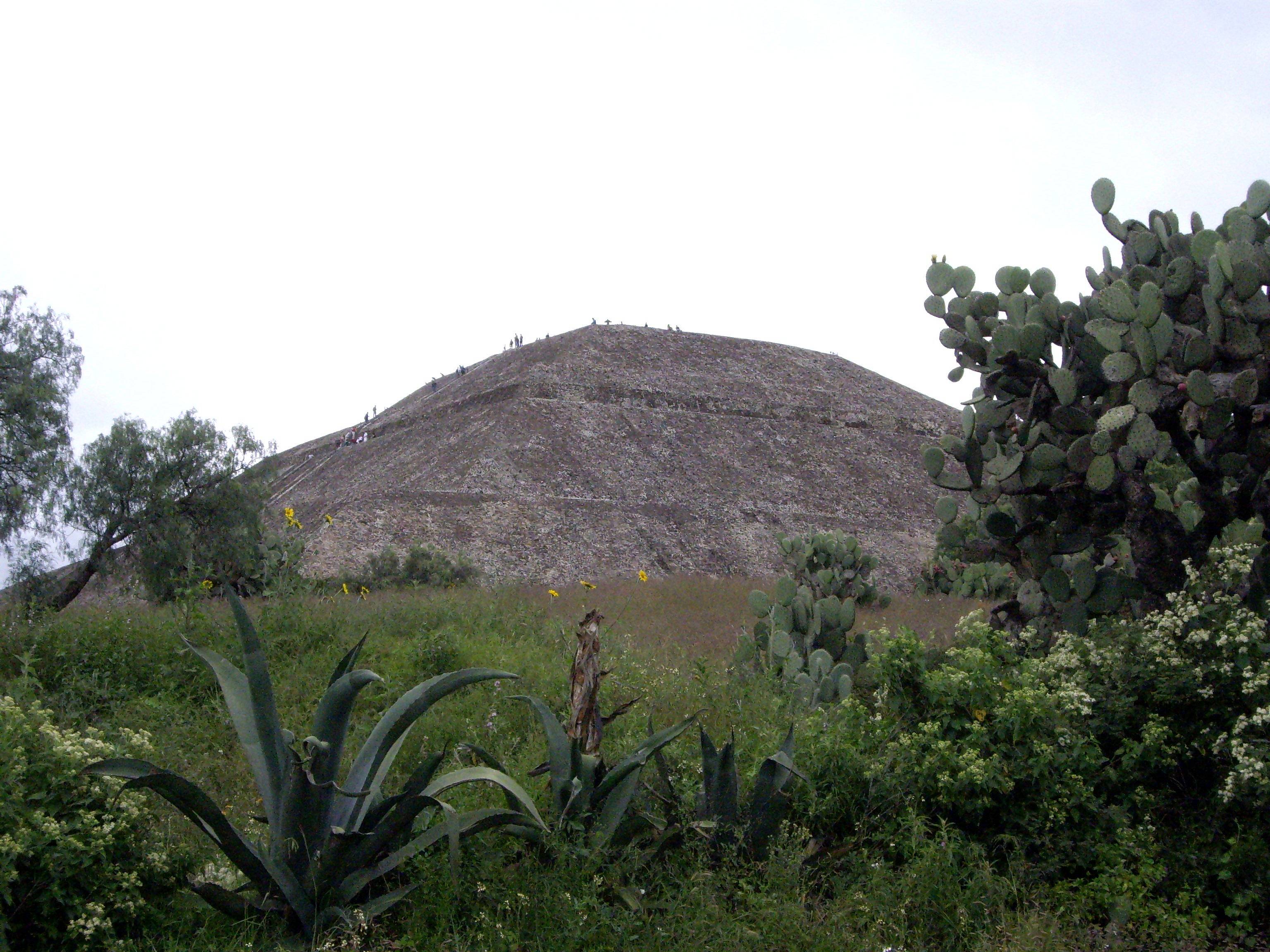
Teotihuacan is a remarkable archaeological site whose origins are still uncertain, which you can find about 50 kilometers from Mexico City.

Tour ideas for Mexico