



Must-sees and hidden gems: what to see and do in Maputaland?
1. Explore the iSimangaliso Wetland Park reserve, St. Lucia and its lagoons
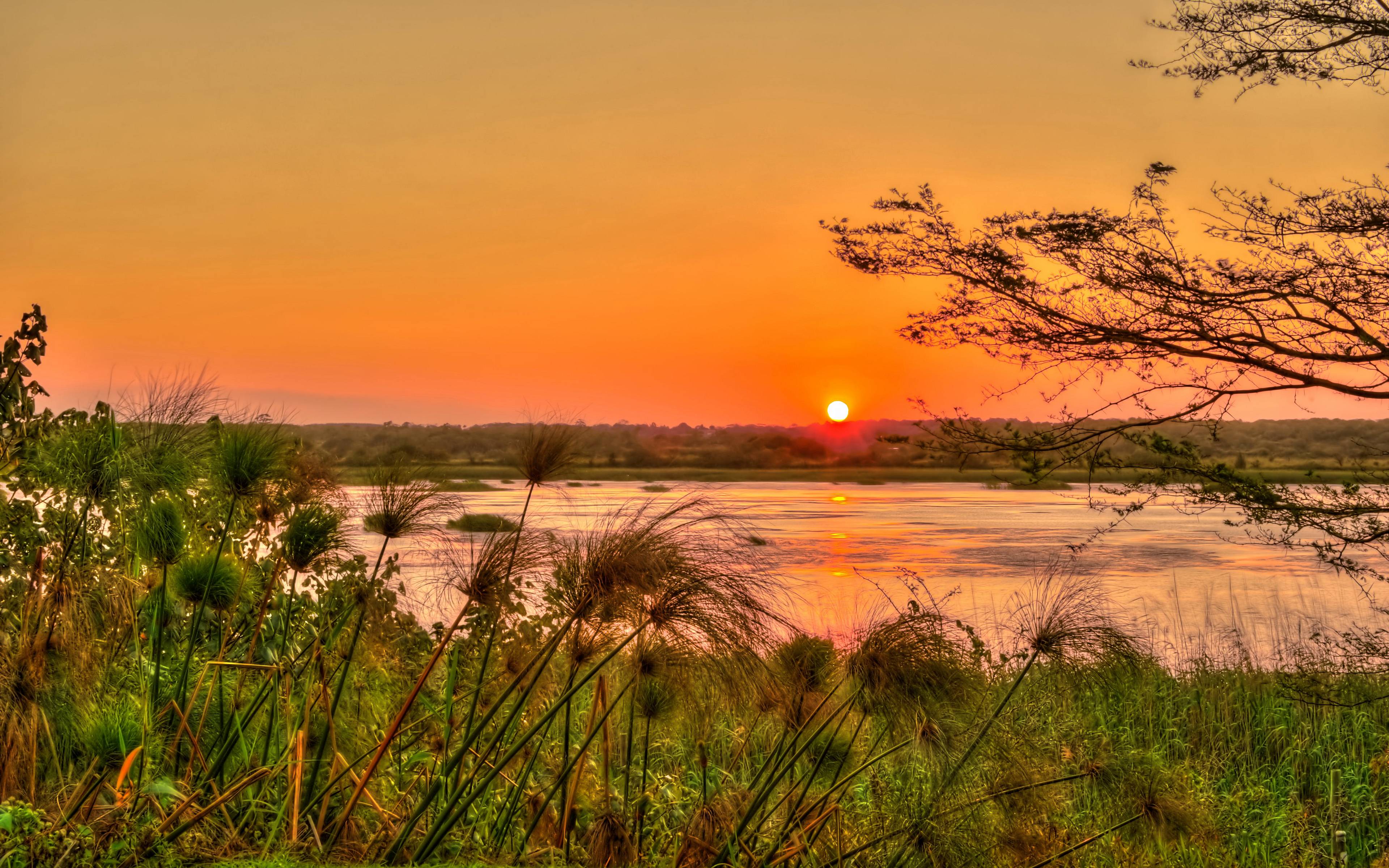
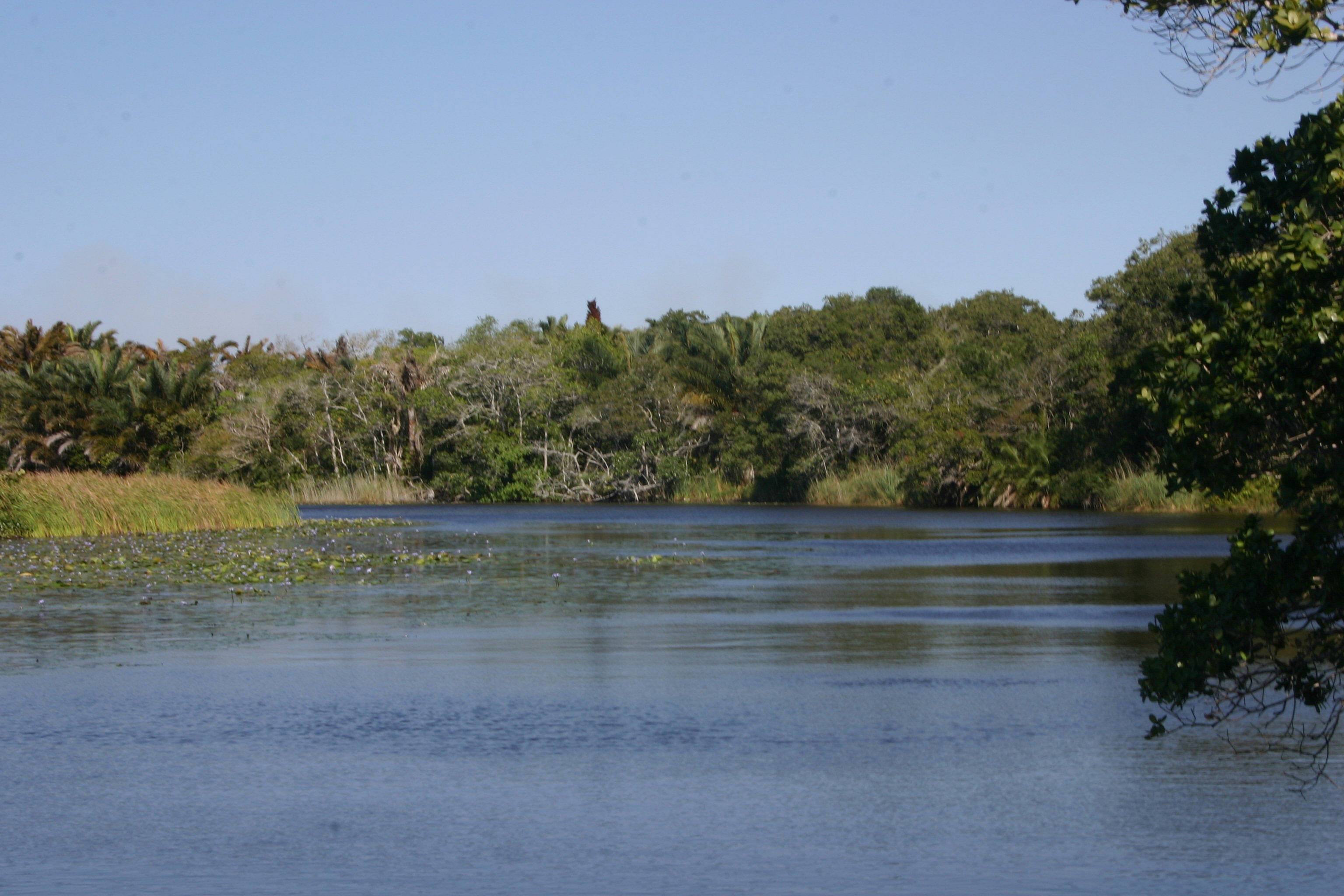
UNESCO-listed iSimangaliso is the beating heart of Maputaland, a patchwork of lagoons, dunes, savannas, and coastal forests. At dawn, the air smells of salt and damp greenery, while birds weave a joyful chorus above the water. Set out on a gentle boat trip along the St. Lucia Estuary, as hippos surface with a snort and crocodiles warm themselves in the sun.
In the afternoon, alternate between sandy tracks and scenic viewpoints, then end the day with your feet in the sand at Cape Vidal. An insider tip, leave early. The low morning light turns the wetlands into a mirror, and you’ll have the park almost to yourself.
2. Walk the dunes and swim at Cape Vidal
The thrill of Cape Vidal lies in the immediate contrast between the Indian Ocean and the surrounding wetlands. You climb a dune, sand crunching underfoot, then the blue appears, immense and streaked with foam. Below, a long, wild beach is the perfect place to settle in with a picnic facing the waves.
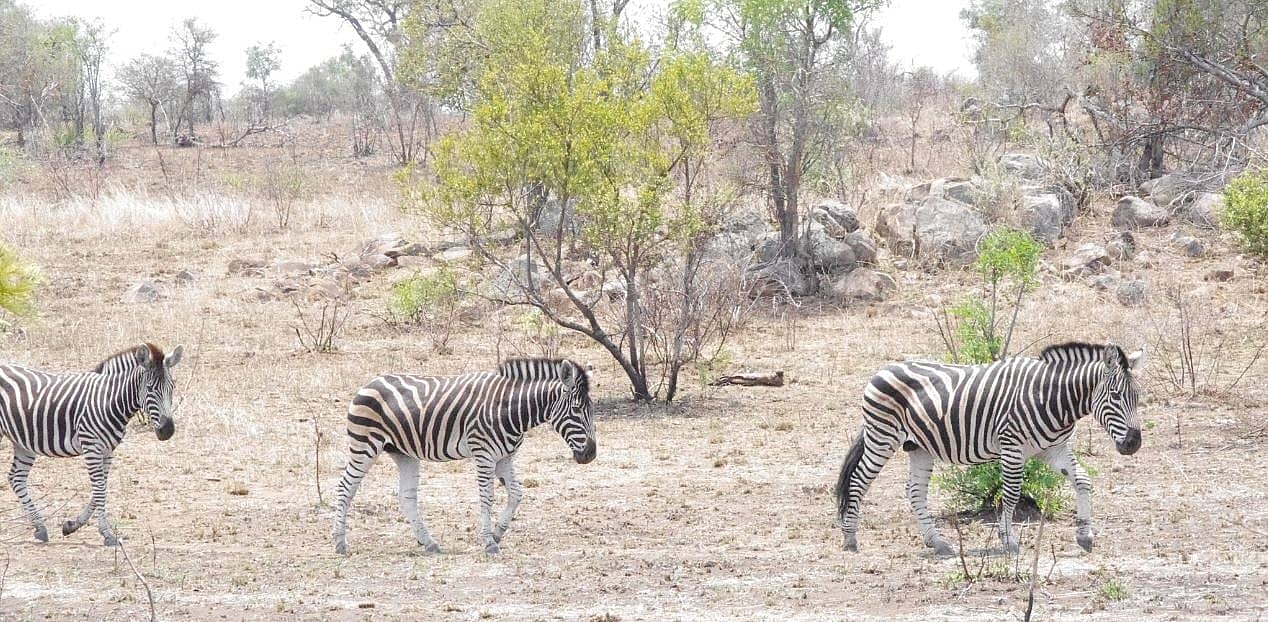
Between swims, keep your eyes open on the road. Zebras and nyalas sometimes cross without warning. For a more responsible trip, plan to spend a full day here rather than rushing back and forth. The pace of the coast is best enjoyed slowly.
3. Immerse yourself in the sand forest of Sodwana Bay, with responsible snorkeling and diving
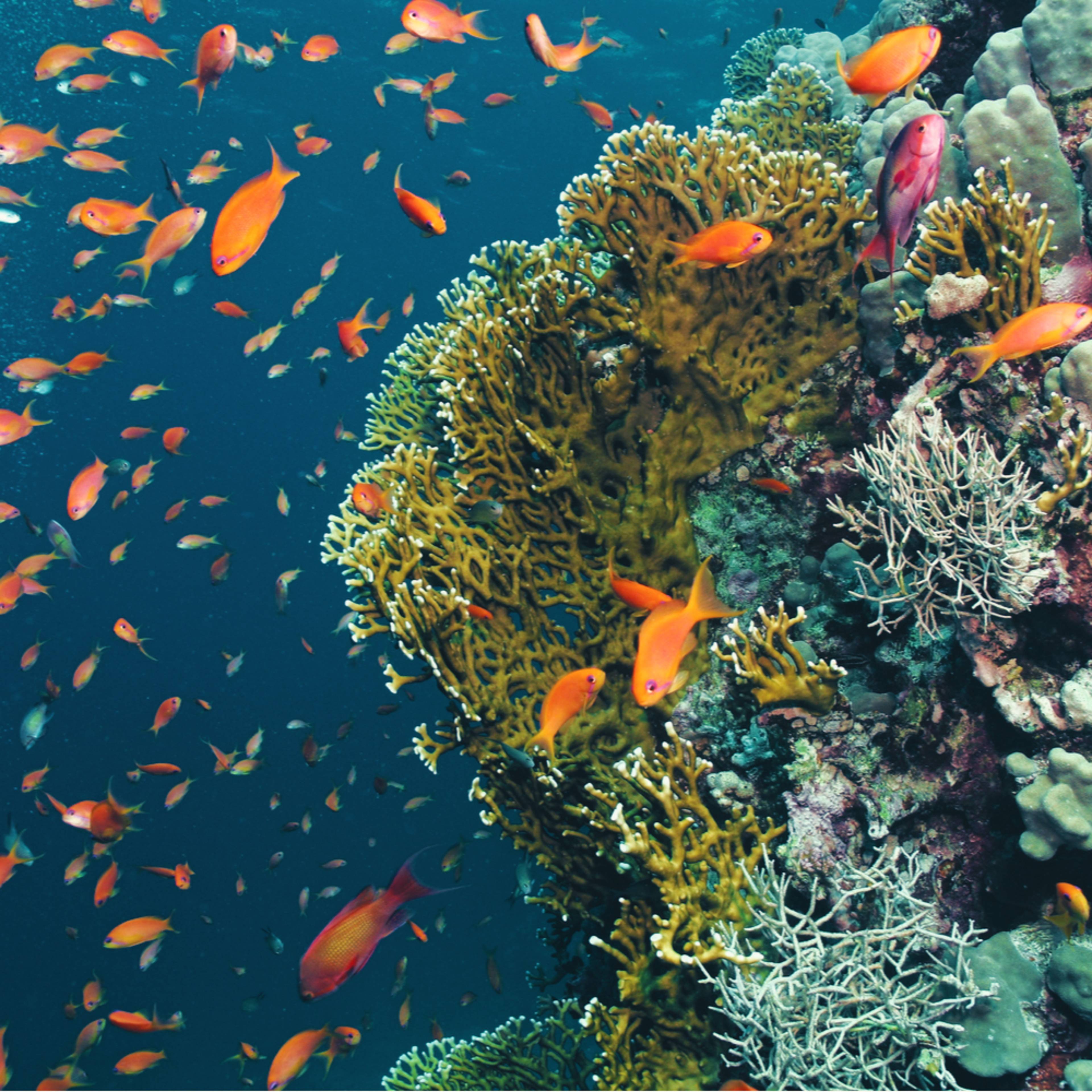
Sodwana Bay promises a bright, vibrant world beneath the surface. In the warm water, you glide above coral, between butterflyfish and shimmering silver schools. Even with simple snorkeling, the reef is accessible, and the often-excellent visibility makes you feel like you’re flying. Responsible operators provide clear briefings and follow respectful practices, with no touching or feeding wildlife.
On land, the ambience is simple, salty, and authentic. Ask your local agency for the best spot based on the tide and the season, and avoid overcrowded outings. Here, the sea doesn’t reward rushing.
4. Watch sea turtles at night in Bhanga Nek, in season
Witnessing a turtle laying eggs is a rare, almost silent moment, one that stays with you. On the northern beaches near Bhanga Nek, you walk at night with trained rangers, filtered lights, low voices, and careful steps. The wind carries the scent of salt and dunes, then suddenly a massive, patient shape appears, digging into the sand with quiet determination.
The season varies by species and by year, but leatherback and loggerhead turtles generally nest from November to January, with hatchlings emerging through March. Your local expert will help you choose the right time. Here, ethics are nonnegotiable. You observe without disturbing, and that respect is exactly what makes the experience so powerful.
5. Kayak on Lake Sibaya, South Africa’s largest freshwater lake
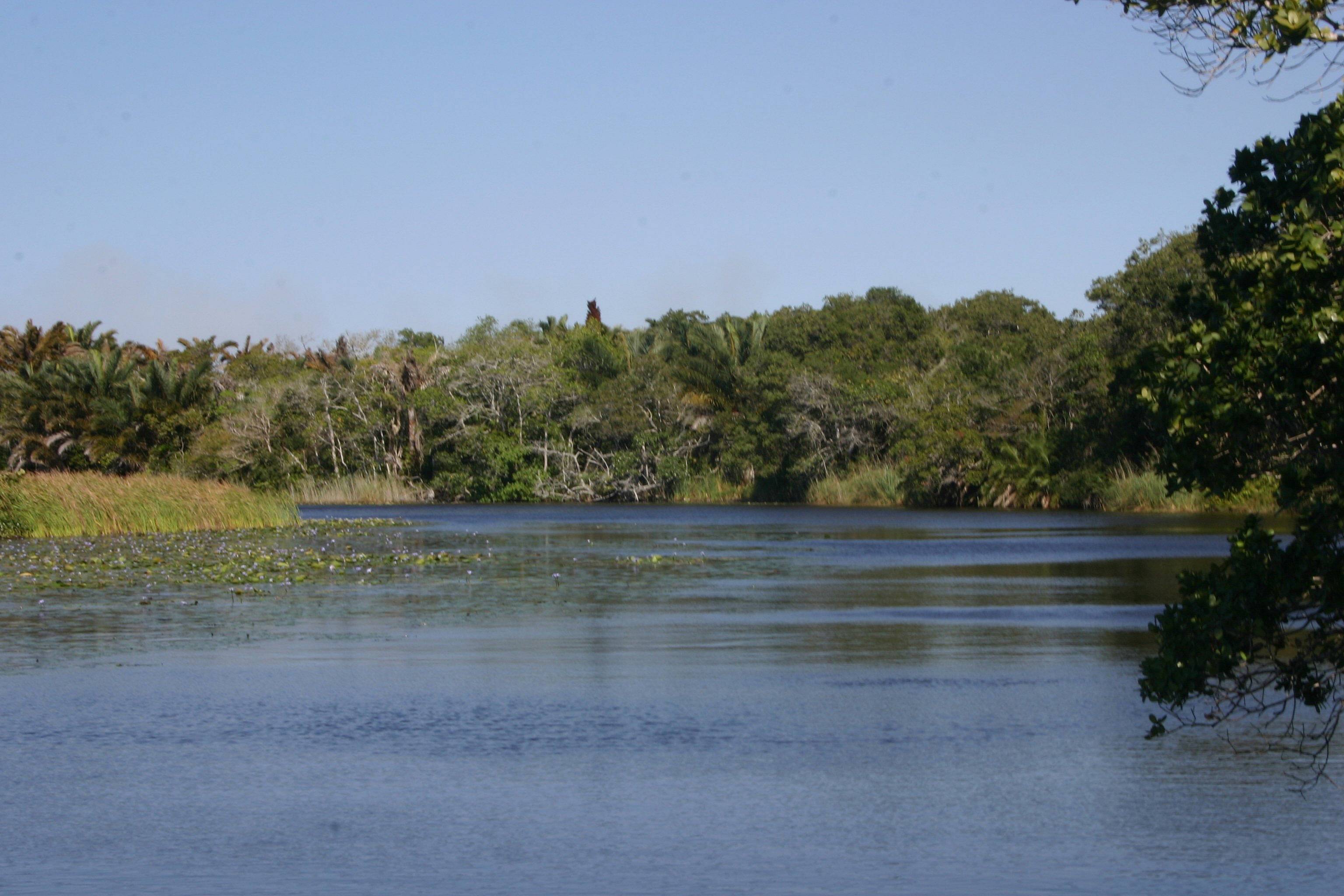
Lake Sibaya, vast and peaceful, is one of Maputaland’s best-kept secrets. By kayak, the brown water reflects the clouds, reeds tremble in the breeze, and you move forward to the steady sound of your paddle. Far from the roads, you feel a true sense of being at the edge of the world, with shores that are sometimes wild, sometimes inhabited, where daily life follows the rhythm of the lake.
Set out early to avoid the wind, and go with a local guide, invaluable for reading the conditions and sharing the stories of the area. It’s the perfect moment to slow down, truly.
6. Explore Tembe Elephant Park, Maputaland’s quieter side
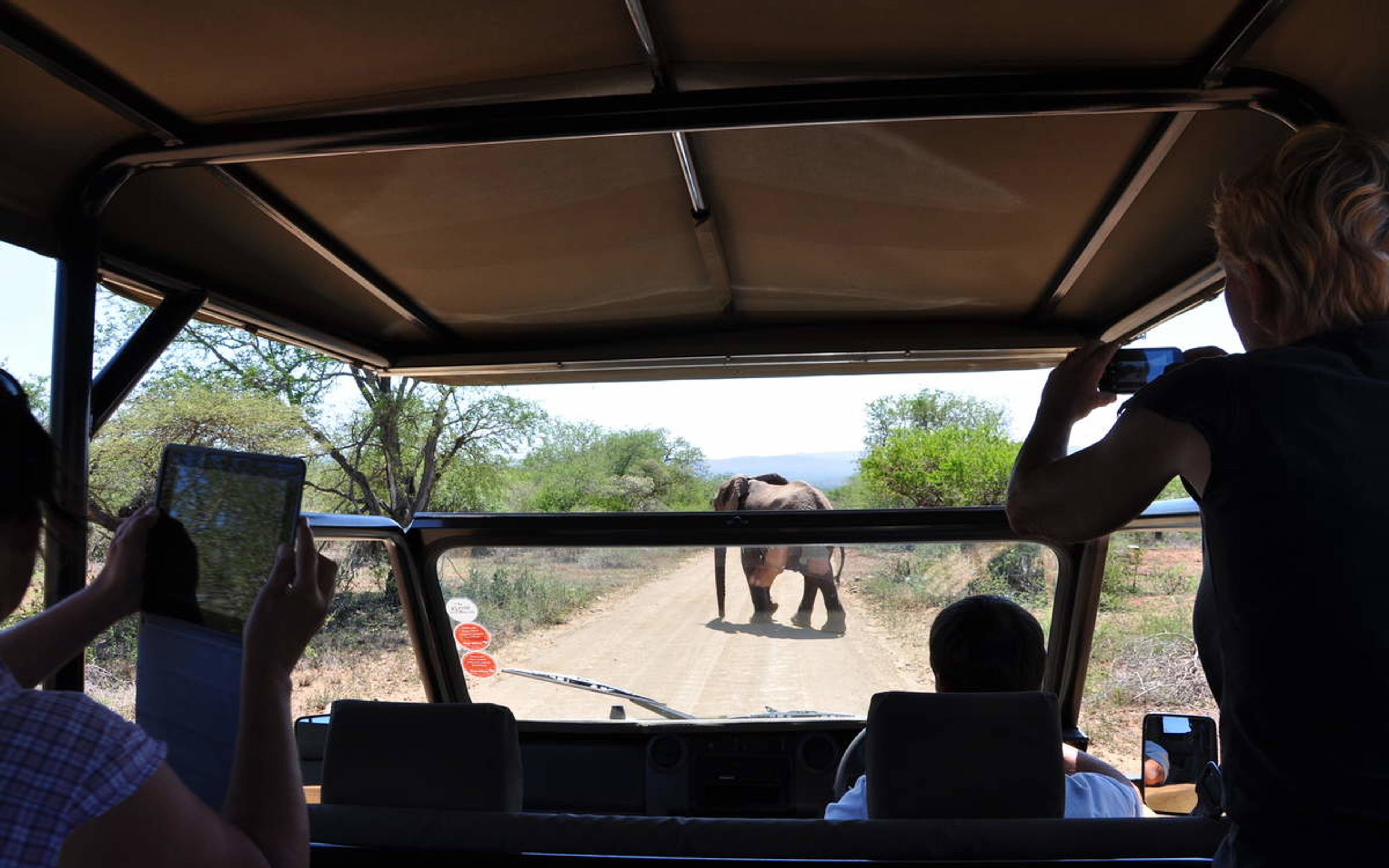
Tembe Elephant Park is off-the-beaten-path South Africa, an intimate reserve where elephants move between forests and clearings. White-sand tracks wind beneath acacia trees, and the warm air carries the scent of earth and crushed leaves. At a waterhole, time stretches out. Shapes appear, then vanish behind a curtain of vegetation.
Here, there’s no spectacle, just careful, attentive observation. On a guided safari, you learn to spot tracks, listen for birds’ alarm calls, and understand the fragile balance of this borderland ecosystem.
7. Follow cultural and artisan trails around Manguzi, near Kosi Bay
Around Manguzi, the gateway to Kosi Bay, Maputaland also reveals itself at village level. You pass through landscapes of palms, small markets, and sandy paths, all caught in a golden light. Here, encounters happen naturally, around a workshop, a woven basket, or a conversation about the seasons, fishing and life along the coast.
The best approach is to go through a local agency that knows the serious projects and the artisans who genuinely want to welcome visitors. Skip staged visits, choose slower, more meaningful experiences, and leave with much more than a souvenir, a shared story.
8. Paddle through the Kosi Bay estuaries and discover traditional fish traps
Kosi Bay is a mosaic of estuaries and lakes connected to the ocean, where the water changes color at every turn. In a canoe, you glide between mangroves and seagrass beds, sometimes above schools of fish, with reflections of green, brown, and turquoise all around you. The highlight is the traditional fish traps, reed fishing structures used for generations.
The experience takes on its full meaning with a community guide, who explains the techniques, the seasons, and the rules of sharing. It’s a living lesson, far from clichés, and deeply rooted in the land.
Make Maputaland a stop on a tailor-made trip to South Africa
With Evaneos, you speak directly with an English-speaking local expert based in South Africa. They know the seasons, the roads, the best places to stay, and the small detours that make all the difference, the ones you won’t find in guidebooks. The result is practical advice, tailored to your pace and your interests, from the very first conversation.
Want to include Maputaland, with its quiet lakes, sandy tracks, and the ocean close by? Your expert will shape a tailor-made trip for you, from Kruger to Cape Town, optimizing routes, accommodations, and experiences.