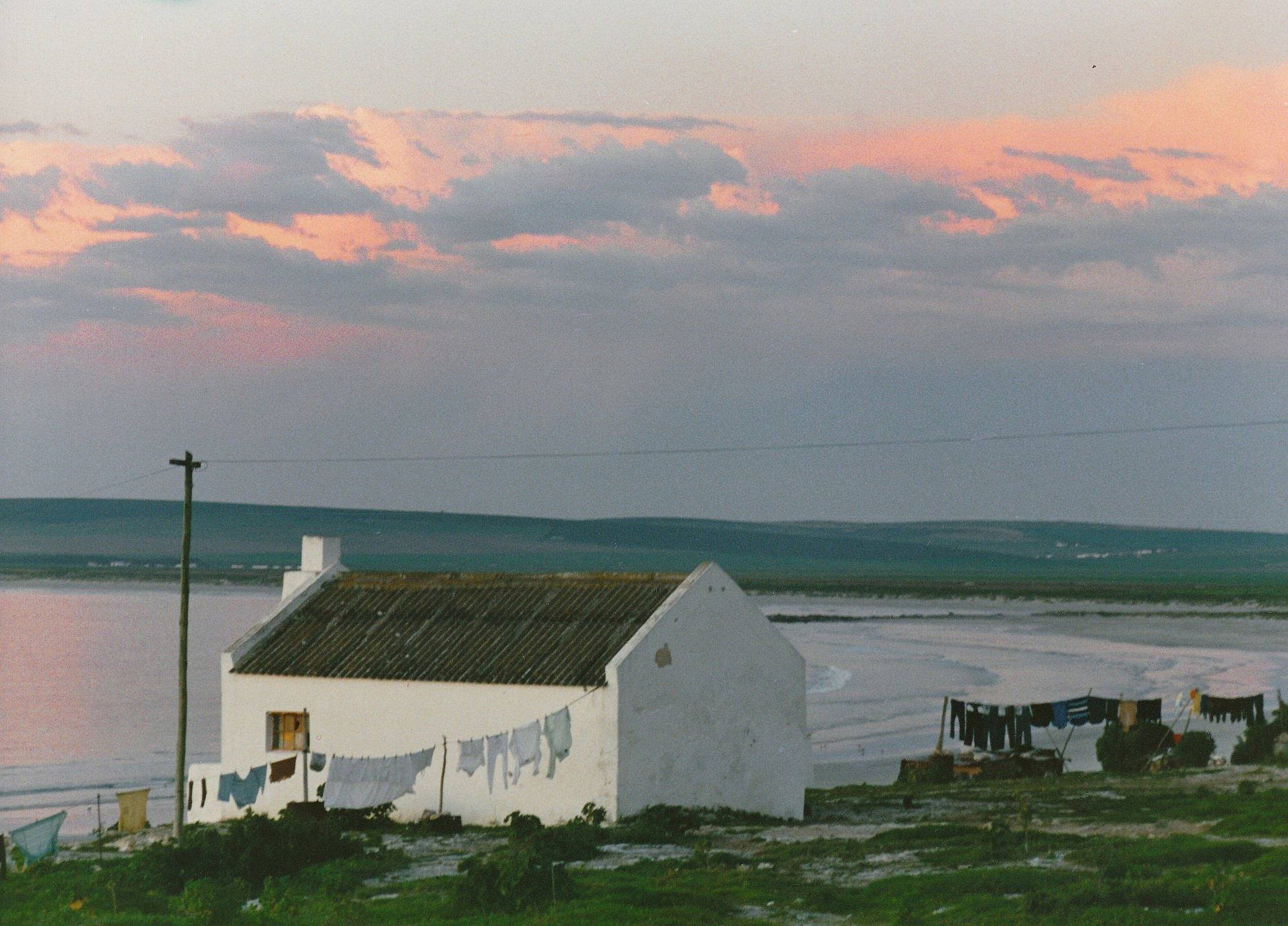
A Cottage at Paternoster

Paternoster Vacations

4
1 review
Between whitewashed houses and the cold ocean, follow the scent of grilled lobster to the edge of the world.

Visit Paternoster

Visiting Paternoster in South Africa takes you for a salt-kissed escape on the West Coast, where colorful fishing boats rest on the sand and the air smells of sea spray and sun-warmed fynbos. Here whitewashed houses with blue shutters line quiet lanes, and the evening light turns the ocean into a living painting. At low tide, you can walk for miles along nearly empty beaches, watch for dolphins, then linger over freshly caught fish. Paternoster has that rare gift of slowing time down. Ready to discover its best local spots and hidden secrets?

  • Relaxation
  • Romantic
  • Nature, Adventure & Sport

Paternoster: How to get there?

Paternoster is on South Africa’s west coast, about 93 miles north of Cape Town. From the U.S., fly to Cape Town, then rent a car for the two-hour drive.

Paternoster: When to go?

Visit Paternoster in spring (September to November) or fall (March to May) for mild, sunny weather and fewer crowds. Summer is windy and very popular, while winter is cooler.

Paternoster: For how long?

Set aside a full day, or better yet two nights, to wander among whitewashed houses, the beach, and seafood spots without rushing.

Learn more about your destination

Must-sees and hidden gems: what to see and do in Paternoster?

1. Wander through the white-and-blue fishing village

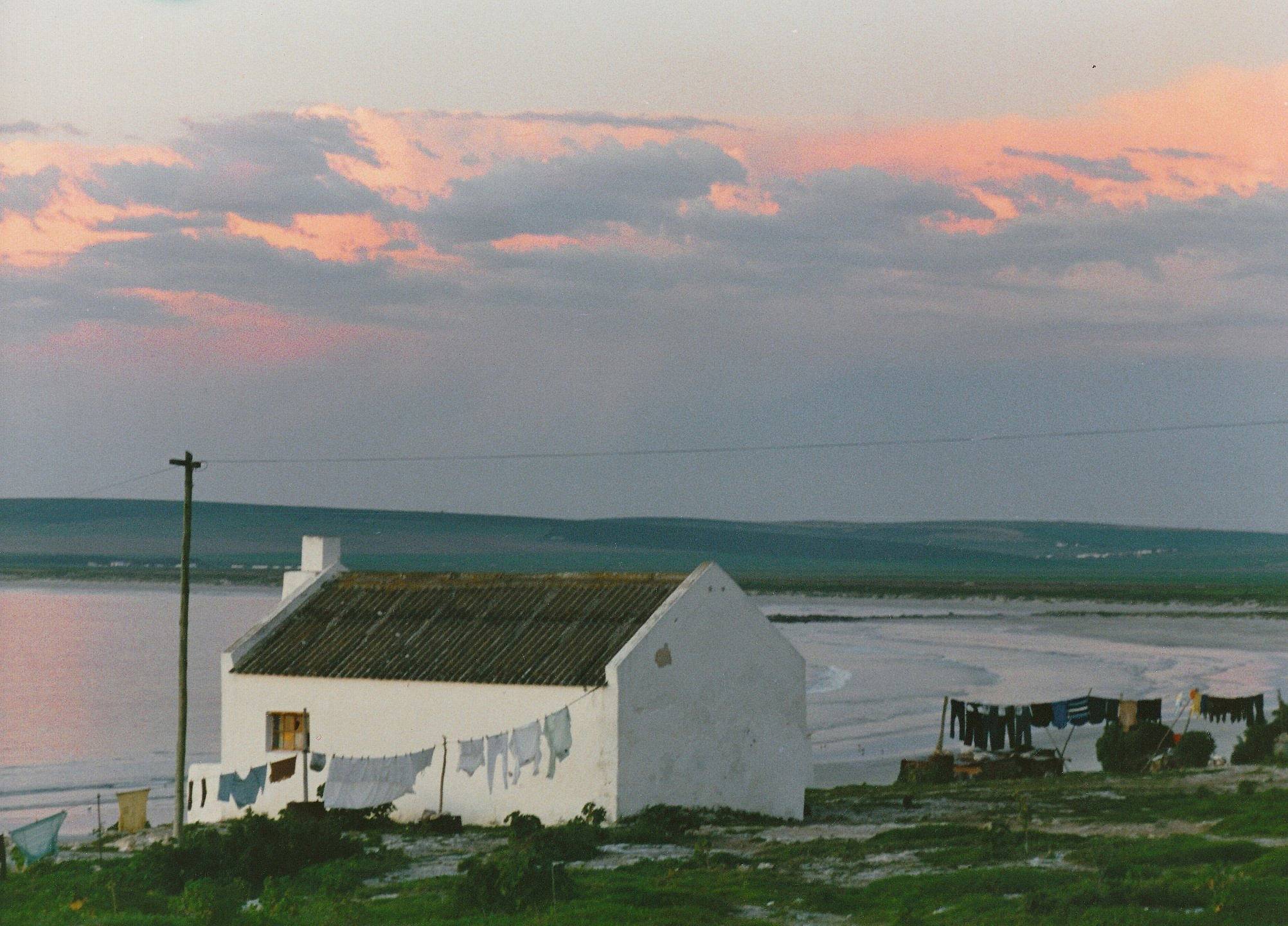
Paternoster’s charm lies in its whitewashed cottages facing the Atlantic. Stroll through sandy lanes lined with low stone walls, bougainvillea, and fishing boats pulled up on the shore. Here, everything happens on foot, at the pace of the salty wind. In the morning, the light catches the facades and turns every corner into a postcard.

2. Walk barefoot on Paternoster Beach

The beach is the village’s beating heart, a wide pale ribbon where the ocean rolls in and out. Walk for a long time, long enough that all you hear is the surf and the call of seagulls. At low tide, clear pools form between the rocks, perfect for spotting small fish and shells. By late afternoon, the sand turns golden, and you almost forget the chill in the wind. Be careful, though: because of strong currents and very cold water, swimming is strongly discouraged.

3. Explore the rocks and natural pools of Bekbaai

For a wilder atmosphere, head to Bekbaai, the small cove south of the village. Granite rocks shape the shoreline here, creating sheltered, almost intimate little corners. Come to climb, sit in the sun, feel the sea air on your skin, and watch for cormorants. It’s especially beautiful when the swell rises and the foam bursts into white spray.

4. Dine by the sea at a local seafood restaurant

Paternoster is as much a place to taste as it is to admire, with generous, unfussy seafood cooking. Settle in near the large windows and let the sound of the waves accompany your meal. You'll find catch of the day, mussels, and calamari, often prepared simply with lemon, herbs, and an open flame. Insider tip: ask what just came in from the harbor instead of choosing blindly.

5. Watch whales from the coast (in season)

Between July and November, the ocean becomes a living stage for southern right whales. From the beach or rocky viewpoints, you might spot a spout, a fin, or sometimes a powerful breach that seems to shake the air. Bring binoculars and take your time. The magic often lies in the waiting. Travelers leave with the memory of a giant glimpsed without disturbing it.

6. Discover Cape Columbine Nature Reserve and its lighthouse

A 20-minute drive away, Cape Columbine reveals the West Coast at its most rugged. Follow trails through low fynbos, dark rocks, and secluded beaches, then make your way to the lighthouse, a pale silhouette standing against the open sea. On cool days, the air smells of dry vegetation and salt, and the light changes quickly. It’s the perfect outing to understand the landscape, away from the village, with a true sense of space.

7. Admire the West Coast’s carpet of wildflowers (in spring)

In August and September, the region is covered in a patchwork of wildflowers: yellow, purple, orange. From Paternoster, head out early to enjoy the colors before the heat sets in, when dew makes the petals shine. The show is natural, fleeting, and all the more moving because it depends on the winter rains. Your local agency can guide you to the best areas at the right time, away from the crowds.

8. Paddle a sea kayak along a peaceful coast

When the ocean is calm, kayaking reveals another side of Paternoster, it’s quiet, close to the water. Glide along the rocks, follow small coves, and watch seabirds at wave level. The feeling is immediate: water tapping against the hull, cool air on your hands, the coastline drifting by in slow motion. Choose a guided outing to stay safe and respect local wildlife and conditions.

9. Browse the village’s galleries and artisan workshops

Paternoster has a creative soul, found in its small galleries and tucked-away workshops. Step inside, take your time, and admire ceramics in sandy tones, coastal photography, and paintings inspired by the Atlantic light. It’s a meaningful way to bring home a souvenir with a story. Often, the artists live here and share how they relate to the wind, the open space, and the sea.

Add Paternoster to a tailor-made South Africa itinerary

With Evaneos, you connect directly with local, English-speaking travel experts based in South Africa. They know the roads, the seasons, the right distances, and most importantly the addresses that make all the difference. From neighborhood cafés to unforgettable safari routes. The result: practical advice tailored to your pace and budget.

Dreaming of a stop in Paternoster, with its whitewashed houses, salty sea air, and Atlantic sunsets? Your local expert will design a tailor-made itinerary that weaves it naturally into the Cape Winelands, Cape Town, or a national park like Kruger.

Paternoster: practical information for travel

The best time to visit Paternoster is from September to November, when South Africa’s West Coast comes out of winter, the air turns milder, and the days grow longer. You’ll enjoy beautiful light on the whitewashed houses, uncrowded walks along the sand, and generally settled weather.

It’s also wildflower season in West Coast National Park, with colorful carpets blooming between August and September, sometimes into October depending on the rains. Summer, from December to February, is warmer and busier. For a quieter stay, aim for May or June, before the heavy winter rains arrive.

For a stop in Paternoster, consider the waterfront around Mosselbank and the main beach. It’s ideal if you want to do everything on foot, from a swim to sunset. Another option is the old village near the small harbor, which is quieter, with white cottages and salty sea air. Bekbaai, meanwhile, has a more tucked-away feel, perfect for truly switching off.

Evaneos’ local experts know Paternoster inside and out, from small guesthouses behind the dunes to properties committed to saving water and energy. They'll guide you toward responsible stays with character, in the right location for your pace. They'll also steer you away from places that feel too standardized or exposed

In Paternoster, the salty air works up an appetite. Here are the local specialties you’ll want to try:

  • West Coast rock lobster, simply grilled, with firm, sweet meat finished with a squeeze of lemon and melted butter.
  • Snoek braai, wood-fired fish with crisp skin, served with apricot jam for a sweet-savory bite that’s hard to resist.
  • Lagoon mussels, plump and briny, steamed simply or served in a creamy white wine sauce.
  • Bokkoms, salted and dried mullet, pulled apart with your fingers, with an intense taste of sea and sun.
  • Fresh, unadorned oysters, with a silky texture and a mineral finish.

Between fishing boats and whitewashed houses, Paternoster is best experienced around the table. Here are a few local spots where you can taste South Africa’s West Coast:

  • Wolfgat: an iconic restaurant serving marine-inspired local cuisine, with seaweed, shellfish, foraged ingredients, and the catch of the day.
  • The Noisy Oyster: a laid-back atmosphere, very fresh seafood, mussels, calamari, and Cape-style dishes, perfect after the beach.
  • Gaaitjie Restaurant: right by the water, with a local feel, grilled fish, and seafood platters. You eat to the rhythm of the tides.
  • Leeto: modern South African cuisine rooted in the region, with elegant seafood-forward plates and West Coast wines.

Paternoster is a compact coastal village, so the easiest way to get around is on foot, from the waterfront to the small streets lined with whitewashed cottages. To explore more secluded beaches or nearby West Coast villages, a rental car is still the safest and most practical option, especially in the evening.

Park near your accommodation and walk, the distances are short. Just bring closed-toe shoes, as sand gets everywhere. A bike can work for reaching Bekbaai or the Cape Columbine Nature Reserve, as long as you’re prepared for wind and a few roads without bike lanes. Taxis and rideshares are rare, so it’s best to arrange transfers in advance through your accommodation or a local agency.

Paternoster: What to see in the surroundings?

What our travelers think about their stay

South Africa: our articles for your vacation