




Must-sees and hidden gems: what to see and do in Tulbagh?
1. Step back in time on Church Street
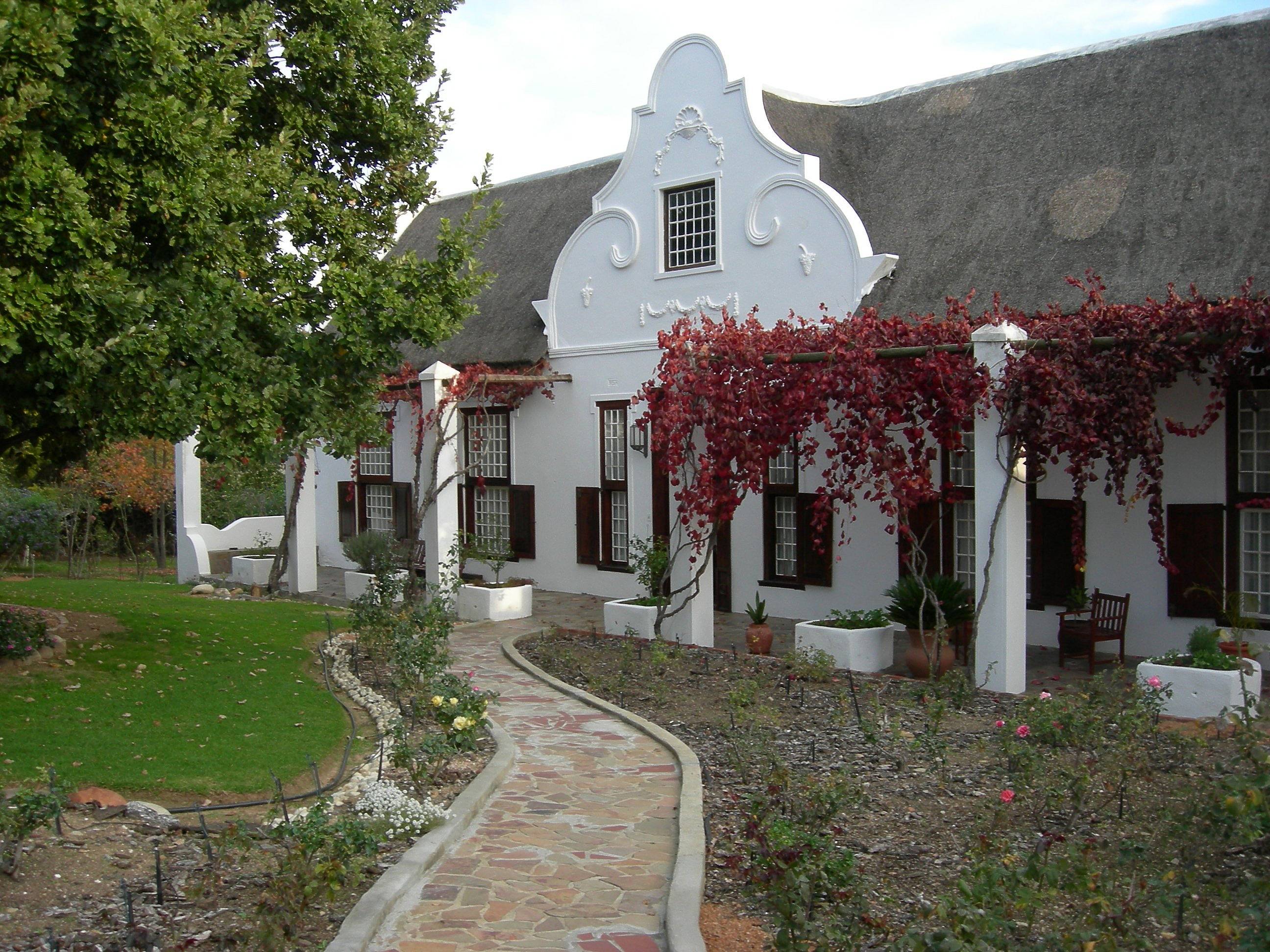
The most beautiful gateway to Tulbagh is Church Street, a peaceful lane lined with impeccably restored Cape Dutch homes. White gables catch the light, and the gardens smell of jasmine and warm wax. Walk slowly past museums, small galleries, and protected historic facades, imagining the town before the major earthquake of 1969. Here, everything is experienced on a human scale, at walking pace, through architectural details.
To understand it better, step inside one of the historic homes open to visitors and let the objects tell the story of life in another era: stinkwood furniture, tableware, family photographs. A local expert can point you toward the best times to visit, early in the morning or late afternoon, when the air softens and the street returns to its village calm.
2. Taste valley wines, far from the crowds
Tulbagh is a wine valley apart: more low-key than Stellenbosch, but wonderfully generous in the glass. Among the rows of vines, you’ll often hear the wind slipping through and birds calling, with the mountains sharply outlined in the background. Here, you take your time. You taste, chat with the winery team, and compare a crisp Chenin with a spicier red, all without the feeling of standing in line.
Choose a guided tasting with simple, thoughtful pairings: fresh bread, local olive oil, cheese. Your local agency can recommend small-scale wineries, often family-run, and plan a compact route to reduce driving time. In Tulbagh, the pleasure lies as much in the atmosphere as in the wine.
3. Explore the fynbos in the heart of Groot Winterhoek Reserve
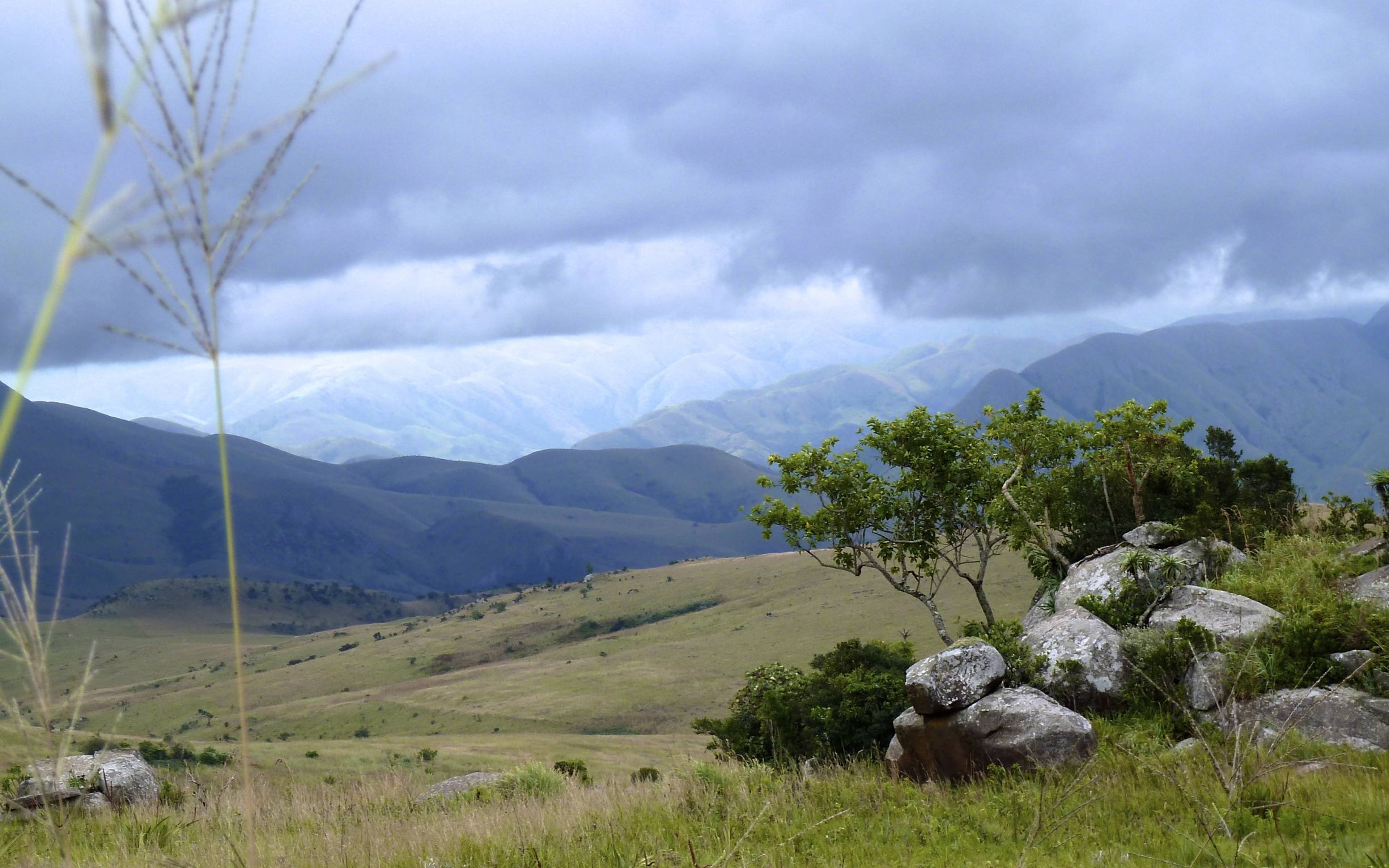
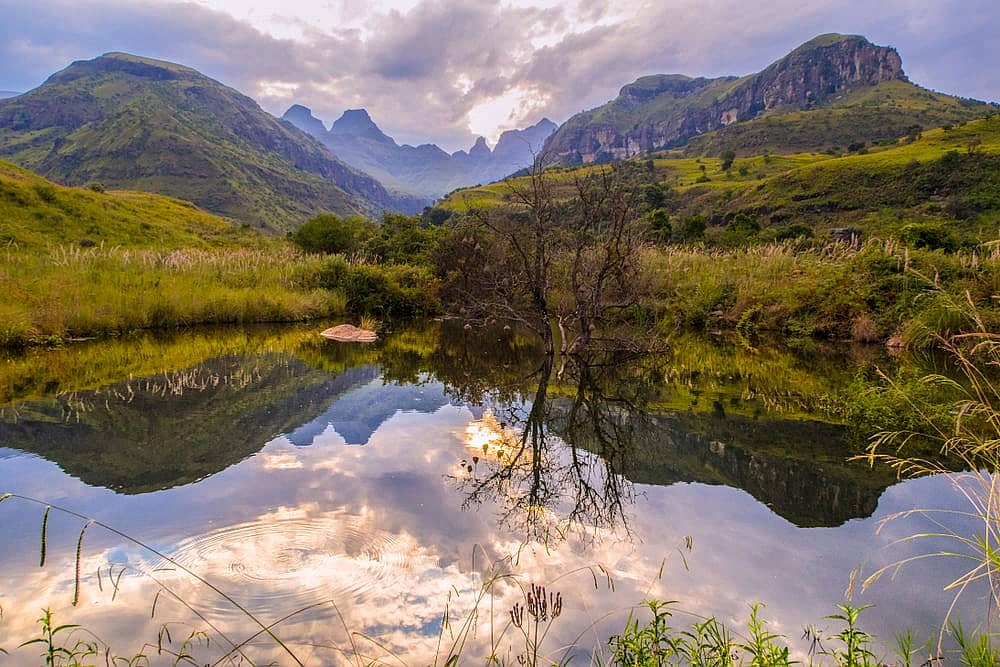
A short drive away, Groot Winterhoek is a pause in raw nature, recognized as a UNESCO Biosphere Reserve. You won’t come here looking for big wildlife, but for a quieter treasure: endemic plants, sculpted rocks, and cold, clear rivers. Walk through the scent of warm earth and the peppery notes of fynbos, with the feeling that you’ve stepped into an ancient world.
It's also a beautiful place to introduce children to South Africa's biodiversity, without anything feeling staged. With a local guide, you’ll understand why these landscapes matter, how fire shapes the vegetation, and how to travel without leaving a trace. Pack a simple picnic, close your bag carefully, and head back out.
4. Enjoy valley dining, from garden to plate
Tulbagh is also experienced through taste, in its inviting restaurants, often set in historic homes or tucked among trees. You'll find generous, contemporary South African cuisine made with seasonal ingredients: crisp vegetables, fresh herbs, meat dishes, and well-crafted vegetarian options. The atmosphere is relaxed but thoughtful, and you’ll want to linger.
Book a long lunch, ideally on a terrace with a glass of local wine. Between bites, your eyes drift toward the mountains. The best tables vary by day and by what’s fresh, and your local agency can guide you toward places that work with short supply chains and help keep the valley vibrant without changing its character.
5. Slow down at a spa at the foot of the mountains
Here, luxury means slowing down, and Tulbagh is made for it. Several lodges and guesthouses offer massages, hot baths, or treatments inspired by local plants. After a hike or a day on the road, your body suddenly lets go, and you begin to hear the birds, the leaves, and the silence between gusts of wind again.
Choose a place that favors responsible products and a simple, unfussy approach. A good treatment continues afterward with herbal tea, a book, or a nap. For couples, it’s a real breath of fresh air. For families, it’s a chance to balance activities with rest, so everyone can enjoy what comes next.
6. Bike the back roads between orchards and vineyards
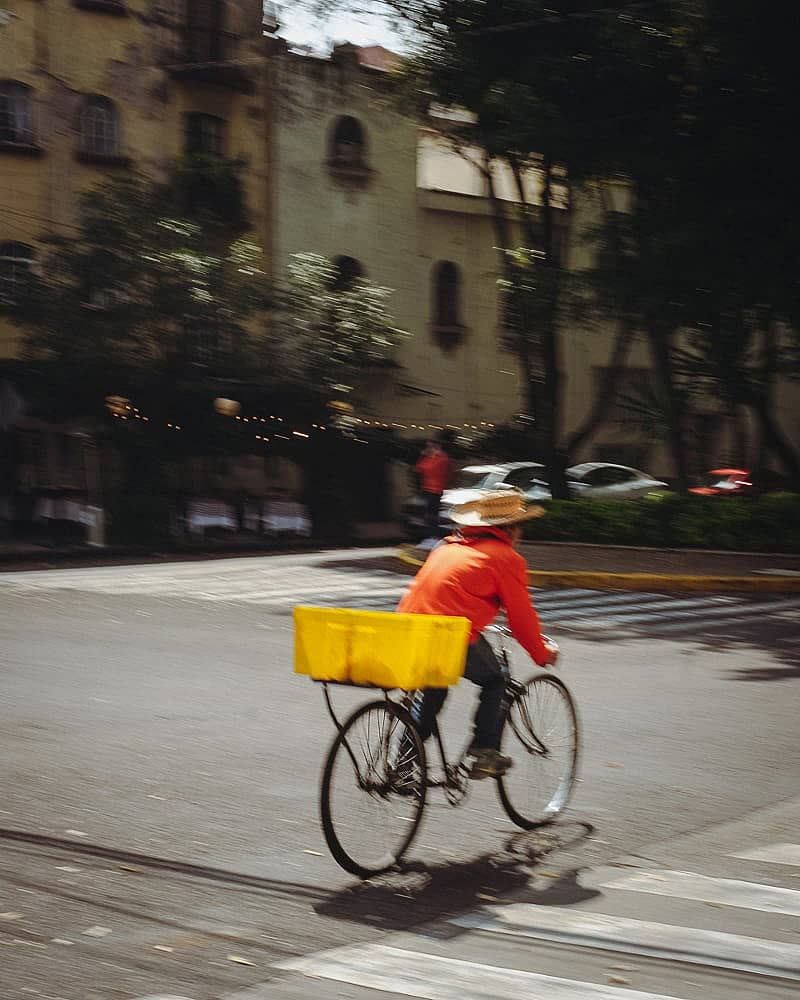
Tulbagh is perfect to explore by bike, with quiet secondary roads that are either flat or gently rolling, edged by farms, vines, and orchards. You ride through the scents of earth, ripe fruit depending on the season, and warm dust when the wind picks up. The scenery shifts quickly: a grove of eucalyptus, a line of mountains, a patchwork of fields.
Choose a regular or electric bike, depending on what you feel like, and set out with a route prepared by a local expert. They’ll help you avoid busier roads, choose delicious stops, and plan a realistic loop. It’s a gentle way to travel, ideal for slowing down and observing daily life in the valley.
7. Experience the local atmosphere during Christmas in Winter
If you come at the right time, the Christmas in Winter event transforms Tulbagh, usually during the winter season. The white facades of Church Street glow by candlelight, lanterns flicker in the cold air, and the town takes on the feel of a living painting. You may hear choirs, catch the scent of mulled wine and spices, and slip into a warm, almost intimate atmosphere.
Plan ahead, as accommodations fill up quickly. Your local agency can arrange a well-paced evening, with the right spots to enjoy the festivities without getting stuck in the crowds. It’s a perfect moment to experience the valley differently, through a celebration that feels personal, sincere, and full of light.
Add Tulbagh to a tailor-made South Africa itinerary
With Evaneos, you’ll be connected with a local, English-speaking expert based in South Africa. They live there, know the best routes, the seasons, and the places that matter, and help you avoid ideas that sound good on paper but don’t work in practice. The result: practical, useful advice and an itinerary that matches your pace.
Dreaming of a stop in Tulbagh, between vineyards, mountains, and Cape Dutch heritage? Your expert can weave it in naturally, then design a tailor-made trip from Cape Town to safari country, adjusting accommodations, activities, and travel times to fit what you’re looking for.