





Must-sees and hidden gems: what to see and do in Stellenbosch?
1. Taste the Cape’s great wines at historic estates
Stellenbosch is the country’s most elegant wine capital, and you can taste it from the very first sip. Among oak-lined lanes, white Cape Dutch cellars, and the scent of toasted barrels, the estates tell a story three centuries in the making. Choose a guided tasting for a more intimate experience and a better understanding of the local grape varieties: chenin blanc, cabernet, pinotage, and the subtle influence the winds from False Bay have on the grapes.
To travel more responsibly, look for estates committed to regenerative farming, short supply chains, and partnerships with local producers. A smart tip: book an early morning time slot, when the tasting rooms are quiet and the light drifts over the vines. You’ll leave with real insight, not just a few bottles.
2. Stroll along Dorp Street and its Cape Dutch houses
Stellenbosch’s prettiest postcard view is often right at sidewalk level, along Dorp Street. Here, white facades with gables, dark shutters, and jasmine-scented gardens tell the story of the region’s early wine pioneers. Walk slowly, listen to the leaves crunching beneath the oaks, and take in the details: brass door knockers, small dormer windows, thick walls that keep the interiors cool.
In the late afternoon, the street turns golden, and cafés fill with students, winemakers, and families out for a walk. Your local agency can also arrange a short guided tour focused on architecture and history. It’s ideal for understanding the town without just skimming the surface.
3. Wander the center through galleries and specialty coffee shops
Stellenbosch also reveals itself in small sips and bold brushstrokes, between discreet galleries and serious coffee shops. The center is compact and easy to explore on foot, with a youthful energy shaped by the university. Step into a gallery, then open the door to a local roaster. Inside: the smell of warm beans, silky cappuccino foam, and conversations in Afrikaans and English.
Mix in artisan boutiques, bookstores, gourmet shops, and South African design. It’s a great counterpoint to the vineyards. The secret is to go on a weekday morning, when the town still belongs to regulars and students rushing between classes.
4. Explore the Village Museum to understand the town from the inside
To get a feel for the soul of Stellenbosch, nothing beats a visit to the Village Museum, a series of historic homes reconstructed with rare attention to detail. You step inside as if entering someone’s house: creaking wooden floors, the scent of wax, an old kitchen with well-worn utensils. Each room tells the story of a different era, from the first settlers to more modern ways of life, without romanticizing the past and while also showing its hierarchies and realities.
It’s a short but rich visit, especially good for families because it makes history tangible. The guides are often passionate and answer questions with care and precision. Afterward, you’ll see the facades in the town center differently, as lived-in history, not just a pretty backdrop.
5. Hike in Jonkershoek Nature Reserve
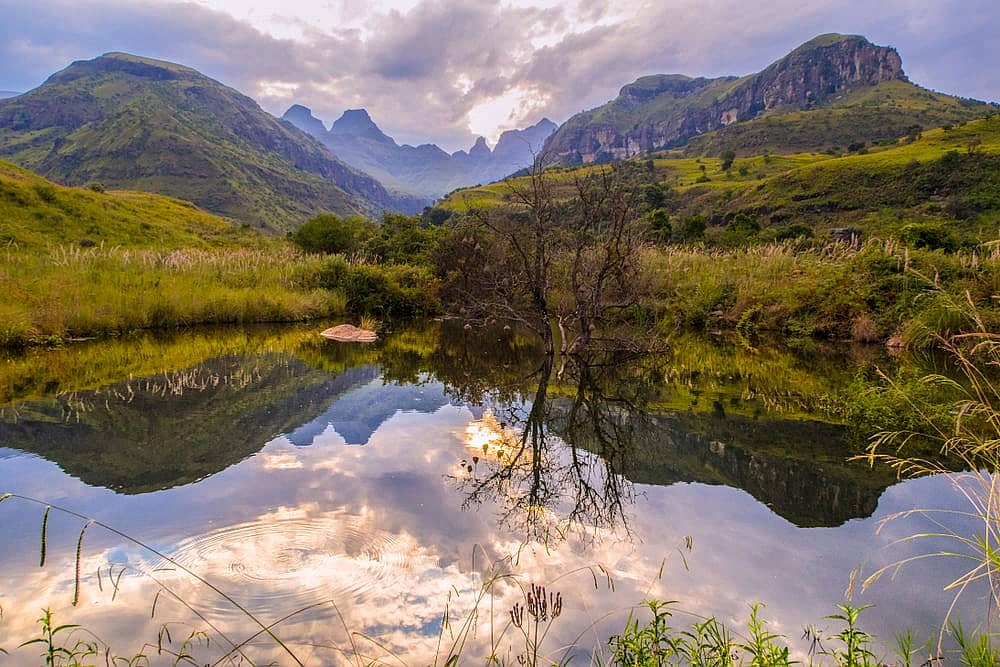
Just 15 minutes from the center, Jonkershoek offers the fresh mountain air Stellenbosch keeps tucked away: jagged peaks, fragrant fynbos, and cool rivers. Set out early, when the valley still has a bluish glow, and choose a trail that fits your pace, from an easy walk by the water to a more athletic climb with views over the folded mountain ridges. Here, the silence is never complete, it crackles with birdsong and wind.
Bring water, a windbreaker, and good shoes, as the weather can change quickly. To keep your impact low, stay on marked trails and pack out your trash. If you visit in spring, look for the blooms: dry fynbos textures, bright pops of color, and resinous scents in the air.
6. Bike the Wine Route instead of driving between estates
The gentlest way to experience Stellenbosch is to connect wine estates by bike, following quiet roads and paths lined with vines. The pace changes everything: warm air on your face, the steady sound of tires, spontaneous stops beside a lavender field or a view of Simonsberg. Several routes are available, with e-bike options if you want to save your energy for the tastings.
Your local agency can organize a seamless day with bike rental, a mapped route, and appointments at less-visited cellars. It’s also a great alternative to car-based tourism: more social, slower, and more connected to the landscape. Finish with a short-supply-chain lunch, from garden to table, vegetables from the farm, crusty bread, and local olive oil.
7. Taste the food scene, from markets to locavore tables
Stellenbosch is as much a place to eat as it is to drink, and its plates tell the story of the Cape’s terroir. Start at a market, with colorful stalls, ripe fruit, cheeses, biltong, and pastries. Then book a table where the chef works with nearby farms. On the menu: roasted vegetables, fresh herbs, coastal fish, carefully sourced meat, and thoughtful wine pairings.
The experience becomes memorable when someone explains the ingredients, the seasons, and the artisans behind each flavor. For families, it’s easy as many places have gardens, room to roam, and a relaxed atmosphere. In the evening, the town settles down: softly lit terraces, the gentle clink of glasses.
8. Discover South African art at the Rupert Museum
The Rupert Museum is a welcome cultural pause, often quieter than the wine estates and perfect during the hottest hours of the day. You’ll find a thoughtful collection of South African and international art, with powerful works that are sometimes political, sometimes meditative, offering another way to understand the country. Explore at your own pace in bright galleries, surrounded by that special museum silence that invites reflection.
It’s an excellent addition for curious travelers who want to connect landscape, history, and contemporary creativity. Pair your visit with a walk through the nearby streets, then stop for coffee. Your local expert can also point you toward temporary exhibitions depending on when you visit.
9. Watch the sunset from Helshoogte Pass
For a simple, unforgettable moment, drive up Helshoogte Pass at the end of the day, when the light turns amber and the vineyards seem to ripple like waves. From the viewpoints, Stellenbosch unfolds in a patchwork of green rows, white farmhouses, and mountains in the distance, while the air suddenly cools. It’s a perfect spot for photos, but even better for taking a quiet breath.
Go carefully, don’t rush, and choose one short stop rather than hopping from viewpoint to viewpoint. Bring a light jacket, as the wind can pick up quickly. For a stress-free outing, arrange a transfer through your local agency.
Make Stellenbosch a stop on your tailor-made trip to South Africa
With Evaneos, you’ll work directly with a local, English-speaking expert based in South Africa. They know the seasons, the distances, and the best times of day, and can adjust your itinerary in real time, far from standardized tours.
Dreaming of a Stellenbosch interlude among wine estates, galleries, and locavore restaurants, followed by a safari or the Garden Route? Your local expert will design a tailor-made trip around your pace, interests, and budget, with personally vetted places and smooth logistics from start to finish.