



Must-sees and hidden gems: what to see and do in Hoedspruit?
1. Go on safari in the private Timbavati Reserve
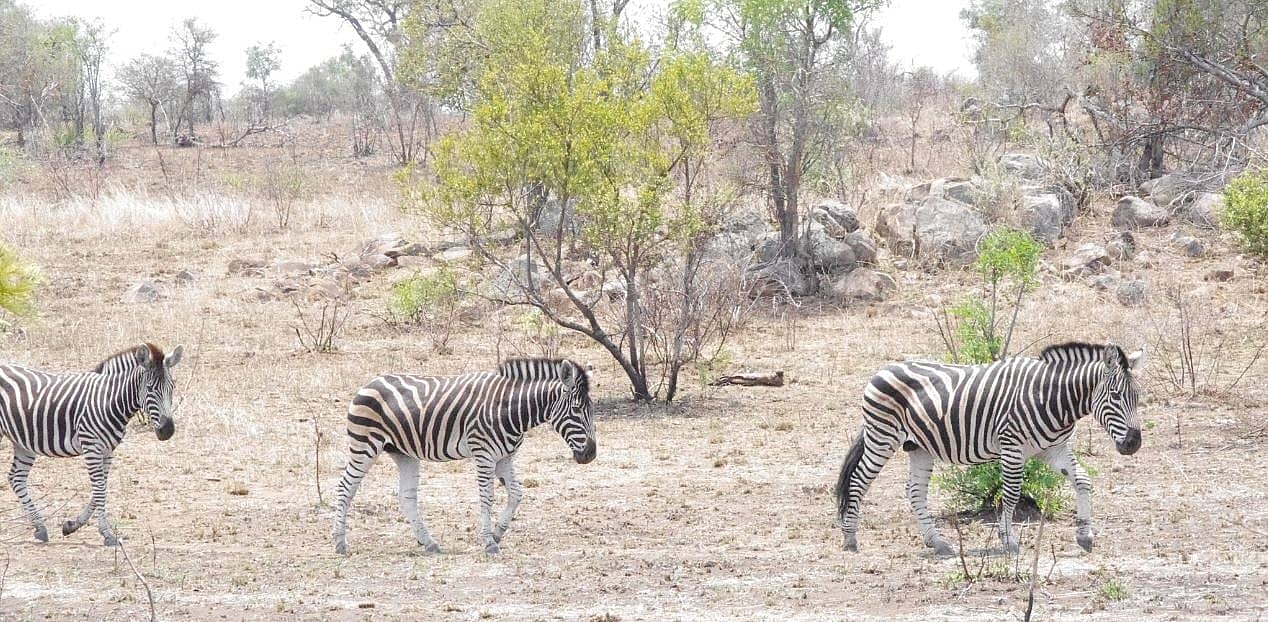
Spotting the Big Five here means discovering a more intimate side of South Africa, far from lines of safari vehicles. At dawn, the air is cool, scented with dust and dry grass, and the bush wakes to a chorus of doves. Trackers read the ground like a book: a print in the sand, a broken branch, a sudden silence. By late afternoon, golden light wraps around the acacias, and every sighting feels like a gift.
2. Explore Blyde River Canyon and the Three Rondavels
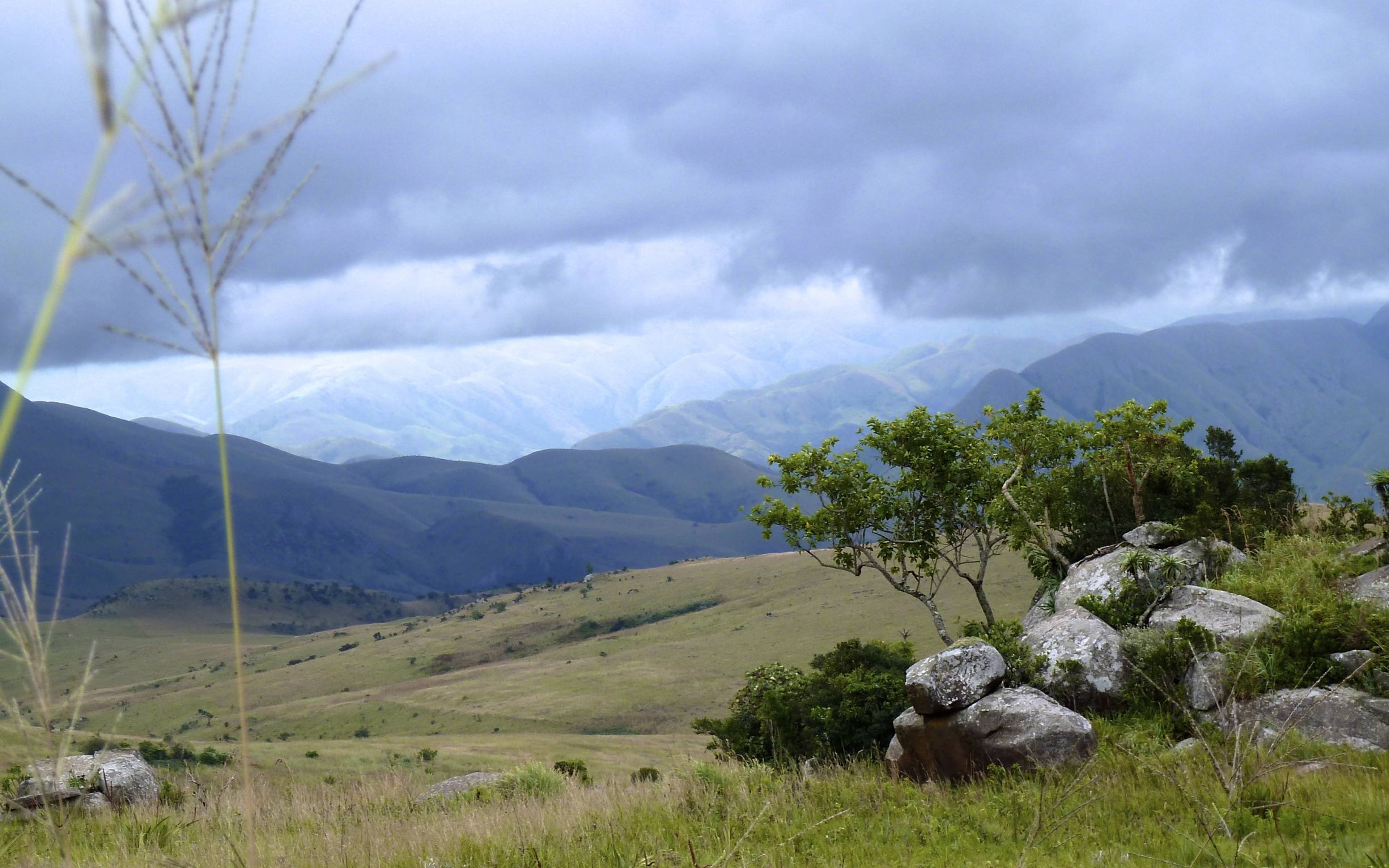
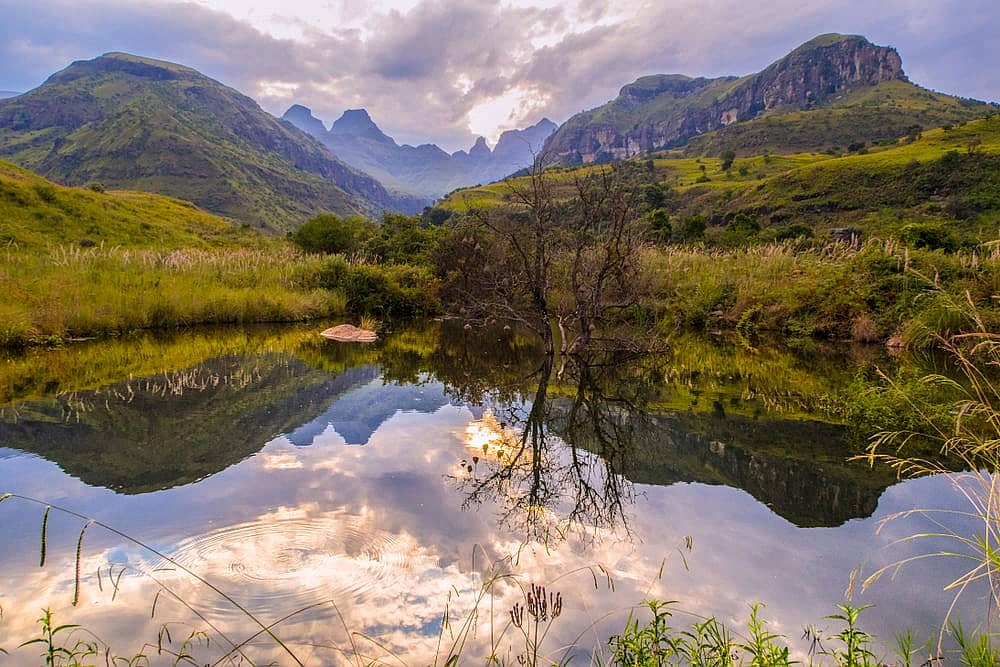
Taking in one of the world’s largest green canyons, less than a two-hour drive away, changes the pace of the trip. From the viewpoints, cliffs drop into a sea of forest, and the Blyde River winds far below, dark and gleaming. The Three Rondavels rise with their rounded silhouettes, like giant huts. In the morning, mist clings to the ridges, and you understand why locals call this a “living” landscape.
3. Hike in the Mariepskop Reserve and reach for the clouds
Breathing in the cool mountain air feels especially good after the heat of the Lowveld. Mariepskop, the legendary peak above Hoedspruit, offers trails through ferns, pines, and dizzying viewpoints. The wind sometimes carries the damp scent of moss, almost tropical, and brightly colored birds dart between the branches. On a clear day, the view stretches far into the blue folds of the canyon. Be sure to check summit access conditions, as they are regulated.
4. Take a responsible walking safari in Balule, part of the Greater Kruger
Walking through the bush sharpens all your senses. In Balule, part of the Greater Kruger, you move slowly with a ranger, learning to recognize hyena tracks, buffalo droppings, and the peppery scent of an elephant that passed by recently. Without an engine, every sound comes forward: an eagle’s cry, grasses rustling, wings beating overhead. It’s a humbler, more grounded way to experience the wild.
5. Glide by boat across Blyde Dam at sunset
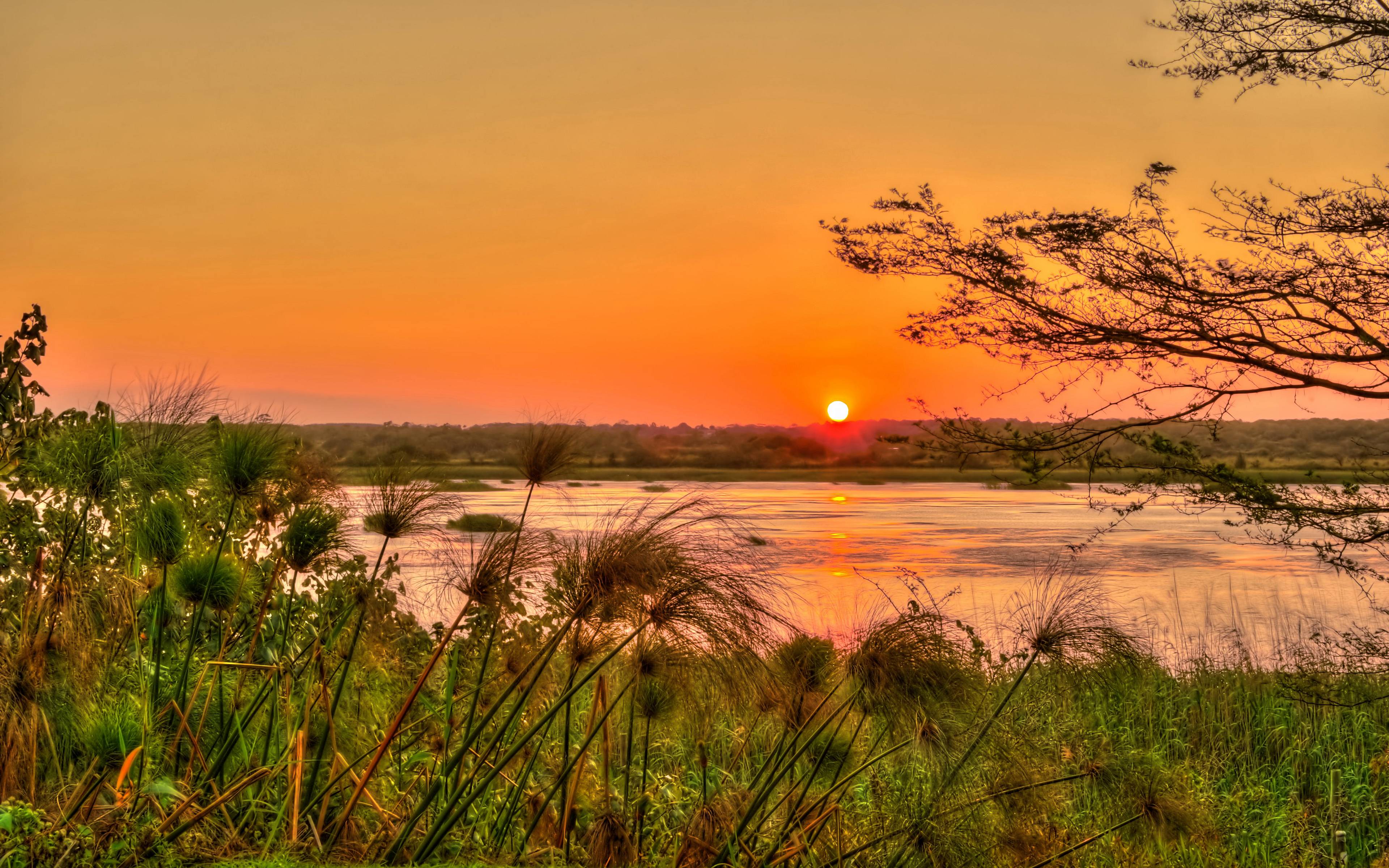
Seeing wildlife from the water offers a rare, gentle, almost meditative perspective. On the body of water behind Blyde Dam, the surface turns copper as the sun sinks, and the hills reflect like a mirror. Hippos exhale just a few feet away, crocodiles bask motionless on the banks, and kingfishers flash blue just above the water. Bring a light jacket. The sun sets quickly, and the air cools down.
6. See cheetahs up close at the Hoedspruit Endangered Species Centre
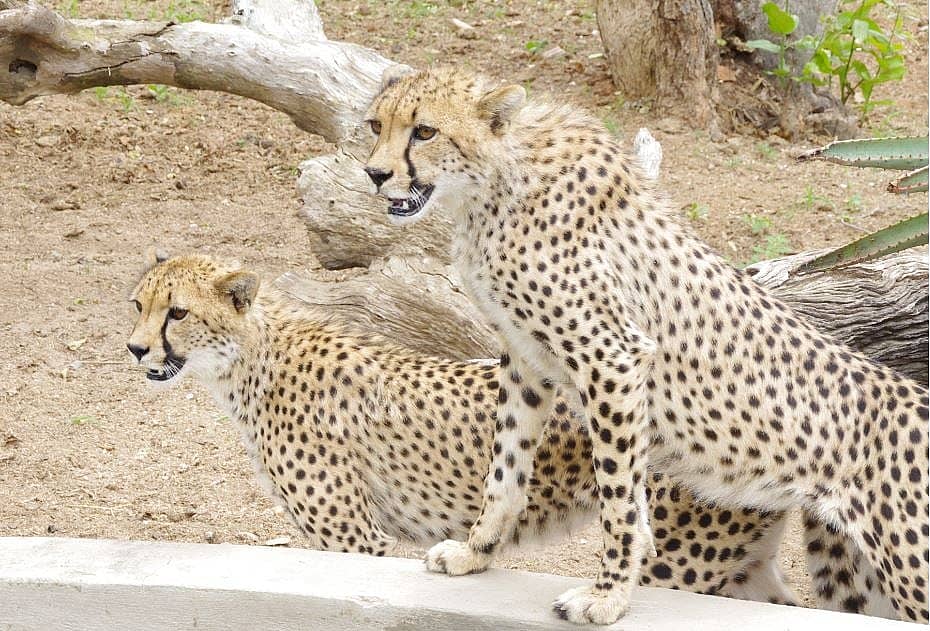
Understanding conservation in the field adds real meaning to a stop in Hoedspruit. This respected, committed center works with threatened species such as cheetahs, and you come here to learn, not to “consume” the animal. The team explains the challenges, from poaching and habitat loss to conflict with livestock, and the concrete solutions being put in place. You leave with powerful images, but above all with a clearer sense of what protection really means.
7. Taste Lowveld cuisine and farm-fresh products
Eating local here means experiencing a generous, down-to-earth South Africa, where the fire is never far away. In Hoedspruit and its lodges, you’ll often find regional ingredients: farm vegetables, citrus, fresh herbs, and sometimes recipes inspired by Afrikaner and Tsonga traditions. In the evening, the smell of woodsmoke hangs in the air, glasses clink softly, and you savor dinner beneath a dark sky scattered with stars.
8. Float over the bush in a hot-air balloon at daybreak
Seeing the Lowveld from above is a rare, quiet, almost unreal experience. Before dawn, you hear the burner roar, then the basket rises gently above the trees. Below, the savanna begins to wake: tracks as fine as pencil lines, herds moving like dark patches, sometimes a lone elephant near a waterhole. Morning light sets the hills aglow, and time seems to slow, suspended in the air.
9. Follow hidden routes around Hoedspruit for crowd-free wildlife viewing
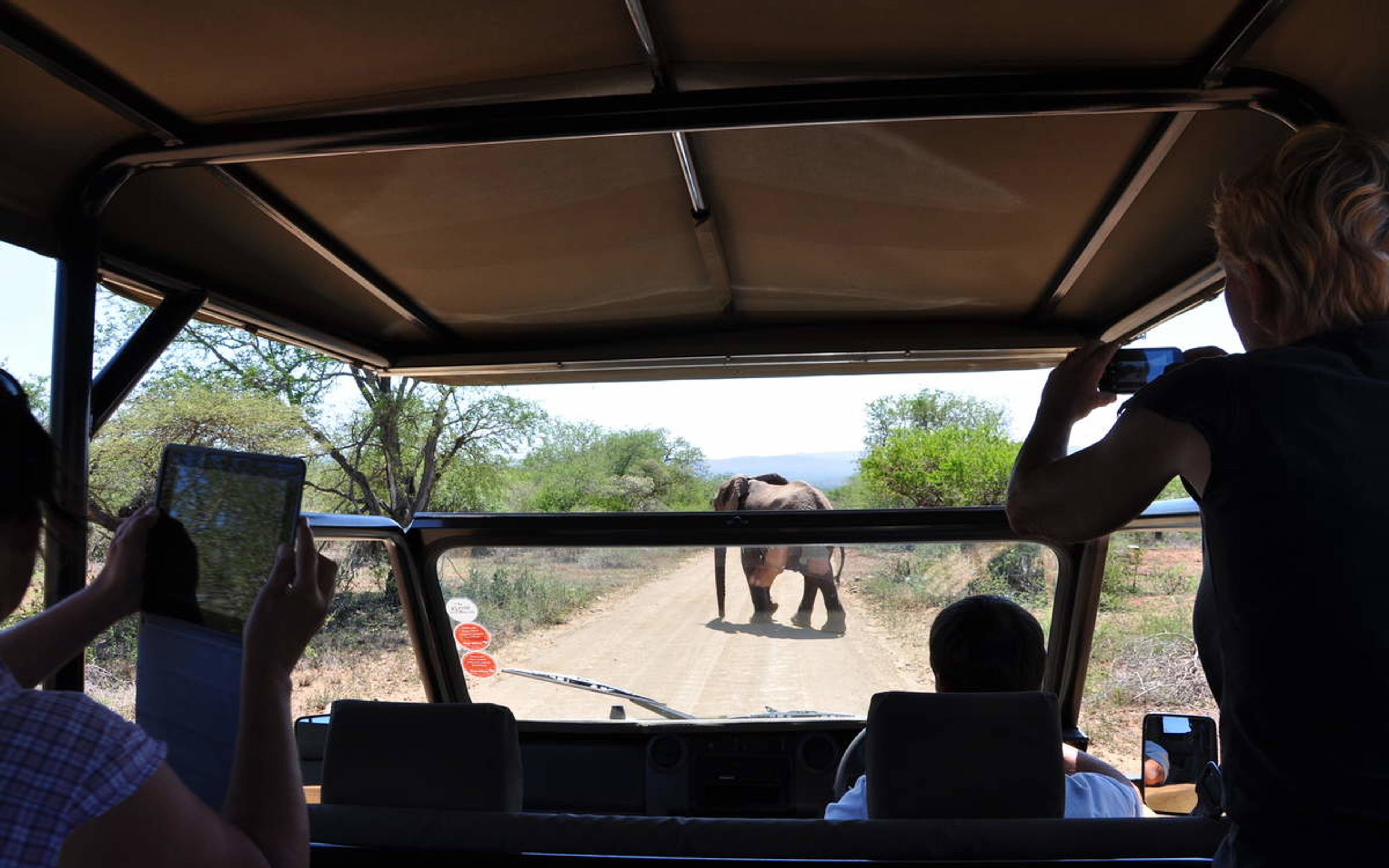
Getting behind the wheel to explore the back roads is a real pleasure in this region, as long as you do it with patience and respect. Early in the morning, the roads around Hoedspruit often reveal quiet scenes: a lilac-breasted roller perched on a wire, impalas crossing in silence, pink dust drifting behind a vehicle. By asking a local agency for advice, you can avoid crowded areas and find the right timing, the best stopping points, and the right kind of silence. Since these routes don’t appear on common maps, only a local expert can recommend them safely.
Make Hoedspruit a stop on a tailor-made trip to South Africa
With Evaneos, you’ll connect directly with a local, English-speaking expert based in South Africa. On the ground, they know the real distances, the best roads, the seasons, and the right places to stay, and they can fine-tune your itinerary day by day, far from one-size-fits-all plans.
Want to spend time in Hoedspruit as a base for Kruger or a private reserve, then continue to Blyde River Canyon, Cape Town, or the Garden Route? Your local expert will design a tailor-made trip around your pace, budget, and interests.