



Must-sees and hidden gems: what to see and do in Saint Lucia?
1. Explore the Saint Lucia Estuary by boat at sunset
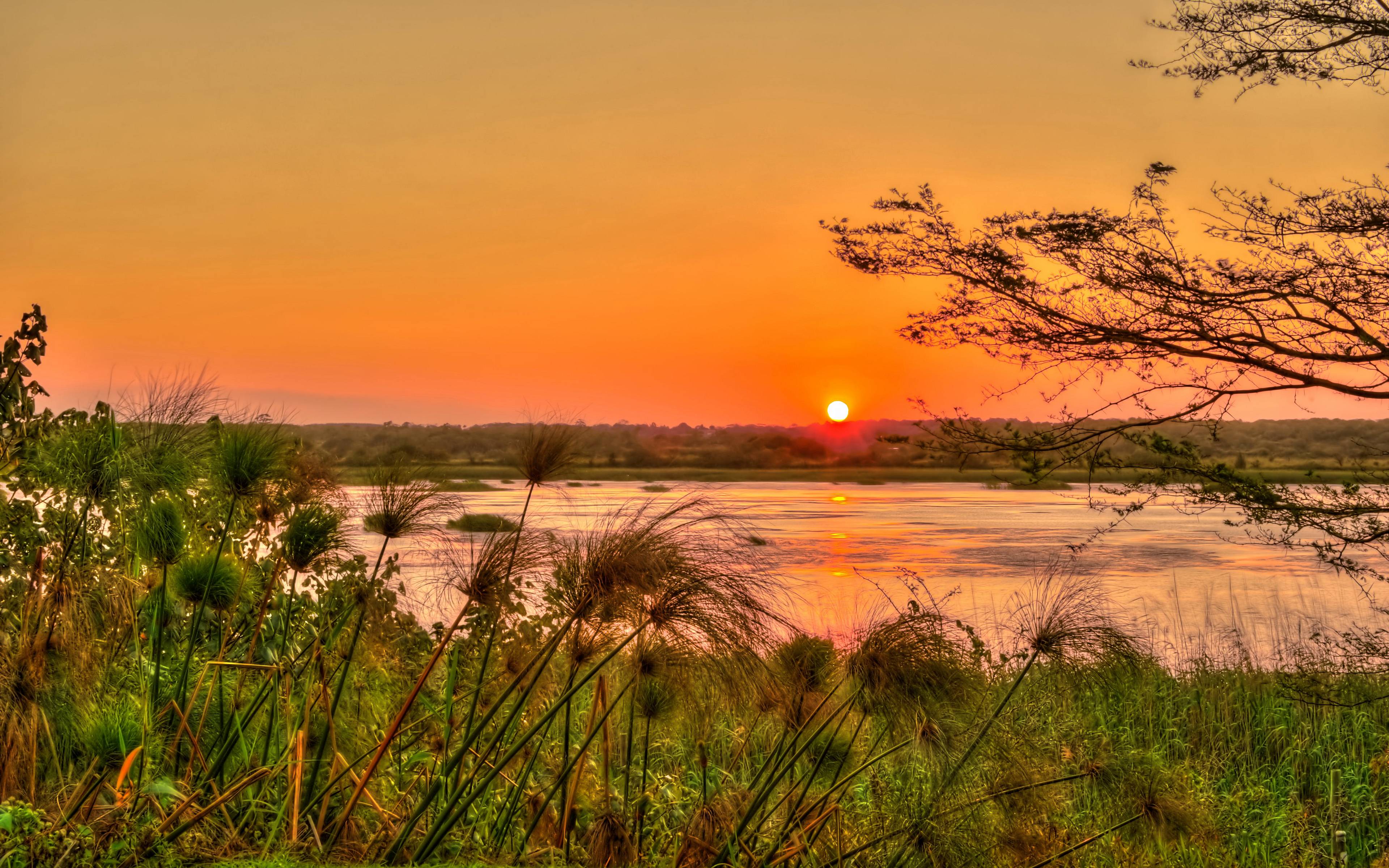
The must-do here is a cruise on the estuary, where brown water slips between mangroves and reeds. You move slowly, camera in hand, as hippos snort like boilers and crocodiles warm themselves on the banks. Late in the day, the light turns honey-gold, white egrets lift off in silence, and the air smells of warm mud.
Choose a small-group outing for a more intimate experience, and leave time after the cruise to wander along McKenzie Street, the main street, as the town softens and restaurants begin to buzz.
2. Go on safari in iSimangaliso Wetland Park
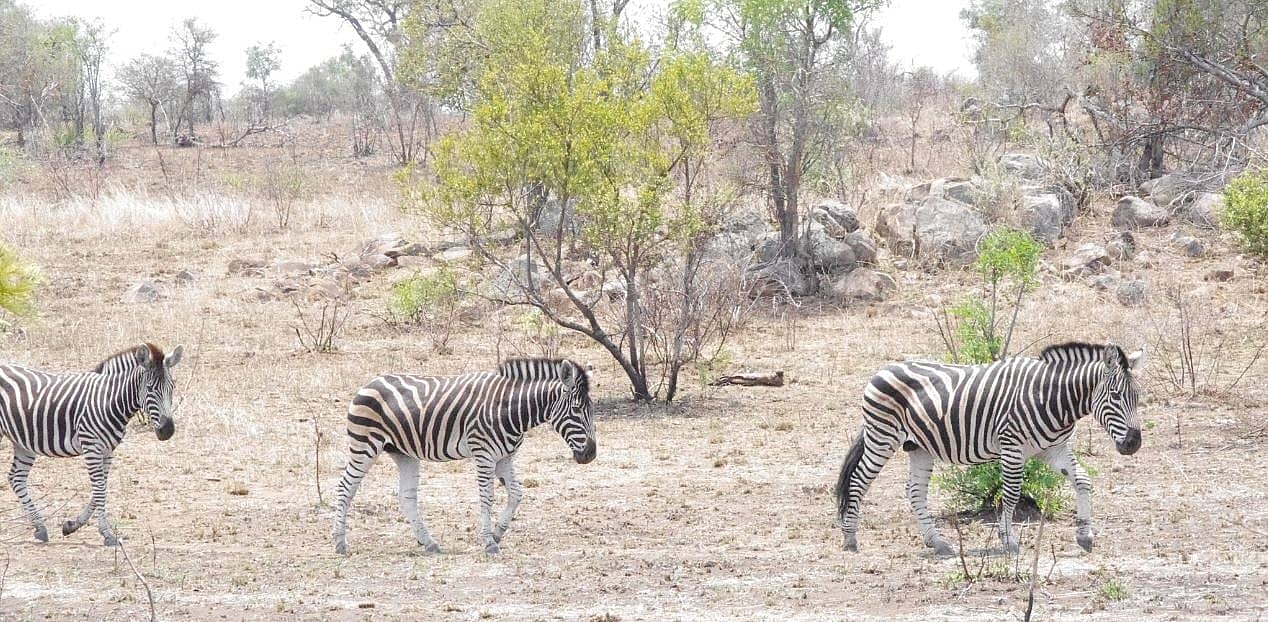
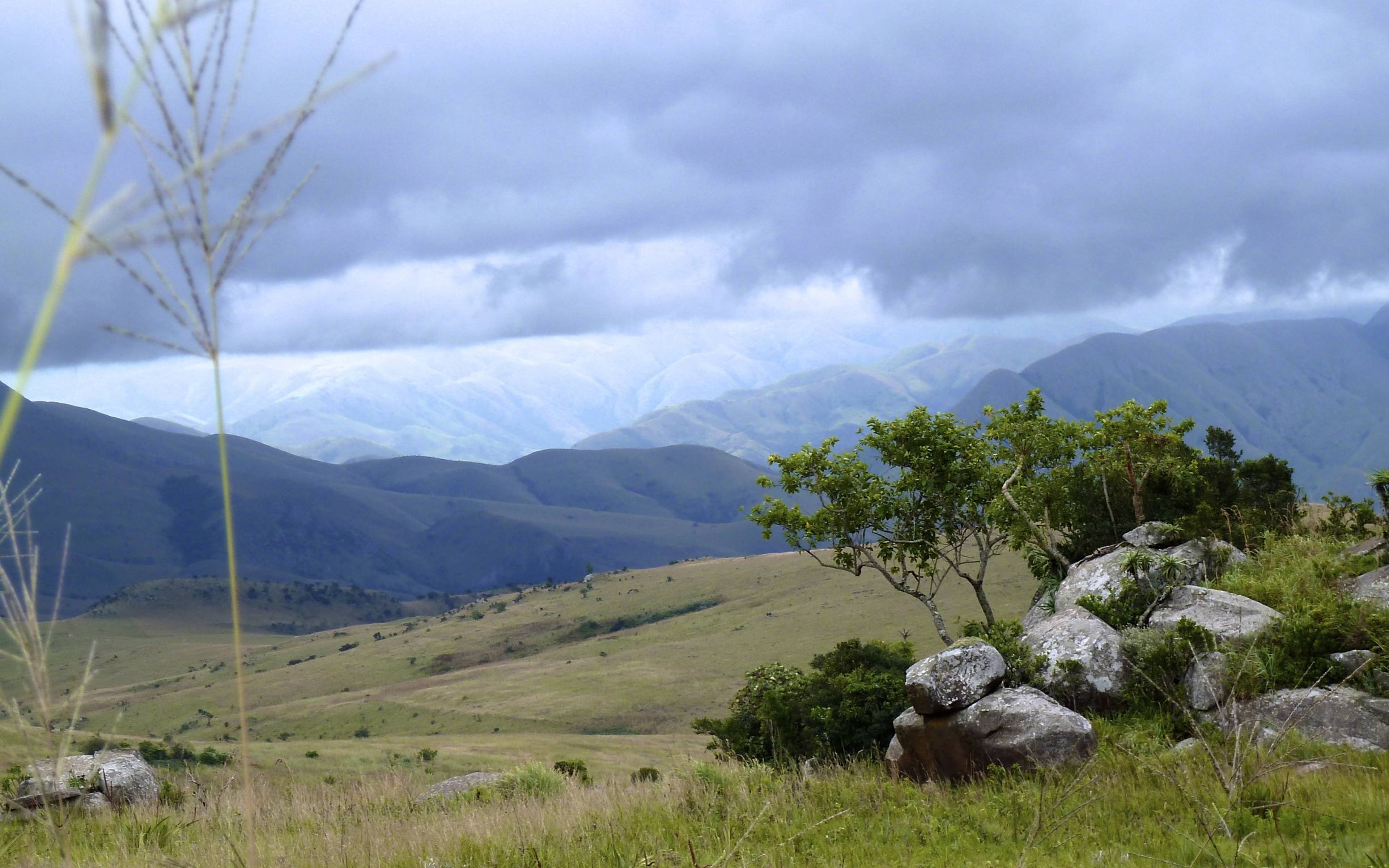
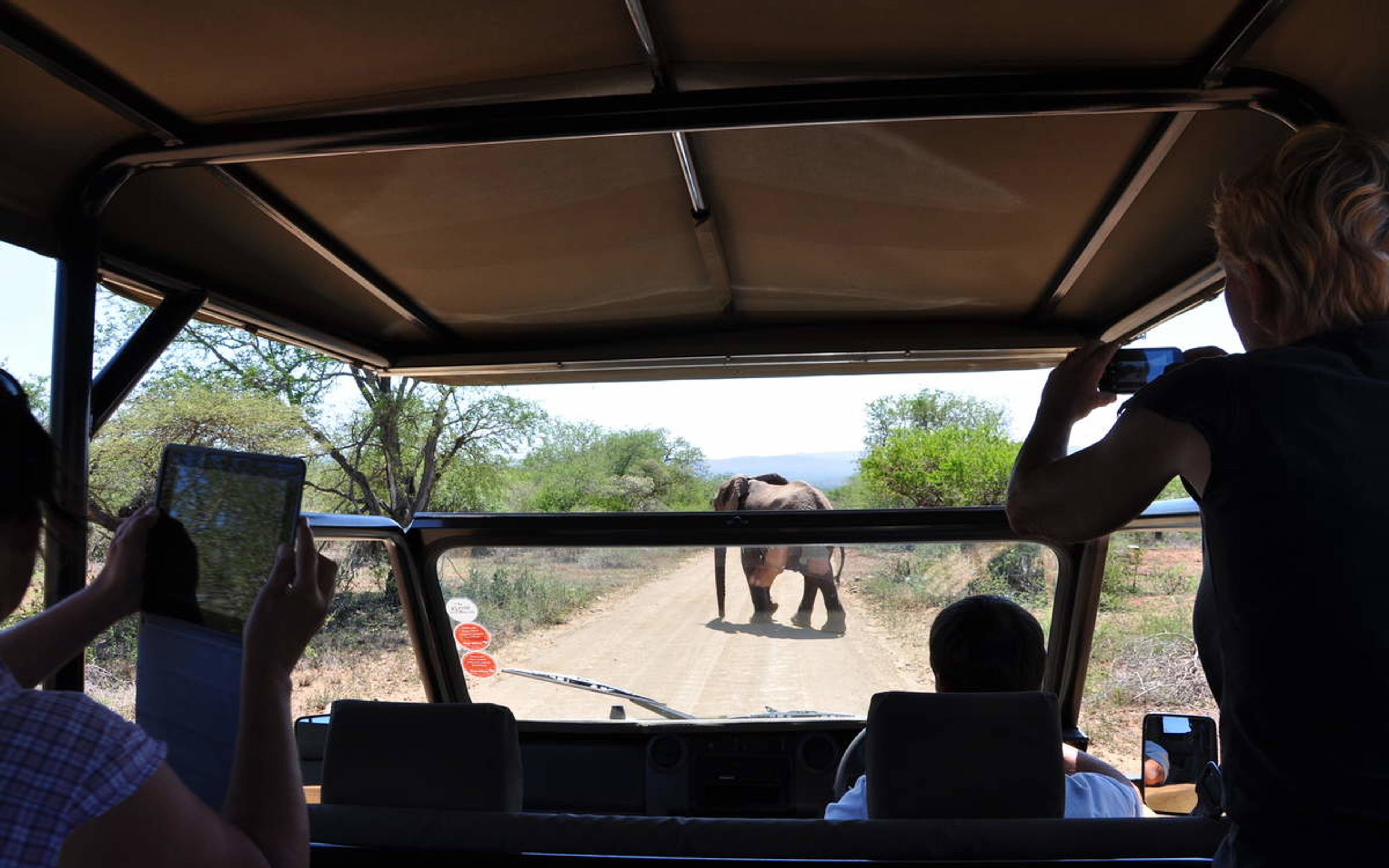
Saint Lucia’s biggest thrill is iSimangaliso Wetland Park, a UNESCO-listed patchwork where savanna meets lakes, forests, and the ocean. On a self-drive safari or with a local guide, you scan the clearings for zebras striped like shadow puppets, antelopes melting into tall grass, and massive buffalo at the edge of watering holes. The sandy tracks smell of warm dust and resin.
For a richer experience, go with a ranger from the area. They know how to read tracks, wind direction, and animal behavior, turning every stop into a small lesson in the wild.
3. Swim and walk along Cape Vidal Beach
Cape Vidal is the real-life version of a postcard: a long ribbon of pale sand edged by vegetation-covered dunes and an ocean that is often turquoise. Swim when the sea is calm, then walk barefoot with cool sand under your feet, sometimes spotting turtle tracks in protected areas. The air is salty and sharp, and the light hits just right.
Arrive early to avoid the crowds, and bring a picnic. Here, luxury is simple: a towel, a thermos, and the steady sound of the waves.
4. Watch turtles in season with a certified guide
From November to March, nights along the coast can feel magical, as sea turtles come ashore to lay their eggs. This experience must be done with authorized guides, in small groups, and without flash, with an almost sacred level of care. You walk across dark sand, a discreet red light in hand, your heart beating faster with every fresh track. Then, sometimes, the silhouette appears: slow, powerful, deeply moving.
It’s the kind of moment that stays with you, especially as a family. It teaches patience and respect, and reminds you that nature is not a show, but a living world to protect.
5. Treat yourself to a walking safari in Dukuduku Forest
To step away from the “all-vehicle” safari experience, nothing beats a guided walk. Dukuduku Forest, just outside Saint Lucia, has the lush feel of a subtropical jungle. The ground is spongy, the leaves shine, and birds call sharply above you. On foot, you listen differently. You notice tiny tracks, insects, and the way light falls in patches along the trail.
Go with a local guide. They’ll share stories about medicinal plants, traditional uses, and the land itself, and you’ll leave with a sharper eye and a little more humility.
6. Kayak along the channels and approach wildlife in silence
Kayaking is the whispered version of the estuary, the one where you glide without a motor, right at water level. You feel the rhythm of the paddle in your shoulders, drift around water lilies, and suddenly a kingfisher shoots past like a blue arrow. Sometimes, a hippo snorts in the distance, a firm reminder that this is its home, not yours.
Choose a guided, safety-conscious outing that respects proper distances. It’s the best way to experience the quiet intimacy of the place while protecting your peace of mind, and the animals’ too.
7. Climb to the Mission Rocks viewpoint to watch for whales in the Southern Hemisphere winter
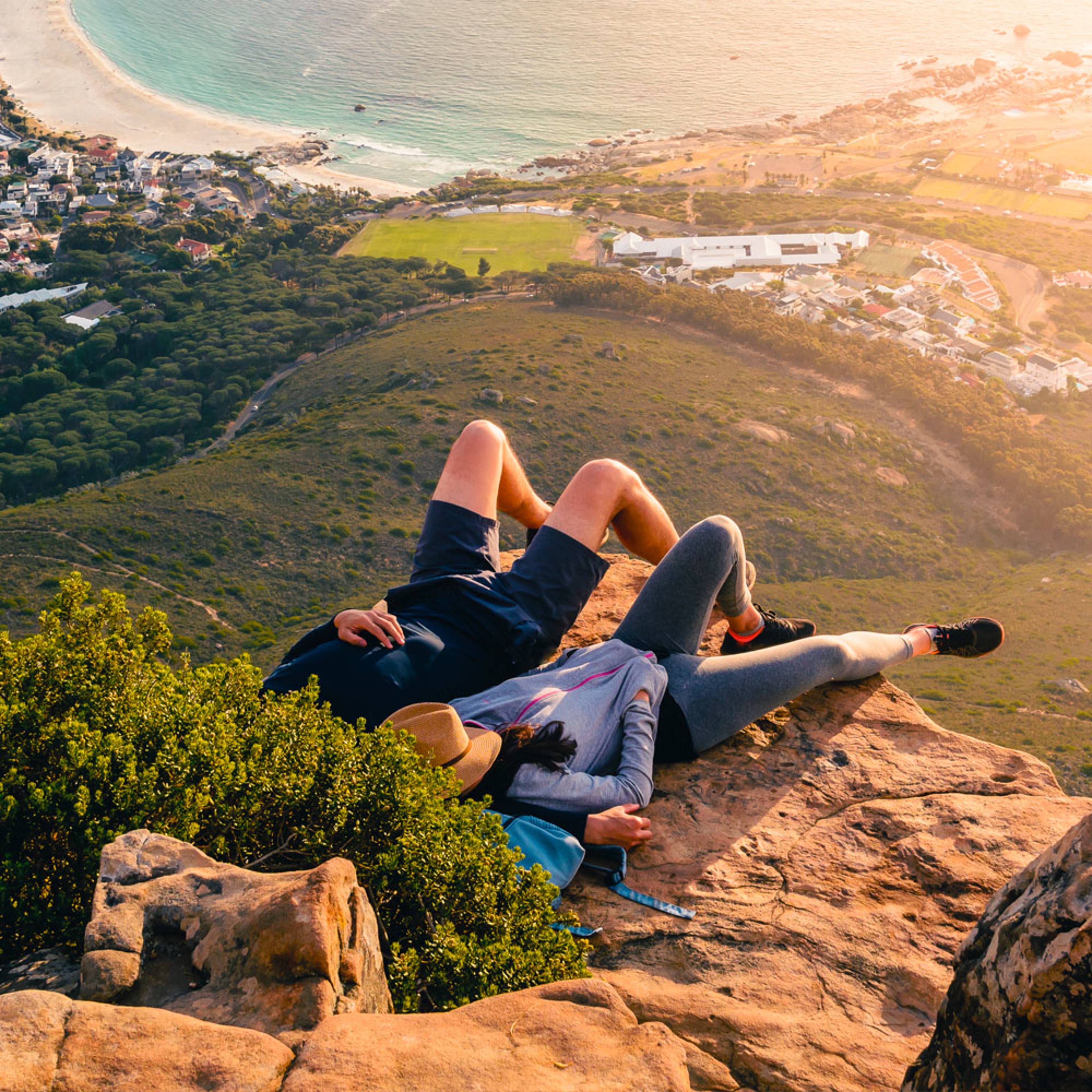
Between June and November, Mission Rocks becomes a balcony over the ocean, with a true edge-of-the-world feeling. You climb onto the rocks, the air cooler and full of sea spray, and scan the horizon. A white burst, a dark back, then the sea closes again. Even without whales, the scenery is worth the trip: dunes, low coastal vegetation, and waves breaking in long lines.
At sunrise, the light is soft, the colors muted, and you’ll often have the site almost to yourself. It’s a rare, quiet moment, deeply South African.
8. Drive the estuary loop at dawn and spot hippos
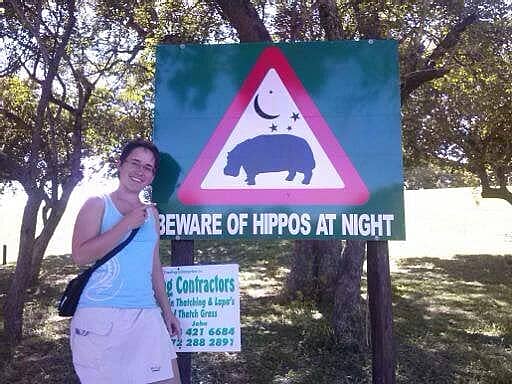
In Saint Lucia, the town sometimes belongs to the hippos at night, and dawn is the best time to feel that boundary between village and wilderness. Take the road slowly toward the estuary viewpoints, windows cracked, the air still cool. You may spot massive silhouettes near the wetlands, and elegant nyalas in the bushes.
Always keep your distance, don’t leave your vehicle outside authorized areas, and let the scene unfold. It’s exactly this fragile, fascinating coexistence that makes Saint Lucia so unique.
Stop in Saint Lucia on a tailor-made South Africa trip
With Evaneos, you plan your trip to South Africa directly with a local, English-speaking expert based in the country. They know the seasons, the distances, the best routes, and the places that truly matter, saving you time and helping you avoid surprises when you arrive.
Want to include Saint Lucia, with its estuary, dusk hippos, and safari in iSimangaliso? Your expert will adjust the pace, accommodations, and activities to fit your interests, budget, and travel crew, creating a truly tailor-made trip from Cape Town to Kruger.