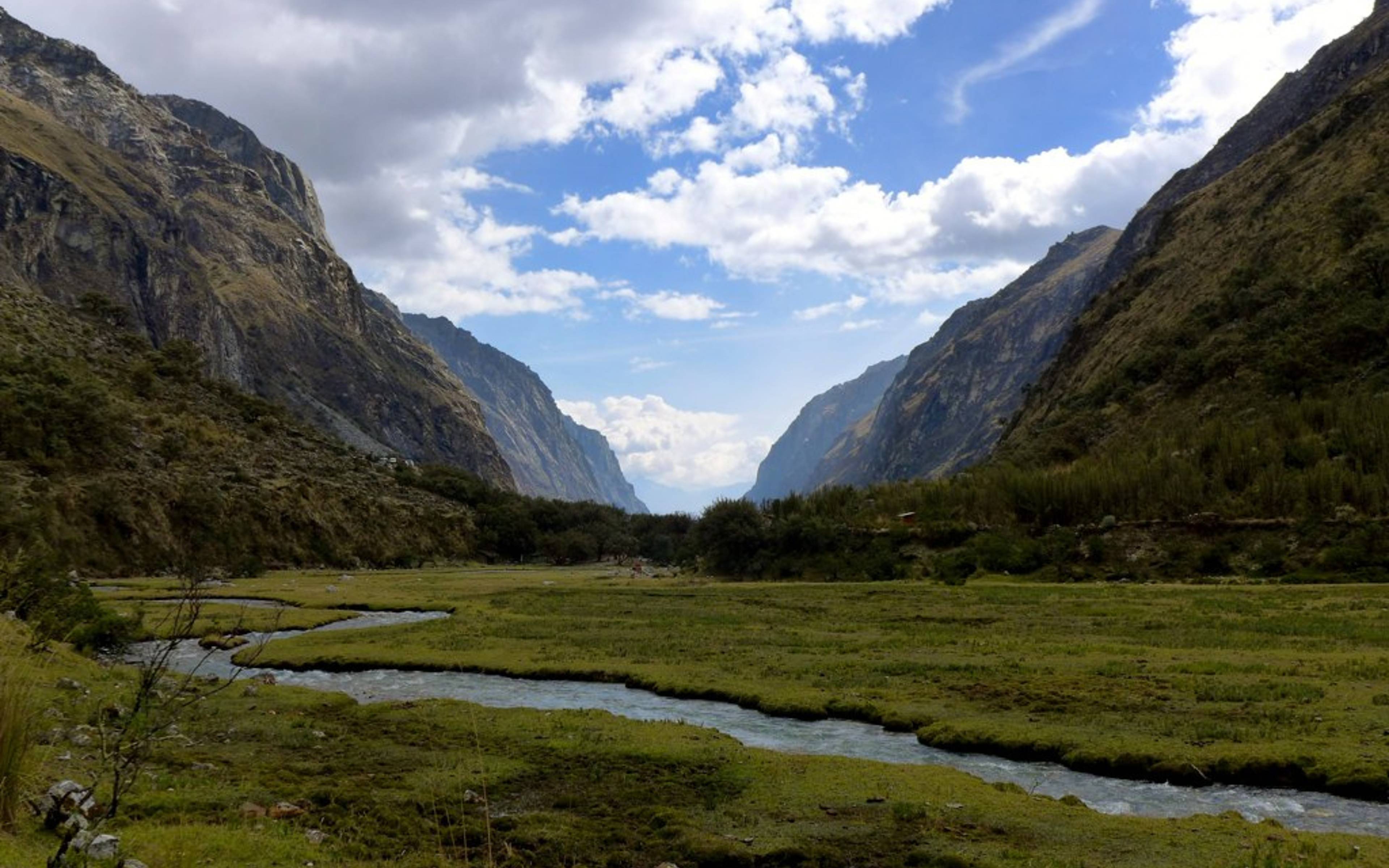
Alto de Pucaraju is a pass which joins up the Taulliraju and Pucaraju ranges.
Hualcayan is a village in the Cordillera Blanca where there are some architectural ruins.
The Canocota Canyon is located in the Colca Valley, not far from the Colca Canyon, the second longest canyon in the world.
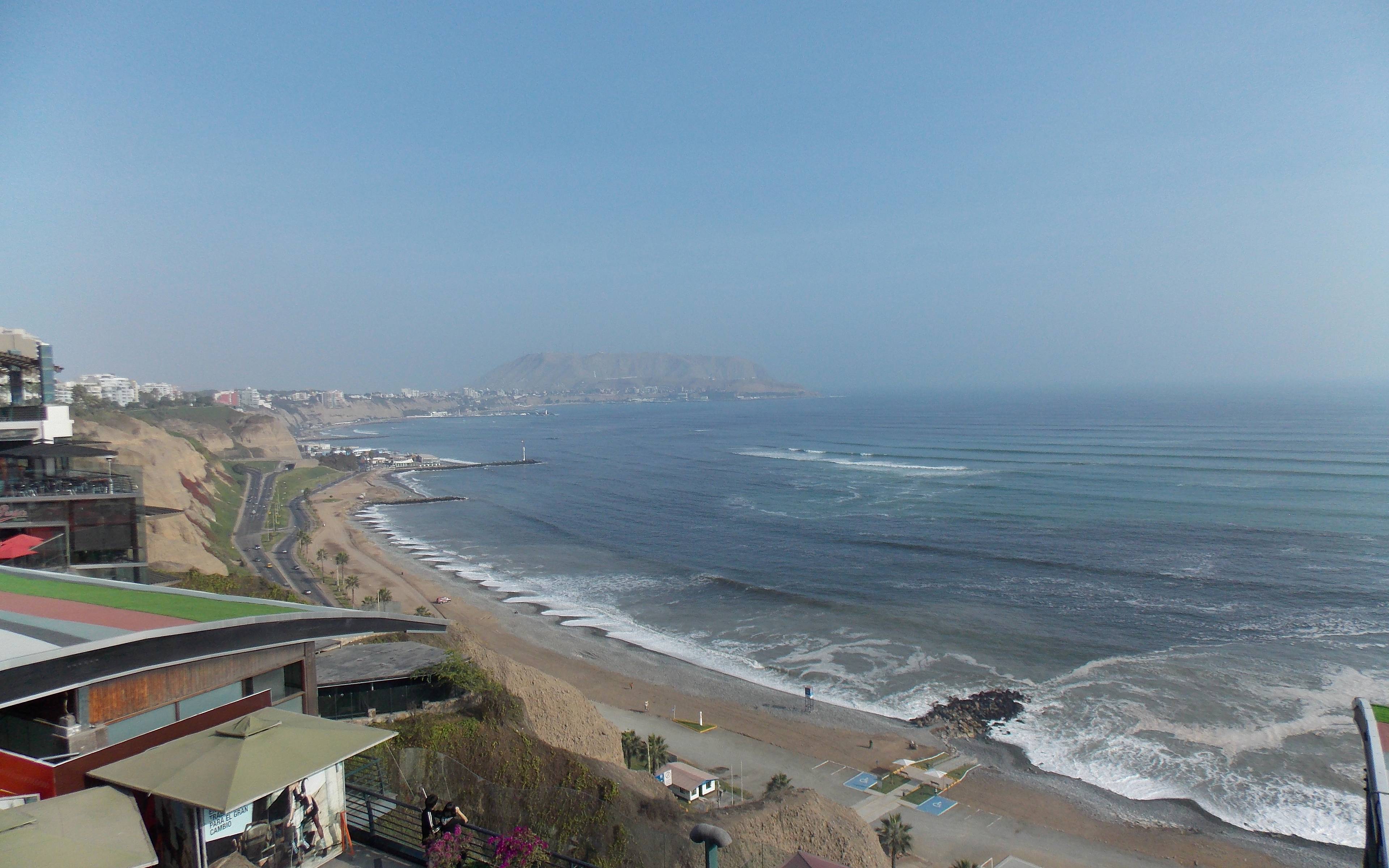
The Costa Verde and its beaches

Lima

2.7
The huge capital of Peru sprung up out the desert. Lima is a noisy town, an easy going place where clouds cover the sky for 8 months of the year.
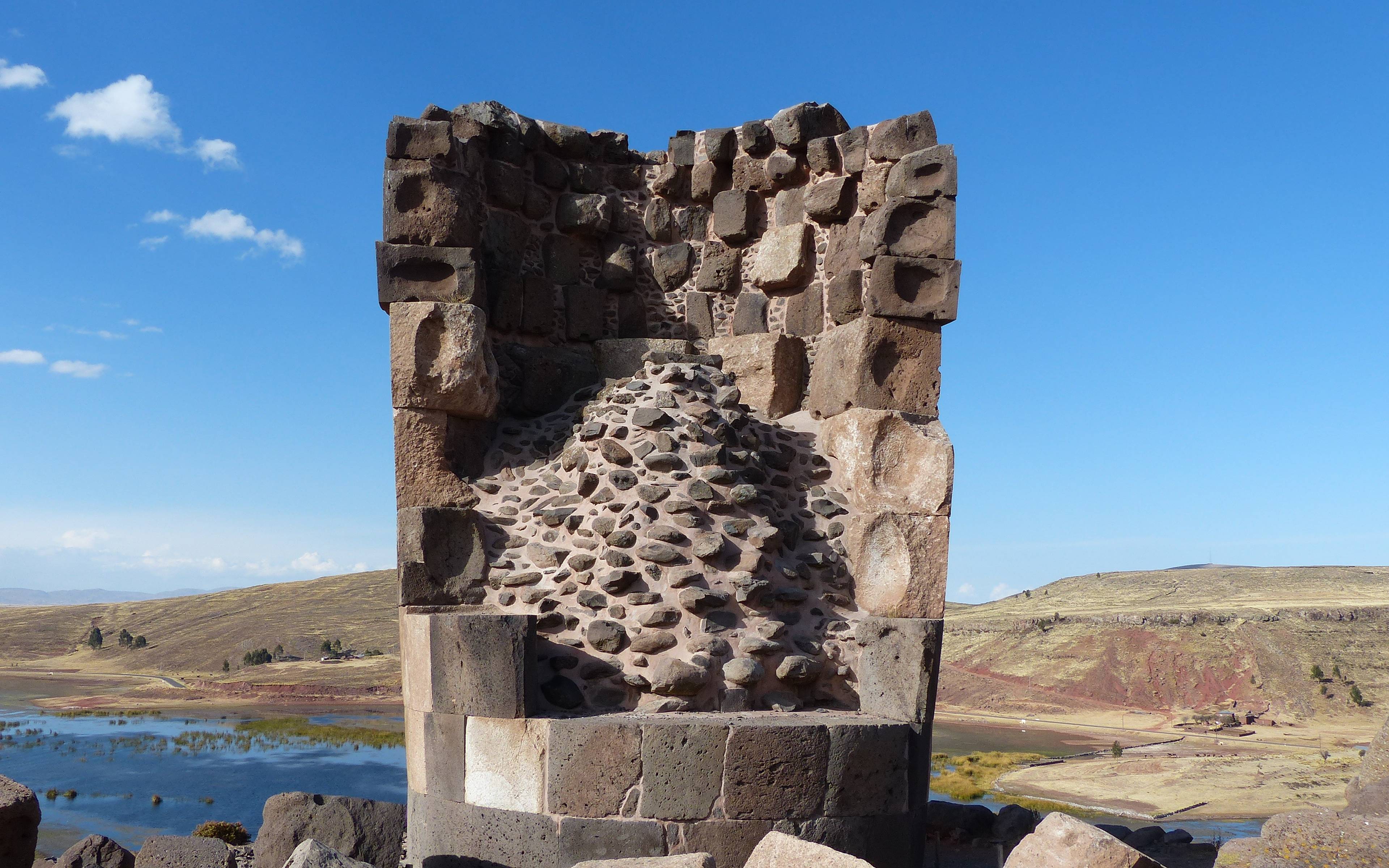
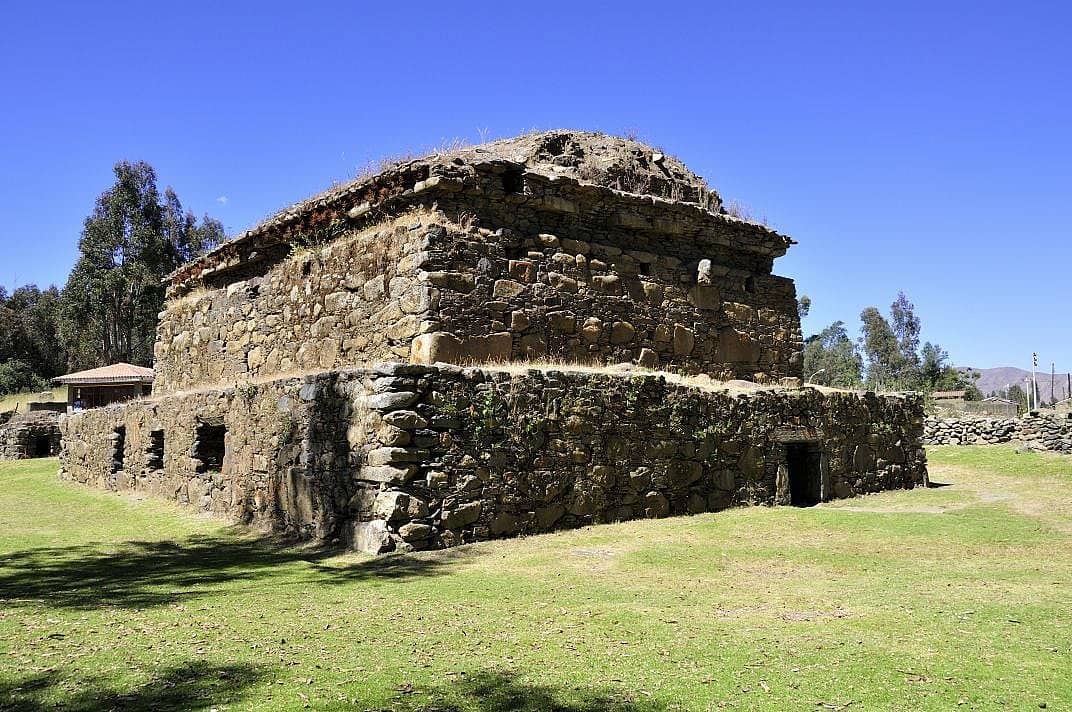
An Inca tomb in the Puno area

Puno

2.7
Puno is the principal port on the Peruvian side of Lake Titicaca. It serves as the point of departure for all the excursions that operate to the lake's islands. 
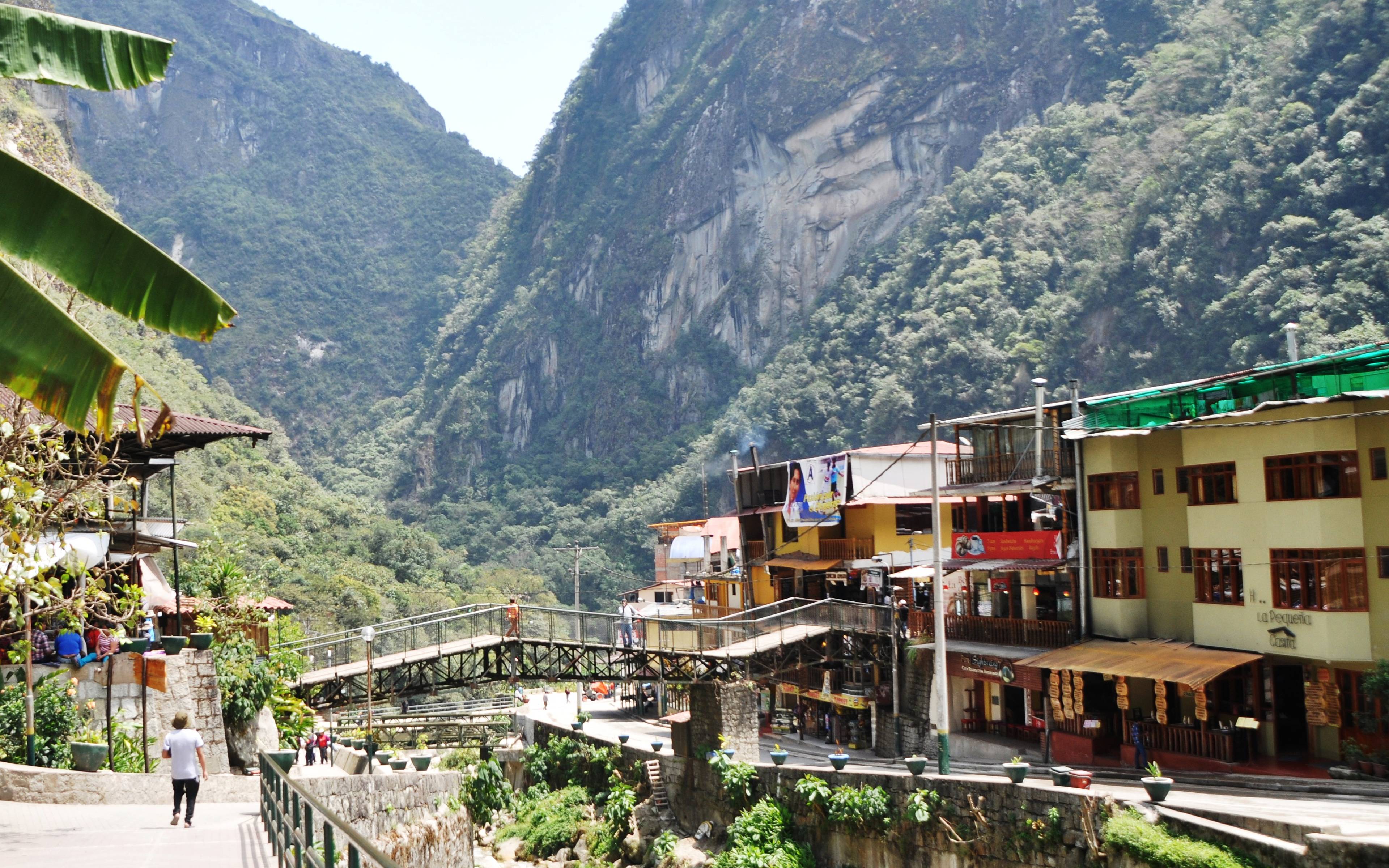
If you go to Machu Picchu, you'll inevitably end up spending some time in Aguas Calientes. The town lies below the famous site and is certainly not somewhere visited for its exceptional charm.
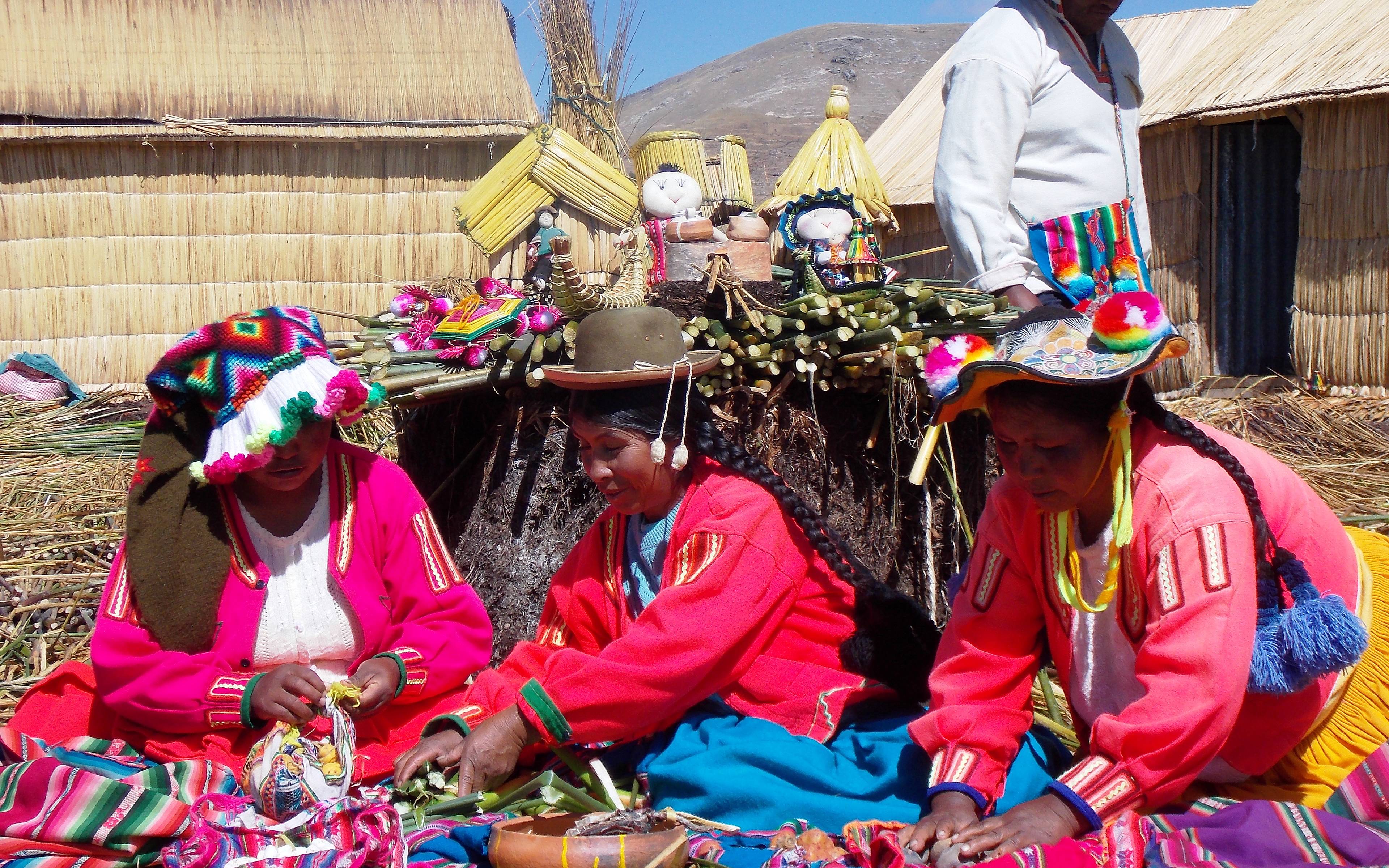
From the boat, you can observe women sitting on the straw islands, the reflection of their colourful clothing shimmering in Lake Titicaca's waters. This almost bizarre view heralds your arrival at the floating islands of the Uros community.  
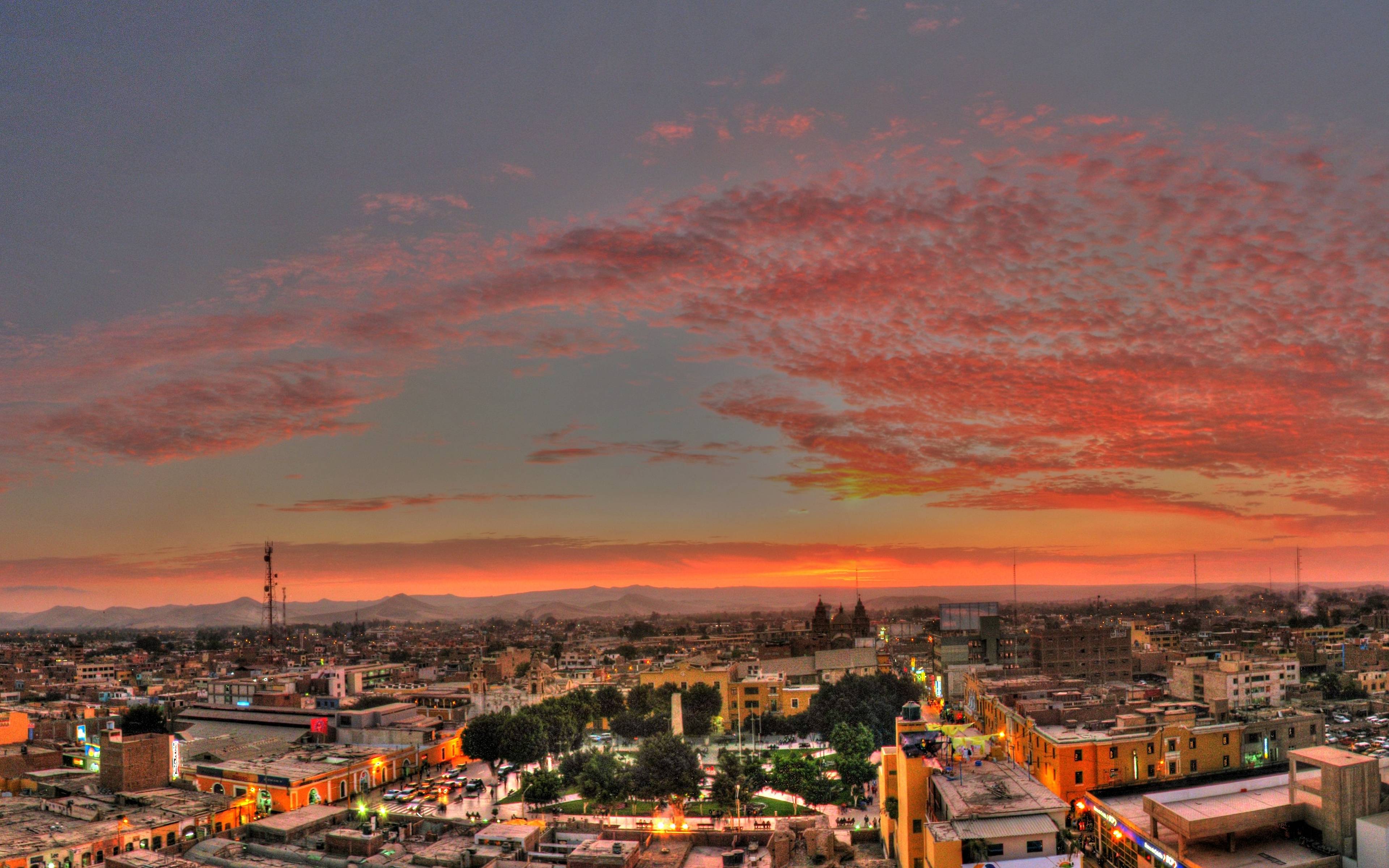
Sunset over the city

Ica

2.5
The city of Ica tends to serve just as a place to stop and see on the way to the Huacachina oasis or Paracas National Reserve. Its colonial architecture does lend it a certain charm, but that's not enough to make you want to spend much time here.   
On the Puno to Cuzco road, not far from Lake Titicaca, Pucara is a tiny, hidden away Peruvian village that sits at 4,000m altitude,
Small archaeological site left behind by the Huari civilisation and located in the Callejón de Huaylas, seven kilometres from the city of Huaraz.
Situated on the edge of the Ventilla River, Molinopampa is a village in the Peruvian Amazon rainforest.
The Laguna Pacacocha is situated in the Huanuco region.
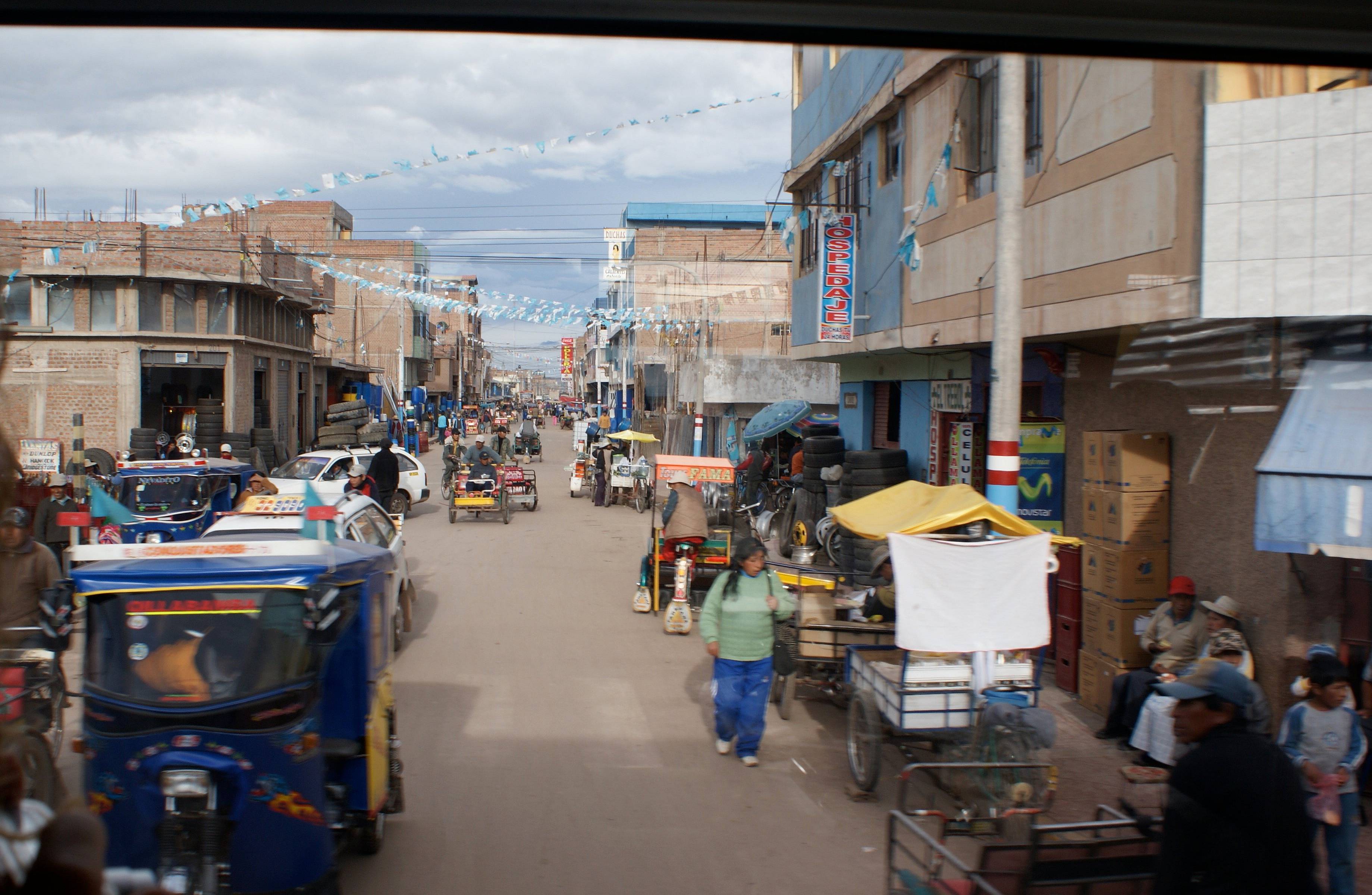
Juliaca is an industrial city that serves more as a stop-off point on the way somewhere else than as a tourist destination in its own right.