Djupivogur Vacations

3
1 review
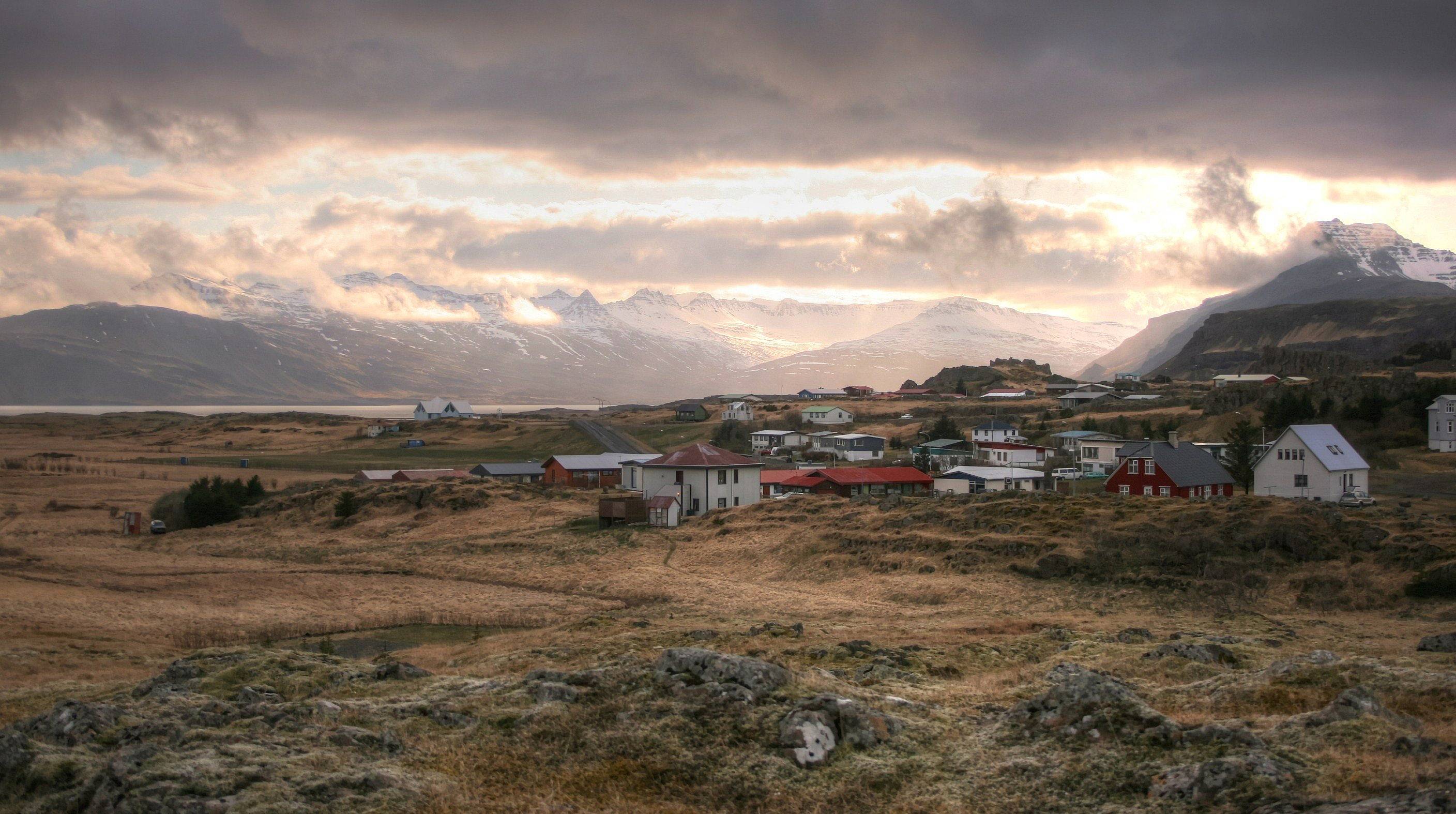
A village nestled between a peaceful fjord and misty mountains, where time seems to stand still.

Visit Djupivogur

Visiting Djúpivogur in Iceland gives you a peaceful pause in the heart of the Eastfjords. Tucked between mountains and quiet lagoons, this small fishing harbor charms visitors with its calm pace, authentic feel, and shifting light that brushes over colorful houses and boats tied up at the dock. Time here slows down. Walk along wind-swept wooden piers, discover open-air works of art, and share a coffee with locals in an old stone building. Ready to fall for the quiet charm of this timeless village?

  • Fjord
  • Museums
  • Nature, Adventure & Sport

Djupivogur: How to get there?

Djúpivogur sits on Iceland’s east coast, overlooking the fjords. From Reykjavik, you can get there by car in about seven to eight hours via Route 1.

Djupivogur: When to go?

The best time to visit Djúpivogur is from June to August: mild weather, accessible roads, and long days, with fewer crowds than at the major sites.

Djupivogur: For how long?

Set aside half a day to a full day to explore Djúpivogur at your own pace, from the harbor to its scenic walking paths.

Learn more about your destination

Must-sees and hidden gems: what to see and do in Djúpivogur?

What to see and do in Djúpivogur

Nestled between granite mountains and the calm waters of Berufjörður fjord, Djúpivogur is a coastal village that feels suspended in time. Just slightly off Route 1, this stop in eastern Iceland offers a peaceful way of life, raw landscapes, and a vibrant local culture. Here are eight ways to discover Djúpivogur, where sea, nature, and tradition meet:

1. Admire the egg sculptures of Gleðivík

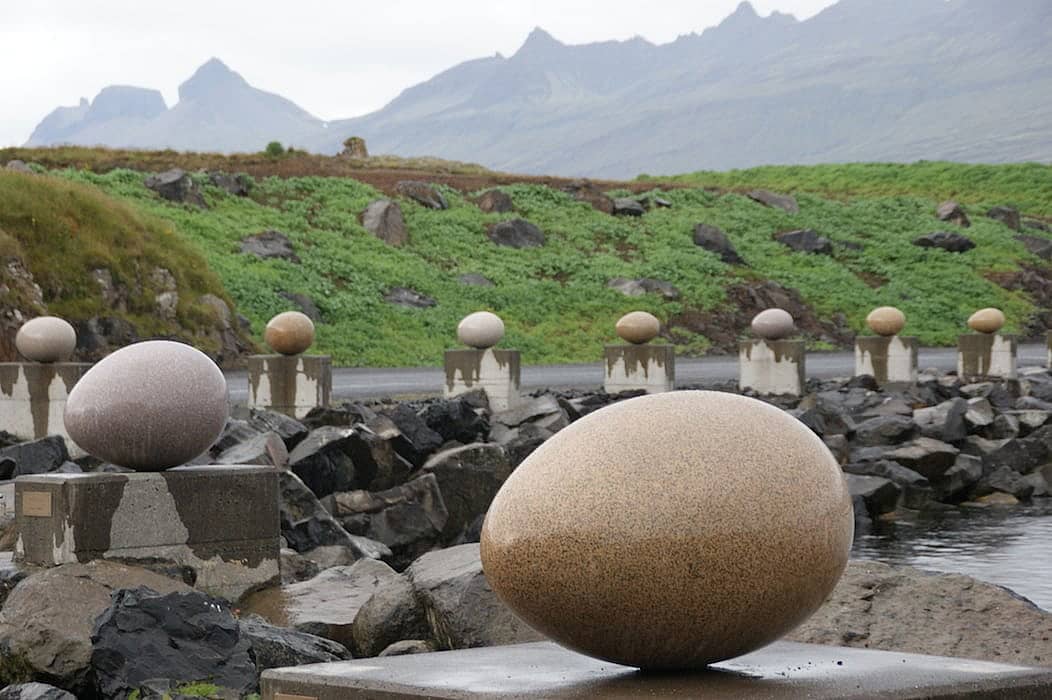
Take your time walking along the small bay of Gleðivík, where you’ll come across an unexpected work of art: 34 granite eggs, set on pedestals and lined up along the waterfront. Created by Sigurður Guðmundsson, the installation represents the eggs of 34 local bird species. Their shapes and sizes vary subtly, like a poetic nod to Iceland’s biodiversity. It’s both surreal and soothing, especially at sunset, when the light settles on the polished stone.

2. Explore the Langabúð museum

You can’t miss the red wooden house by the harbor: Langabúð is the oldest building in Djúpivogur, dating back to 1790. Inside, a small museum brings together historic objects, exhibits on the Danish trading era, and a gallery dedicated to local artist Ríkarður Jónsson. You’ll also find a cozy café, perfect for trying kleinur or local skyr. The atmosphere is as warm and comforting as a fireside.

3. Wander through the center and watch local life unfold

Djúpivogur isn’t about checking off monuments or museums. Here, the charm is in the everyday. Wander through the village streets, past colorful houses, flower-filled gardens, and the scent of smoked fish, and you’ll start to feel its soul. If you pass through early or late in the day, you may see locals mending nets or chatting with the baker. It’s a true slice of authentic Iceland.

4. Take an art break at Tankurinn

Picture an old rusty fuel tank transformed into a contemporary art gallery. That’s Tankurinn, an unusual cultural space set on the edge of the fjord. Every summer, it hosts a large-scale work created by an artist in residence. The result is often surprising and always connected to Djúpivogur’s wild surroundings. It’s a beautiful way to bring art, nature, and imagination together.

5. Hike to the summit of Búlandstindur

You can’t miss it: Mount Búlandstindur rises on the horizon, a perfect pyramid that looks like something out of a storybook. Locals say it gives off a special kind of energy. For determined hikers, the climb is an exhilarating challenge: plan on four to six hours round trip. From the top, the view drops down over jagged fjords, mountains, and vivid blue sea. On a clear day, the scenery stretches all the way to the offshore islands.

6. Go bird-watching in the Búlandsnes sanctuary

Just a few minutes’ walk from the center, the marshy heathlands of Búlandsnes are rich with birdlife. Arctic terns, eiders, and golden plovers gather here, one of the best bird-watching spots in eastern Iceland. Marked trails wind through the wetlands, offering travelers a peaceful moment far from the noise of the world. Bring your binoculars and let the birdsong guide you, especially around Fýluvogur pond and its observation huts.

7. Try local specialties at Hafið Restaurant

Just steps from the harbor, this simple-looking restaurant serves some of the best food in Djúpivogur. The menu features freshly caught fish, hot soups, homemade bread, and other hearty local specialties. The service is thoughtful, and the portions are just right for hungry hikers. It’s a local favorite for good reason.

8. Discover the black-sand beaches of Hvalnes

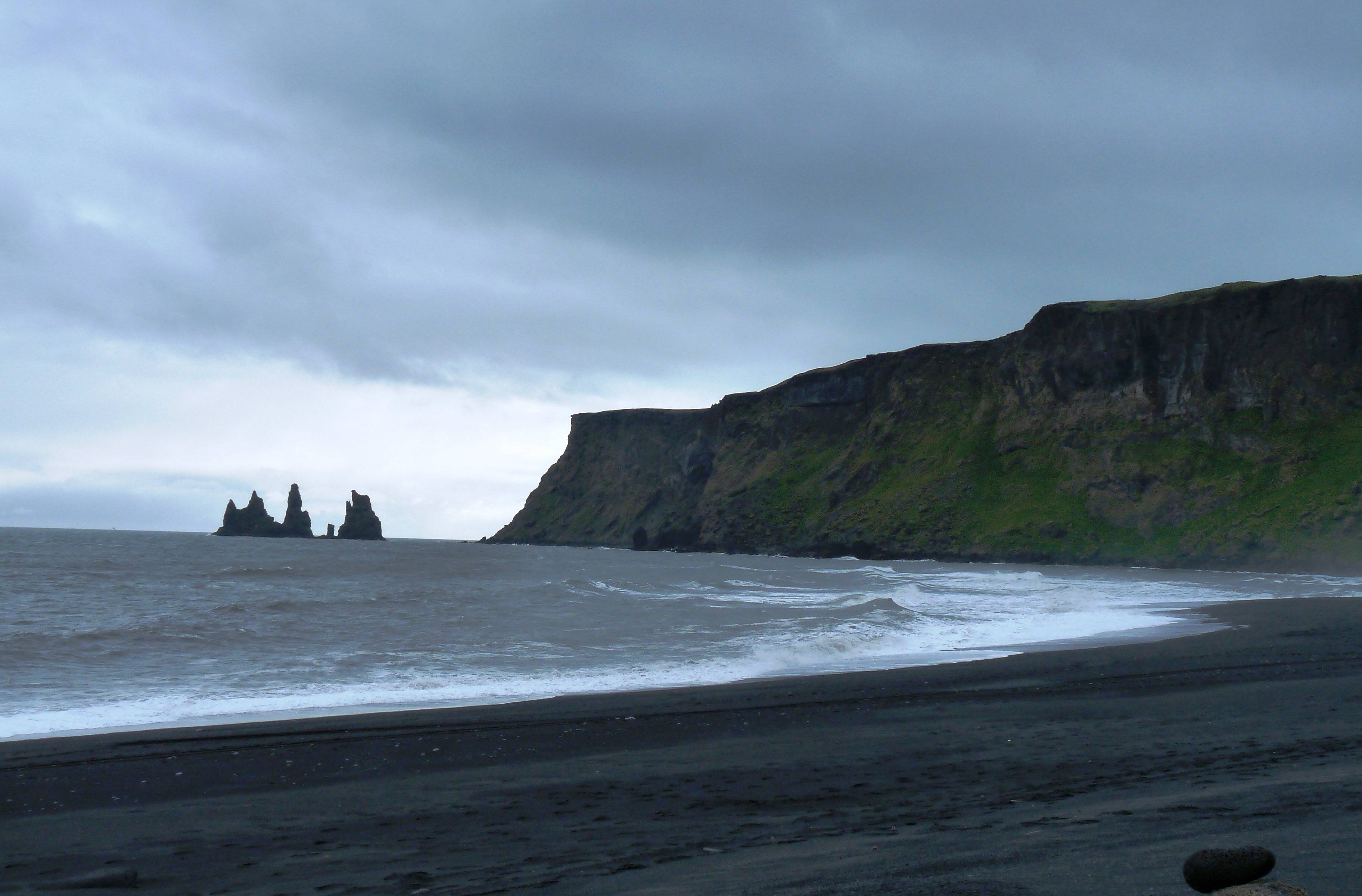
A half-hour drive north, Hvalnes headland is home to one of the most beautiful volcanic beaches on the east coast. Slate-black sand, powerful waves, and steep cliffs in the background. This is a place made for quiet contemplation. Photographers love its dramatic atmosphere at sunrise, when the contrasts become even sharper. Here, you feel tiny but more alive than ever.

---

In Djúpivogur, every experience is an invitation to slow down and pay attention. No matter the season, the village offers an unpretentious glimpse of the real Iceland: one that breathes, pauses, and takes its time. And that’s exactly what makes it unforgettable.

Add Djúpivogur to a tailor-made Iceland trip

Traveling with Evaneos means connecting directly with a local, English-speaking expert based in Iceland. Someone who’s passionate about the country and its lesser-known treasures. They know every corner, from quiet fjords to small harbors like Djúpivogur, and can share their favorite places far from the crowds.

This local expertise gives you a fully tailor-made trip. Based on your interests, travel pace, and the season, your expert will design an itinerary with authentic encounters, hidden stops, and experiences created just for you.
Djupivogur: practical information for travel

The best time to visit Djúpivogur is from June to August, when the days are long, temperatures are milder, and the coastal roads are easy to access. It’s the ideal season to explore this peaceful village in East Iceland, with its quiet fjord, nature walks, and golden light lingering late into the night.

In summer, Djúpivogur comes gently to life, with seabird watching, local markets, hikes toward Mount Búlandstindur, and excursions to Papey, the island of puffins. Outside the main season, from September to May, the weather gets harsher and visitors services are more limited. But for adventurous travelers, winter shows a remote, dramatic beauty. It feels wild, island-like, and unforgettable.

For a stop in Djúpivogur, choose the historic old harbor or the surrounding countryside. The village center, around the harbor, has an unmistakable coastal charm and puts you within easy reach of craft workshops and restaurants. In the nearby farms, you can stay close to the mountains and fjords.

Our local Evaneos agents know Djúpivogur inside and out. They’ll find you family-run, eco-conscious, or nature-based places to stay, often managed by passionate locals. Far from impersonal hotels, these addresses offer a genuine taste of Icelandic hospitality.

Tucked between a peaceful fjord and rugged mountains, Djúpivogur serves simple, honest food that reflects its landscapes. Here are a few specialties not to miss:

  • Marinated herring, steeped in a mix of vinegar, onions, and spices. It’s served cold with dense, slightly sweet rye bread called rúgbrauð.
  • Fish soup, steaming, silky, and full of flavor, with tender pieces of fjord-caught fish such as cod, pollock, or halibut, depending on the day’s catch.
  • Hangikjöt, traditional smoked lamb, thinly sliced, with a melt-in-your-mouth texture and a woodsy flavor from the birch branches used for smoking.
  • Artisanal skyr, creamier than mass-produced versions, served with berries picked from the surrounding hills.

A small fishing village set between fjord and mountains, Djúpivogur charms visitors with its peaceful atmosphere and its good food. Here are a few local spots where you can discover the freshness and richness of Icelandic cuisine:

  • Langabúð Café: Set in one of the village’s oldest buildings, this café-museum is a lovely place to try traditional Icelandic pastries and fresh open-faced sandwiches in an authentic setting.
  • Hótel Framtíð Restaurant: A short but flavorful menu that highlights local fjord ingredients, including langoustines, lamb, and smoked fish, served in a warm, welcoming dining room.
  • Matarvagninn á Djúpavogi: In summer, this fully local food truck is a great choice for simple, satisfying dishes, from hot dogs to smoked salmon.

In Djúpivogur, the easiest and safest way to get around is on foot. This small fishing harbor in East Iceland is best explored slowly, between colorful houses, art galleries, and views of the fjords. Distances are short, and the village’s charm is best enjoyed at an easy pace, with the sea breeze on your face and a camera in hand.

If you’re arriving by car, you’ll easily find a small parking lot near the harbor or by Langabúð, the former wooden warehouse turned cultural center. To explore the surrounding area, such as the black beaches of Berufjörður, it’s best to keep your car. There’s no public transportation in town, but everything can be enjoyed at your own pace in a calm, welcoming atmosphere.

Djupivogur: What to see in the surroundings?

What our travelers think about their stay

Iceland: our articles for your vacation