



Must-sees and hidden gems: what to see and do in Nakhon Ratchasima?
What to See and Do in Nakhon Ratchasima
In the vast region of Isan in northeastern Thailand, Nakhon Ratchasima, often called “Korat”, is a fascinating gateway to a more rural, vibrant, and deeply authentic side of the country. With centuries-old Khmer ruins, lively markets, enduring traditions, and lush national parks, the city and its surroundings hold plenty of treasures for travelers who take the time to explore.
1. Explore Phimai Historical Park
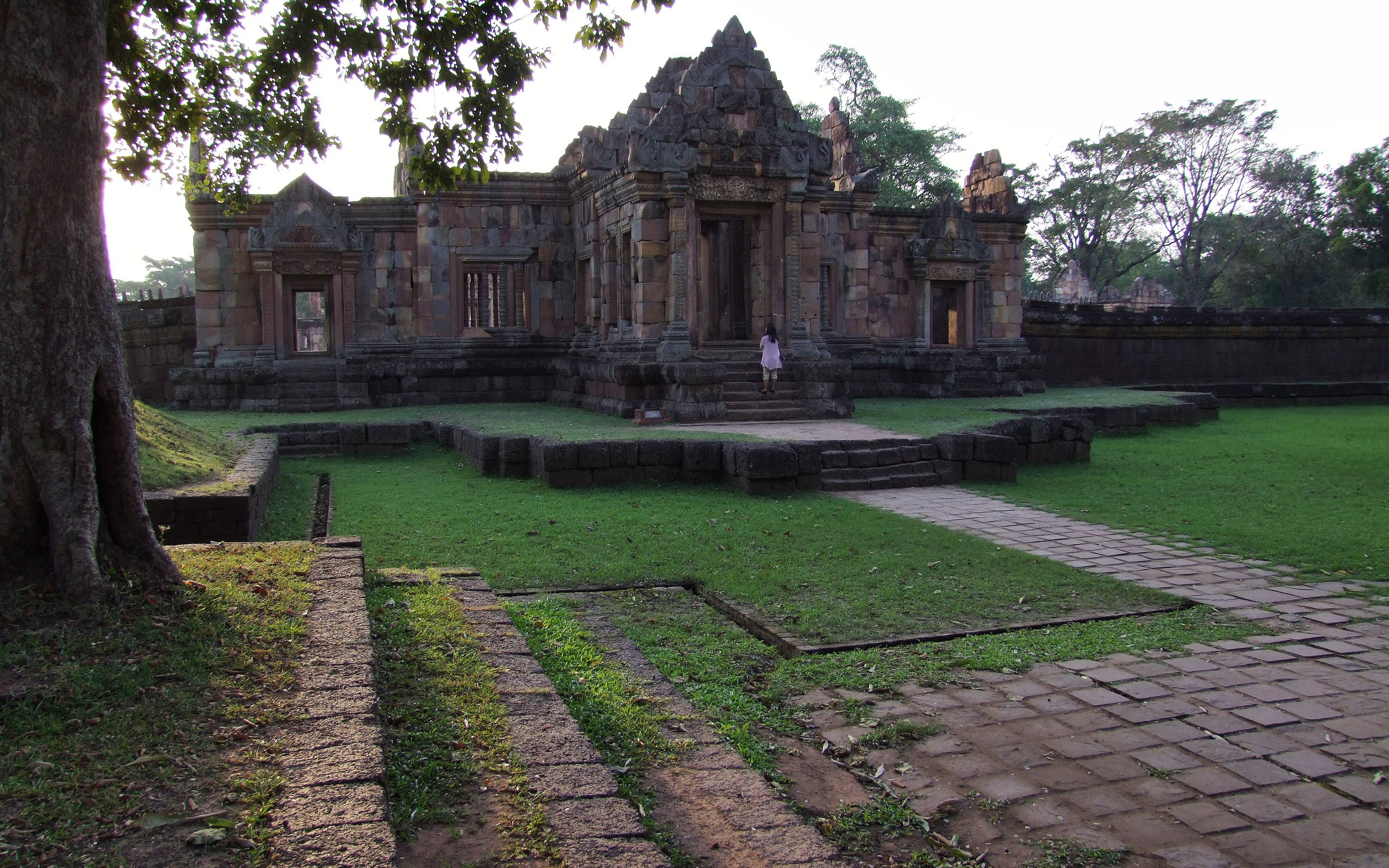
You can admire the ruins of an ancient Khmer kingdom far from the crowds in Phimai. This majestic archaeological site, about an hour’s drive north of Nakhon Ratchasima, is one of the most impressive in Thailand. Prasat Hin Phimai, built between the 11th and 13th centuries, rises in a hushed atmosphere, with pink sandstone towers and finely carved details. This is where Angkor-style architecture first began to take shape. Stroll along paths lined with frangipani trees, wander through the maze of galleries, and imagine the lives of ancient rulers at the heart of this sacred place.
2. Hike in Khao Yai National Park
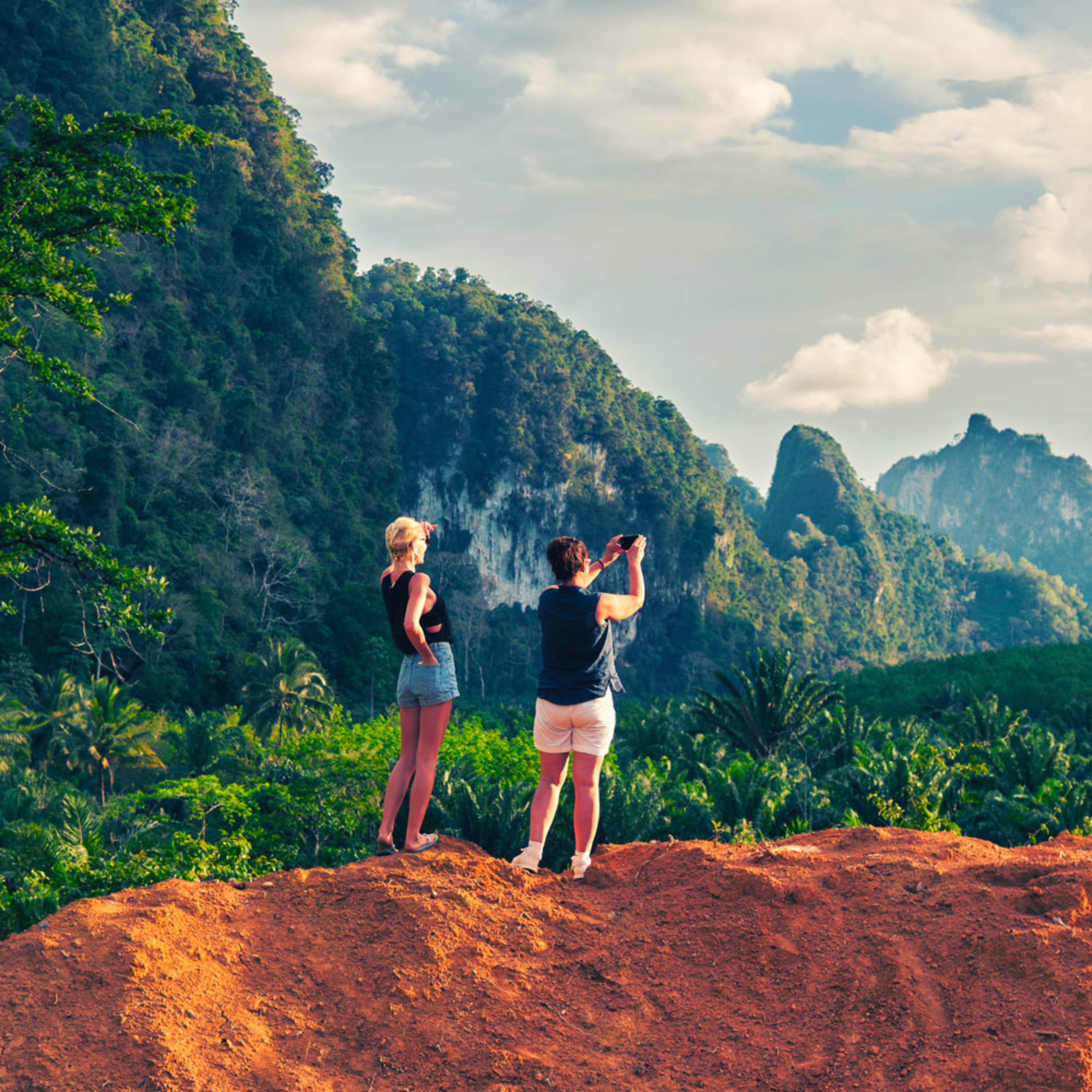
This is one of the country’s oldest national parks: an oasis of dense jungle, roaring waterfalls, and wildlife. UNESCO-listed Khao Yai lies about 75 miles southwest of Nakhon Ratchasima. If you dream of spotting gibbons leaping through the canopy, glimpsing an elephant around a bend in the trail, or cooling off at Haew Suwat Waterfall, you’re in the right place. With a local guide, set out on a sunrise hike just as the forest begins to wake up.
3. Taste your way through Saveone Night Market
After dark, head to Saveone Night Market on the western edge of the city. This huge market feels like an open-air theater where people come to eat, browse, and gather. Everything is affordable, and everything is full of life. Among the stalls, try a perfectly caramelized moo ping pork skewer or a bowl of spicy som tam made right in front of you. It’s also a great place to find handmade clothing, accessories, and souvenirs, often sold by young local designers. A lively, flavorful evening far from the crowds.
4. Pause for reflection at Wat Sala Loi
Set along the river, Wat Sala Loi stands out for its peaceful modern architecture. The temple is shaped like a traditional junk boat, giving it a floating, almost unreal feel. Inside, modern murals and a statue of the meditating Buddha create a sense of calm and introspection. It’s a beloved local site and often sees few travelers. Go toward the end of the day, when worshippers quietly leave offerings and the sun casts golden light over the Mun River.
5. Discover the works at Maha Viravong Museum
In the mood for art and history? Head to this small museum tucked inside a traditional house, dedicated to Buddhist history and sacred sculpture. Maha Viravong, a learned monk and renowned sculptor, gathered a collection of religious artifacts and authentic Buddha statues from different periods of Thai history. You’ll see Sukhothai, Ayutthaya, and Lanna influences come together in striking harmony. It’s a thoughtful stop for understanding the role of beauty and aesthetics in Thai spirituality.
6. Follow the red paths of Lam Takhong Park
Little known to travelers, Lam Takhong Forest Park is a great alternative if you’re looking for quiet. Located between Nakhon Ratchasima and Khao Yai, this artificial reservoir edged with reddish trails offers beautiful sunset views and a peaceful place to relax or bike. You’ll mostly come across local families and fishermen. Rent a bike, pack a basket with market finds, and do as the locals do: slow down.
7. Pay tribute to Thao Suranari, Korat’s heroine
You can’t miss this iconic figure of Nakhon Ratchasima. Thao Suranari, affectionately known as Ya Mo, is a local heroine honored for her role in defending the city in the 19th century. Her statue stands in the heart of Korat, on a lively square where residents come every day to leave flowers, incense, and offerings. Around the monument, local life unfolds in full: prayers, traditional dances, and the constant flow of passersby. A stop rich in meaning.
8. Wander the streets of Korat’s old town
Although Nakhon Ratchasima, also known as Korat, is a large modern city, its old quarter has kept a nostalgic charm. Here, there are no skyscrapers, just weathered wooden houses, old shopfronts, Buddhas tucked away in hidden courtyards, and the scent of jasmine mingling with grilled food. Take your time exploring the small lanes around Wat Phayap, or watch artisans at work in the craft streets. It’s a setting where the past seems to surface on every corner.
9. Experience Isan culture at Dan Kwian Pottery Village
About twenty minutes south of Nakhon Ratchasima, Dan Kwian Pottery Village is one of the oldest pottery villages in Thailand. Here, local clay is shaped into rustic red and brown ceramics with a distinctive look. Wander among the workshops, watch the artisans’ hands move with practiced ease, and, if you’d like, try working the clay yourself. Demonstrations are often available, and some workshops invite you to create your own bowl or plate. It’s a creative immersion rooted in local tradition.
---
Nakhon Ratchasima is much more than a stopover on the way to Isan. It’s a destination in its own right, rich in history, nature, and human connection. With an Evaneos local agency, you can discover its many sides, savor its bold cuisine, meet passionate artisans, and feel the authentic pulse of rural Thailand at every step.
Add Nakhon Ratchasima to a tailor-made Thailand trip
With Evaneos, you’ll be supported by local, English-speaking experts based in Thailand. These specialists live there and know every corner of the country, from Chiang Mai’s hidden temples to the little-known mountains of the northeast. They’ll help you design an itinerary that feels true to you, shaped around your interests and your pace.
Want to explore Nakhon Ratchasima, its national parks, and its forgotten Khmer temples? They can weave this stop into a tailored trip. Because a one-of-a-kind journey always starts with someone who listens closely and knows the destination from the ground up.