




Si Satchanalai, a brief history
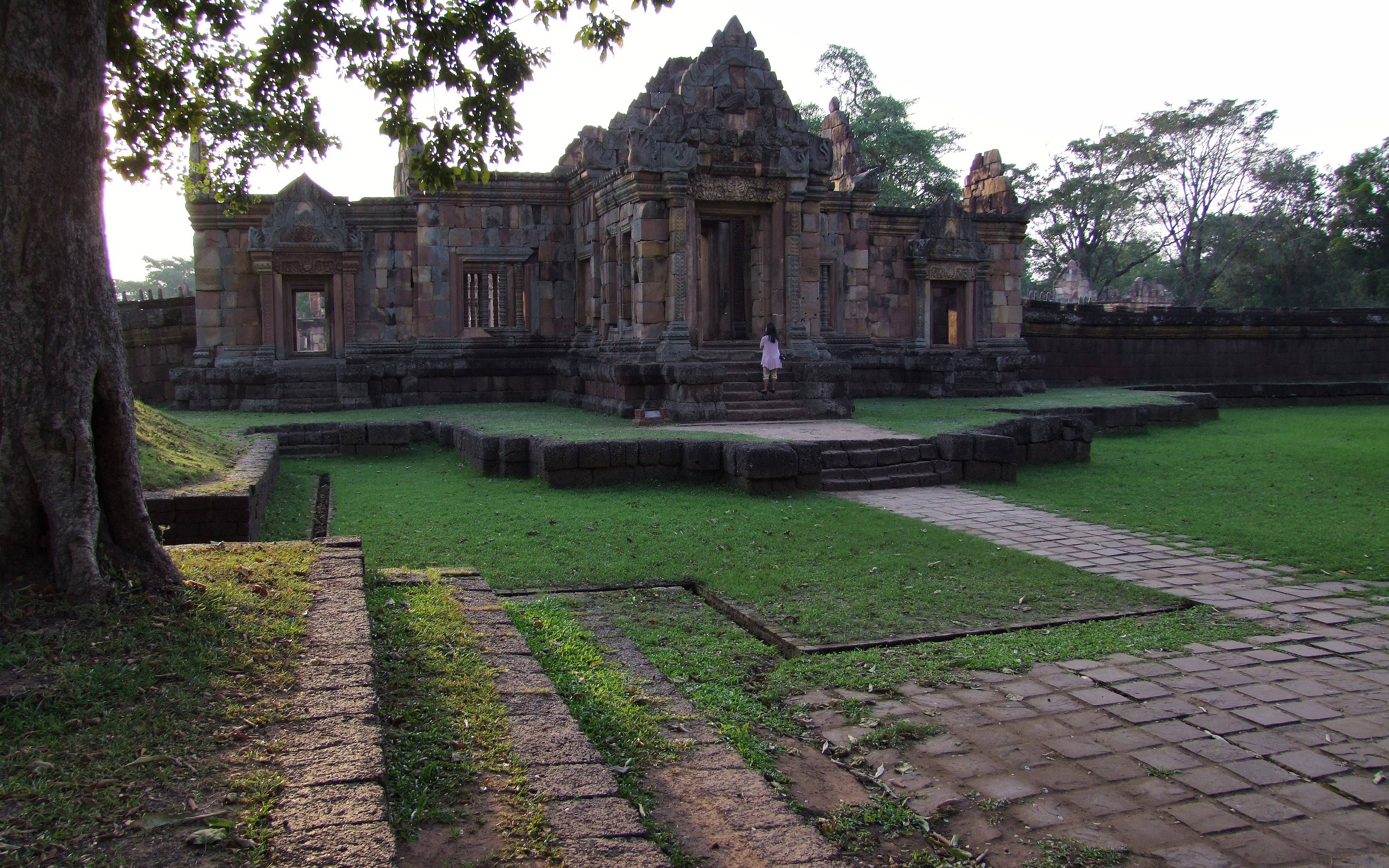
Along the banks of the Yom River, Si Satchanalai seems to move at its own pace. Here, you step into the history of the Sukhothai Kingdom, which flourished in the 13th century and played a major role in the development of Thai art and culture. Once Sukhothai’s sister city, Si Satchanalai preserves a remarkable collection of temples, chedis, and Buddha statues shaped from brick and laterite.
The city was also an important craft center, known for its Sangkhalok ceramics, exported across Asia through the trade networks of the time. Today, you can explore its ruins by bike, passing ponds, frangipani trees, and quiet temples in a peaceful ambience that feels like a glimpse of old Siam.
What to see in Si Satchanalai?
Si Satchanalai is Thailand at its roots, a UNESCO-listed historical park that feels wilder and quieter than Sukhothai. Here, ruins appear among teak trees, birdsong fills the quiet, and you naturally find yourself slowing down. Here’s what to see and do to experience Si Satchanalai at the right pace.
Explore Si Satchanalai Historical Park by bike
The best way to visit Si Satchanalai is by bike, following ocher dirt paths that wind between groves and bamboo, with welcome patches of shade near the temples here and there. Ride without rushing, and every turn reveals something new, an open-air viharn, a bell-shaped chedi, a collapsed gate where the light slips in unexpectedly.
Stop often, set the bike down, and let the silence do the rest. Here, ruins are not something to check off your list. You discover them one by one, almost by chance. The atmosphere feels more forested than in Sukhothai, and more intimate too, especially early in the morning, when the air is still cool and mist clings to the branches.
Take in the great temples, Wat Chedi Chet Thaeo and Wat Chang Lom
Wat Chedi Chet Thaeo is the heart of the site, a fascinating row of chedis in different shapes, like a collection of stone crowns set on the grass. Details are everywhere, niches, floral patterns, traces of stucco, and that unmistakably Sukhothai sense of simple elegance, without grandeur for grandeur’s sake.
A short bike ride away, Wat Chang Lom impresses with its elephant-ringed base, some statues still clearly defined, others softened by time, but the whole structure carries a quiet strength. It's the kind of place where you stay without checking the time, simply watching shadows move across the bricks.
Climb to Wat Khao Phanom Phloeng for a view over the canopy
For a higher perspective, head to Wat Khao Phanom Phloeng, perched on its hill. Expect roughly a hundred laterite steps, dry leaves crunching underfoot as you climb. The climb takes real effort, especially in the heat of the day, but the air cools as you go up, and catching your breath at the top is well worth it.
From above, the view opens onto a carpet of green, with the tips of chedis just peeking through. Depending on the season, hundreds of storks nest in the surrounding trees, adding unexpected movement to the landscape. In that moment, you understand why Si Satchanalai moves travelers so deeply. History doesn’t sit apart from nature, it blends into it.
Get off the beaten path, quiet ruins and teak forest
If you enjoy places that take a little effort to reach, follow the park’s smaller side roads. Some ruins are barely marked, just a low wall, a headless Buddha, or an isolated chedi in the tall grass. You hear insects, sometimes a rooster in the distance, and that’s all.
This quieter side of the park is best enjoyed slowly, ideally in the late afternoon, when low sun warms the copper-colored trunks to a honeyed glow. Your local agency can point you toward the calmest corners depending on the season and trail conditions.
Discover Sangkhalok ceramics, Si Satchanalai’s living heritage
Si Satchanalai is not only about stone. It is also home to the Sangkhalok ceramic tradition, born here and exported across Asia for centuries. In family-run workshops that still carry on this craft today, clay sticks to fingers, the wheel hums, and artisans shape bowls and jars, then trace patterns beneath a celadon glaze, the soft green that has become the area’s signature.
It’s a simple, deeply human visit, perfect for understanding the link between the Sukhothai Kingdom and daily life today. You often leave with a piece chosen thoughtfully, not just another souvenir, but an object with a story.
Follow the Yom River and savor quiet Thailand
To finish, give yourself a moment along the Yom River. The surrounding countryside is gentle, dotted with rice fields, small bridges, and wooden houses. Stop for an iced coffee, watch the fishermen, and let the heat melt away.
It’s also a beautiful way to travel more responsibly, by spending more time in the region instead of rushing from one stop to the next. Si Satchanalai reveals itself when you give it time, and that is often when the most lasting memories take shape.
An idea for discovering Si Satchanalai differently?
In Si Satchanalai, change the pace. Arrive when the historical park opens. Mist slips between the chedis, birds replace the crowds, and the still-cool stone gives the site an almost intimate calm. Another option is to rent a bike at the entrance and follow the park’s trails, looking for shaded pockets near the groves and taking time to stop at the smaller, less-visited sanctuaries, often just a few pedal strokes from the main temples. To go farther without losing your way, Evaneos’ local experts know which paths to choose depending on the season and time of day, and can arrange personalized guidance that keeps you close to the spirit of the place.
Our tips for visiting Si Satchanalai
- Take a bike for half the day in Si Satchanalai Historical Park, with flat terrain, a few shaded pockets near the groves, and the scent of warm earth and resin in the air. Rent near the entrance, it’s peaceful and great for families too.
- Go early, starting around 8 a.m., or in the late afternoon to avoid the heat. Warm light catches on the laterite chedis, and birdsong fills the quiet of the ruins. Bring water and a hat, shade is limited between sites.
- Our local agencies recommend not missing Wat Chang Lom and its stucco elephants, followed by Wat Chedi Chet Thaeo, a true forest of small stupas.
- Pair your visit with Ban Ko Noi, the site of ancient Sangkhalok ceramic kilns, then stop by a workshop in Si Satchanalai town, where artisan families still carry on the craft. You can watch the clay turning, talk with the makers, and buy directly, a fairer and more authentic alternative to mass-market shops.