




Must-sees and hidden gems: what to see and do in Mae Chan?
What to see and do in Mae Chan
Tucked away north of Chiang Rai in the cool Thai mountains, Mae Chan is a peaceful, authentic stop far from the crowded Chiang Mai or Pai. This small rural district charms visitors with rolling tea-covered hills, warm encounters with local communities, and postcard-worthy views. It’s an ideal place for travelers looking for nature, culture, and genuine connection. Here are ten ideas for exploring Mae Chan, slowly and meaningfully.
1. Climb Doi Mae Salong at sunrise
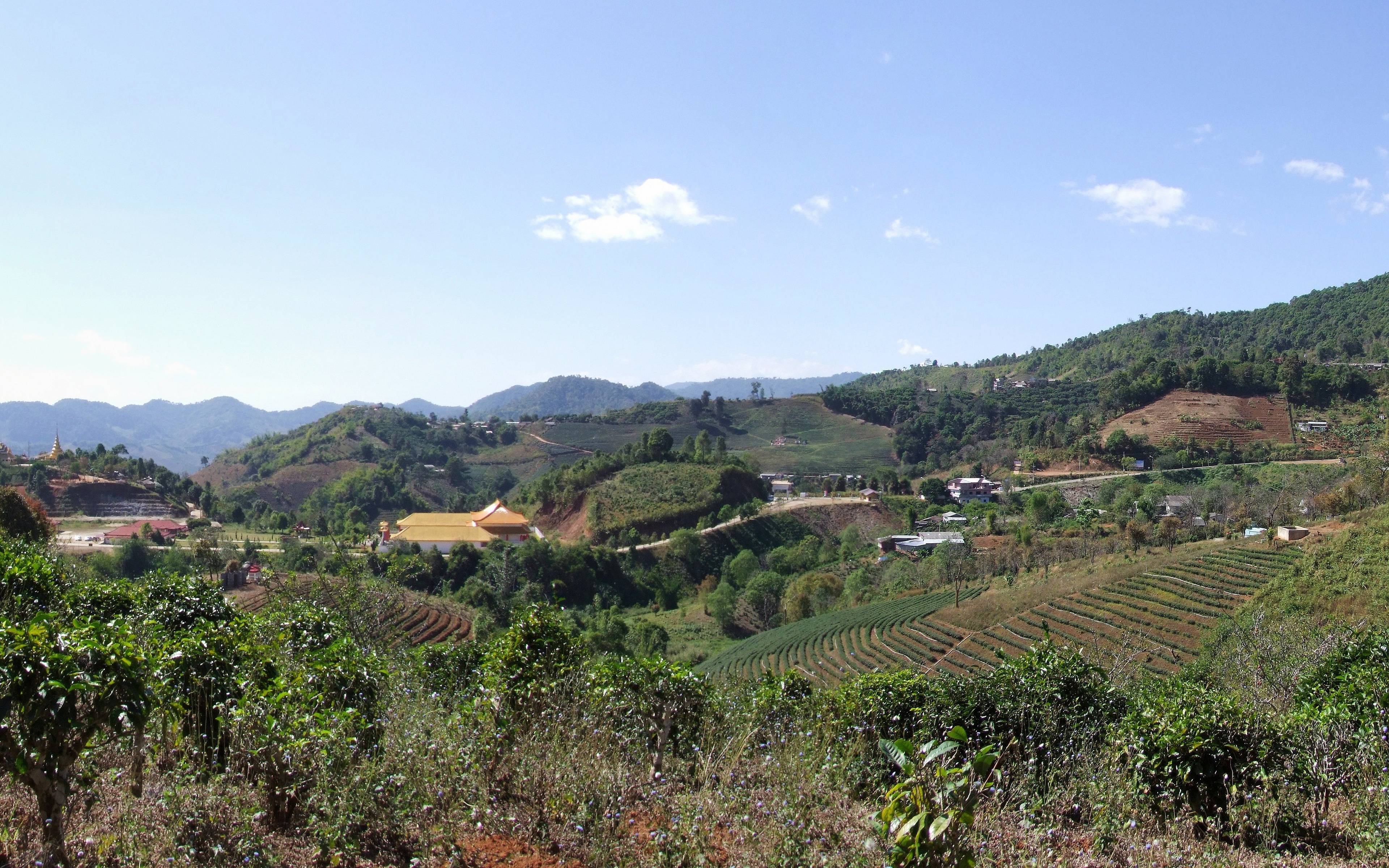
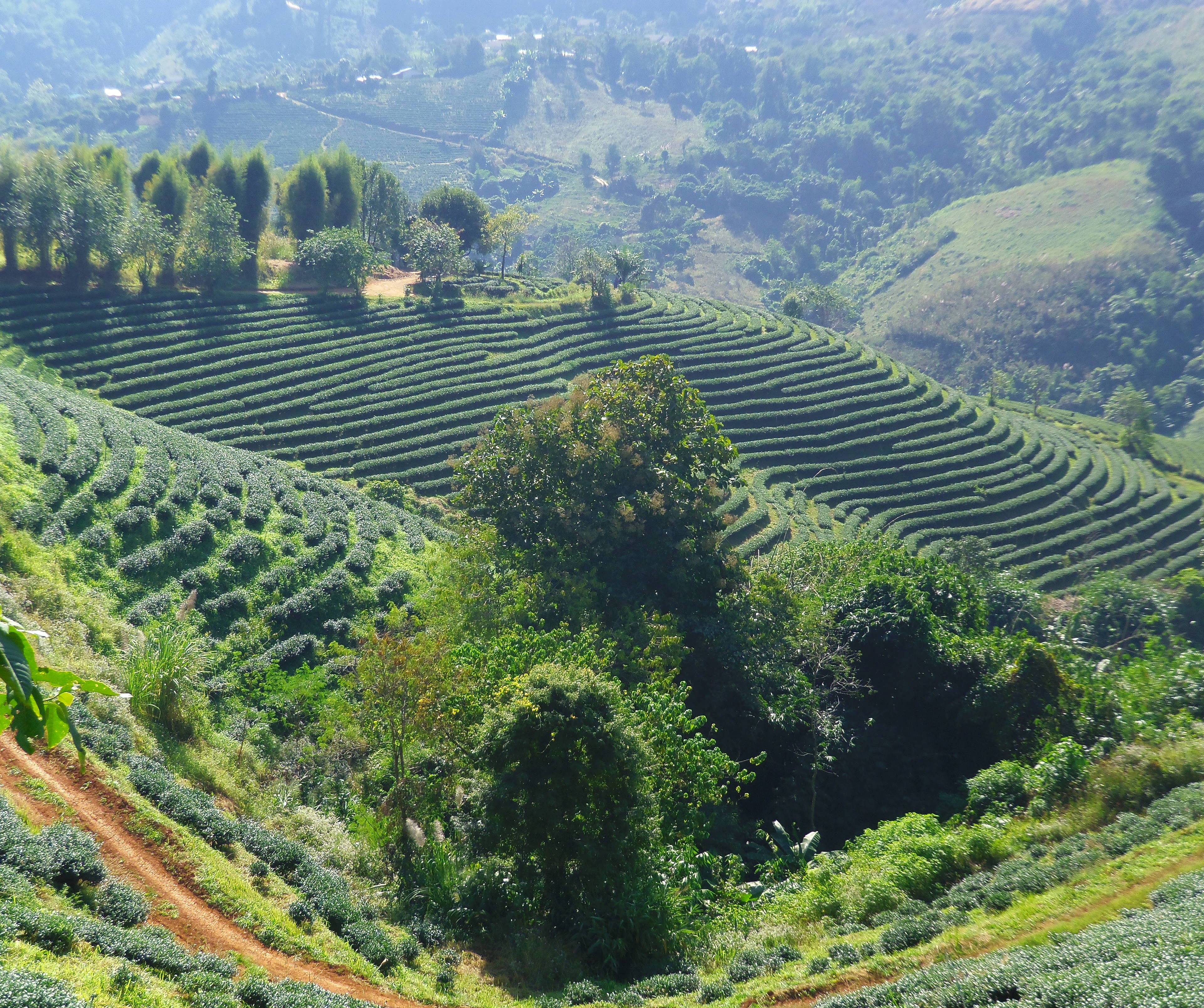
You can’t visit Mae Chan without experiencing Doi Mae Salong, about an hour’s drive from town. The climb takes some effort, but the morning mist drifting over the tea fields on the horizon is more than worth it.
This famous tea-growing area can get busy during the day, but it shows its most beautiful side early in the morning, when fog still wraps around the hills. Once a Chinese enclave, the village has kept a strong identity, with teahouses, markets, and temples influenced by Yunnanese culture.
2. Taste Oolong tea at a local plantation
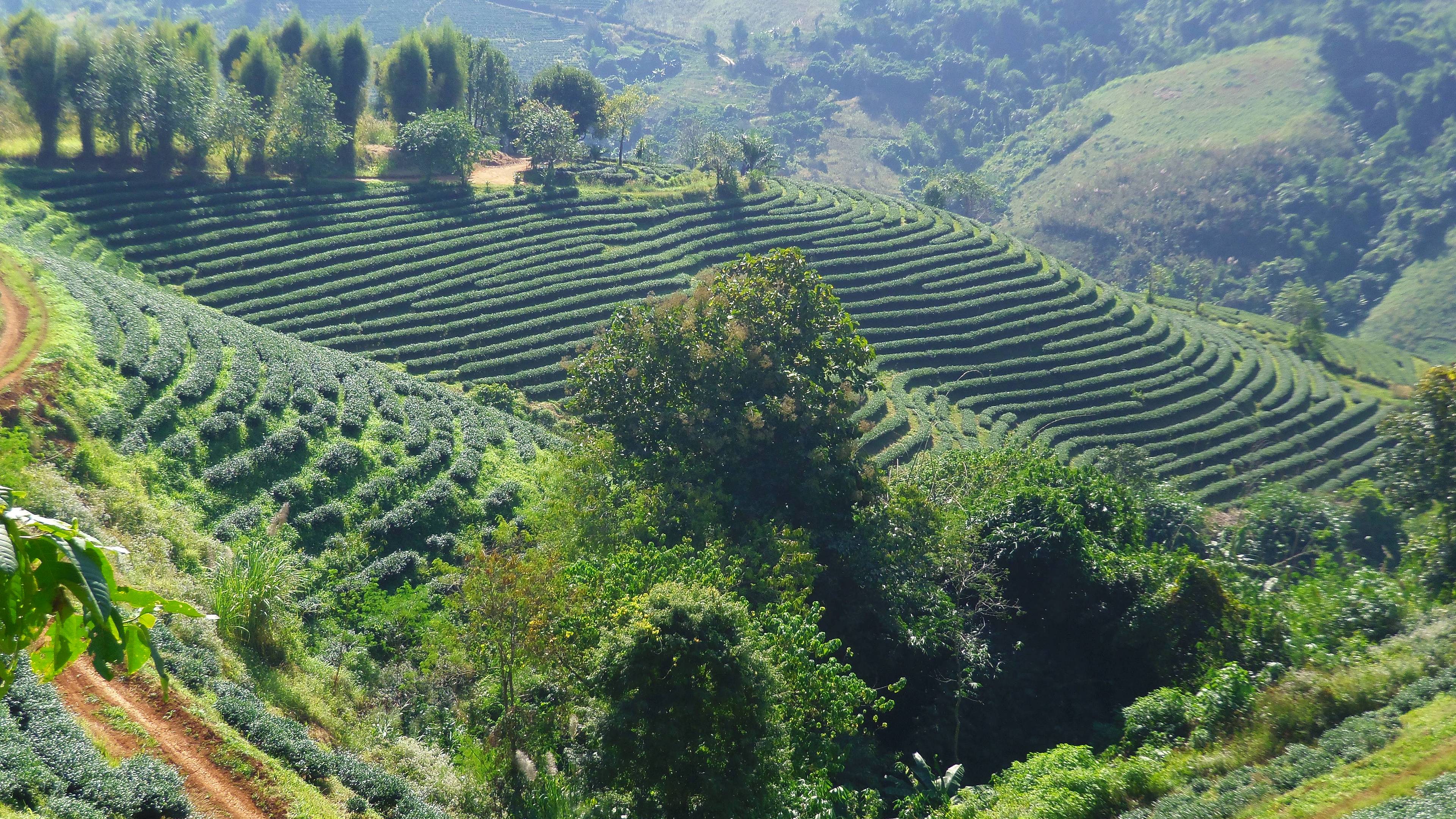
The hills around Mae Chan are lined with perfectly ordered tea plantations. Chiang Rai’s Choui Fong Tea Plantation is one of the best-known in northern Thailand. It’s a fairly popular stop, especially in high season, and offers spectacular views over the rolling tea fields.
For a quieter experience, visit early in the morning or on a weekday, or ask your local expert to guide you toward more low-key plantations around Mae Chan, where the only sounds are the wind in the leaves and the soft tapping of harvest baskets.
3. Explore Mae Chan Market
Every morning, the market stalls come to life in the cool mist, piled with wild herbs, tropical fruit, lemongrass stalks, and smoking skewers. Wander through this friendly, local-scale market to get a taste of northern Thailand, from Lanna specialties and grilled skewers to grilled insects for the more adventurous, plus coconut milk sweets. It’s a great place for street food lovers, and a window into everyday local life.
4. Hike to the Akha village of Ban Lorcha
With a local guide, follow a timeless trail to Ban Lorcha, an Akha village where authenticity and respect for tradition go hand in hand. There’s no staged folklore here, just a genuine encounter with families who open their homes, share their crafts, gardens, and cooking. The trail winds through bamboo groves, rice fields, and clear streams, ending with the kind of warm welcome that stays with you.
Visits take place through guided, respectful exchanges with a local guide, often around a meal or a hands-on craft activity, so daily village life is respected. The goal is to avoid anything intrusive or overly staged, and instead encourage a simple, balanced encounter.
5. Relax in the natural hot springs of Pong Phra Bat
After a day of hiking or exploring, few things feel better than a warm bath in nature. The hot springs of Pong Phra Bat, near Chiang Rai, are an easy option on a day trip. Steam rises slowly from pools surrounded by mossy stones as the mineral-rich water helps your muscles unwind.
6. Watch the sunset from a hilltop temple near Mae Chan
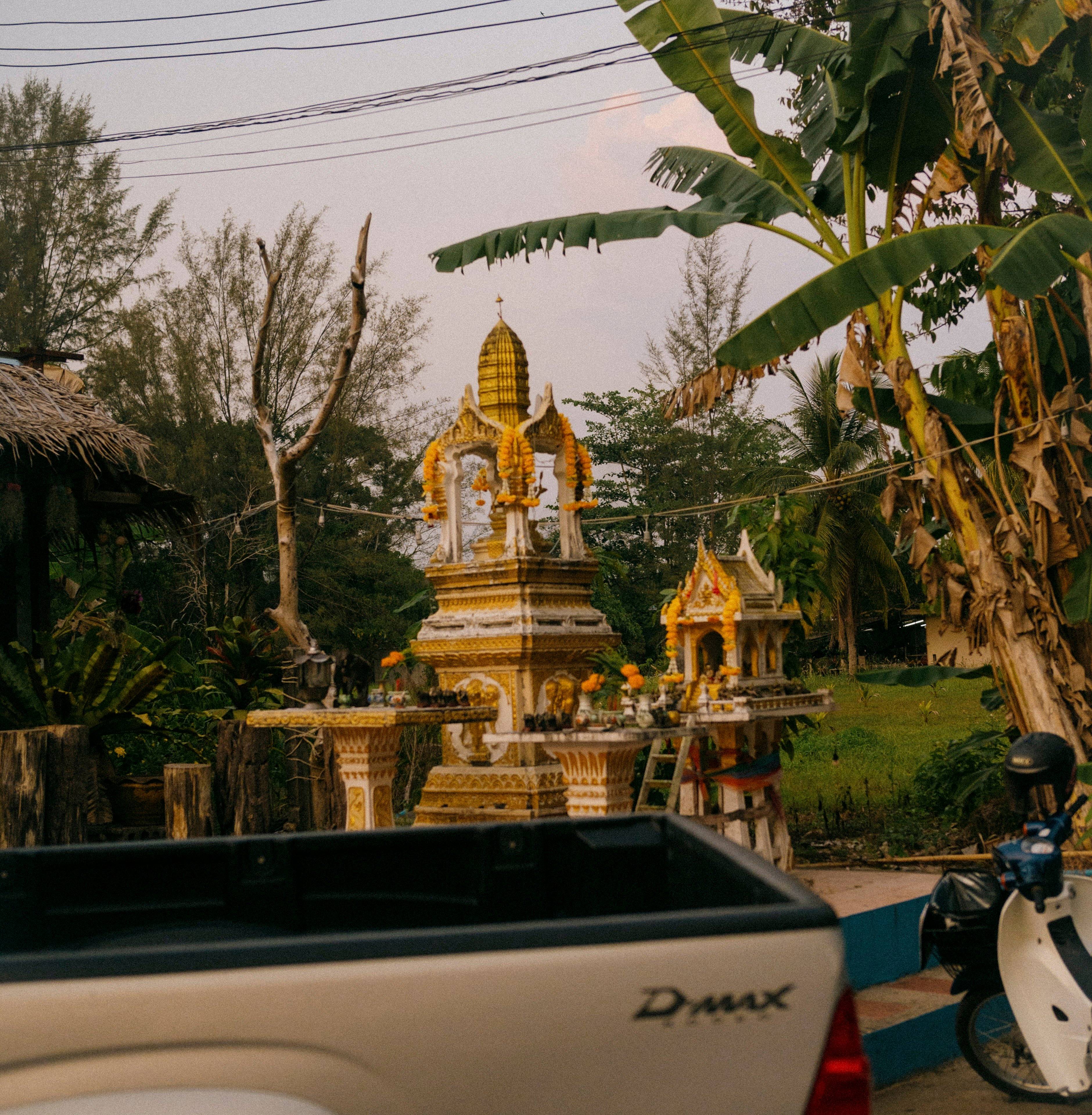
As the sun begins to set, the hills around Mae Chan glow with soft, calming light. A few Buddhist temples perched on the surrounding heights, far from the crowds of Chiang Rai, offer beautiful views over the nearby forests.
You climb in silence, remove your shoes, and time seems to slow down. Bells, incense, golden light on temple roofs: the end of the day invites quiet reflection. It’s a simple, sincere moment to feel the understated spirituality of northern Thailand, far from the noise.
7. Join a Thai cooking class with a local family
Want to roll up your sleeves? Some families, in partnership with local guides, occasionally offer cooking workshops for travelers eager to learn the secrets of a well-balanced pad thai or a spicy red curry. These are moments full of conversation, smiles, and mouthwatering aromas. You may pick herbs straight from the garden, pound curry paste with a mortar and pestle, and best of all, share the meal on a bamboo mat, just like the locals do.
8. Visit a Lahu community in the mountains
Several Lahu communities live in the hills around Mae Chan, a mountain people with a deep connection to nature. Visits take place only through activities approved by local agencies, often as part of a homestay or shared experience. You’ll learn about their language, customs, rhythm of life, homes, and above all, their sincere hospitality. If you can, spend the night: evenings are often spent around a fire, listening to stories passed down in low voices.
9. Set out along scenic Route 1089
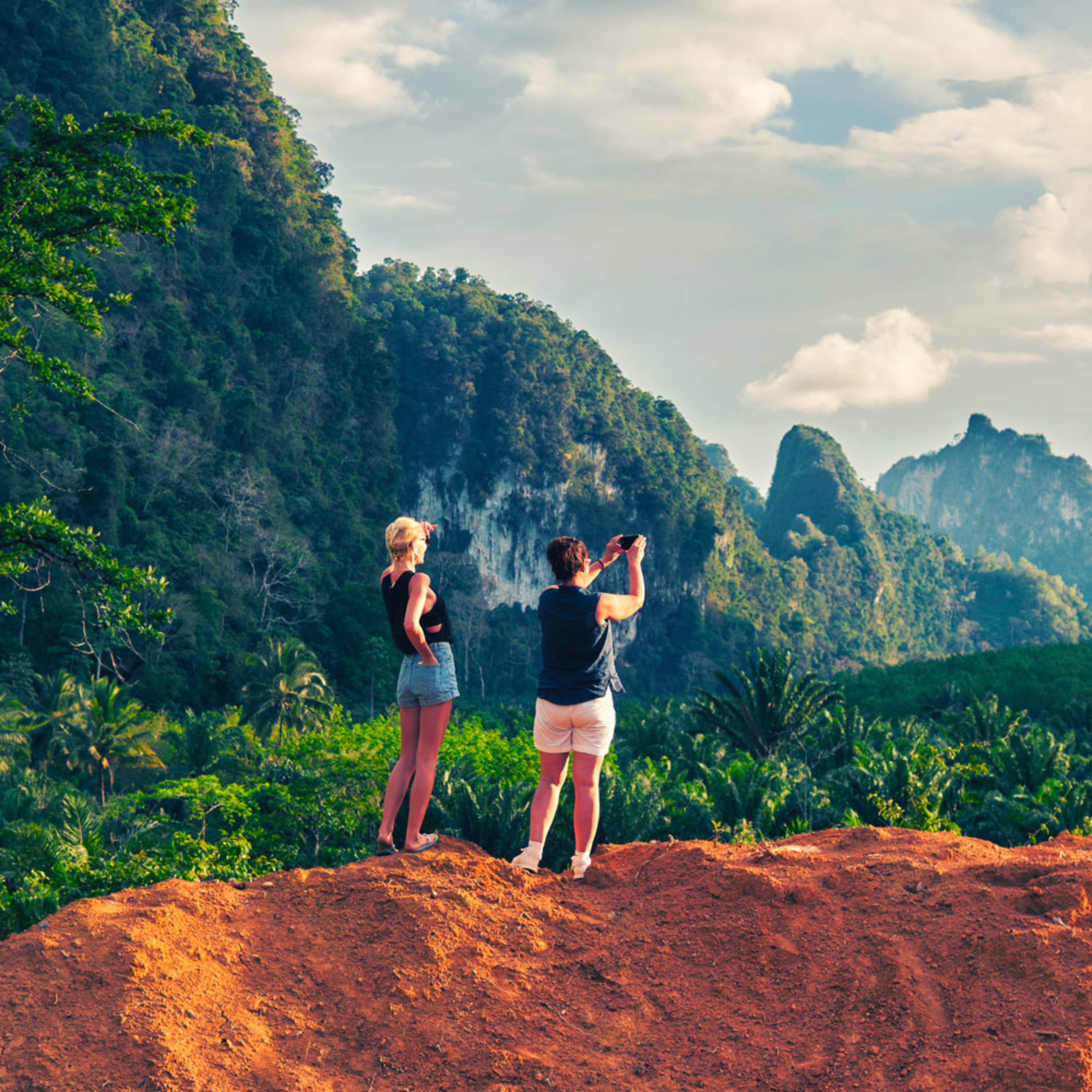
Route 1089 winds through deep valleys, misty ridgelines, and coffee plantations. Best explored with a driver or local guide, it opens a wide variety of landscapes, with rural stops, hidden waterfalls, dizzying viewpoints, and monasteries tucked into the jungle. Be sure to stop at local cafés, where you can try freshly roasted Arabica grown on the mountainsides.
10. Sleep in a lodge surrounded by rice fields
To extend the experience, spend the night in a lodge designed to blend into the landscape, built with respect for its surroundings around Mae Chan. From your terrace, the daily scenes of buffalo or children playing in golden rice fields may be what you remember most. Here, modern comforts stay discreet. The song of frogs replaces the TV, dinner is often homemade, and the encounters feel genuine. A night in Mae Chan is a journey in itself.
---
Mae Chan is one of those little gems too often saved for the end of an itinerary. And yet, it’s here, in these overlooked rural landscapes, that travel often feels most meaningful: human, peaceful, and deeply rooted.
Add Mae Chan to a tailor-made trip in Thailand
With Evaneos, you’ll be connected directly with a local, English-speaking expert based in Thailand. Passionate about the destination, they know the country from the inside, with detailed and personal knowledge of its regions, traditions, and well-kept secrets, including the peaceful district of Mae Chan.
They’ll listen to what you’re looking for and design a fully tailored itinerary with you, shaped around your interests, pace, and travel style. Want to experience the authentic north, explore remote temples, or share a meal in a local home? That’s exactly the kind of experience they can help you create.