




What to see and do in Doi Mae Salong?
1. Taste high-mountain teas and visit a plantation
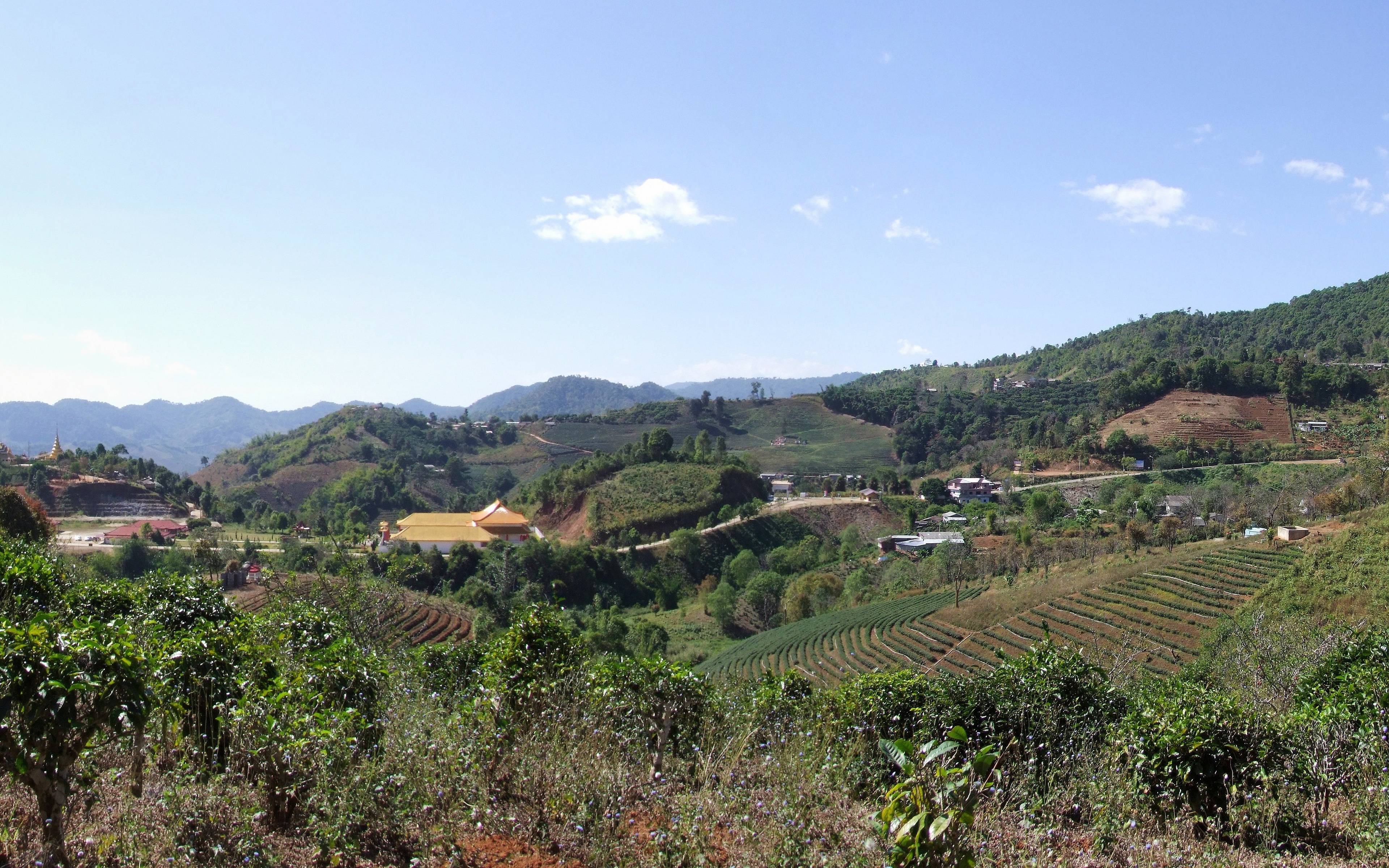
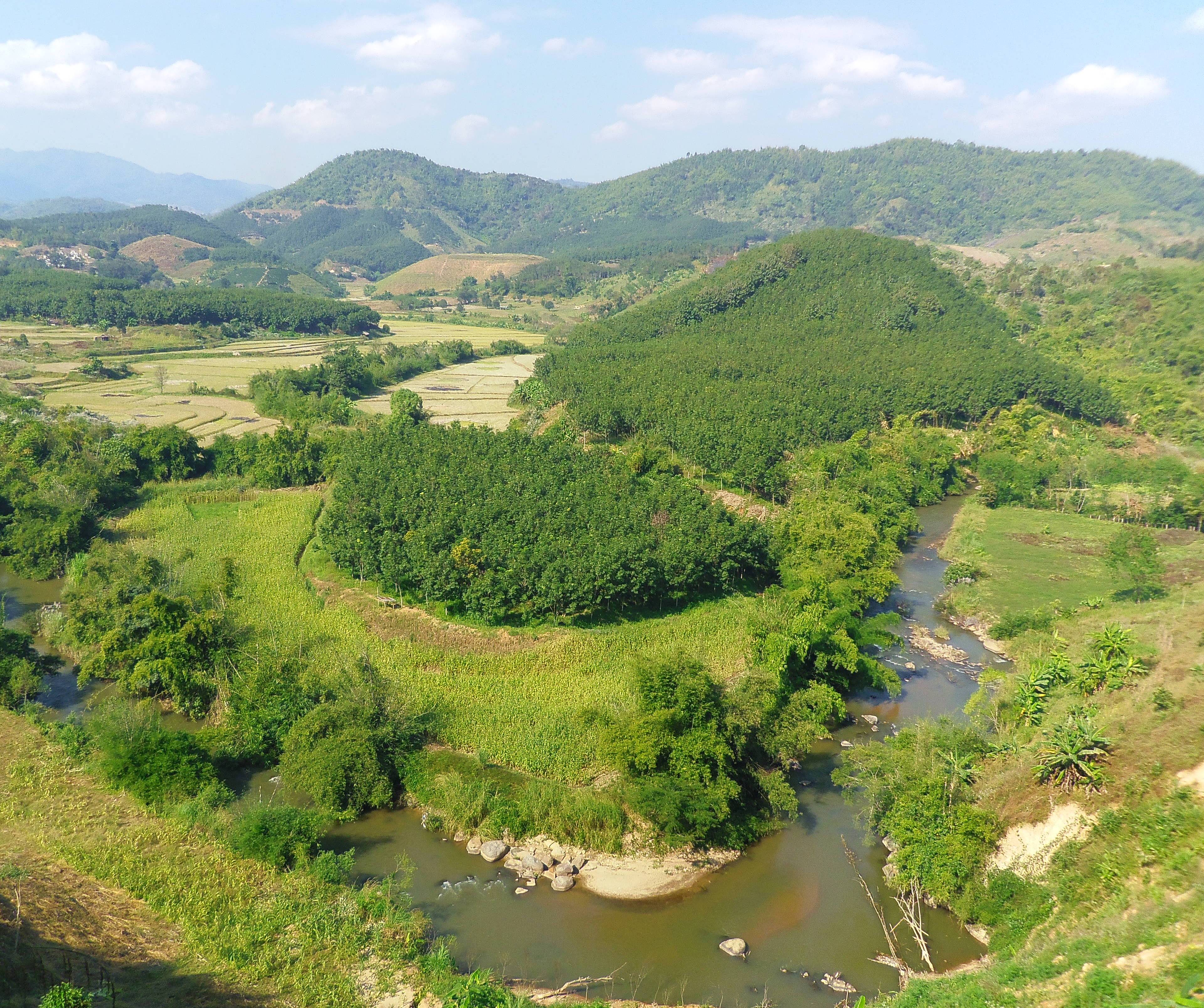
Doi Mae Salong is Northern Thailand’s great tea garden, set in a cool climate that feels surprising after Chiang Rai. Take the small road winding between rows of tea plants, also known as Camellia sinensis, then stop at a plantation to follow the process leaf by leaf, from withering to brewing. In your cup, you’ll find floral, honeyed notes, sometimes with a hint of wood reminiscent of chestnut. Sit facing the green-striped hills and take in the silence.
2. Climb to Phra Boromathat Chedi Srinagarindra Temple
Phra Boromathat Chedi Srinagarindra Temple offers one of the most beautiful views in Mae Salong, especially when the morning light catches the ridgelines. The stairs lead to a white chedi, standing like a sentinel above the valleys. Incense blends with the scent of pine trees, and the wind sometimes brings a dry chill that wakes you up. Take time to walk around it, watch the flags dance in the breeze, then stand still for a few minutes, facing the clear mountain air.
3. Explore the market and try Yunnanese cuisine
Mae Salong’s market brings together Akha, Lisu, and Yunnanese communities, with stalls of fresh fruit, fragrant herbs, and steaming traditional dishes. The air carries notes of cilantro and ginger. It’s also the perfect place to discover the heart of Yunnanese cuisine, inherited from Southern China: noodles in clear broth, steamed buns, and light milk tea are local specialties.
4. Walk a ridge trail at sunrise
Hiking is the simplest and most powerful experience in Doi Mae Salong, especially when mist clings to the valleys. Set out early, when dew beads on the tea leaves and your footsteps crunch over the red earth. The trails alternate between clearings, pine groves, and viewpoints, with the occasional local café where you can recharge. Bring a jacket with you, as it gets chilly at this elevation.
5. Photograph the village’s cherry blossoms
Between December and February, Doi Mae Salong village is covered in pink blossoms, known locally as Thai sakura, and the atmosphere feels almost like spring. Look for roads lined with trees, then wait for the moment when the sun shines through the petals and everything turns pastel. To preserve the magic of this poetic moment, visit on a weekday and early in the morning, when you can enjoy the full beauty away from the crowds. Outside blooming season, the village is still stunning, slower-paced, and full of an unmatched sense of ease.
Our tips for exploring Doi Mae Salong
Can you climb to the Doi Mae Salong viewpoint, and how difficult is the ascent?
Yes, you can reach the heights of Doi Mae Salong on foot. It’s not a technical climb, but rather a hilly walk between plantations and mountain roads, with occasional glimpses of the Burmese ridges on clear days.
The ascent isn’t especially technical, but plan on sturdy shoes, plenty of water, and an early morning start to avoid the heat, fog, and scooters coming through town.
Can you go hiking in Doi Mae Salong?
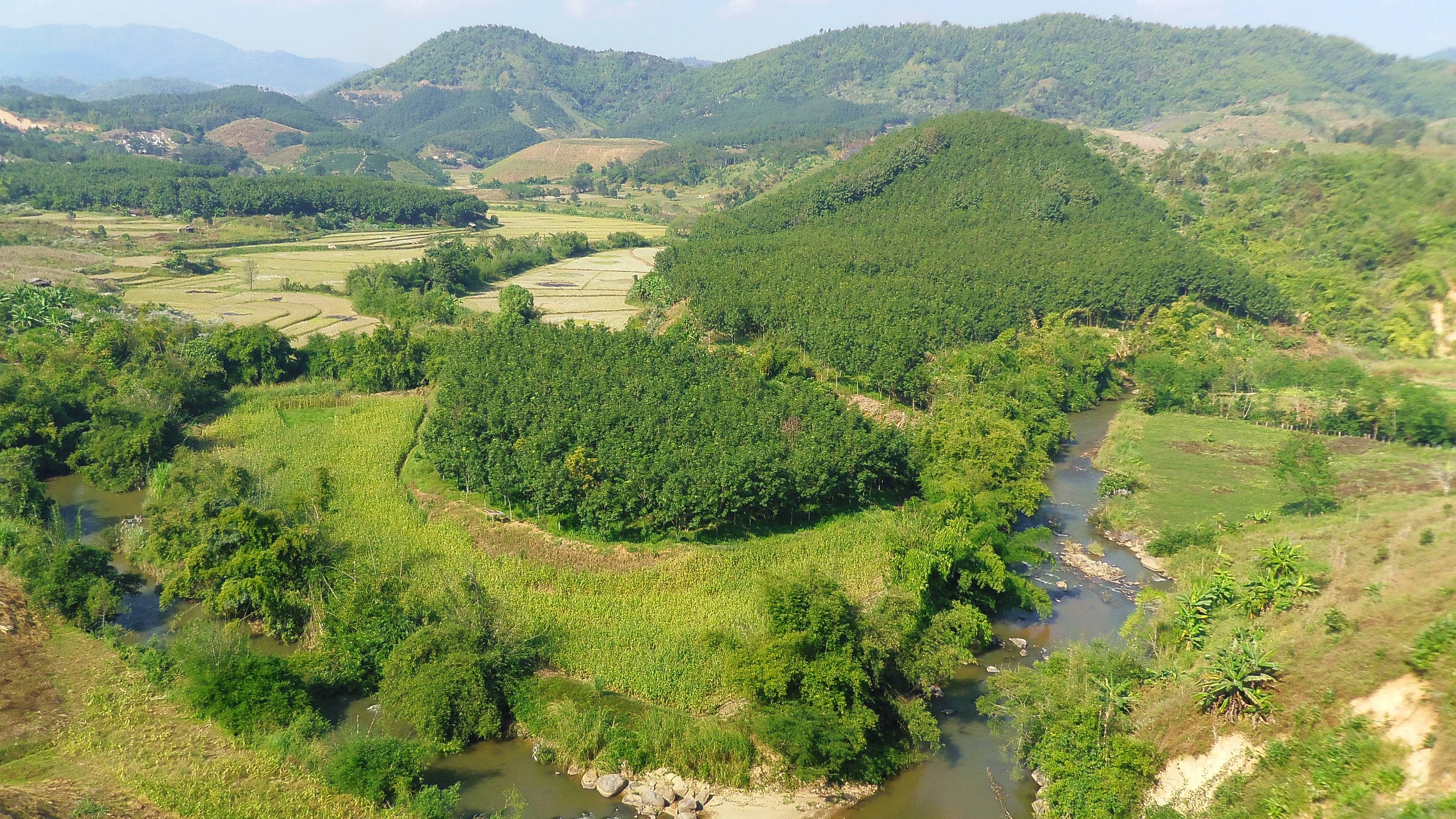
Yes, hiking in Doi Mae Salong is one of the best ways to experience the mountains north of Chiang Rai. Trails wind through hillside oolong tea plantations, pine forests, and villages where Akha and Lisu communities live, often along dirt tracks.
Difficulty varies, from an easy two-hour walk around Doi Mae Salong to more challenging full-day loops with elevation gain. One tip before you head out? Explore the trails with a local guide so you don’t miss the smaller paths.
Where can you get the best views of Doi Mae Salong?
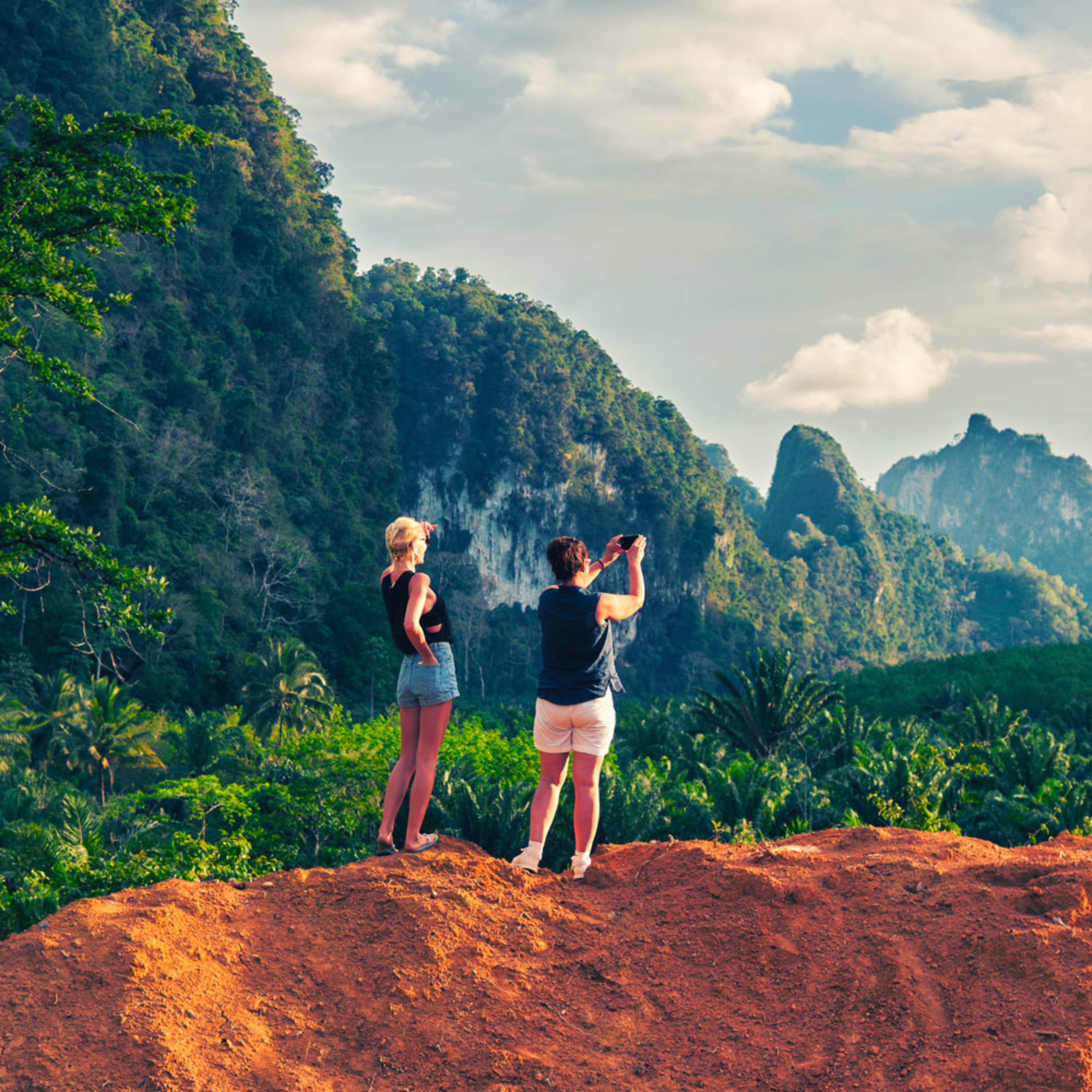
To take in Doi Mae Salong, head to the heights at sunrise, when mist clings to the tea fields. The most iconic spot is the viewpoint at Phra Boromathat Chedi Srinagarindra. For a quieter atmosphere, climb to the Yun Lai viewpoint above the village, where benches face the horizon.
Add Doi Mae Salong to a tailor-made Thailand trip
With Evaneos, a local English-speaking expert based in Thailand takes care of your trip. They know the roads, the seasons, the authentic experiences, and the right people. The result: a trip that truly feels like a chance to disconnect, while still having someone you trust on the ground.
Want to explore Doi Mae Salong, wander through its tea plantations and watch the morning mist drift by? Your local expert will help you design a tailor-made trip that feels just right for you, and that you won’t soon forget.