



What to see and do in Khao Yai
1. Explore the jungle of Khao Yai National Park
It’s one of Thailand’s oldest parks, and also one of its most captivating. A UNESCO World Heritage Site, Khao Yai National Park offers a rich taste of wilderness that’s accessible to all.
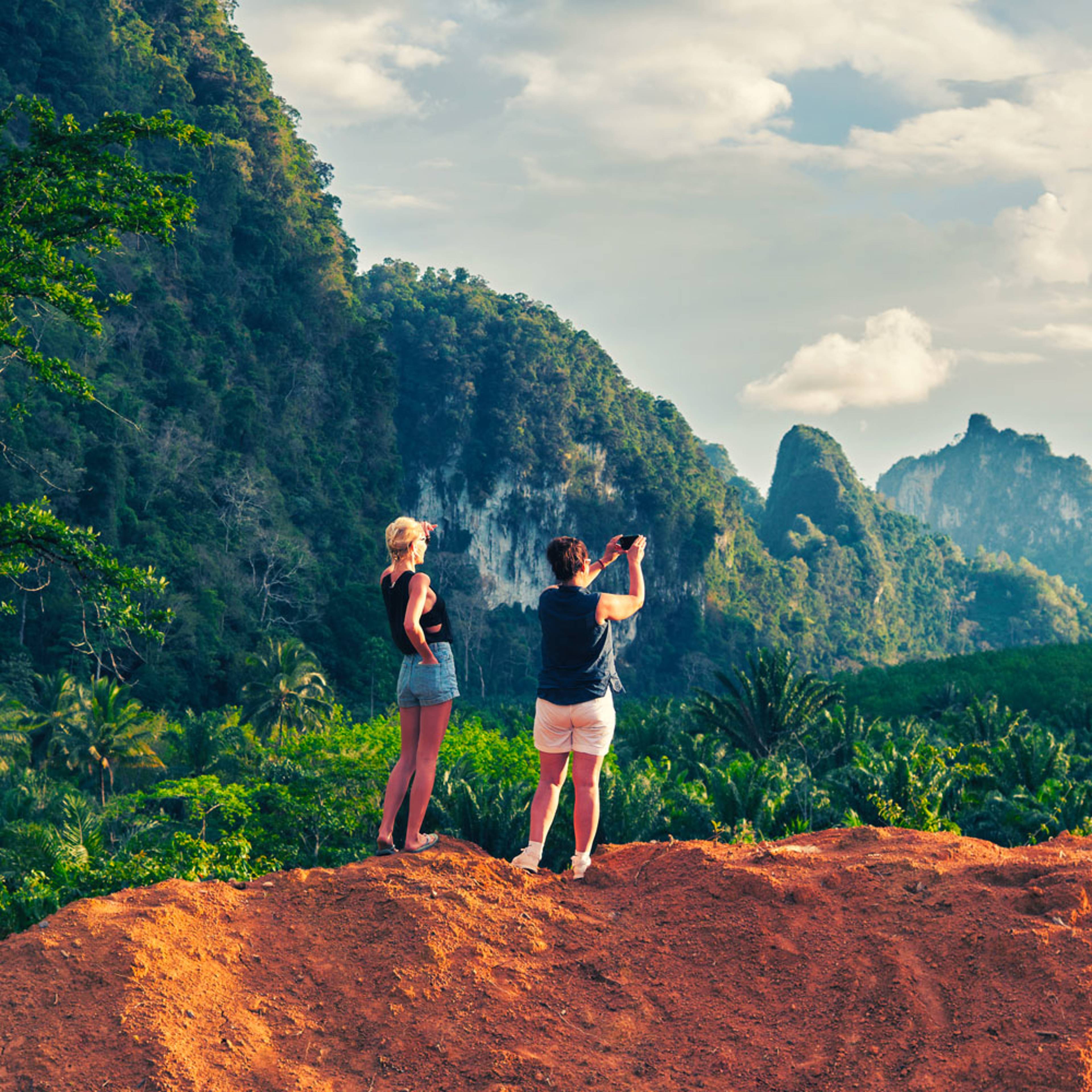
With majestic waterfalls like Haew Narok, which drops about 490 feet over three tiers, trails through dense jungle, and gibbons calling in the distance, every hike is an adventure for the senses. And with a local guide, you’ll have a good chance of spotting a wild elephant somewhere among the bamboo, or a great hornbill with its unmistakable giant yellow-and-black bill.
2. Set out before dawn to watch wildlife
In Khao Yai, animals keep their own schedule. The forest often comes quietly to life before the sun breaks through the mist. In the cool darkness of early morning, head out with an accredited park guide to reach authorized wildlife-viewing areas. Deer and sambar graze at the forest edge, while porcupines dart across the trails. With a little luck, you might see a lone elephant slowly crossing the road as if it owns the place. It’s a magical moment, and it’s over in seconds.
3. Admire Haew Suwat and Haew Narok waterfalls
Khao Yai’s waterfalls are among the park’s most spectacular sights. Tucked deep in the forest, Haew Suwat sends its powerful waters into a natural pool edged with mossy rocks, a refreshing place to pause after a walk. Farther upstream, Haew Narok impresses with its raw, untamed power: water plunges over several levels into a dizzying ravine, in largely unspoiled surroundings. The two falls feel very different, but both give you a thrilling sense of the jungle’s power.
4. Follow a night hiking trail
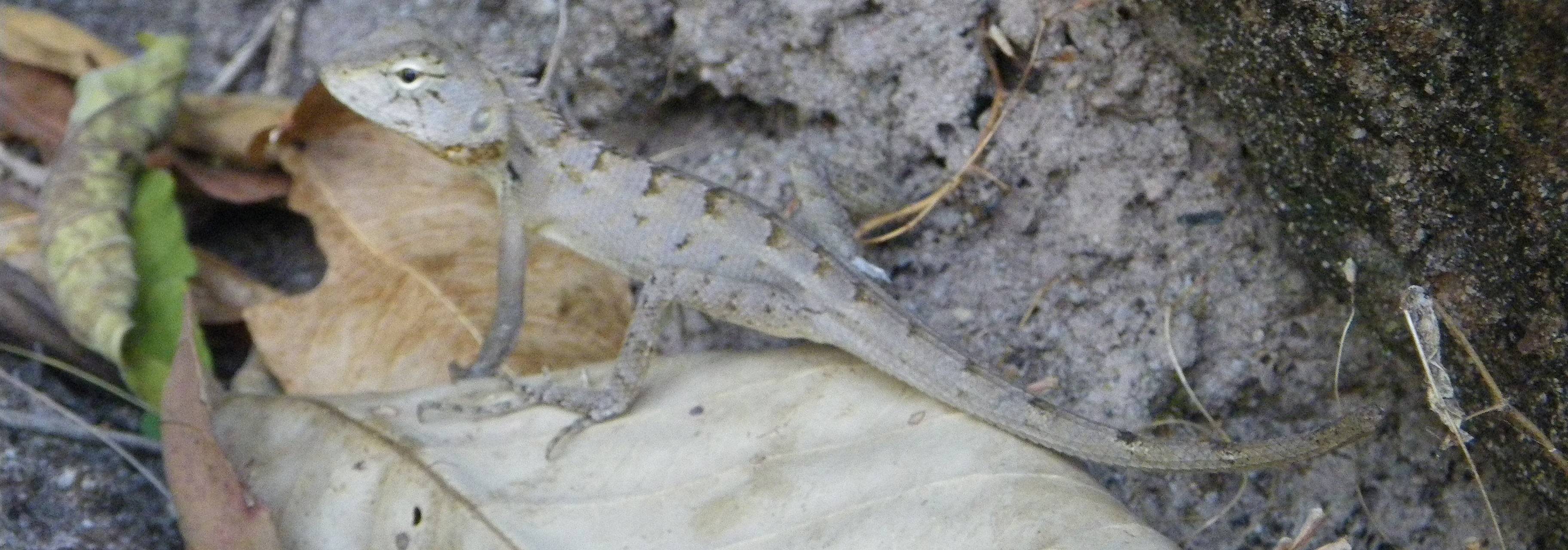
After dark, the jungle becomes a different place. Leave the wide tracks behind and follow hidden trails by headlamp with a park guide. The soft rustle of leaves, the piercing chorus of crickets, and the tiny green glints of a tokay gecko’s eyes reveal a completely different world. If you’re lucky, you might also spot a snake coiled in a tree. It’s a chance to soak up the vibrant, mysterious rhythm of the forest at night.
5. Taste the wines of the Khao Yai hills
Unexpected, but very real: the Khao Yai region is also home to vineyards. Its gentle hills and relatively cool climate have allowed several Thai wineries to take root. After a guided visit, stroll through the vines before the most anticipated part: the tasting. Sample locally produced varietals such as Shiraz or Chenin Blanc, in an experience that’s more about discovery than formal wine expertise, with views of the surrounding mountains. It’s a refined break after the humid jungle.
6. Wander through Pak Chong’s night market
Near the park entrance, Pak Chong has a laid-back, nature-focused feel, but it comes alive at night with its market. From sweet pork skewers and shredded papaya salad to fried spring rolls, everything is cooked right in front of you. The atmosphere is friendly, local, and full of flavor, with families shopping for dinner and curious travelers eager to try regional specialties. As a bonus, the stalls often sell handmade souvenirs that feel more authentic than what you’ll find in the city.
7. Bike along the park roads
For active travelers, few things beat a bike ride along Khao Yai’s hilly roads. Pedal past waterfalls, forests, and lush green valleys. Some climbs may make your legs burn, but the reward is around every corner: breathtaking scenery and, sometimes, unexpected encounters with barking deer or northern pig-tailed macaques. Renting a bike for the day is also a way to slow down and see your surroundings from a different perspective.
Immersion in Khao Yai’s wilderness
Iconic animals to look for in Khao Yai
Under the dense canopy of Khao Yai National Park, wildlife encounters can happen quickly. Here are some of the park’s most iconic residents you may spot along the trails or near a waterfall:
- Wild elephants, majestic yet elusive, often seen at dawn or dusk.
- Gibbons, whose high calls echo between the trees like a tropical symphony.
- Great hornbills, with their huge yellow-and-black bills and noisy flight through the treetops.
- Sambar deer, calm and often seen grazing in clearings.
- Sun bears, extremely rare and elusive: you’re more likely to spot their footprints.
It’s a true wildlife sanctuary, so watch the animals with care and respect.
The plants and forests that shape Khao Yai
In Khao Yai National Park, the tropical forest is full of fascinating plant life, some towering, others easy to miss, but all full of life. Among the most remarkable, keep an eye out for:
- The strangler fig, whose twisting roots slowly wrap around its host until it disappears.
- Giant bamboo, which sometimes creaks under the force of the wind, forming green tunnels.
- Wild orchids, bright bursts of color suspended between shaded branches.
- Dipterocarps, immense centuries-old trees that serve as pillars of the primary forest.
- Tree ferns, prehistoric-looking plants that rustle as gibbons swing past.
Add Khao Yai to your tailor-made Thailand trip
With Evaneos, you can travel to Thailand with peace of mind. Our local, English-speaking experts live in the country and know it inside and out. From the lush jungle of Khao Yai to the hidden beaches of the south, they’ll help you design a fully tailor-made itinerary that fits your interests, pace, and budget.
With a local expert, you get precise advice, access to lesser-known spots, and support whenever you need it. That means peace of mind, and above all, an authentic trip away from the usual tourist routes.