



What to see and do on Koh Samui?
1. Explore Wat Phra Yai and Wat Plai Laem temples
As you approach Wat Phra Yai, you can’t miss the monumental silhouette of the Big Buddha, rising 39 feet high and visible from the air as you arrive on the island. Set on a small islet connected to Koh Samui by a causeway, this sacred statue seems to watch over its visitors. Early in the morning, monks make their rounds and leave offerings in silence as the first light of day catches the impressive golden statue.
About 330 feet away, Wat Plai Laem bursts with color. Guanyin, the Buddhist goddess of compassion, is represented here by a majestic 18-armed statue, the centerpiece of the site. Turtle and fish ponds surround the temple, living symbols of longevity. Your local expert can advise you on the best ways to respect their well-being. The atmosphere is peaceful and welcoming, just steps from the Big Buddha and its quiet sense of devotion.
Good to know: Covered clothing is required in temples, from shoulders to knees. Sarongs, traditional wraparound cloths worn in religious spaces, are available at the entrance if needed.
2. Wander the streets of Bophut Fisherman’s Village
The small village of Bophut, on the north coast, has a charm you won’t find anywhere else on the island. This former fishing port is lined with wooden Sino-Portuguese houses, built by Chinese merchants in the 19th century and now transformed into cafés, art galleries, designer boutiques, and small beachfront restaurants.
On Friday evenings, the night market takes over the main street of Fisherman’s Village and fills it with energy. Travelers and locals mingle among the aromas of grilled skewers and massaman curry, craft stalls, and street musicians in the background. Bophut is the place to feel Koh Samui’s bohemian side.
3. Hike to the Na Muang waterfalls
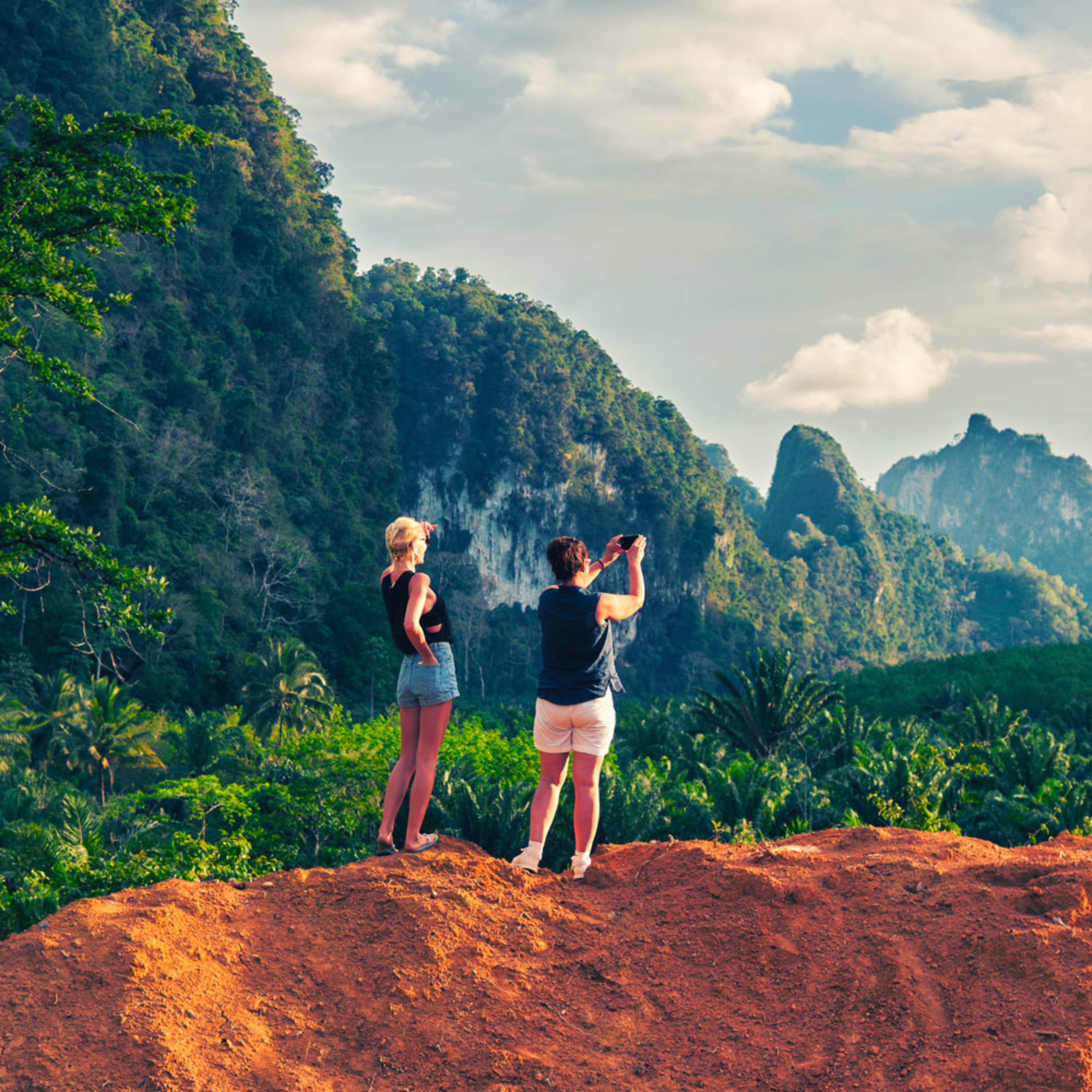
Hidden in the jungle of south-central Koh Samui, the Na Muang waterfalls are best explored in two stages. Na Muang 1 is easy to reach and leads to a natural pool, perfect for cooling off when the sun is shining. Climb between tree roots, follow a ten-minute trail as the birds sing, and swim in the pool below the waterfall.
Na Muang 2 takes more effort to reach the top. After a steep hike along sometimes slippery trails, you’re rewarded with sweeping views over the canopy stretching toward the sea, and a rare silence on such a lively island.
Please note: Avoid the elephant rides offered nearby, as they are incompatible with animal welfare. If you’d like to observe elephants in respectful conditions, ask your local expert for guidance.
4. Take a day trip to Mu Ko Ang Thong National Marine Park
Northwest of Koh Samui, Mu Ko Ang Thong National Marine Park brings together 42 karst islets scattered across emerald waters. After about an hour by boat from the island’s pier, you enter the heart of this protected archipelago, a world of hidden lagoons, empty beaches, coves, and wild cliffs.
The day includes snorkeling around reefs among tropical fish, kayaking through sea caves, and hiking up to viewpoints over the inland Thale Nai Lagoon. It’s an unforgettable day trip if you’re looking for a wild, protected escape.
Good to know: There is an entrance fee for the national park, 300 baht, about $8, per adult, and 150 baht, about $4, per child under 12. To reach the narrowest coves and stay closer to nature, choose a smaller boat. Your local expert can recommend the right option.
5. Taste Thai food at a local market
As evening falls, Koh Samui’s night markets come alive with irresistible aromas. The liveliest is Lamai Market, open every evening from 5 p.m. Stalls overflow with local flavors: grilled pork skewers, tangy green papaya salad, coconut pancakes cooked on clay griddles, fresh mango over sticky rice, freshly pressed fruit juices, and more.
Mae Nam Market, on the north coast, is open daily from 3:30 to 8 p.m. and is well worth a stop. Above all, it’s a fresh food market, with the day’s fish, seafood, meat, and local fruits and vegetables. Prices are among the most competitive on the island. You’ll mostly see neighborhood residents doing their shopping, a sign of how authentic it still feels. It’s the kind of place where you understand what Thai people really put on their plates.
6. Practice yoga facing the sea
Yoga has quietly become part of daily life on Koh Samui. Several yoga centers have opened across the island, especially in the south and east, where the quiet beaches set the tone. You can come for a single session or join a longer retreat. At first light, roll out your mat in a shala open to the ocean. A “yoga shala” literally means “house of yoga,” a place for teaching, practice, and healing rooted in Indian tradition.
Multi-day retreats often include yoga practice, meditation workshops, Thai massages, and vegetarian meals inspired by Ayurvedic traditions. If you’re looking for a more flexible experience without a set program, ask your local expert for a few trusted, authentic spots.
7. Watch the sunset at Laem Sor Pagoda
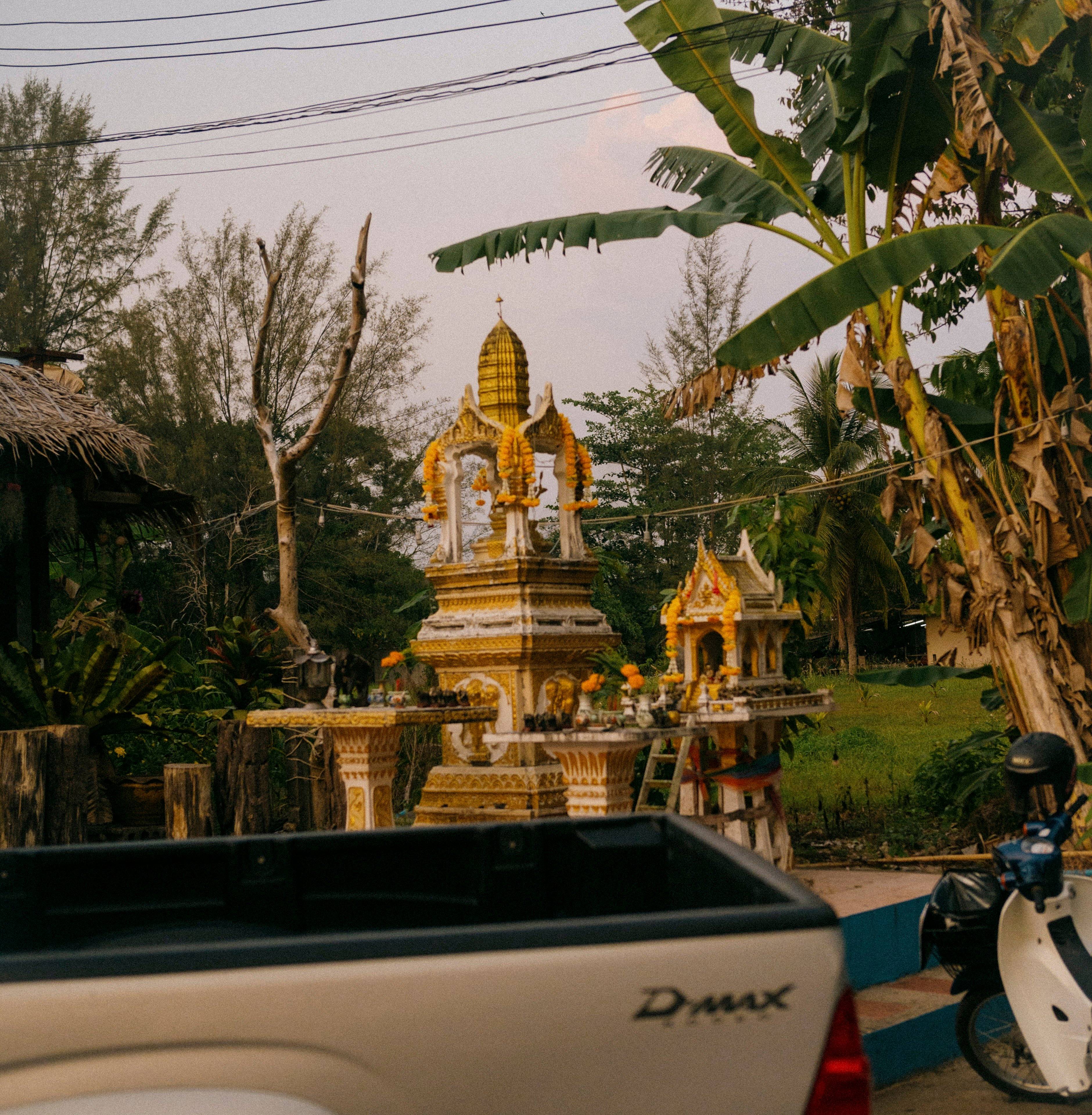
Tucked away at the southern tip of the island, Laem Sor Pagoda is a small gem that still sees few visitors. This golden chedi, also called a stupa, is a rounded, tower-shaped Buddhist structure built to house sacred relics. It was built in 1908 by local residents. The place is strikingly calm, especially in the low light at the end of the day, with the sound of waves and the rustle of palms all around.
For photographers or quiet-minded travelers in search of stillness, it’s one of the most poetic spots on Koh Samui. Best of all, Laem Sor offers a peaceful setting where you’re unlikely to run into many other travelers.
8. Swim at Silver Beach, the hidden gem of the east coast
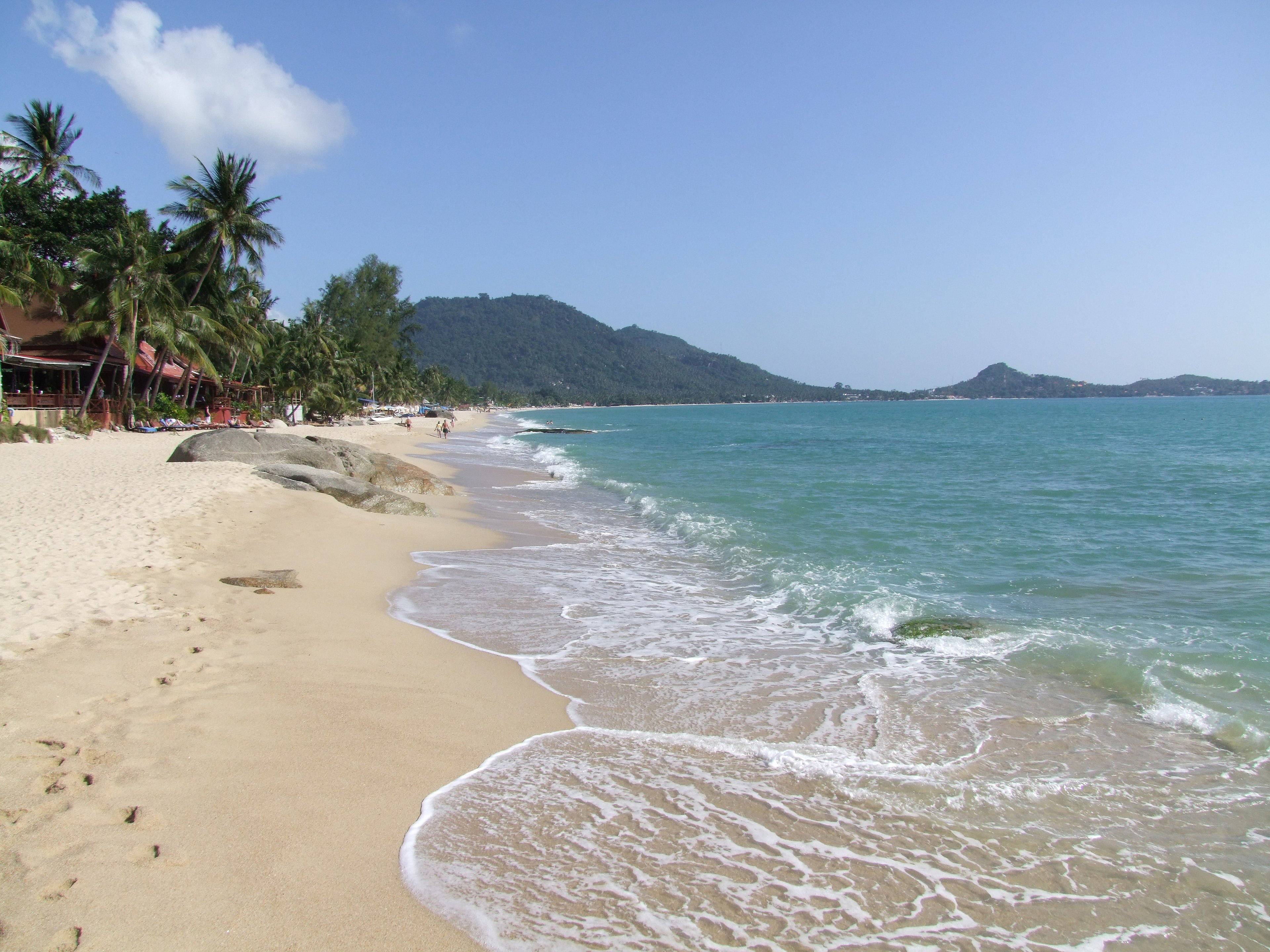
Tucked between Lamai and Chaweng, Silver Beach, also known as Thongtakian Beach, has everything you’d expect from a postcard-perfect shore: white sand, emerald water, leaning palms, tropical fish. But it has one special quality, it keeps a more intimate feel than its two busier neighbors, in every season.
A few family-run hotels line the cove, making it a perfect spot for a relaxing morning, snorkeling in clear water, or lunch by the sea under a small thatched-roof hut, with fresh grilled fish and your feet in the sand.
Please note: Access is via a narrow path that is not very visible from the road. Keep an eye out for the signs marked “Silver Beach Stones” or “Crystal Beach.” Ask your local expert for advice.
9. Discover the secrets of coconuts
Koh Samui is known as the “island of coconut trees,” and for good reason: they’re everywhere. The local variety is called Nam Hom, literally “fragrant coconut.” Its water is lightly sweet, with floral notes you won’t find in varieties from the north of the country.
Some small farms and local workshops offer a closer look at how coconuts are processed, an essential resource for island residents. You’ll learn how coconut oil, milk, and sugar are made. And after the visit? A tasting of fresh juice or local sweets flavored, of course, with coconut.
Please note: Some sites still use trained monkeys for harvesting, a controversial practice that unfortunately continues. It’s better to ask a local expert to recommend a responsible farm that knows its producers and their methods.
10. Experience daily life in Hua Thanon
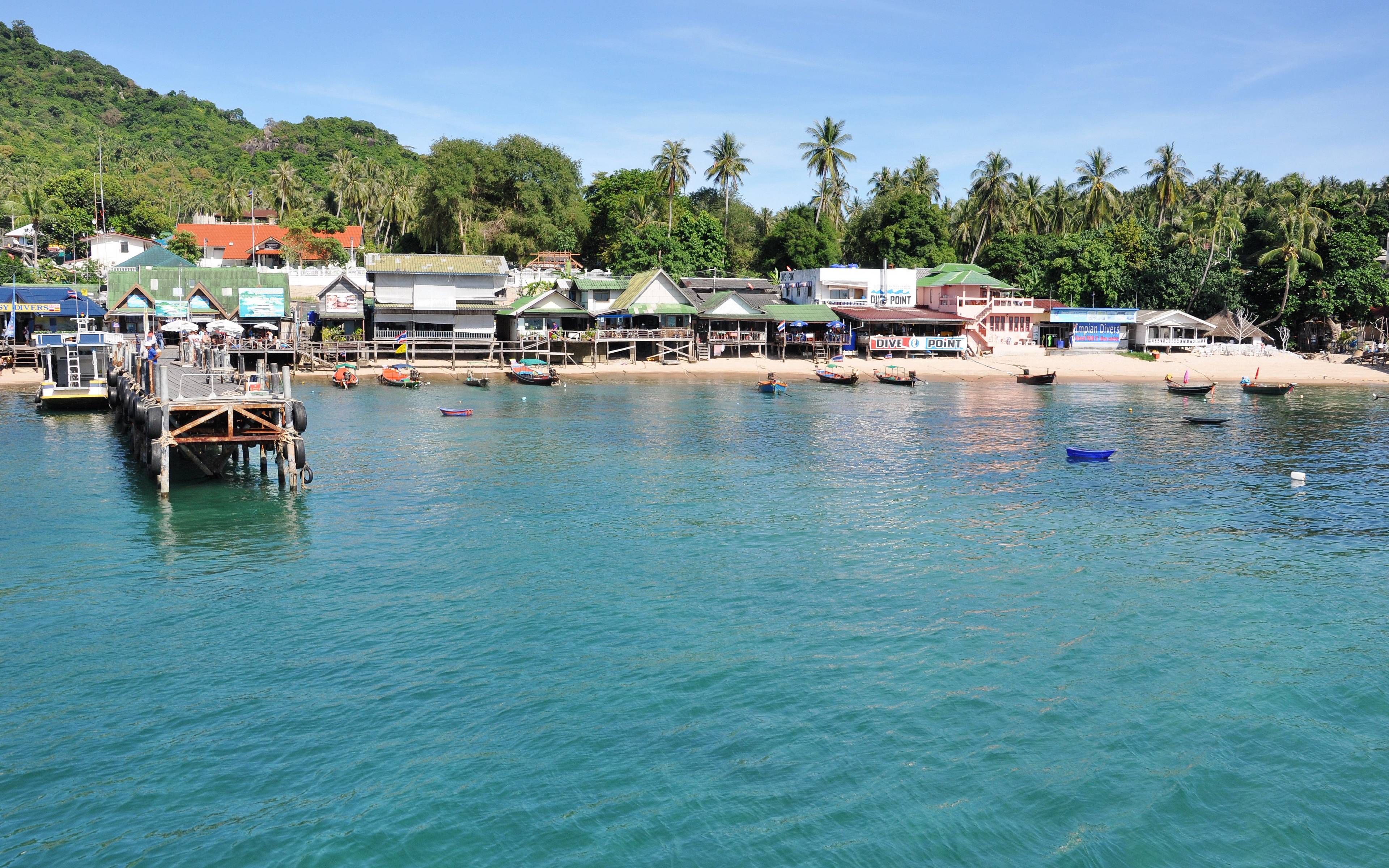
In the south of the island, Hua Thanon is one of Koh Samui’s oldest villages. Its wooden houses on stilts, fish market, and colorful fishing boats create a vivid picture of everyday life, far from the party atmosphere of Chaweng. Its Muslim community, one of the oldest on the island, has lived here for generations.
The market, open from 7 a.m., is first and foremost a fishermen’s market. Stalls are filled with fresh fish and seafood brought in that very morning: shrimp, crabs, and whole fish with scales still shining. This is village life, with residents shopping, fishermen unloading their nets, and very few travelers passing through.
11. Explore the rubber tree forests of southern Koh Samui
People often think of Koh Samui for its beaches and coconut groves. But rubber production is the island’s third major economic resource, after tourism and coconuts. Rubber tree forests are concentrated in the south and southwest of the island, around Lipa Noi, Taling Ngam, and Namuang. These trees form dense, shaded forests, very different from the seaside landscapes elsewhere on the island.
On some family-run plantations, you can see how raw rubber is harvested, from tapping the bark to flattening and drying sheets of raw rubber. It’s a side of the island that very few travelers see, yet it’s an essential part of local life. Ask your local expert to learn more about producers who welcome travelers in a sustainable and authentic way.
12. Join a Thai cooking class
Few things connect you to a place's traditions like cooking its food yourself. Classes usually start in the morning, often with a visit to the local market before the heat settles in. Shopping list in hand, you’ll move between stalls of galangal, ginger, fresh lemongrass, and chilies ranging from mild to fiery.
Some classes take place in the garden of a village home, others in a kitchen open to the sea. A few hours later, you'll sit down to dishes like massaman curry (a Muslim-influenced dish with mild spices, potatoes, and beef or tofu), pla pao (grilled fish in a salt crust), or a steaming bowl of tom yum soup. The experience is best in a small group, where there’s more time to talk with your host and absorb their cooking techniques.
Nature immersion in Koh Samui
Koh Samui’s iconic wildlife
On the lush island of Koh Samui, wildlife reveals itself during quiet early mornings, forest walks, and coral reef dives. Here are a few animal encounters you might have, always from a respectful distance:
- Hornbills, endangered birds with impressive bills, glide silently above the canopy.
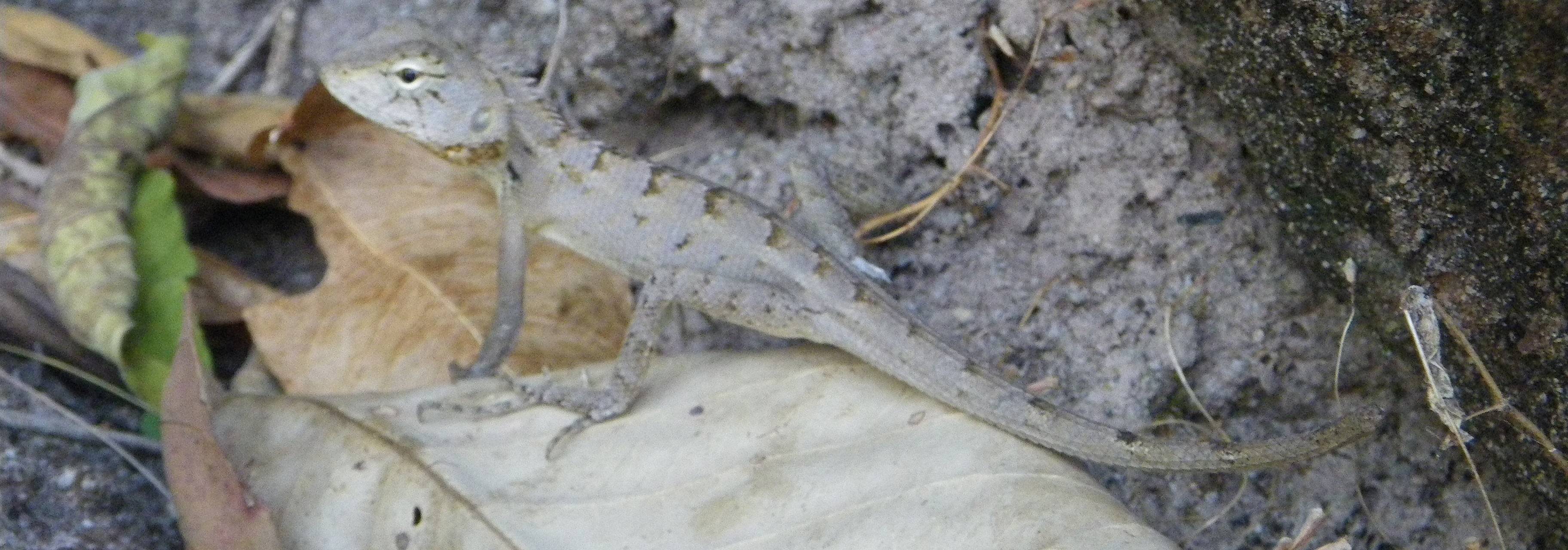
- Water monitors, large lizards that can grow to an impressive size, are often seen near rivers or temples.
- Crab-eating macaques, curious and mischievous, are sometimes visible in the coconut groves.
- Clownfish and stingrays live around the coral reefs.
- Giant moths, with brightly patterned wings, emerge at dusk like winged shadows.
The plants and landscapes that shape Koh Samui
In Koh Samui, jungle blends with plantations, creating a rich plant palette as you explore. A few species to look for:
- Nam Hom coconut palms, an emblem of the island and a key resource for local residents, found from the beaches to the inland hills.
- Frangipani trees, whose white flowers with yellow centers scent the air at dusk.
- Hibiscus, in red or fuchsia, lining the island’s roads.
- Rubber trees, found in the hills, whose latex is used to make natural rubber.
- Mangrove trees, which form coastal mangroves between land and sea and provide quiet shelter for birds and young fish.
Make Koh Samui part of a Thailand trip designed with a local expert
With Evaneos, you design your Thailand trip hand in hand with a local, English-speaking expert based in the destination. They know the country in detail, from paradise islands to Chiang Mai’s hidden lanes and open the door to a side of Thailand most visitors never see.
Thanks to their advice and deep on-the-ground knowledge, your itinerary is tailor-made to match your interests, pace, and travel plans. And there's real value in having someone on the ground who actually knows the area.