Chiang Dao Cave

Chiang Dao Vacations

3.5
2 reviews
Between misty jungle and sacred caves, a well-kept secret in northern Thailand.

Visit Chiang Dao

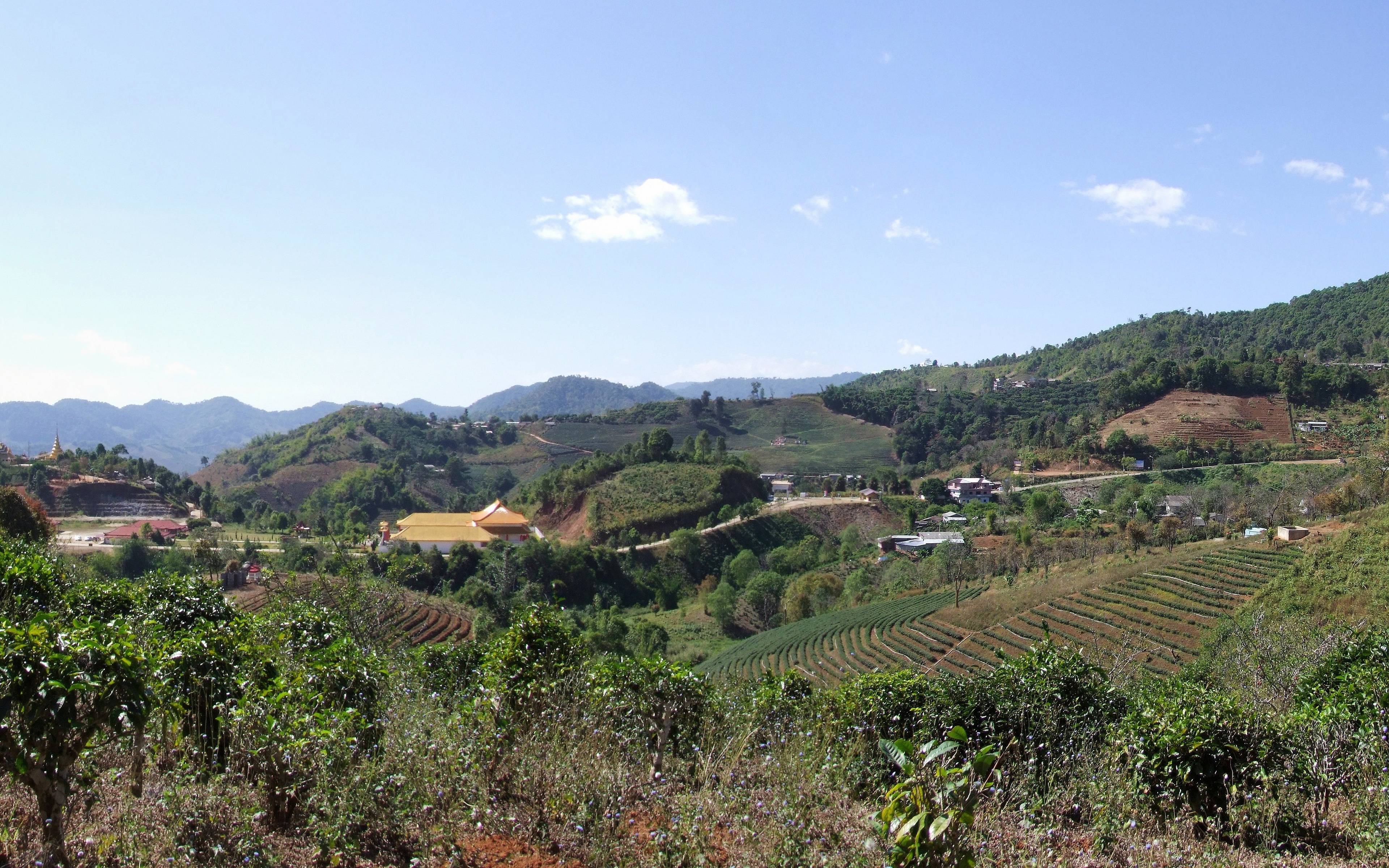
Visiting Chiang Dao in Thailand takes you into a timeless escape in the misty mountains of the country's north. This peaceful village, tucked at the foot of a mystical peak, invites you to slow down. The jungle teems with life, rice fields ripple in the wind, and ancient caves echo with forgotten legends. Here you wake to birdsong, share locally grown coffee with residents, and walk barefoot through a hilltop temple. Nature reigns, and the welcome is deeply warm. Looking for a different kind of trip, filled with quiet contemplation and genuine encounters? You're in the right place.

  • Off the beaten track
  • Countryside
  • Mountain

Chiang Dao: How to get there?

Chiang Dao is in northern Thailand, about 47 miles north of Chiang Mai. From the U.S., fly to Chiang Mai, typically with a connection, then continue to Chiang Dao by minivan, bus, or rental car.

Chiang Dao: When to go?

The best time to visit is from November to February, when temperatures are cool and skies are clear. November and February offer the best balance, with fewer travelers than the busier months of December and January.

Chiang Dao: For how long?

Plan two to three days in Chiang Dao to explore caves, temples, and nature while taking time to soak up the local calm.

Learn more about your destination

Must-sees and hidden gems: what to see and do in Chiang Dao?

1. Explore the mystical Chiang Dao Cave

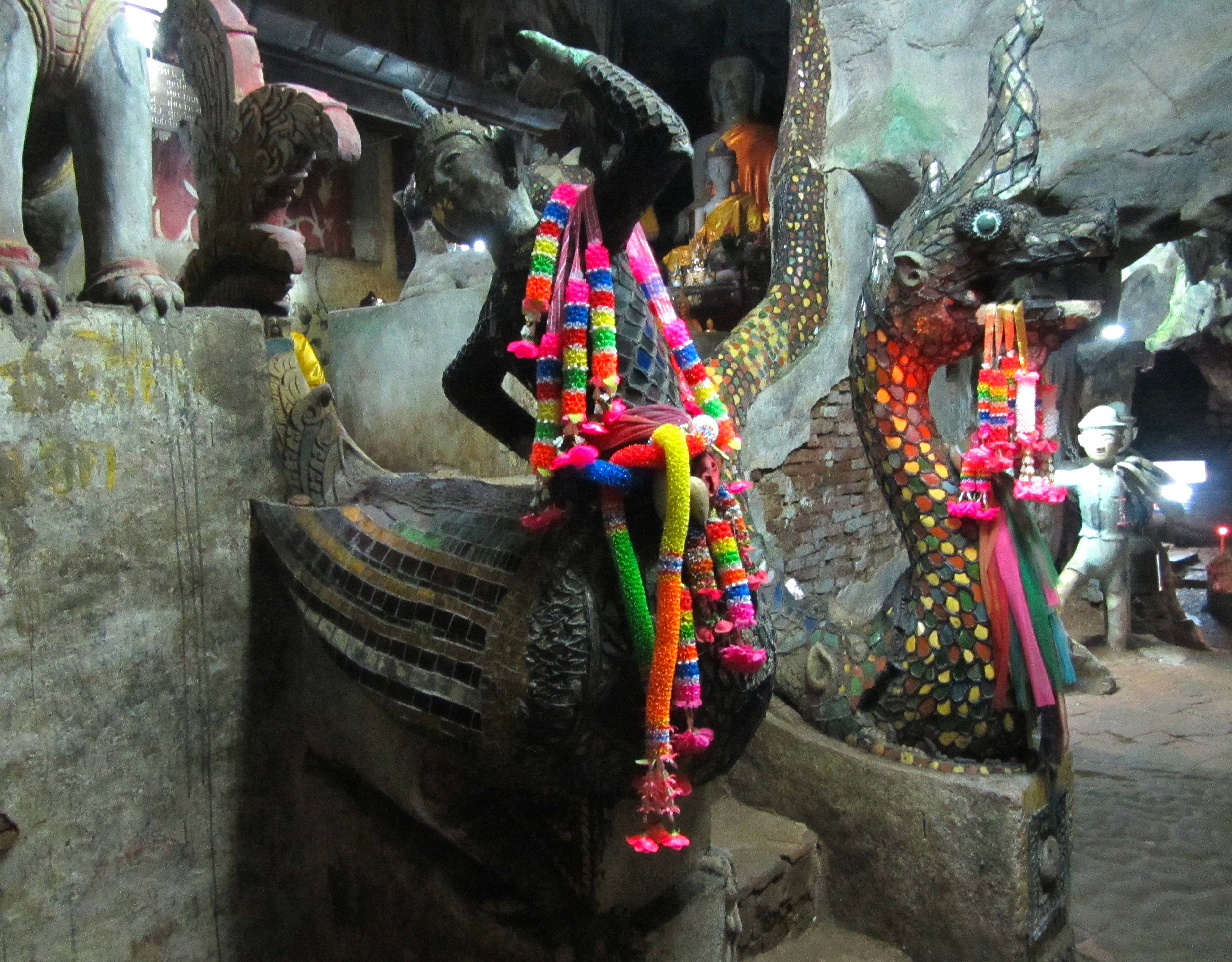
Venturing into Chiang Dao Cave means stepping into a silent underground world steeped in spirituality. Incense in the air, Buddha statues hidden in the shadows, stalactites shaped by time. With a local guide and a headlamp, you can access part of this vast karst network. It’s an exploration that feels both sacred and mysterious.

2. Hike to the summit of Doi Chiang Dao

Rising to 7,300 feet, Doi Chiang Dao is Thailand’s third-highest mountain. The climb is strictly regulated: a permit is required, access is limited to November through February, and camping is only allowed in a designated area below the summit. Along the way, you’ll spot rare alpine flora and endemic bird species such as Deignan’s babbler. It’s a true adventure, best experienced with a local guide, or even with Buddhist monks as companions.

3. Unwind in the Pong Arng hot springs

After a day of trekking, nothing beats a soak in the Pong Arng hot springs. Tucked into the jungle, these natural pools release soft clouds of steam and a soothing mineral scent. Heated deep within the mountain, the water relaxes your muscles and quiets the mind. Away from the crowds, this peaceful spot still feels wonderfully low-key. Here, you may share the pool with a few local families. A pure moment of ease, set to the gentle sound of rippling water.

4. Visit Wat Tham Pha Plong temple in the forest

Set into the mountainside, this little-known temple is a hidden gem. You reach it by climbing a 500-step staircase winding through trees and butterflies. At the top, a golden stupa, a Buddhist architectural structure, rises above the canopy. Many monks still come here to meditate. The atmosphere is calm and made for contemplation. It’s a quiet, spiritual place that feels like stepping into another world.

5. Bike through the Chiang Dao Valley

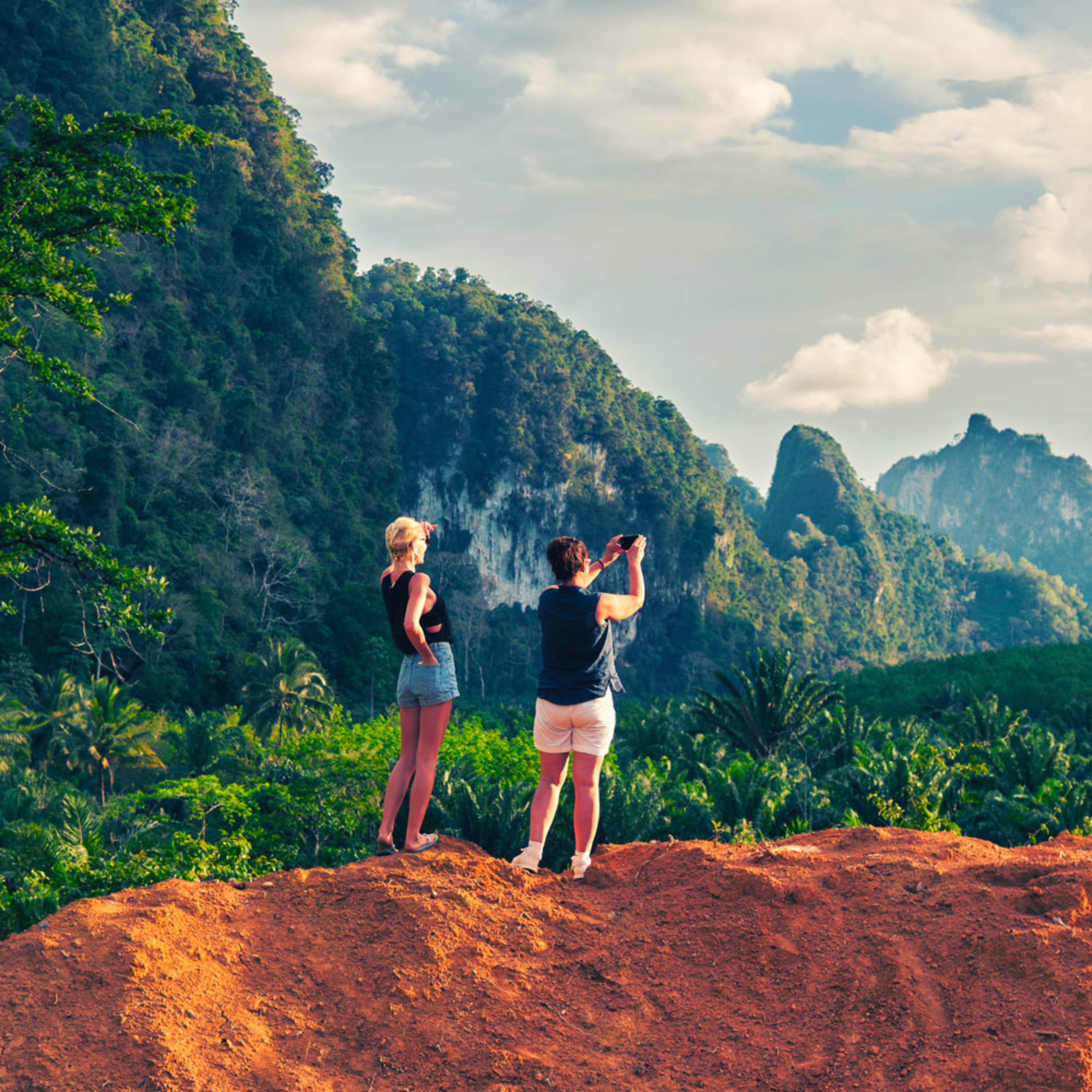
At dawn, when mist drifts over the rice fields, hopping on a bike is one of the best ways to explore the area around Chiang Dao. Dirt paths, Lahu hamlets, endless cornfields, and buffalo dozing beneath banyan trees: every turn feels like a living painting. The terrain is flat and easy, perfect for a gentle ride. And always, in the background, the mountain’s powerful silhouette keeps you company.

6. Join a traditional craft workshop

In the Lisu, Akha, and Lahu villages around Chiang Dao, some families share their traditional craft skills: cotton weaving, plant-based dyeing, and bamboo work. Joining a workshop means discovering techniques passed down through generations and learning about daily life in the mountains. It’s a sincere, authentic encounter far from the usual tourist routes.

7. Go birdwatching in Doi Chiang Dao Wildlife Sanctuary

This protected reserve is a paradise for budding birders. With more than 300 recorded species, including some endemic to the mountains of northern Thailand, the park’s green hills come alive with birdsong at daybreak. Bring binoculars, head out with a passionate local guide, and keep your eyes open for trogons, red-whiskered bulbuls, and kingfishers. The biodiversity here is remarkable. It’s a morning date with the wild, set to a full natural symphony.

8. Taste authentic northern Thai cuisine

Chiang Dao is full of small, family-run spots where you can discover the flavors of the north. Try khao soi, a gently spiced curry noodle soup with both crispy and tender noodles, or nam prik ong, a minced meat and tomato dip served with crunchy vegetables. Far from tourist restaurants, these simple eateries tell the story of a generous region, with fresh market ingredients and recipes quietly passed down over time. Here, every bite tastes like a slice of local life.

9. Spend the night in a bamboo house

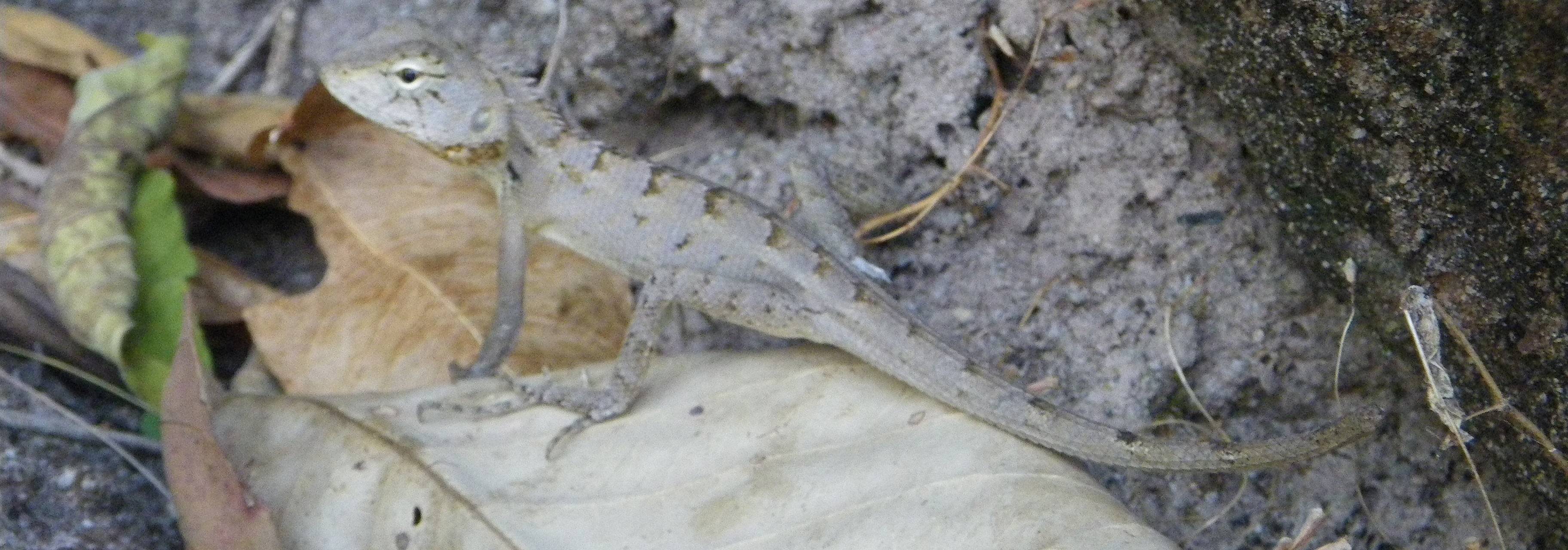
What if nightfall became the most beautiful moment of your trip? In Chiang Dao, some families in the surrounding area offer simple bamboo stays in the heart of farms, rice fields, or up in the hills. A starry sky, the song of insects, a mattress on woven mats, and a soft breeze in the leaves. Wake to the call of geckos and local coffee, facing the misty mountain. A rare immersion to experience in complete peace.

Make Chiang Dao a stop on a tailor-made trip to Thailand

With Evaneos, you’ll be connected directly with a local, English-speaking expert based in Thailand. They know the country inside and out, from the jungles of Chiang Dao to the lively streets of Bangkok, and will help you create a fully tailored itinerary based on what you love.

Looking for a quiet trek in the mountains, a night in a remote lodge, or a traditional cooking class with local residents? It’s all possible. Your trip becomes one of a kind, far from the beaten path.
Chiang Dao: practical information for travel

The best time to visit Chiang Dao is from November to February, during the dry season. Temperatures stay pleasantly cool, especially in the morning. It’s ideal for hiking in the mountains and exploring the caves without the heavy humidity of the lowlands. The air is cleaner, and the views are clearer.

From December to January, the teak forests turn golden and the Thai sakura cherry trees begin to bloom, creating an unusual landscape in northern Thailand. From January to April, “burning season” brings frequent agricultural fires. From June to October, the monsoon arrives, and Chiang Dao becomes quieter and more off the radar.

In Chiang Dao, look for accommodations in the village of Ban Tham, at the foot of the mountain. You’ll be close to the sacred caves and surrounded by lush jungle scenery. You can also stay higher up in the Chiang Dao Valley, a great choice for panoramic views and deep quiet. Around Mae Na, you’ll find more small family-run hotels, perfect for nature lovers.

Evaneos’ local experts know every corner of Chiang Dao. With their help, you can access authentic, environmentally responsible stays, sometimes run by local families and often well hidden from the usual tourist trail. From lodges perched with mountain views to bungalows beside the rice fields, they’ll help you find the place that feels right for you.

In Chiang Dao, a small town tucked at the foot of the sacred mountain of the same name, the flavors of northern Thailand show up on every plate.

Must-try dishes include:

  • Khao soi: a rich, creamy curry made with coconut milk, topped with both crispy and soft noodles, often served with slow-simmered beef or chicken.
  • Sai ua: a northern Thai sausage fragrant with lemongrass, galangal, and chili, flame-grilled until the skin turns crisp.
  • Nam prik ong: a red dip made with ground pork, tomatoes, and curry paste, served with a basket of crunchy garden vegetables.
  • Tam khanun: a warm green jackfruit salad, gently spiced and mixed with thin slices of pork.
  • Kaeng hang le: a Burmese-Lanna pork curry, rich and tender, blending ginger, garlic, and tamarind paste, then simmered for hours.

Tucked at the foot of a towering jungle-covered mountain, Chiang Dao is more than a peaceful retreat, it’s also a well-kept secret for lovers of northern Thai food.

Here are a few warm, local spots to settle in between walks through the surrounding nature:

  • Chiang Dao Nest 1: a peaceful restaurant facing the mountain, known for its refined northern Thai cooking and fresh ingredients, best enjoyed slowly and away from the crowds.
  • Nakara Cafe & Restaurant: a welcoming spot in the heart of Chiang Dao, serving simple, well-prepared Thai dishes in a relaxed atmosphere loved by both locals and travelers.
  • Khampanna Café Resort & Nature Café: a café tucked into lush greenery, perfect for a break over local coffee or a light meal, with Chiang Dao’s nature as your backdrop.

To explore Chiang Dao freely, the easiest option is to rent a scooter, available through many guesthouses or upon arrival from Chiang Mai. The roads are well maintained, lightly traveled, and distances are short, making it easy to reach caves, hidden temples, and hot springs in just a few minutes.

If you’re not comfortable on a scooter, you can also take a songthaew. It’s a shared pickup truck with bench seating for trips to the main sites. Your local agency can help organize transportation for the day. Bikes are also a good option for early-morning rides, especially around the rice fields or Wat Tham Pha Plong monastery.

Chiang Dao: What to see in the surroundings?

What our travelers think about their stay

Thailand: our articles for your vacation