



Must-sees and hidden gems: what to see and do in Chiang Rai?
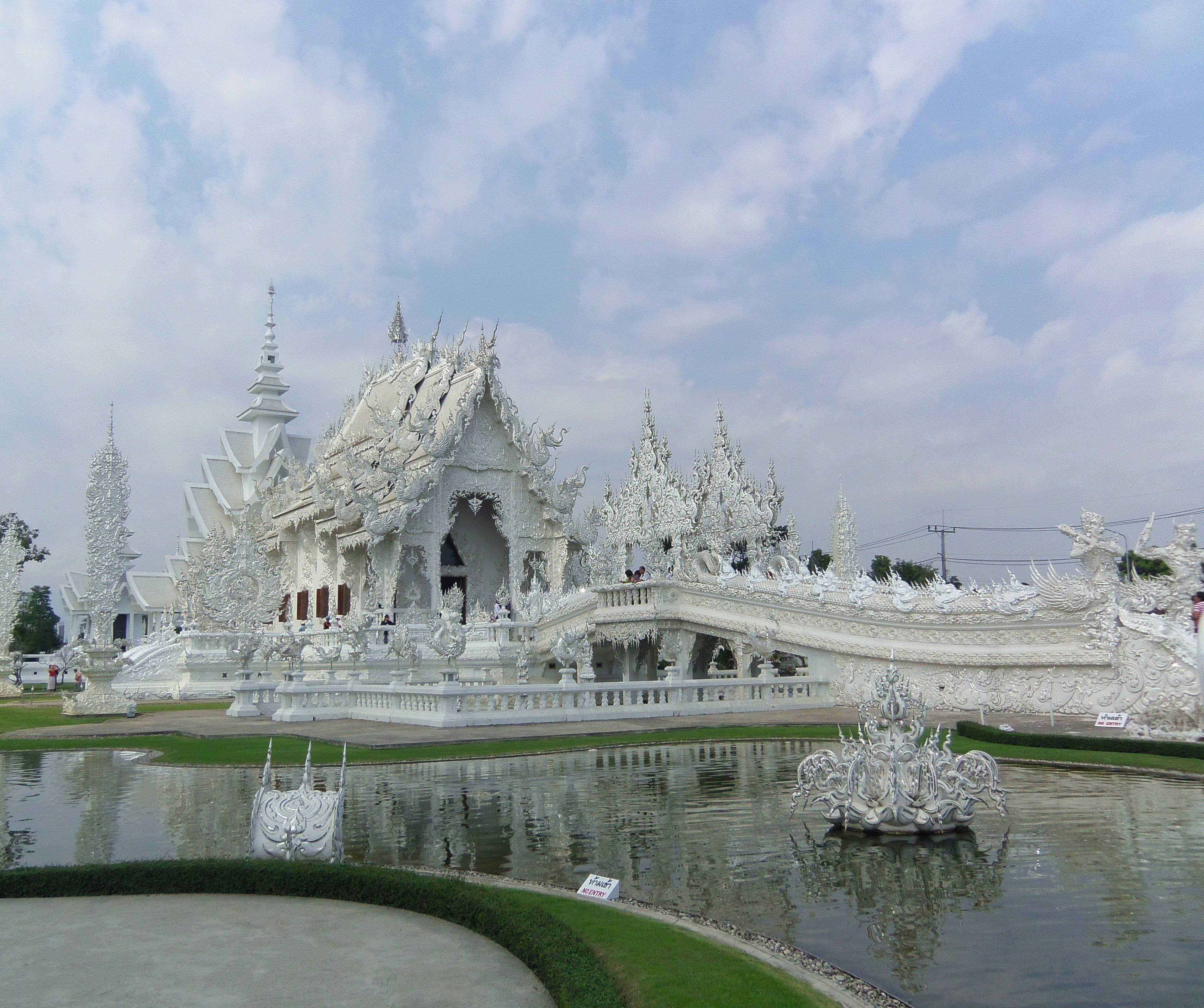
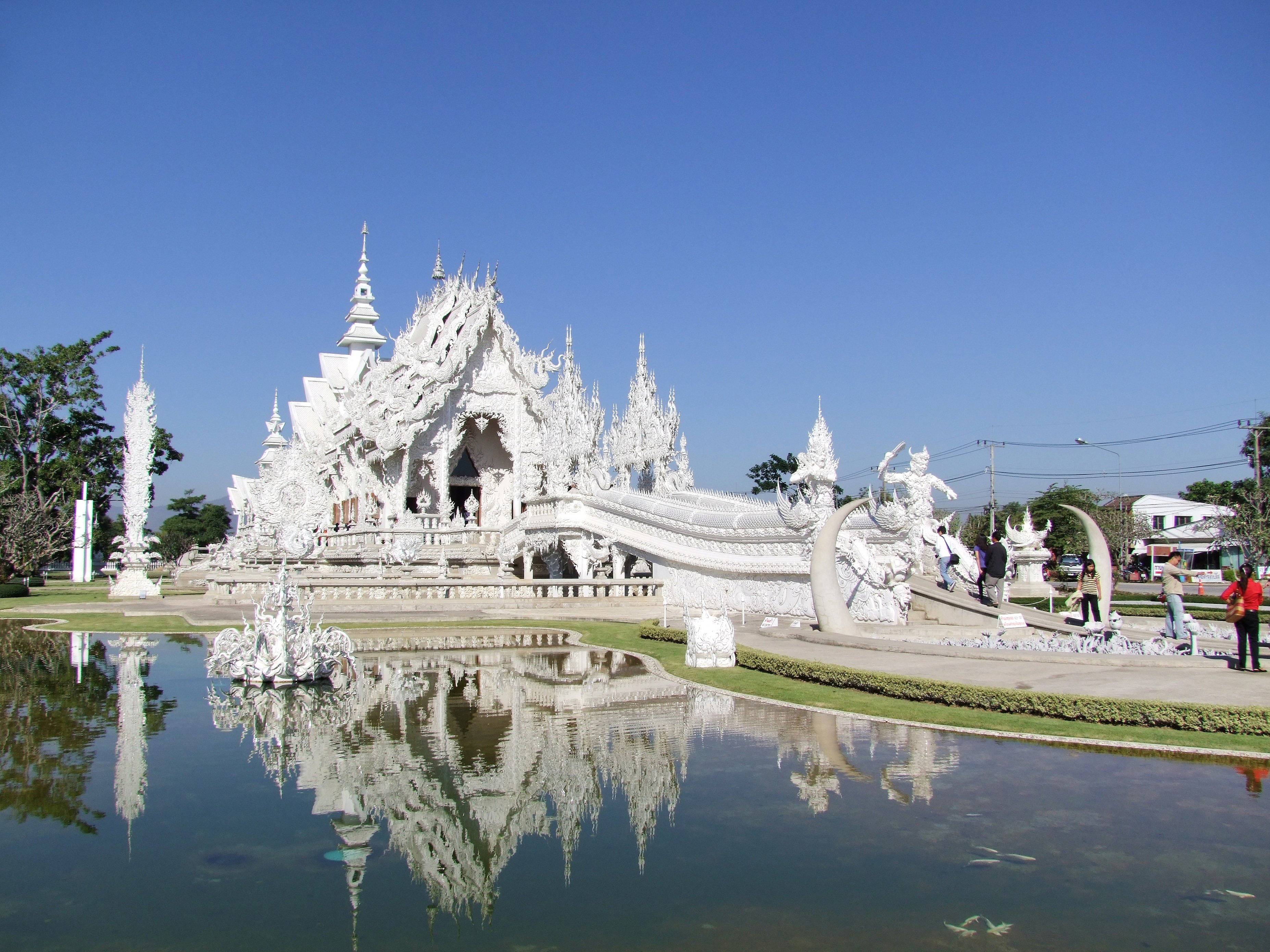
1. Admire Wat Rong Khun, the White Temple
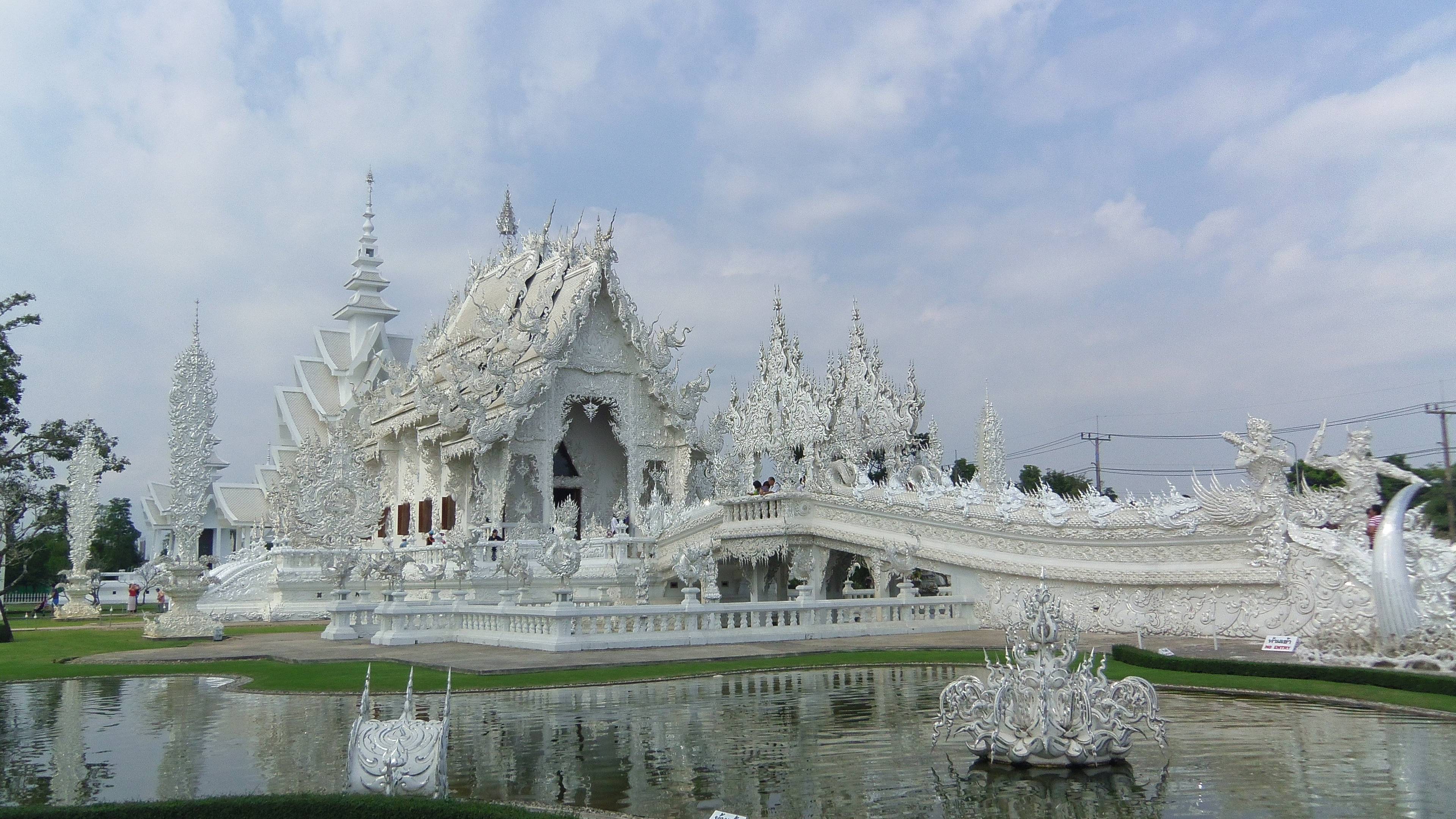
Wat Rong Khun is Chiang Rai’s most spectacular landmark. Created by Thai artist Chalermchai Kositpipat, this white temple seems to hover somewhere between dream and mirage, with mirrored details catching the morning light. Cross the bridge as if moving through a symbolic passage, past reaching hands, strange sculptures, and contemporary details hidden in the murals.
Come early, before the groups arrive. The air is still cool, the façades sparkle without overwhelming the eyes, and you can take your time looking around without feeling rushed.
2. Discover Wat Rong Suea Ten, the Blue Temple
Wat Rong Suea Ten is well worth a visit. Its deep, almost electric blue wraps around everything, from the dragons at the entrance to the large white Buddha inside. Newer than it looks, this temple stands out for its striking architecture, bright gold details, and murals that seem to ripple in the light.
Go in the late afternoon, when the sky takes on warmer colors. The temple grows quieter, the shadows lengthen, and the golden details take on an unexpected softness.
3. Explore the Baan Dam Museum
Baan Dam, or the “Black House,” is the unsettling world of artist Thawan Duchanee. Step inside a place that feels like a museum, studio, and artist’s village all at once. Dark wood dominates, while horns, hides, and powerful sculptures create an atmosphere that feels almost shamanic.
This shadowy, mysterious place can be surprising for some travelers. It questions, challenges, and fascinates. That is exactly what makes it so memorable, especially with insight from a local guide.
4. Visit Wat Phra Kaew, Chiang Rai’s historic temple
Wat Phra Kaew is one of the city’s most important temples, as this is where the famous Emerald Buddha is said to have been discovered before being moved to Bangkok. The atmosphere is quieter and more contemplative than in the area’s most photographed temples. You can hear birdsong, leaves rustling, and sometimes the distant murmur of a prayer.
Take time to step into the small museum next door. It reveals another side of Chiang Rai, older and closely tied to the Lanna Kingdom and the spiritual routes of Northern Thailand.
5. Wander around the Clock Tower and Night Bazaar
The Clock Tower is the liveliest landmark in the city center, especially in the evening, when it lights up to music. Designed by Chalermchai Kositpipat, the same artist behind the White Temple, it gives character to what might otherwise feel like a simple intersection.
Just a short walk away, about 10 minutes from the Clock Tower, you’ll find the Night Bazaar. Come to browse the stalls, enjoy a steaming bowl of khao soi, grilled skewers, or other Northern Thai specialties, or listen to local music in a relaxed, welcoming atmosphere.
6. Stroll through Rai Mae Fah Luang
Rai Mae Fah Luang, also known as Mae Fah Luang Art and Cultural Park, is a peaceful place to better understand Lanna heritage in Thailand today. In a large shaded garden, you’ll find wooden pavilions, ritual objects, textiles, sculptures, and carefully preserved traditional architecture, far from the bustle of the city’s walking street.
It’s the perfect visit when you want to slow down. With a local guide by your side, you can discover ancestral art through its materials, techniques, and artisan traditions. It’s a thoughtful way to approach the culture of the North with respect.
7. Hike to Khun Korn Waterfall
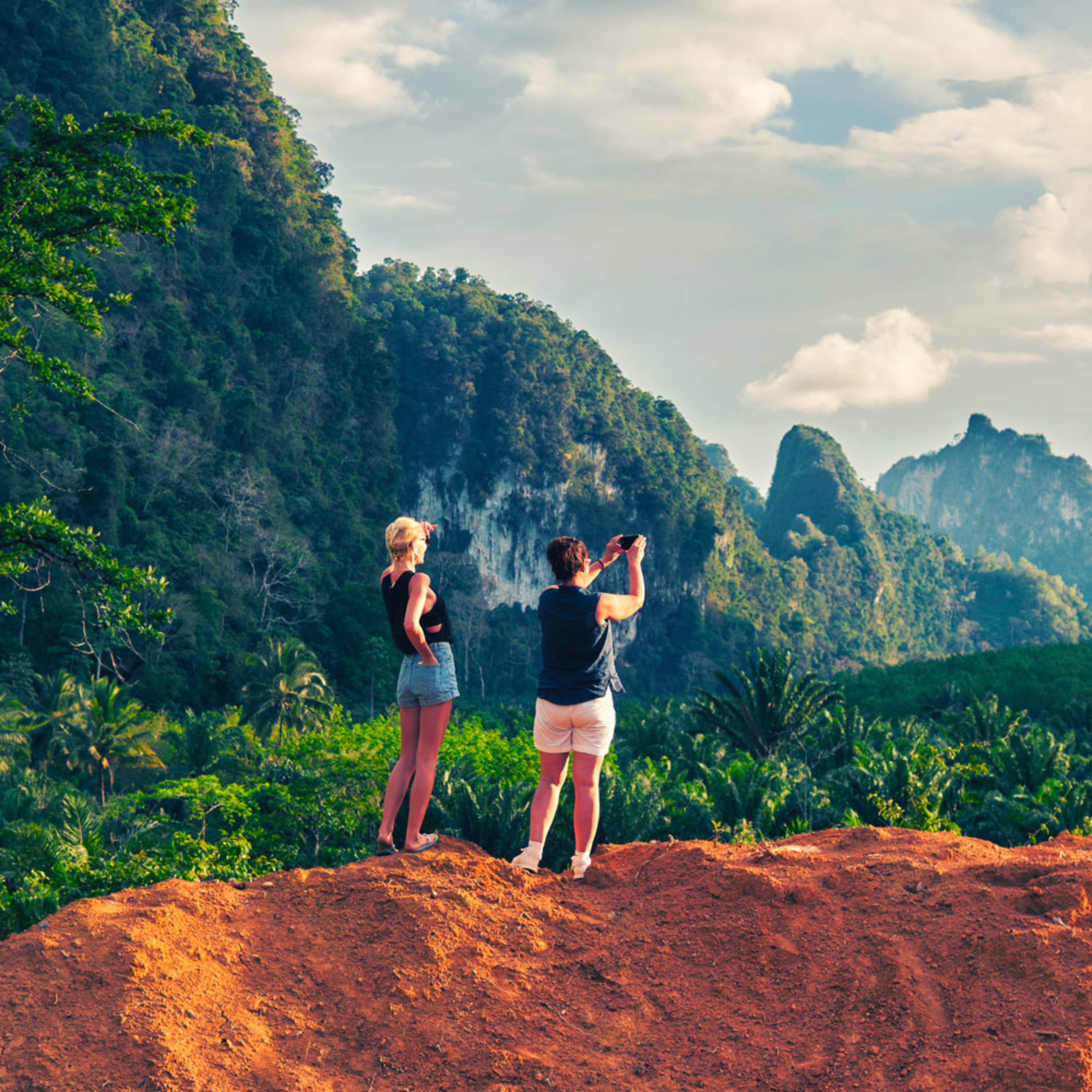
Khun Korn Waterfall is the most beautiful nature escape close to Chiang Rai. From the parking lot, a trail leads through the forest, past bamboo and tangled roots, with insect calls and the scent of damp earth filling the air. The walk is accessible, yet wild enough to make you feel like you’ve truly left the city behind.
At the end, the water falls in a powerful curtain, filling the air with cool mist. Bring sturdy, non-slip walking shoes, avoid visiting after heavy rain, and carry out all your trash. Here, part of the beauty lies in keeping the place quiet and unspoiled.
8. Breathe in the tea plantations of Choui Fong
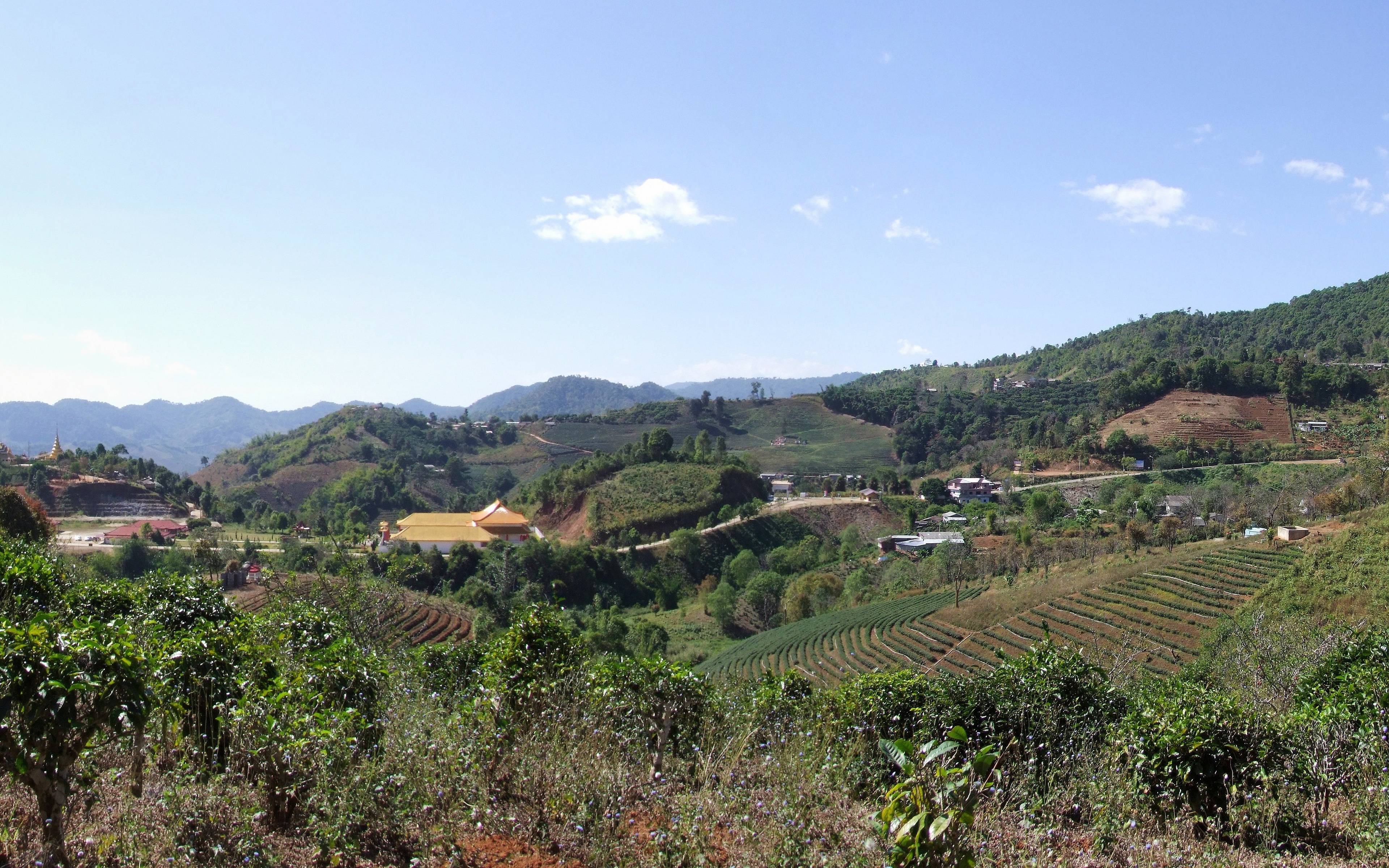
The Choui Fong tea plantations offer one of the gentlest landscapes around Chiang Rai. Rows of tea plants ripple like green waves across the hills, sometimes with a light mist drifting low over the leaves. Come for a walk, try a green tea dessert and see Northern Thailand from a different angle.
The site is fairly well known, but it’s still pleasant to explore if you arrive early. For a more authentic and immersive experience, ask a local agency to include it as part of a wider route through the surrounding area.
9. Head up to Doi Tung and Mae Fah Luang Garden
Set aside a full day for Doi Tung, with its blend of nature, history and social change. Mae Fah Luang Garden, with its flower beds, trees, and mountain views, also tells the story of an agricultural transition project supported by Thailand’s royal family in a region once associated with opium cultivation.
Along the road, the landscape becomes cooler, higher, and quieter. With a local guide, the visit gains depth, connecting botany, the history of mountain communities, and the challenges of responsible tourism.
Include Chiang Rai in a tailor-made Thailand trip
With Evaneos, you’ll work directly with a local, English-speaking expert based in Thailand. They know the roads, seasons, trusted spots, and natural pace of the country. The result is a tailor-made trip shaped around your interests, budget, and travel style.
Want to include Chiang Rai in your itinerary? Your local expert will help you fit it into your itinerary at the right moment, with smart travel times, meaningful encounters, and a well-balanced route, from the mountainous North to the islands of the South.