




Costa Rica's 8 beautiful landscapes: a larger-than-life trip
Smoking volcanoes, buzzing jungle, roaring waterfalls, black-sand beaches lined with coconut palms, Costa Rica’s landscapes offer travelers incredible variety. Between ocean and mountains, every horizon feels shaped by nature for adventure and wonder.
Costa Rica is a small country in Central America where nature reigns, lush, vibrant, and alive. It’s a paradise for nature lovers. Set off on an immersive journey through the most beautiful landscapes in Costa Rica, with exceptional biodiversity and unforgettable encounters along the way.

What are the most beautiful landscapes in Costa Rica?
- Manuel Antonio National Park
- Arenal Volcano
- Monteverde Biological Reserve
- Nauyaca Waterfalls
- Osa Peninsula
- Playa Negra
- Irazú Volcano
- Playa Sámara and the Nicoya Peninsula
Costa Rica: eight must-see landscapes to discover
1. Manuel Antonio: jungle, coves, and tropical wildlife
Located on the Pacific coast, Manuel Antonio National Park brings together the best of Costa Rica’s tropical nature. Here, you’ll find hidden beaches and shaded trails that are perfect for spotting birds and local wildlife. Howler monkeys, sloths, iguanas, and hundreds of birds move through a picture-perfect setting.
 ©
©
2. Arenal: the perfect volcano and its mirror-like lake
The nearly perfect cone of Arenal Volcano rises above a vast 33-square-mile lake, where clouds often shimmer on the water’s surface. Hikes around the crater, windsurfing on the lake, and plenty of outdoor activities bring the surrounding area to life. Here, you’ll find a rare balance of gentle adventure and quiet contemplation, a memorable introduction to Costa Rica’s living geology.
 ©
©
3. Monteverde: mist, biodiversity, and hanging bridges
Perched at 4,900 feet above sea level, Monteverde Biological Reserve, often called the “cloud forest,” wraps travelers in a cool, mysterious mist. Its rainforest trails wind between giant ferns, moss-covered trees, and the fleeting calls of the resplendent quetzal, a Central American bird known as one of the most beautiful in the world. Monteverde is a world of its own, where nature and its inhabitants set the pace.
 ©
©
4. Nauyaca: lush jungle and spectacular waterfalls
Tucked into a tropical valley near the surf village of Dominical, the Nauyaca Waterfalls leave a lasting impression on everyone who makes the journey. You’ll reach them after an accessible, immersive hike. Swim below the dizzying height and powerful flow of the falls, surrounded by wild beauty that feels almost impossible to describe.
 ©
©
5. Osa Peninsula: raw nature and extraordinary biodiversity
Home to 2.5% of the world’s natural biodiversity, Corcovado National Park on the Osa Peninsula is one of the last primary rainforest sanctuaries in the Americas. Jaguars, scarlet macaws, spider monkeys, and tapirs live here among rivers, lush jungle, and deserted beaches. Authentic and intense, these landscapes are made for travelers who truly love wild nature.
 ©
©
6. Playa Negra: black sand and a local atmosphere
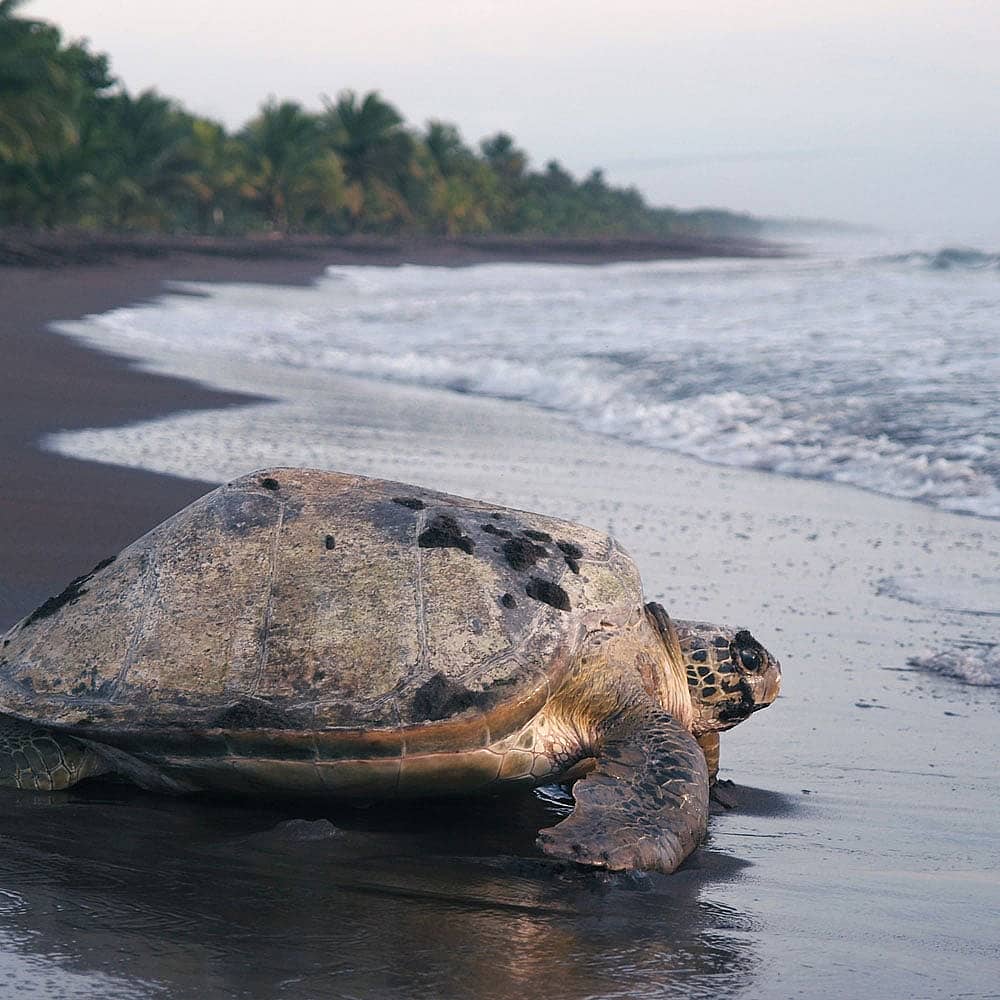
Less crowded than nearby Tamarindo in Guanacaste, Playa Negra feels wonderfully authentic. Its volcanic sand, steady waves, and laid-back atmosphere make it a favorite with Ticos, surfers, and fishermen. It’s a genuine coastal escape, ideal for experiencing Costa Rica’s seaside way of life and its pura vida spirit.
 ©
©
7. Irazú: high-altitude views and a surreal crater
At 11,260 feet above sea level, Irazú Volcano is the country’s highest active volcano. Located in the Central Valley, it reveals a crater filled with turquoise water, striking against the ashy land around it. In this lunar landscape, wildlife and plant life are almost absent, but the panoramic view is well worth the detour.
 ©
©
8. Playa Sámara and Nicoya: easy living and golden sand
On the southern Pacific coast of the Nicoya Peninsula, Playa Sámara has a peaceful, family-friendly feel. Protected by a coral reef, it offers warm waters for swimming and sweeping ocean sunsets framed by coconut palms. Away from the busier visitor hubs, Nicoya is the birthplace of a simple, sustainable way of life in harmony with nature.
 ©
©
Costa Rica: a concentration of spectacular landscapes
What makes Costa Rica’s landscapes so unique?
In Costa Rica, every place has its own rhythm, and every landscape shows its own colors. The Caribbean coast, humid and green, pulses to the sound of reggae and the frogs of Tortuguero National Park. In the northwest, the Pacific coast offers varied scenery, from savanna and peaks to wild beaches loved by surfers, while in the south, the Sierpe mangroves shelter an exceptional ecosystem. Costa Rica is a small country with endless worlds to explore, and it awakens the senses.
What should you see in Costa Rica to experience its landscapes?
In Costa Rica, you cross rainforests where sunlight tries to break through the dense canopy. You feel the humid air around you, carried along by the calls of howler monkeys and the high-pitched songs of hummingbirds. Not far away, you can take in the beauty of coconut-lined beaches and warm ocean waves breaking on white, or black, sand.
The massive silhouette of Arenal Volcano rises on the horizon, while Poás Volcano releases sulfurous fumaroles that fill the air with a mineral scent. Higher up, you breathe cooler air among coffee plantations, surrounded by rolling green hills.
Land of fire and water: what are the origins of Costa Rica’s nature?
In Costa Rica, landscapes are born from the tension between two opposing forces: the heat of volcanoes and the coolness of water. The ground smokes, rumbles, and vibrates. Lunar crater landscapes like Irazú Volcano sit alongside thundering waterfalls, natural hot springs, and peaceful lakes. Arenal Volcano is reflected in the calm waters of its vast lake, while the active Rincón de la Vieja Volcano puts on a show of hot springs, bubbling mud, and crystal-clear falls.
Across the country, fire shapes the earth, and water carves it. Each region embodies this balance between heat and aquatic softness, like an ongoing conversation between the fire of the land and the water that soothes it.
What is the best time to discover Costa Rica’s landscapes?
You can visit Costa Rica year-round, but the weather changes by region and season. The country follows two main periods:
- The dry season, December to April: sunny and ideal for hiking, clear views, and wildlife watching. This is also Costa Rica’s high travel season, especially on the Pacific coast and in the Central Valley.
- The green season, May to November: wetter, with lush nature and abundant scenery. During this time of year, rain is common, especially on the Pacific coast, where it can be heavy, while the Caribbean coast tends to stay sunnier. It’s a quieter, more authentic season in terms of visitor numbers.
In September and October, avoid the very rainy Pacific coast and choose the Caribbean coast instead, which is sunnier at that time. To learn more, read our complete guide to the best time to visit Costa Rica.
Authentic activities: how can you experience Costa Rica’s landscapes differently?
On a trip to Costa Rica, the most beautiful landscapes are also discovered through the people you meet. Taking part in traditional activities with a local community means supporting tourism that values local knowledge and helps preserve ecosystems.
Among the unique and authentic experiences to enjoy on a trip to Costa Rica, why not:
- Join a nature outing on the Tempisque River in Palo Verde National Park and observe Costa Rica’s exceptional ecosystem?
- Explore the underwater world around Isla del Caño, an ideal place to encounter fragile species from a respectful distance?
- Try snorkeling or watch green sea turtles nest at the Gandoca-Manzanillo Wildlife Refuge on the Caribbean coast?
With a local guide by your side, you help protect these fragile ecosystems while experiencing a rare, meaningful, and respectful moment in this small paradise on Earth.