

Must-sees and hidden gems: what to see and do in Whitehorse?
1. Explore downtown and its colorful wooden facades
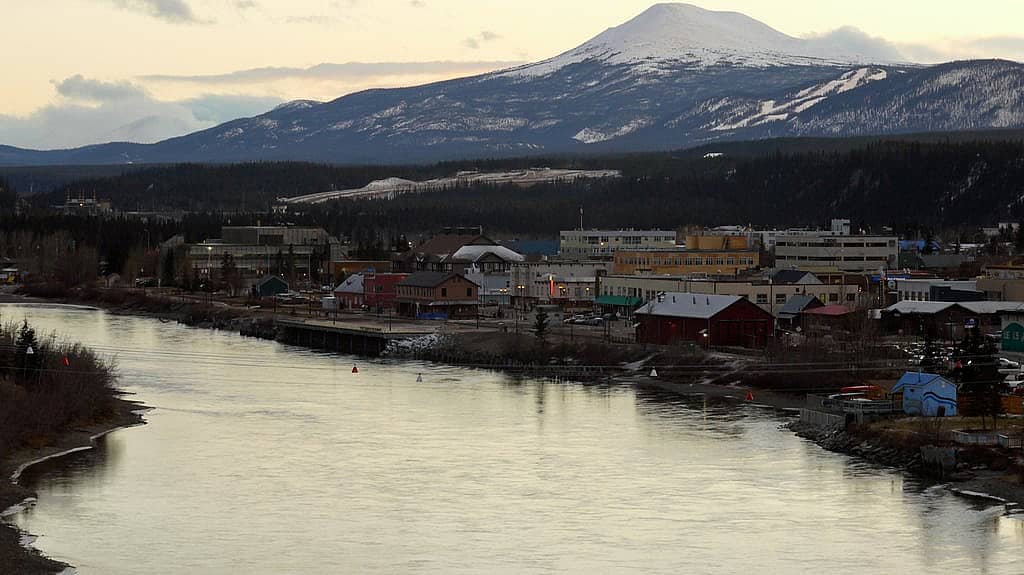
Set out on foot through the lively downtown streets and take in Whitehorse’s one-of-a-kind atmosphere. Among cozy cafés, artisan storefronts, and historic buildings with a frontier feel, you can still sense the legacy of the Klondike Gold Rush. The city is small, and everything is easy to explore at a relaxed pace on foot. For coffee or a slice of salmon pie, stop by Baked Café on Main Street, a true local favorite. As you wander, you’ll also spot street art that tells the stories and legends of the Yukon.
2. Step back in time aboard the S.S. Klondike
Moored along the Yukon River, this iconic paddle steamer offers a fascinating glimpse into the age of steamboats. You can visit it like a museum, with everything from cargo holds once packed with goods to passenger cabins and the engine room. Walking the deck of the S.S. Klondike feels like stepping into a lively chapter of the past, when Whitehorse was a major stop on the gold route between Skagway and Dawson City.
3. Hike to the summit of Grey Mountain
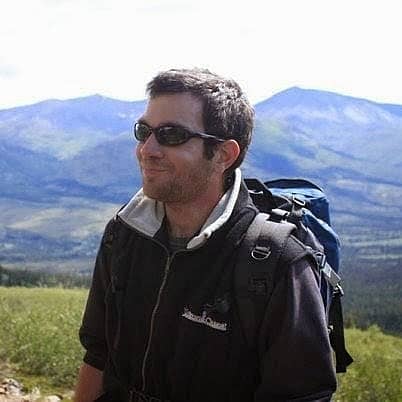
Just a few miles from downtown Whitehorse, the trail to the top of Grey Mountain offers sweeping views over the entire Yukon Valley. The hike is fairly challenging, but from the summit you can take in boreal forests, lakes, and distant mountains all at once. In spring and summer, the slopes are dotted with wildflowers. In fall, the landscape bursts into color. It’s an ideal place to get away from it all and feel the spirit of the North, in every sense.
4. See the northern lights in winter
From September to April, Whitehorse becomes one of the best places to watch the northern lights. Far from the light pollution of major cities, the sky comes alive with green, pink, and purple ribbons. To experience the magic, you have several options: head out with a local guide who knows the best viewing spots, or settle into a secluded cabin and watch the sky in the stillness of the night. A wood fire, a hot drink, the aurora dancing overhead: unforgettable moments are almost guaranteed.
5. Relax in the Takhini hot springs
Just 30 minutes from downtown, these hot springs in the heart of nature offer an open-air soak, even when winter temperatures drop to -22°F. Eclipse Nordic Hot Springs, formerly Takhini Hot Springs, is the perfect place to relax your muscles after a hike or a day of northern adventures. Naturally hot water, around 104°F, fills the pools in a modern setting. The bonus? You may even see the northern lights while soaking in the steaming water.
6. Discover First Nations culture at the Yukon Beringia Interpretive Centre
This interactive museum, with its flowing, curved architecture, takes you back to the time of Beringia, the vast landmass that once connected Siberia and North America. The exhibits highlight the ancient history of the Yukon, from mammoth skeletons to reconstructions of its earliest inhabitants. It’s a fascinating and informative stop that helps you better understand the deep roots of the land you’re exploring.
7. Follow the Millennium Trail along the Yukon River
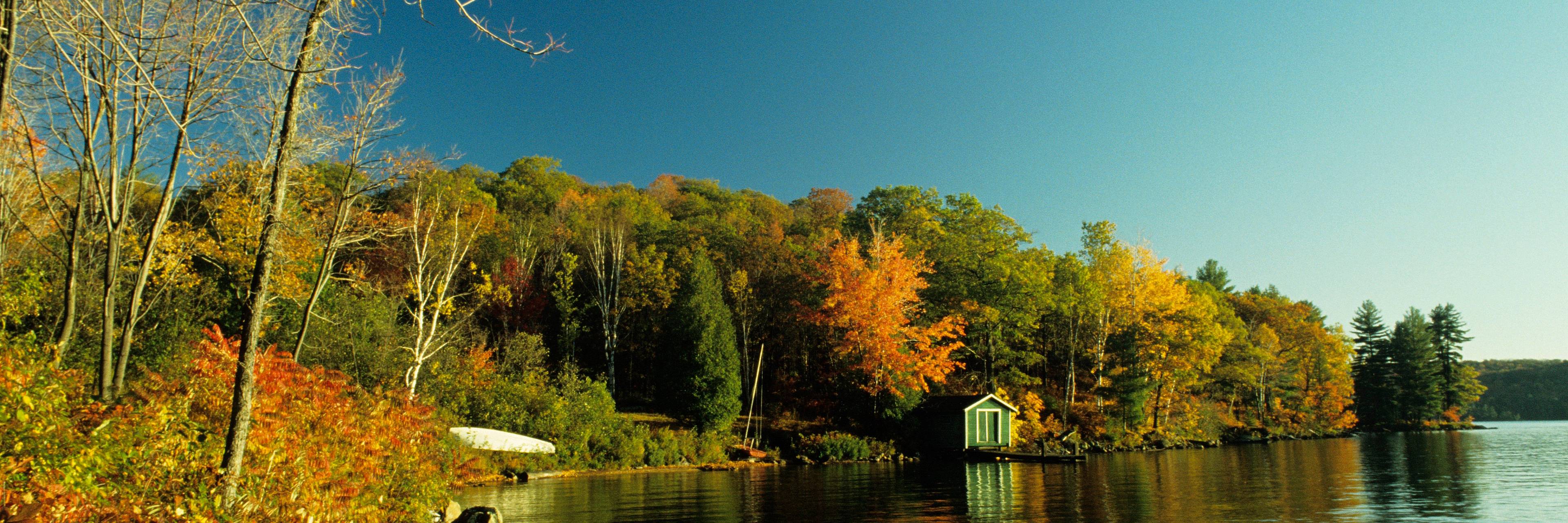
Looking for an easy walk that’s accessible to everyone? The Millennium Trail follows the banks of the Yukon River for nearly three miles. On foot or by bike, you can enjoy this gentle loop through open forest, pebble beaches, and wetlands. You might spot beavers, the occasional moose, and often quiet families of mallards. The soothing sound of the river, the cool shade of the trees, a few benches for a pause: it’s the perfect invitation to slow down.
8. Try ice fishing in winter
A classic Yukon activity, ice fishing on a frozen lake lets you experience local culture surrounded by nature. With a guide, you’ll drill a hole through the thick ice, set your line, and wait patiently while enjoying the quiet all around you. A campfire crackles, tea warms nearby, and sometimes a walleye or trout takes the bait. It’s a rustic, invigorating experience, far from the rush of everyday life.
9. Visit the Kwanlin Dün Cultural Centre gallery
This cultural center is a living place of learning and exchange centered on the Indigenous cultures of the Yukon. Here you can discover the fascinating history of the Kwanlin Dün people through exhibits, as well as workshops in beadwork, dance, and traditional song. More than a museum, it’s a place of courage, memory, and creativity. Whether guided or self-guided, a visit here is always rooted in deep respect for the land and the traditions it carries.
10. Watch local wildlife at the Yukon Wildlife Preserve
Just outside Whitehorse, quiet trails wind through boreal forest and open hillsides where caribou, Dall sheep, foxes, and moose live in the wild. Set out on foot with a local guide who reads the land, and scan the treelines and ridges for movement, always observing from a respectful distance and without disturbing the animals. Beyond the sightings, you learn how each species fits into the boreal ecosystem, and you experience it all on the animals' own terms, among rolling hills and forest.
Add Whitehorse to a tailor-made Canada trip
With Evaneos, you can travel with peace of mind. Our local, English-speaking experts based in Canada live and breathe their destination every day. From Whitehorse to the boreal forests of the Yukon, they know every corner, every season, and every story shared around a campfire.
Working directly with them, you’ll create a truly tailor-made itinerary shaped around your interests, pace, and priorities. A trip designed for you, and with you, far from one-size-fits-all routes. After all, who better than a local to help you discover their country?