


What to see and do in the Laurentides Wildlife Reserve?
1. Explore the hiking trails
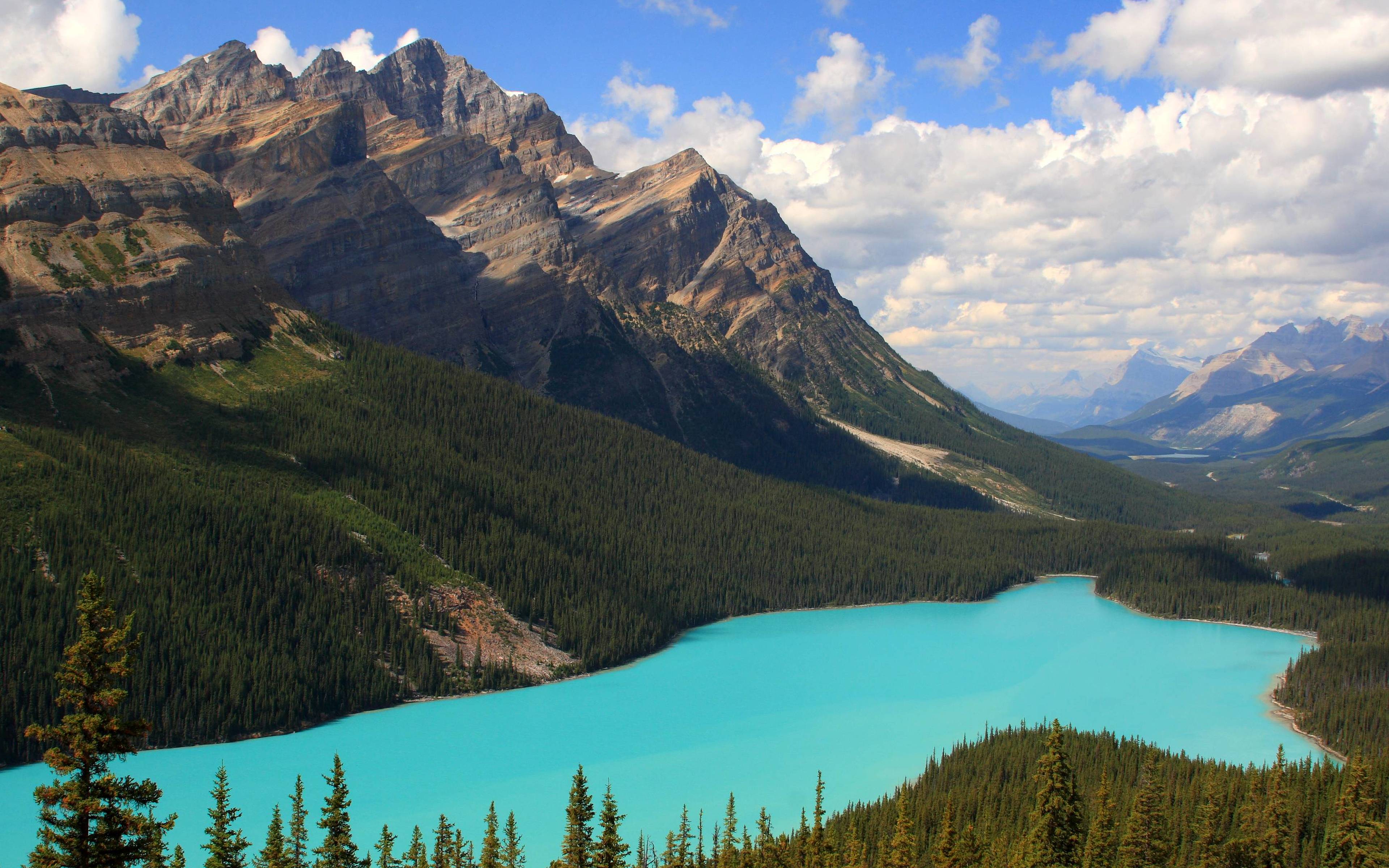
Laurentides Wildlife Reserve feels like a cathedral of conifers, the silence broken only by chickadees calling and leaves rustling in the breeze. With more than 100 miles of marked trails, you can head out for a few hours or a full day. The trails lead through beautifully preserved boreal forest, with stops at natural overlooks that open onto sweeping views of the reserve’s shimmering lakes.
2. Paddle across hundreds of lakes
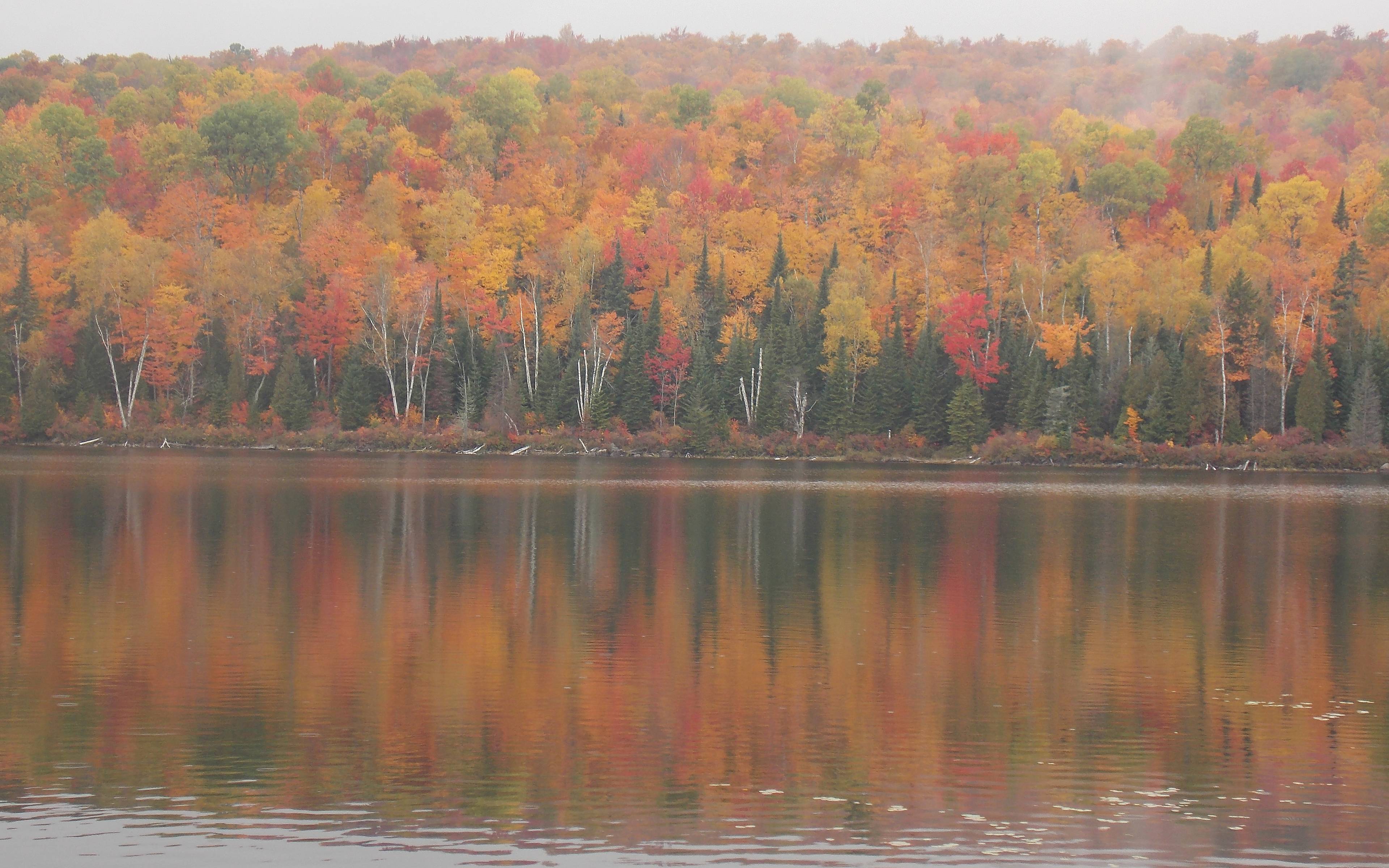
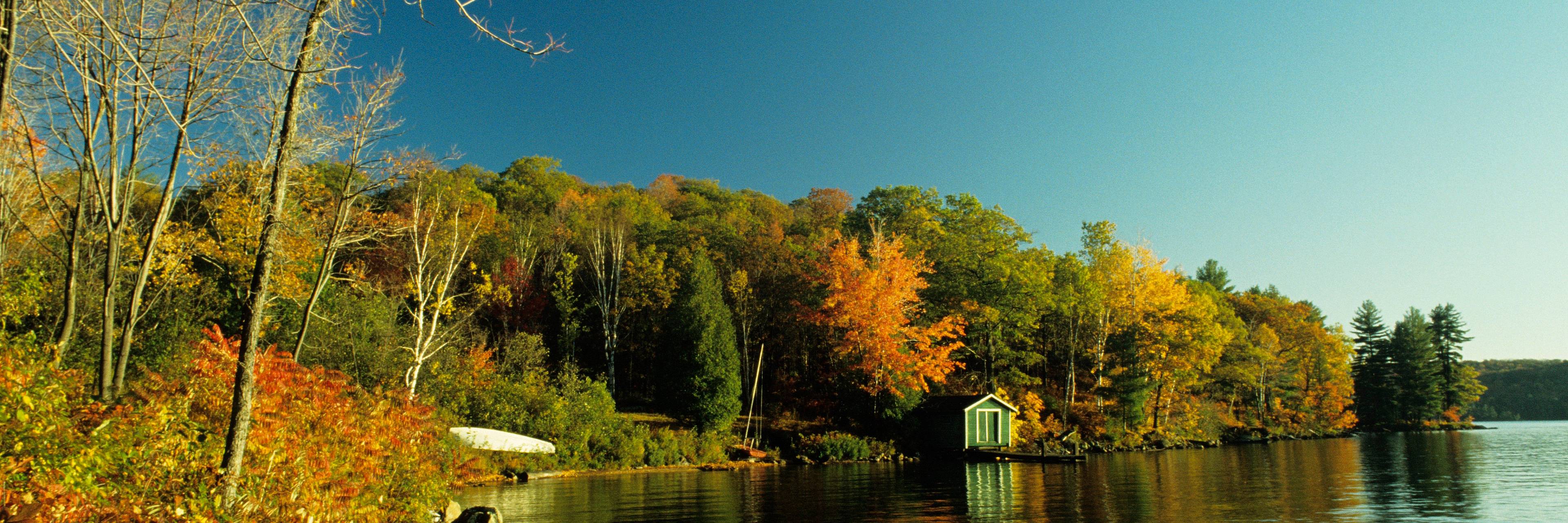
What could be more peaceful than gliding across the water with each paddle stroke, at dawn, when the surface is smooth as glass? The reserve has nearly 2,000 lakes where you can canoe or kayak. Vast and majestic, Lake Jacqueline is ideal for a late-day outing as the sun sets behind the rolling hills. On these clear waters, time seems to stand still, with dense forest all around and, if you're lucky, the distant call of a common loon as your soundtrack.
3. Watch wildlife quietly
This region is a sanctuary for wildlife. It’s not unusual to spot a moose emerging from a clearing, a beaver building its dam, or a bald eagle soaring above a still stretch of water. With binoculars and a little patience, you may even see a black bear from a safe distance. The quieter Lake à la Truite area is perfect for wildlife watching at sunrise or sunset, when animals are most active or settling in for the night.
4. Fish in untouched nature
The water is so clear you can see the silvery shapes of trout moving beneath the surface. Here, fishing is a true local tradition. Whether you’re fly-fishing, spin casting, or heading out by rowboat, the calm of the shoreline surrounds you as the line starts to tremble. Several spots well known to local anglers, including the Écorses River and its tributaries, are prized for their brook trout. And if you’ve never held a fishing rod before, local guides are happy to share their tips so your first catch becomes a lasting memory.
5. Camp in the heart of the boreal forest
Spending the night in the reserve, you'll fall asleep to crickets and wake to the call of a common loon. Rustic campsites let you pitch your tent close to a lake or beneath a canopy of black spruce. For more comfort, choose a ready-to-camp tent or a forest cabin. This full immersion in Quebec’s natural world appeals to families and solitude seekers alike. Around the campfire, every story takes on a different flavor.
6. Snowshoe in winter
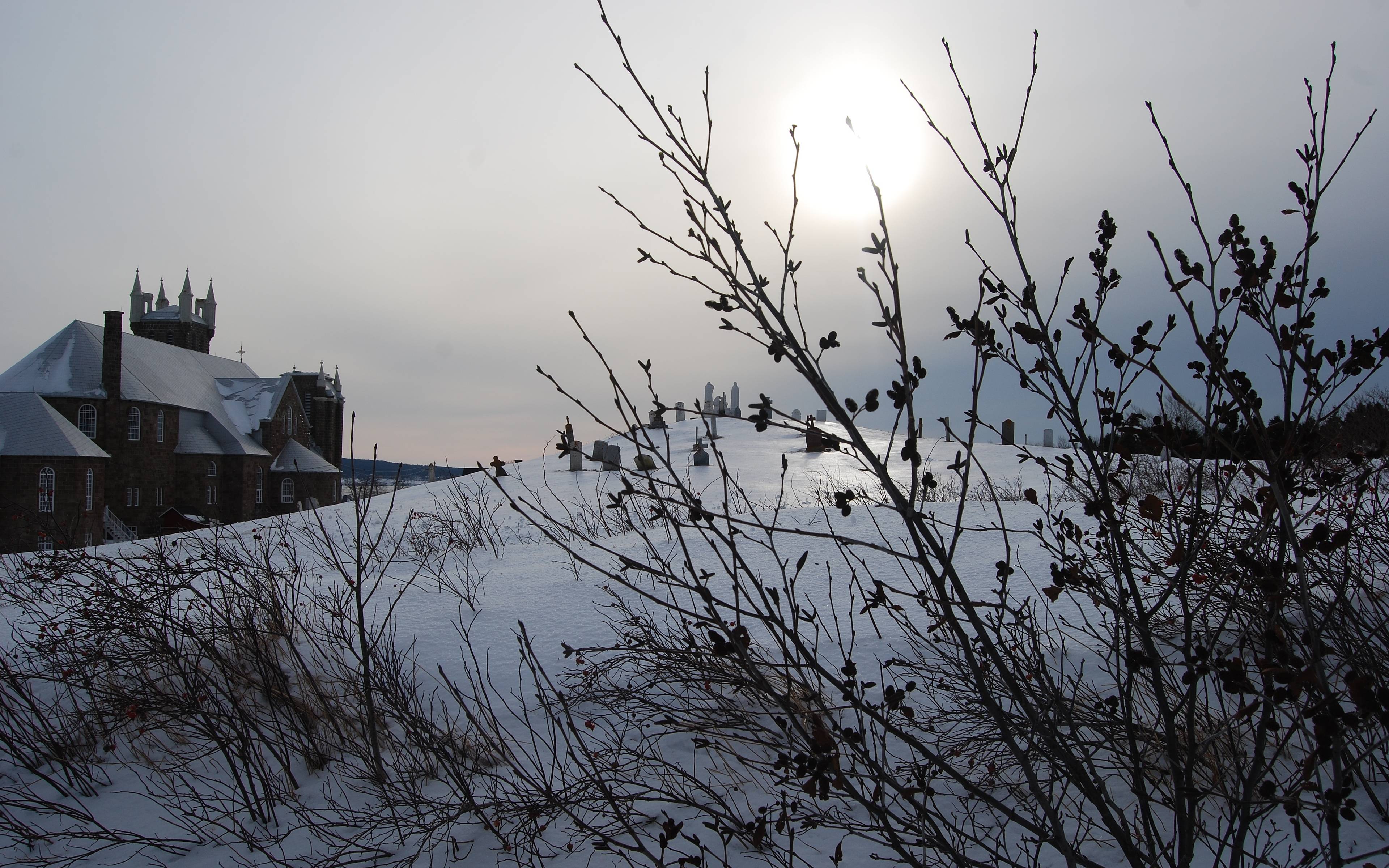
When snow covers everything, the reserve becomes a quiet world of light and stillness. Snowshoeing is the best way to explore it, crossing the forest understory and following the edges of frozen lakes. Fresh tracks left by a hare or fox give you the sense of a wild world that remains beautifully intact. Trails such as those in the Tourilli sector reveal enchanting winter scenery, from glittering frost to snow-covered pines. It’s an authentic northern experience, best enjoyed with frosty hair and cheeks flushed by the crisp air.
7. Cross-country ski on uncrowded trails
Here, everything feels made for travelers who love the quiet rhythm of gliding through snow. Cross-country ski trails cross snowy plateaus, wind between spruce trees, and follow rivers frozen by the cold. The Lake Batiscan area is especially popular for its varied routes, with options for every level. Along the way, you’ll often stop to admire an ice-covered waterfall or listen to the crunch of snow beneath your skis. Unlike the busy alpine resorts, this is where you reconnect with the simple pleasure of moving at the pace of your own breath.
A wilderness immersion in Laurentides Wildlife Reserve
Iconic animals to look for in Laurentides Wildlife Reserve
In the vast forests and waterways of Laurentides Wildlife Reserve, every bend in the trail or rustle in the leaves can reveal one of Quebec’s wild residents. Keep an eye out for:
- The moose, silent king of the marshes, often seen at dawn, massive and striking in the mist.
- The beaver, master builder and tree-feller, best observed in the evening around the ponds it shapes.
- The wolf, elusive and rarely seen, though its howls sometimes echo under the full moon.
- The black bear, solitary and curious, sniffing out berries deep in the forest.
- The ruffed grouse, darting through the understory in a quick blur of wings.
The plants and forests that shape Laurentides Wildlife Reserve
In Laurentides Wildlife Reserve, each season paints the landscape in a new palette. As you explore its forest trails, you’ll come across:
- Red maples and yellow birches, setting the forest ablaze in fall with shades of crimson and gold
- Black spruces and balsam firs, tall silhouettes typical of the boreal forest, with a resinous scent
- Lichens and spongy mosses, carpeting damp rocks and tangled roots
- Wild cranberries and blueberry bushes, whose fruit you can taste straight from the branch in summer
- Ferns and bilberries, weaving layers of green between rough trunks and shaded clearings
Stop in Laurentides Wildlife Reserve on a tailor-made Canada trip
With Evaneos, you co-create your trip with a local, English-speaking expert based in Canada. Thanks to their in-depth knowledge of the region and thoughtful advice, you’ll experience the country differently, far from cookie-cutter routes. They'll point you toward unexpected places and share tips only locals know.
Dreaming of exploring Laurentides Wildlife Reserve or taking a road trip to the far reaches of Yukon? Your local expert will design a fully tailor-made itinerary with you, shaped around your interests, your pace, and meaningful moments close to nature and local life.