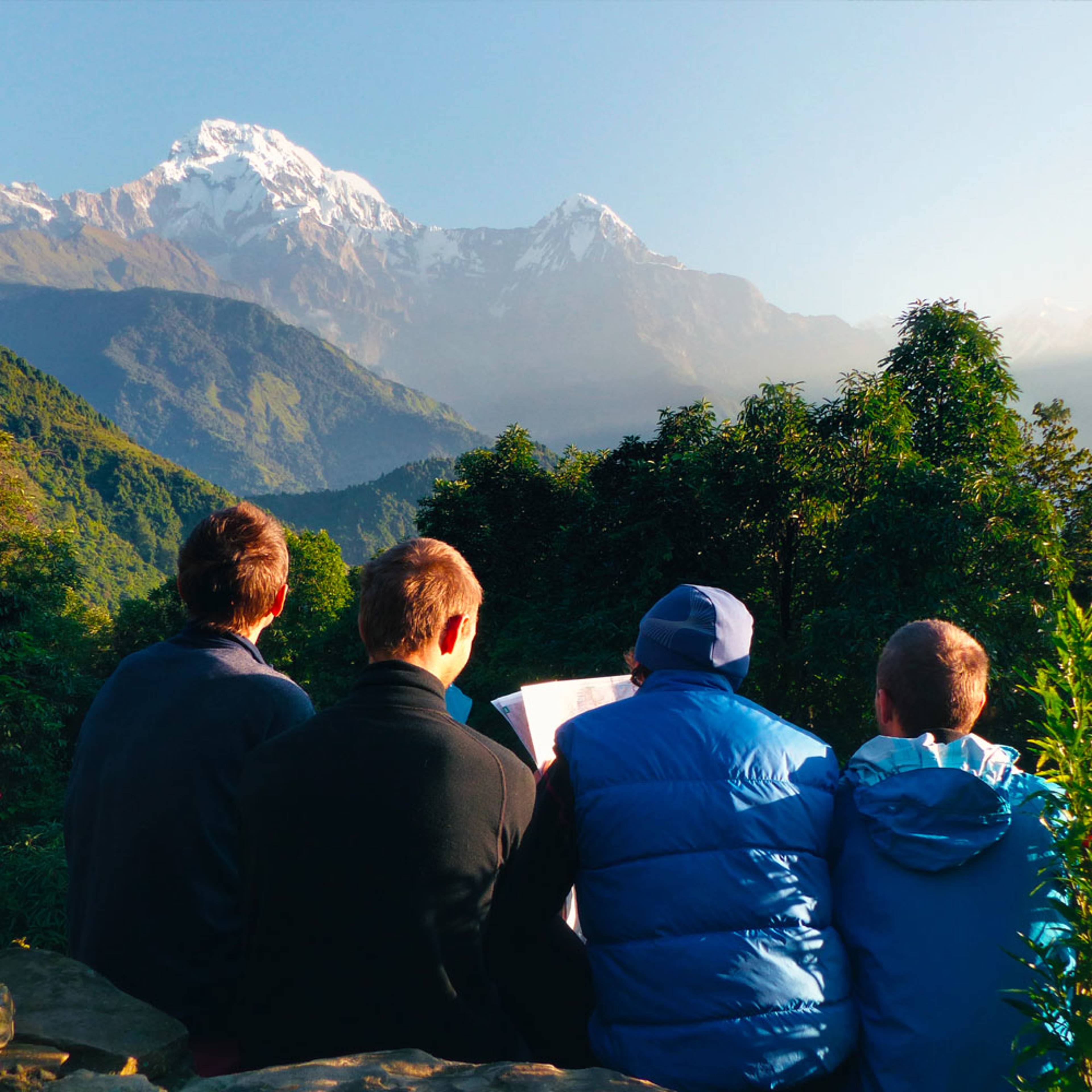
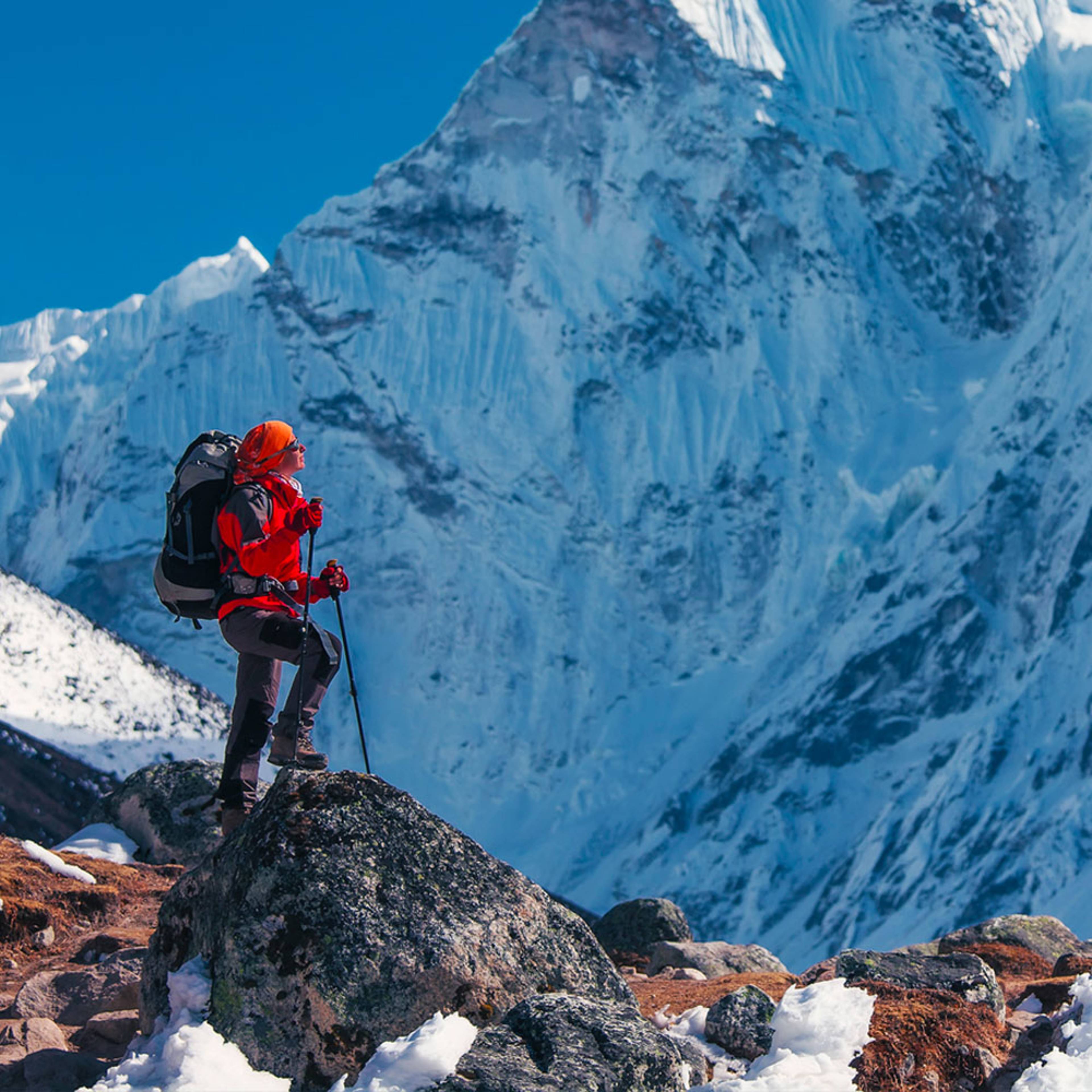

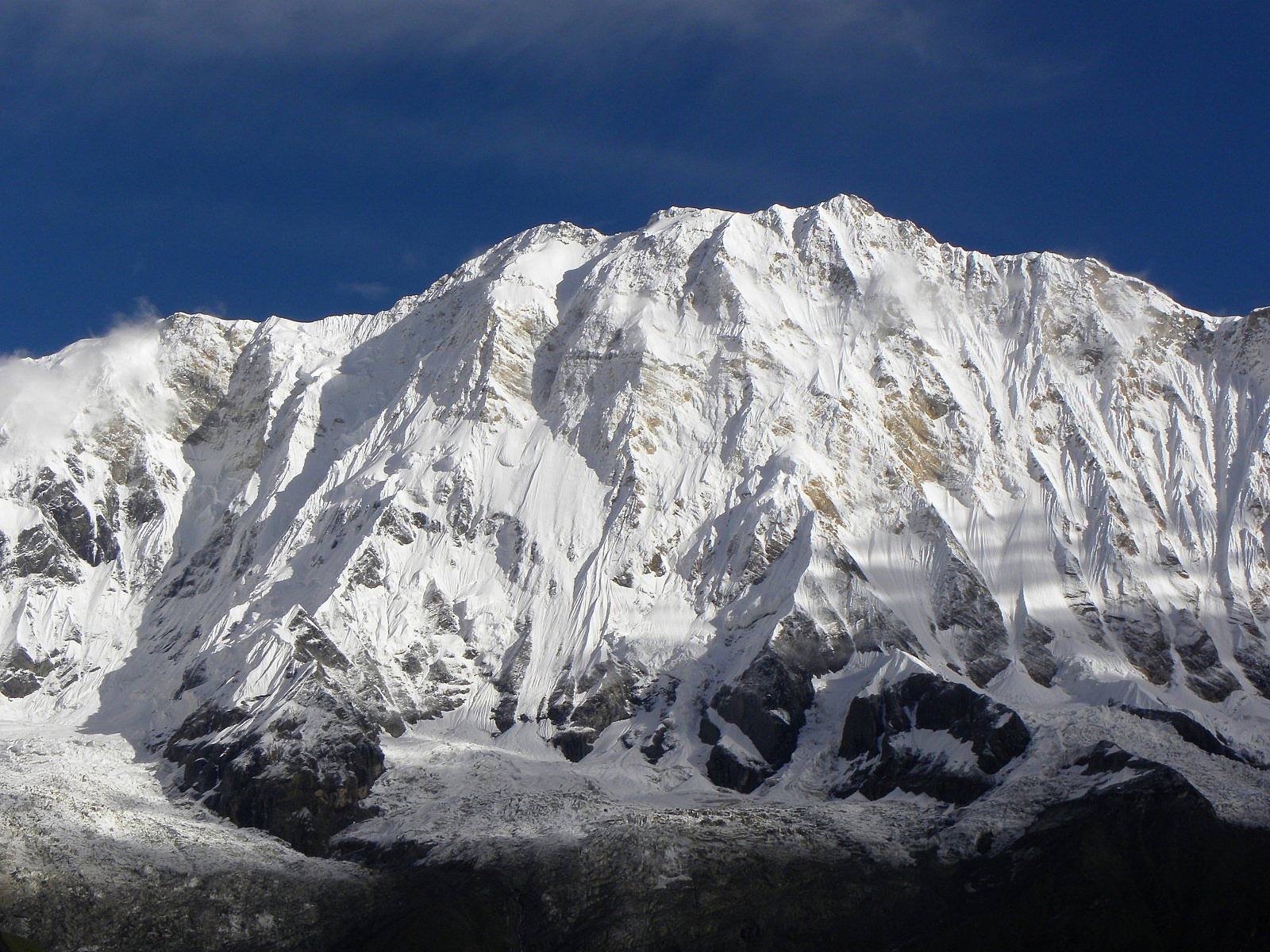
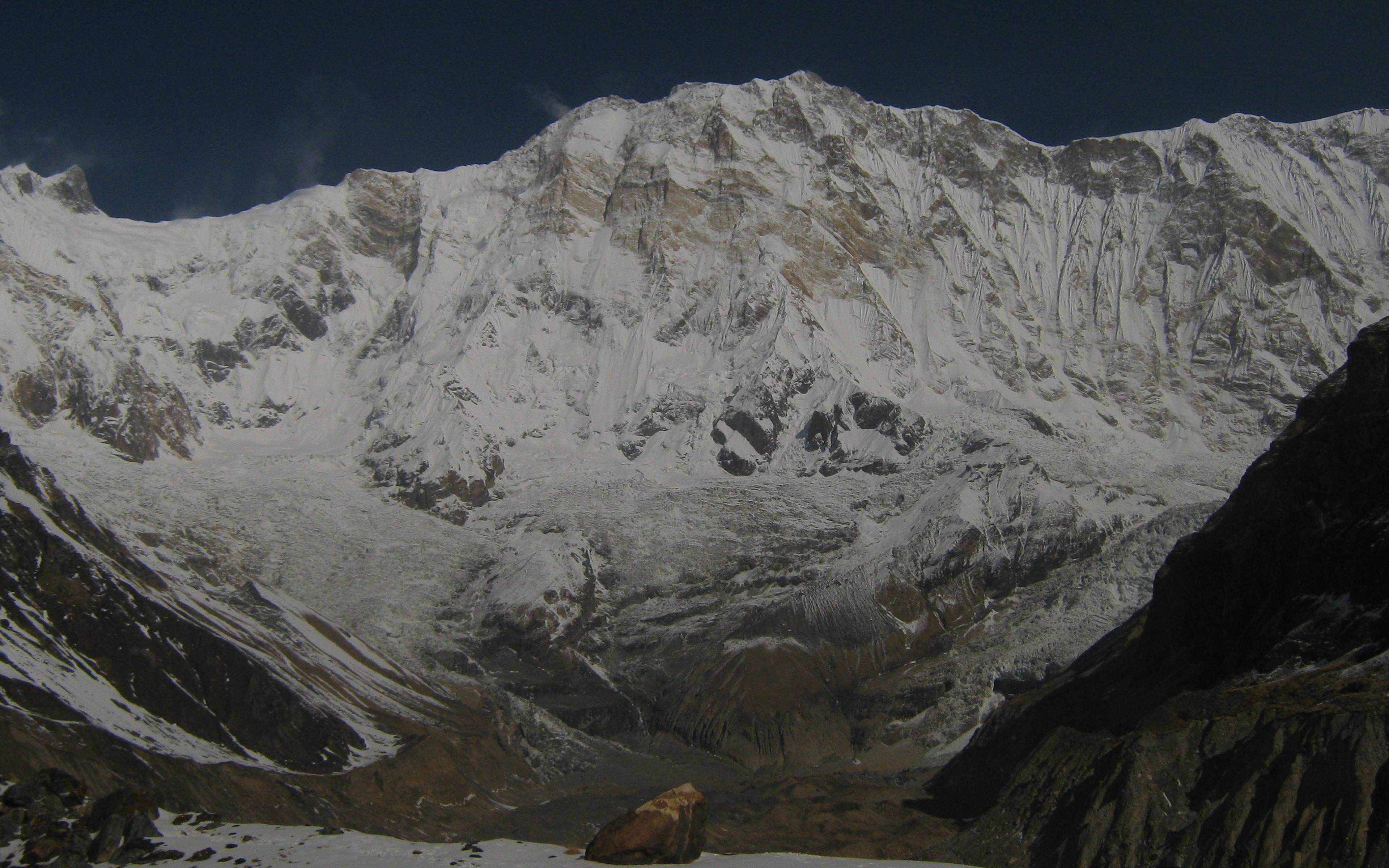
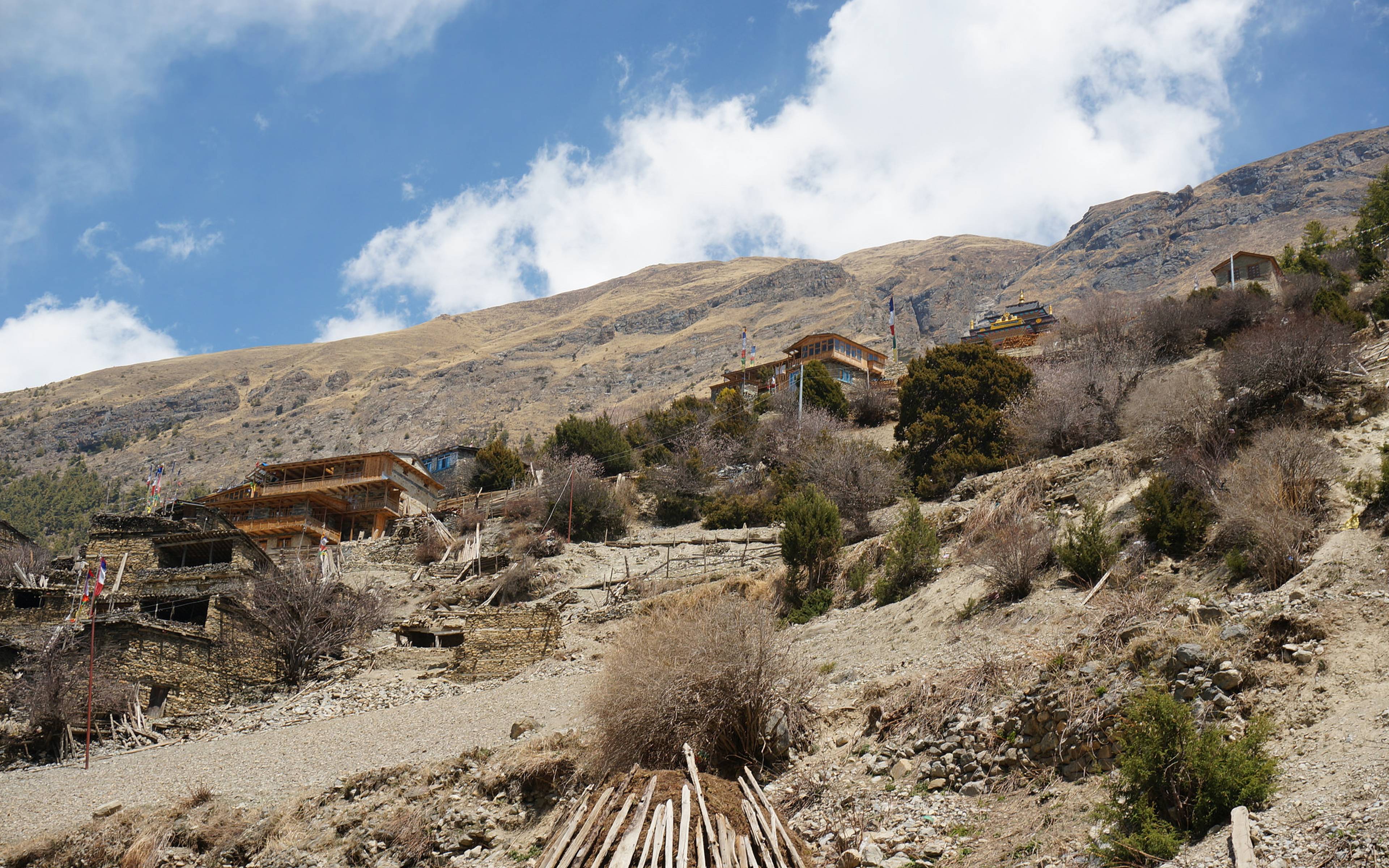
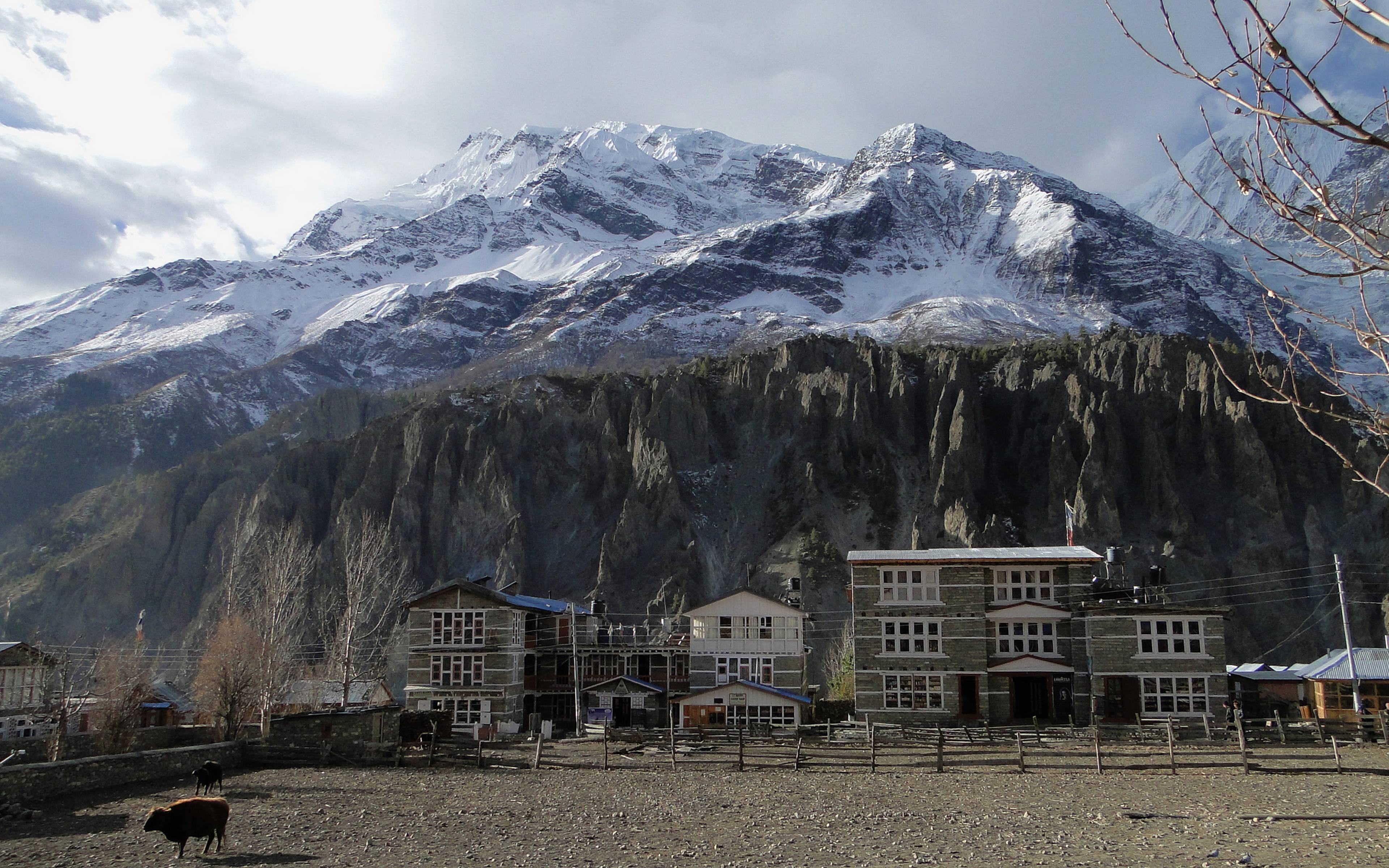
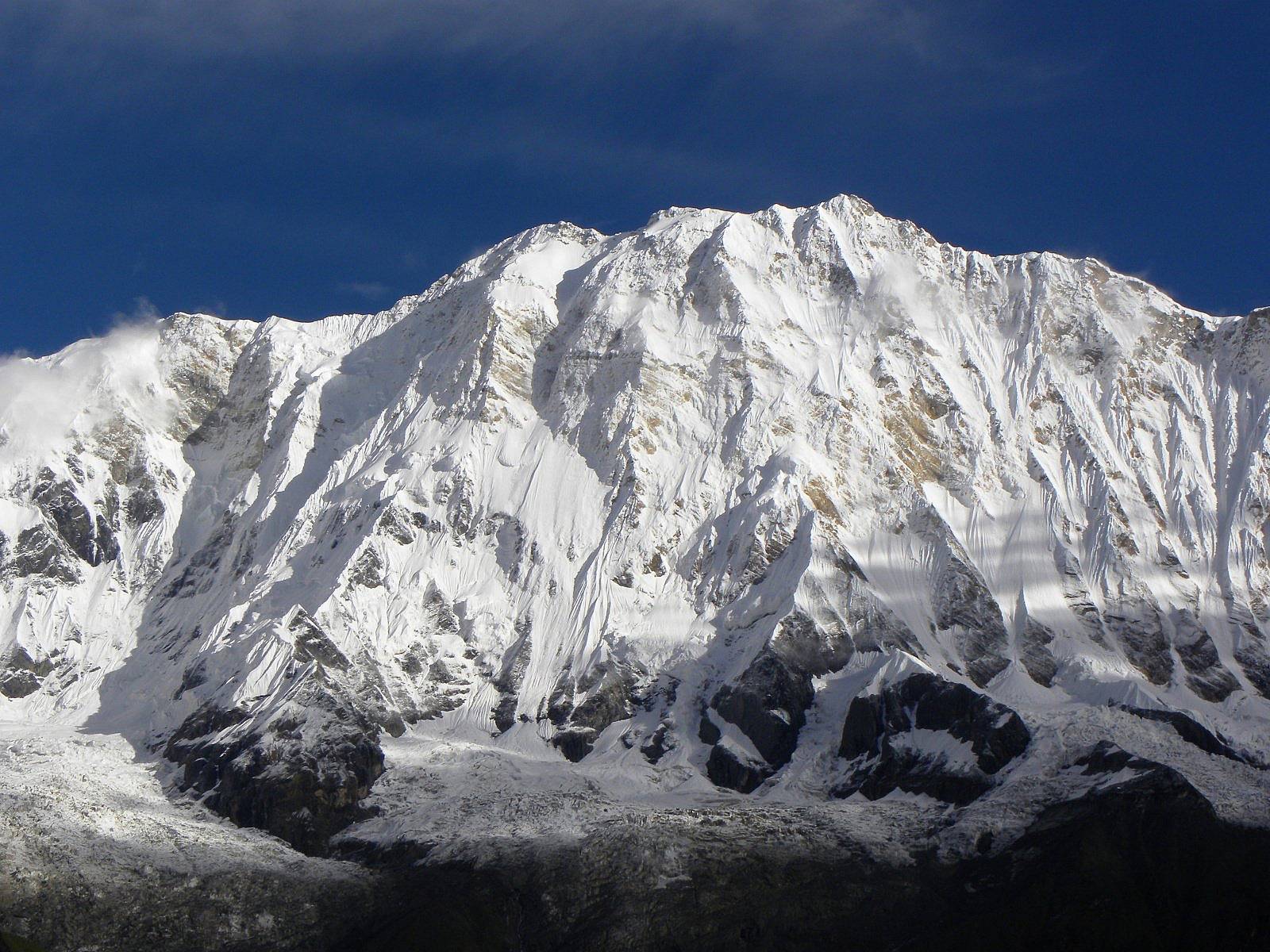

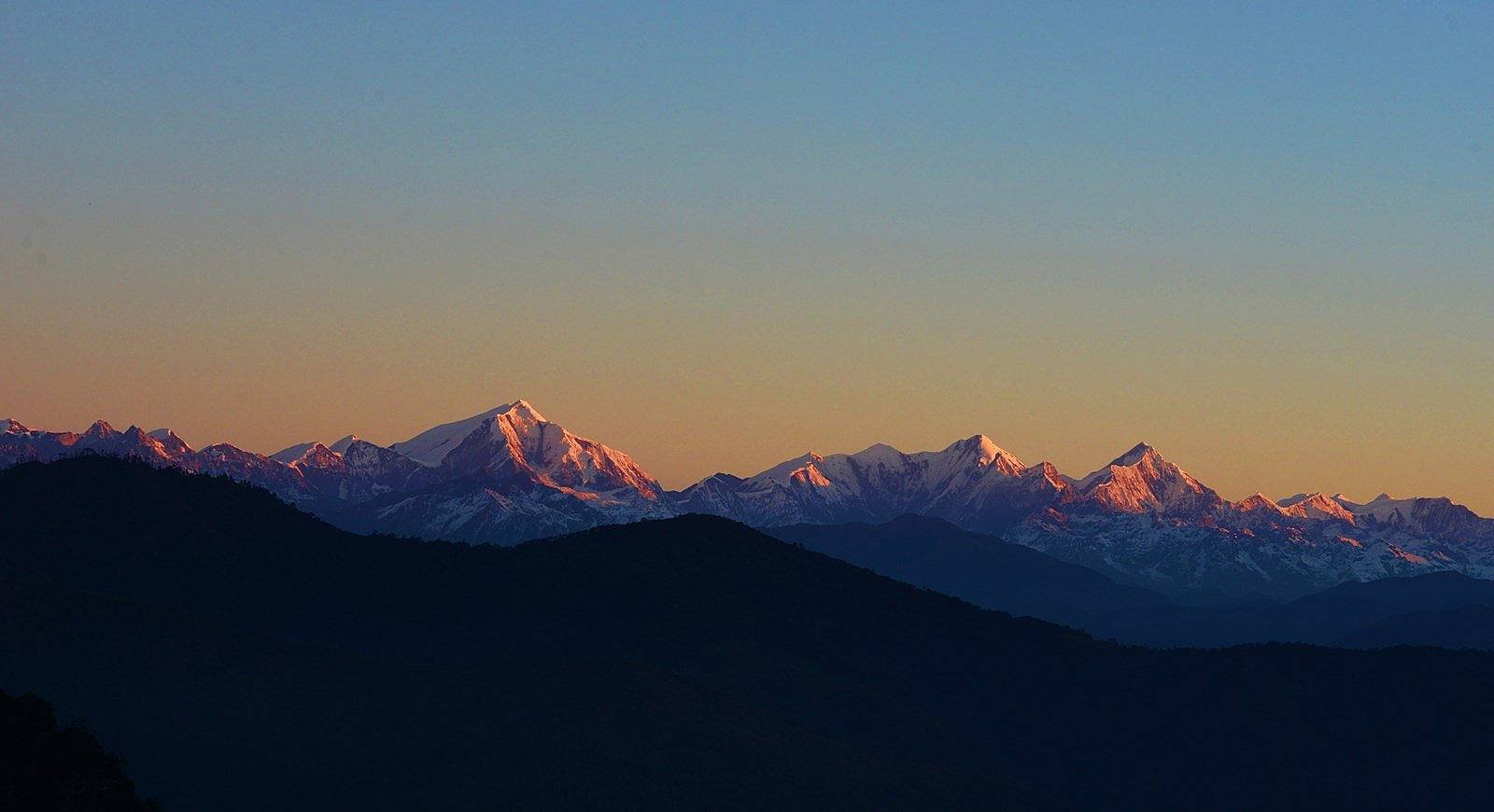


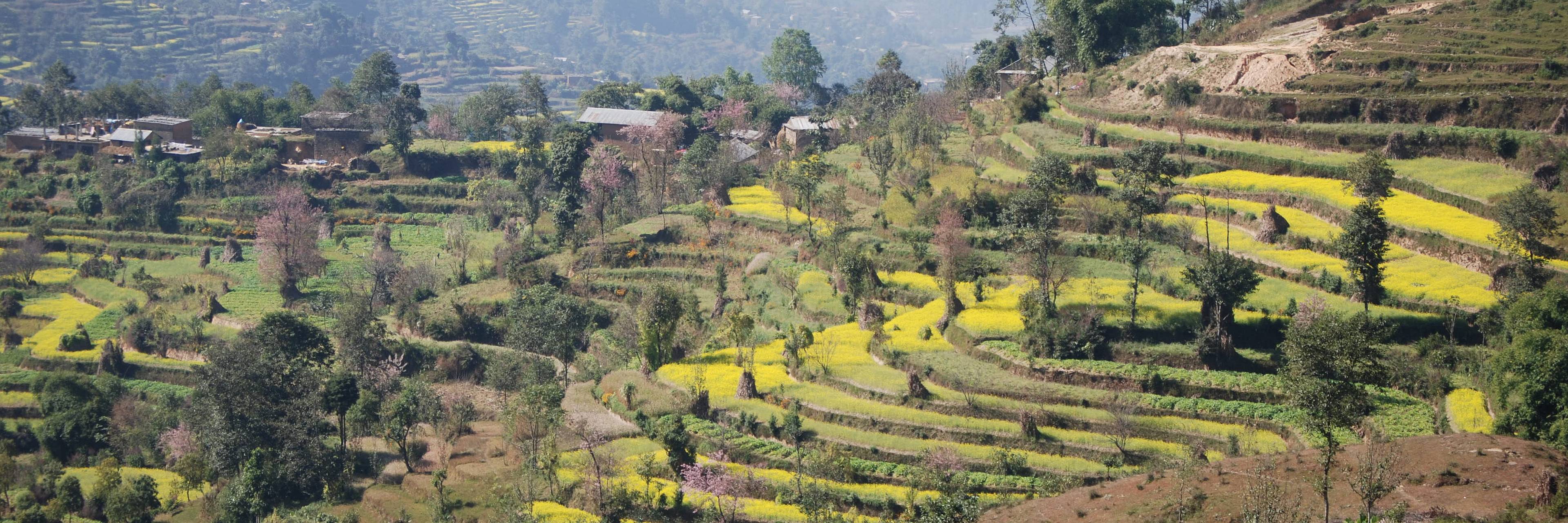
In Sanskrit, the Himalayas means "abode of snow". This group of mountains covers an area of more than 600,000 km² and is home to the highest summits in the world (14 of its summits are more than 8,000 metres high).
A group of mountain ranges separating the Indian subcontinent from the Tibetan plain, the Himalayas contain the highest mountains the world. Amongst eternal snow and bushy jungles, sky and land, the Himalayas remain mythical.
My suggestion
Several trekking routes allow you to discover the Himalayas. However be careful because the mountains are tough. Good physical conditions and appropriate equipment will be essential.
Anonymous traveller
Seasoned Traveller
5
In Sanskrit, the Himalayas means "abode of snow". This group of mountains covers an area of more than 600,000 km² and is home to the highest summits in the world (14 of its summits are more than 8,000 metres high).
My suggestion
The country's entire northern border runs along the Himalayas; therefore, you will encounter many other places during your visit to Nepal. I recommend that you choose an entry point and make the effort to push yourself; it will get easier after a while.
Anonymous traveller
Traveller
5
Langtang Valley Trekking Himalaya in Nepal is a cultural and top 10 best mountain Trek in the Himalayas it is rising to the north of the Kathmandu Valley and bordering Tibet.
The Langtang Valley Trek is located in the area. About 4,500 people live inside the park, and many more depend on it for timber and firewood. The majority of the residents are Tamang.
A spiritual getaway, far from the hustle and bustle of Thamel.
Situated just 5 kilometres from the city, Boudhanath is one of the most revered Buddhist shrines in Nepal.